Unidad de Investigación

Vascular pathophysiology

Fisiopatología vascular
Investigador principal
Equipo de investigadores
Área de investigación
Cardiology
Busqueda de nuevos mecanismos en la patología vascular
Colaboraciones Logotipos
Documentation
Vídeo
Visor 360º
Colaboradores/as
Botella Martínez, Sonsoles
Hospital Universitario de Navarra
Martínez Aguilar, Esther
Hospital Universitario de Navarra
Ramírez Cervera, Amaya
Hospital Universitario de Navarra
Zugasti Murillo, Ana
Hospital Universitario de Navarra
Unidad de investigación / Grupo Vinculado
Contacto

C/ Irunlarrea 3
Navarrabiomed-Centro de Investigación Biomédica
Complejo Hospitalario de Navarra
31008 Pamplona, Navarra. España

No mostrar en listados de Unidades de Investigación
On

Arrhythmias

Imagen arritmias

Eva Jover García es licenciada en Ciencias Biológicas por la Universidad de Valencia y realizó su tesis doctoral en la Universidad de Murcia. Tras cinco años de investigación posdoctoral en la Universidad de Bristol (Reino Unido), se incorporó en el año 2020 a la Unidad de Cardiología Traslacional de Navarrabiomed, gracias a la obtención de un contrato posdoctoral Sara Borrell del Instituto de Salud Carlos III y, posteriormente, fue beneficiaria de la beca ‘Stop Fuga de Cerebros’ de Roche Farma.

Desde enero de 2025, es responsable de la línea de investigación en Arritmias de Navarrabiomed mediante un contrato Miguel Servet del Instituto de Salud Carlos III. 

Investigador principal
Equipo de investigadores
Área de investigación
Cardiology
Identificación de marcadores de riesgo y dianas terapéuticas en las arritmias cardíacas
Colaboraciones Logotipos
Documentation
Vídeo
Visor 360º
Colaboradores/as
Unidad de investigación / Grupo Vinculado
Contacto
Eva Jover

C/ Irunlarrea 3
Navarrabiomed-Centro de Investigación Biomédica
Complejo Hospitalario de Navarra
31008 Pamplona, Navarra. España

No mostrar en listados de Unidades de Investigación
On

Oncología Médica Traslacional

Oncología Médica Traslacional

The Translational Medical Oncology Unit focuses on developing research programmes that support the implementation of precision medicine in the field of medical oncology in Navarra. To this end, the unit integrates translational research, understood as the link between clinic and laboratory, and basic research, understood as the study of the biology that characterizes carcinogenesis and its progression. The unit is structured around three research areas, with a single central core: the cancer patient. The Unit has funding for all of them, thanks to scholarships awarded in national and local competitive calls.

Unit led by two co-PIs

Principal Investigator: Maria Alsina
Co-Investigator: Hugo Arasanz

Investigador principal
Área de investigación
Oncology
The precision oncology with the aim of improving the quality of life of cancer patients.
Actualidad

Translational Medical Oncology Unit Identifies a Key Biomarker to Predict Resistance to Immunotherapy in Lung Cancer Patients with High PD-L1 Levels

Translational Medical Oncology Unit Identifies a Key Biomarker to Predict Resistance to Immunotherapy in Lung Cancer Patients with High PD-L1 Levels
Author
Navarrabiomed

The study describes the underlying molecular alterations and offers more effective therapeutic options.


Professionals from Navarrabiomed’s Translational Medical Oncology Unit Identify a New Biomarker Capable of Predicting Resistance to Immunotherapy in Lung Cancer Patients with High PD-L1 Levels. This discovery provides a better understanding of the underlying molecular alterations that drive resistance and opens the door to new therapeutic strategies to overcome it.

The findings, recently published in the Translational Oncology Journal, are part of a broader research project led by Hugo Arasanz, Co-Principal Investigator of the Translational Medical Oncology Unit at Navarrabiomed and medical oncologist at the University Hospital of Navarra. The study also forms part of the doctoral research of Natalia Castro, a predoctoral researcher in the unit and currently a medical oncologist at the University of Navarra Clinic. In addition, the team from Navarrabiomed’s Oncoimmunology Unit played an active role in the study.

Research details

Lung cancer is the leading cause of cancer-related mortality worldwide, and treatment options vary according to tumoral PD-L1 expression. In patients with metastatic disease, which is the most common stage at diagnosis, immunotherapy is the standard treatment when PD-L1 expression is high. Conversely, when PD-L1 expression is low, immunotherapy must be combined with chemotherapy.

However, approximately half of patients with high PD-L1 expression do not respond to immunotherapy, and until now the underlying mechanisms responsible for this resistance remained largely unknown.

The Navarrabiomed team has identified a specific population of immune cells circulating in the bloodstream, known as low-density neutrophils (LDNs), as being responsible for this resistance. Elevated levels of these cells act as a biomarker predicting a poorer response to immunotherapy. Importantly, the study demonstrates that these same patients can benefit from a combination of chemotherapy and immunotherapy, making it possible to overcome this initial resistance.

This finding has significant clinical implications, as it could enable treatment to be tailored from the outset according to each patient’s profile, potentially improving clinical outcomes. Specifically, patients with high PD-L1 expression who also present elevated levels of low-density neutrophils could be treated with chemoimmunotherapy, thereby reversing their initial resistance to treatment.

Furthermore, the technique used to detect low-density neutrophils is already available in hospitals, which would facilitate its implementation in routine clinical practice.
 

Funding and dissemination

This research was made possible thanks to funding and support from the Spanish Association Against Cancer (AECC) through the SEOM Grant for Translational Research Projects in Immuno-Oncology 2023 and the AECC Junior Clinical Fellowship 2019, as well as from the Government of Navarra through the Government of Navarra Intensification Grant 2024.

In addition to the aforementioned publication, the results have already been presented at five international and three national oncology conferences of recognized relevance.

The professionals of the Translational Medical Oncology Unit are currently seeking additional funding to validate these findings through a prospective randomized clinical trial. In parallel, they also plan to assess the results within ongoing international clinical trials.

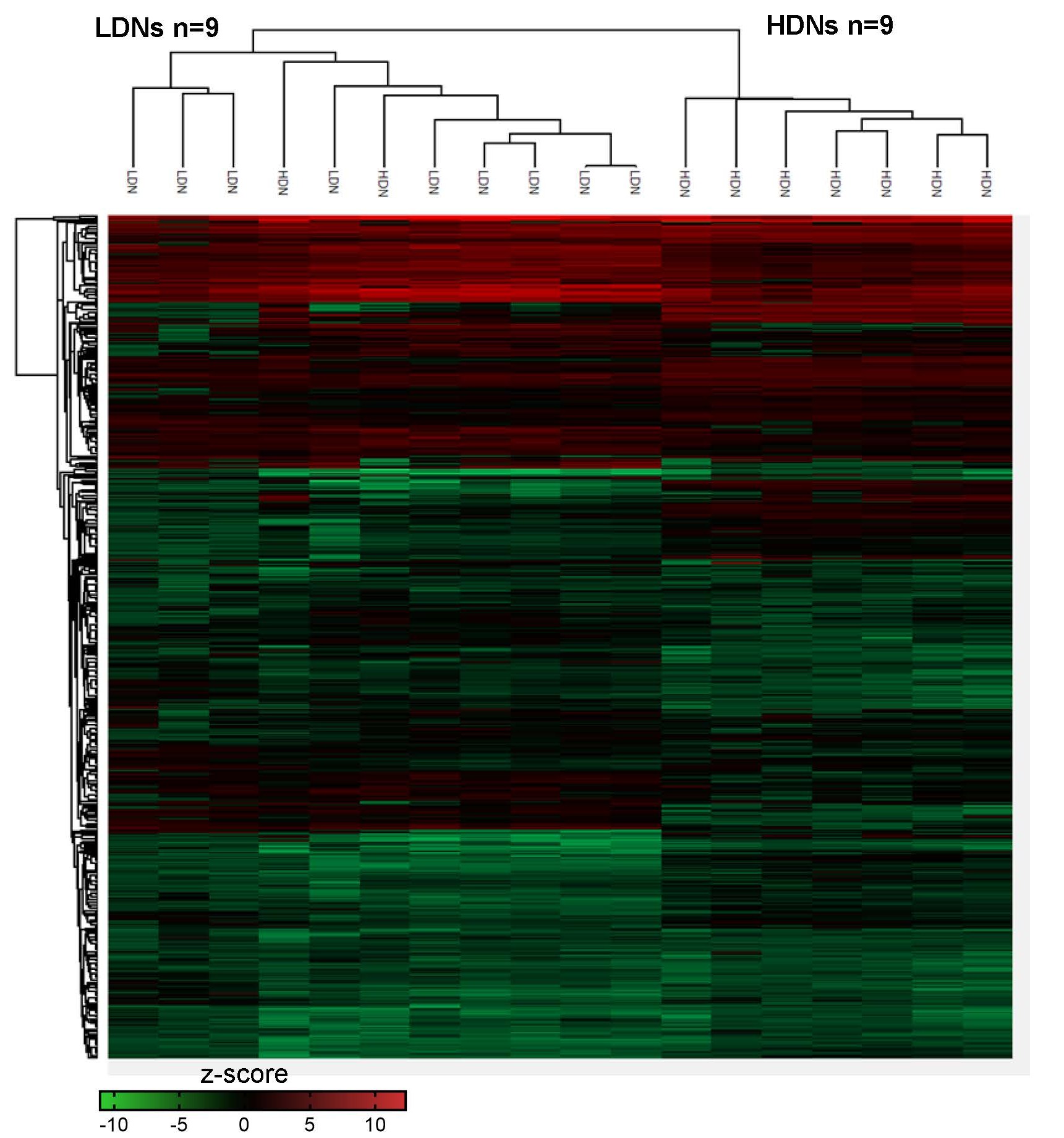
Figure 1: Heat map representing the complete proteome identified in low-density neutrophils (LDNs) (n = 9) compared with high-density neutrophils (HDNs) (n = 9), showing overexpressed proteins (red) and underexpressed proteins (green), ranging from a z-score of −11.28 (green) to +12.83 (red).

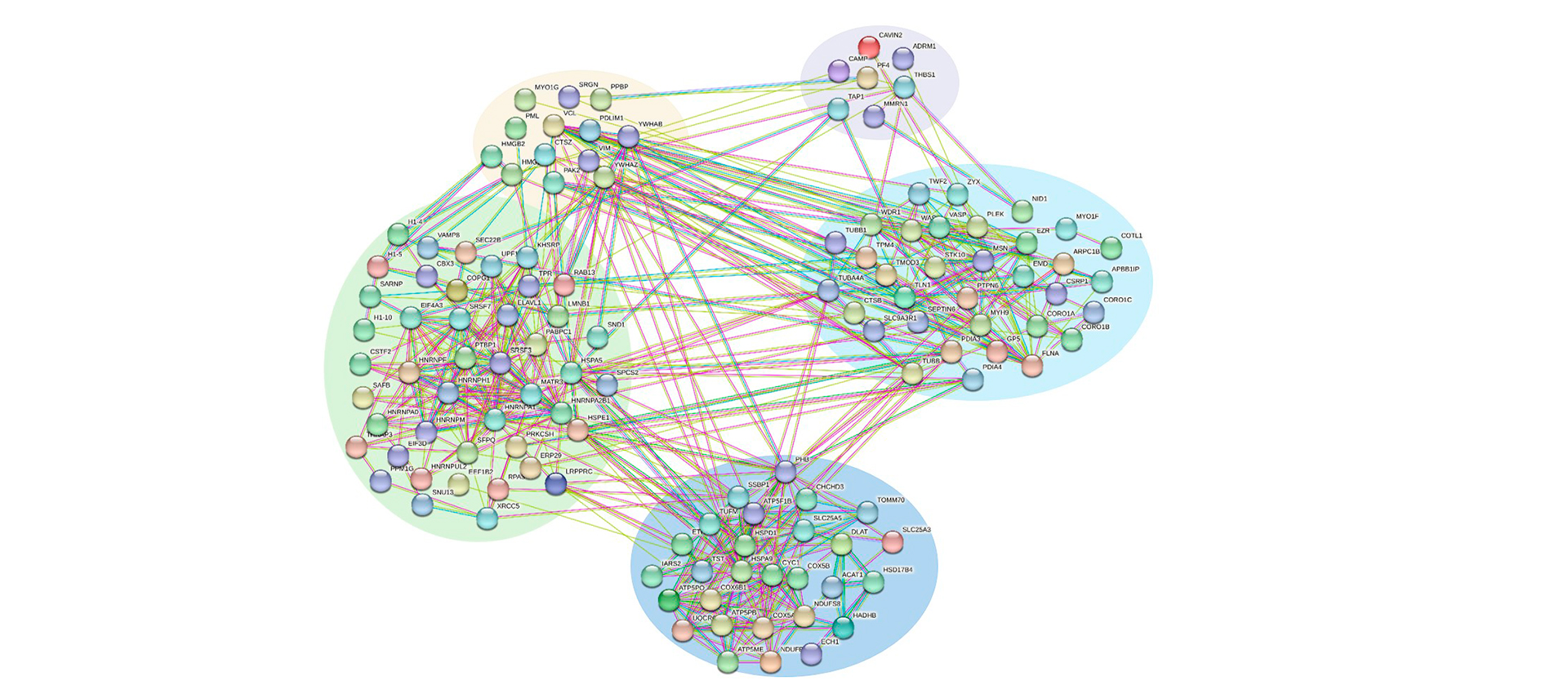
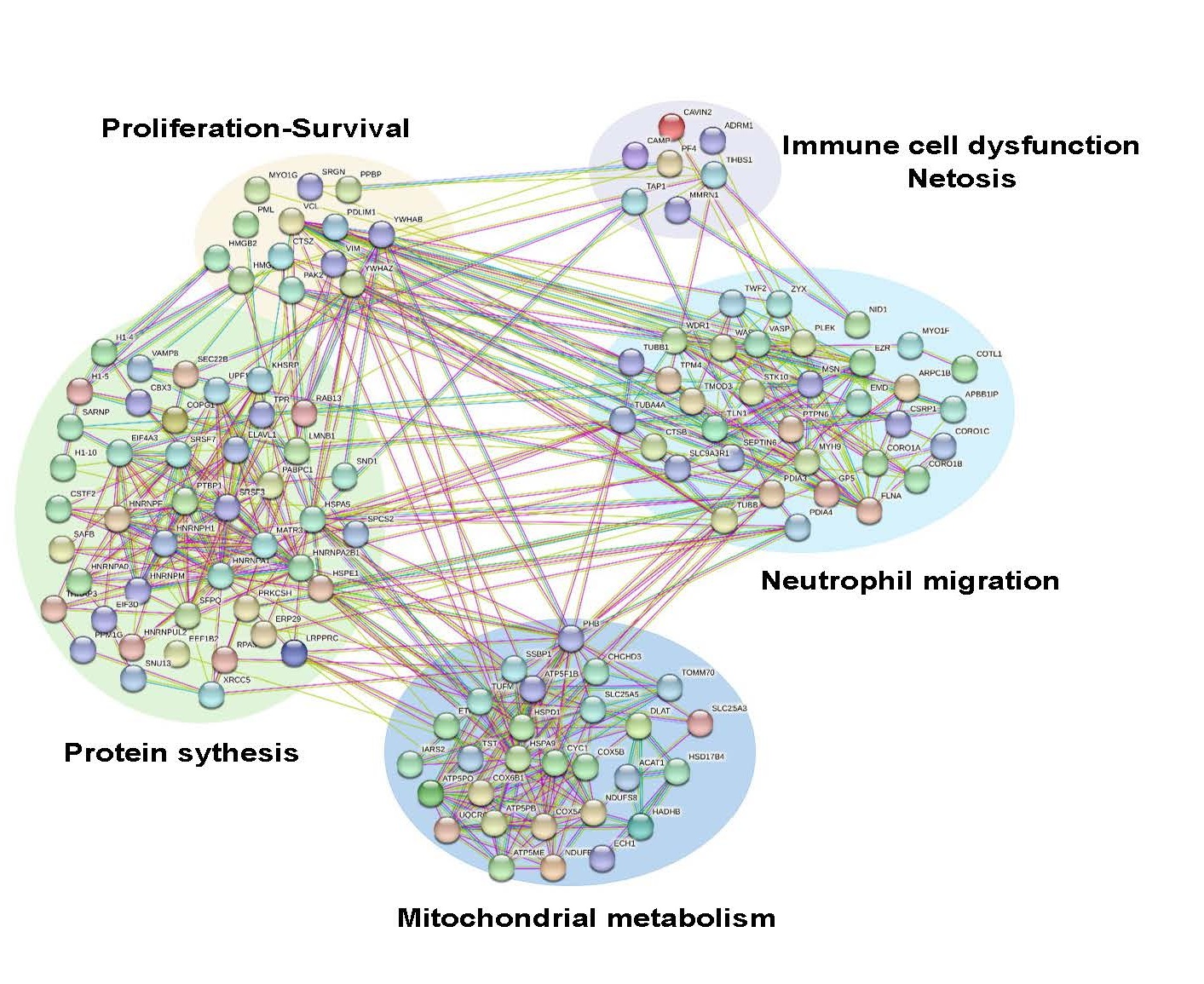
Figure 2: Subgroups of proteins overexpressed in low-density neutrophils (LDNs) compared with high-density neutrophils (HDNs), organized according to functionality and interactions. Functional interactomes representing proteins overexpressed in LDNs compared with HDNs, grouped by biological function.


 

Categoría
Galería de imágenes
Figure 1
Download Flecha que indica descarga
Figure 2
Download Flecha que indica descarga
Documentación
Vídeo

Ibone Labiano recibe una ayuda postdoctoral de la Asociación Española Contra el Cáncer en Navarra dotada con 160.000 euros

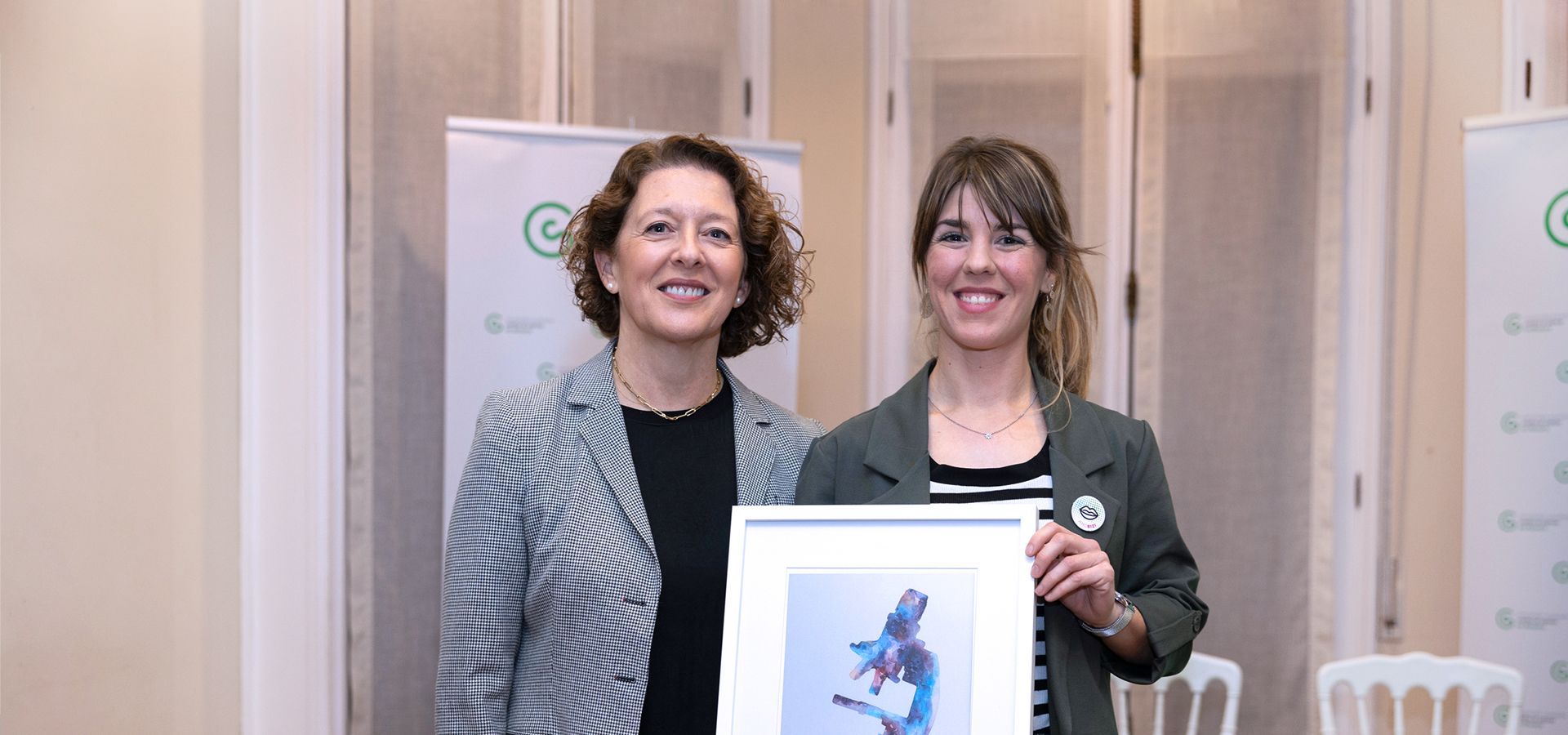
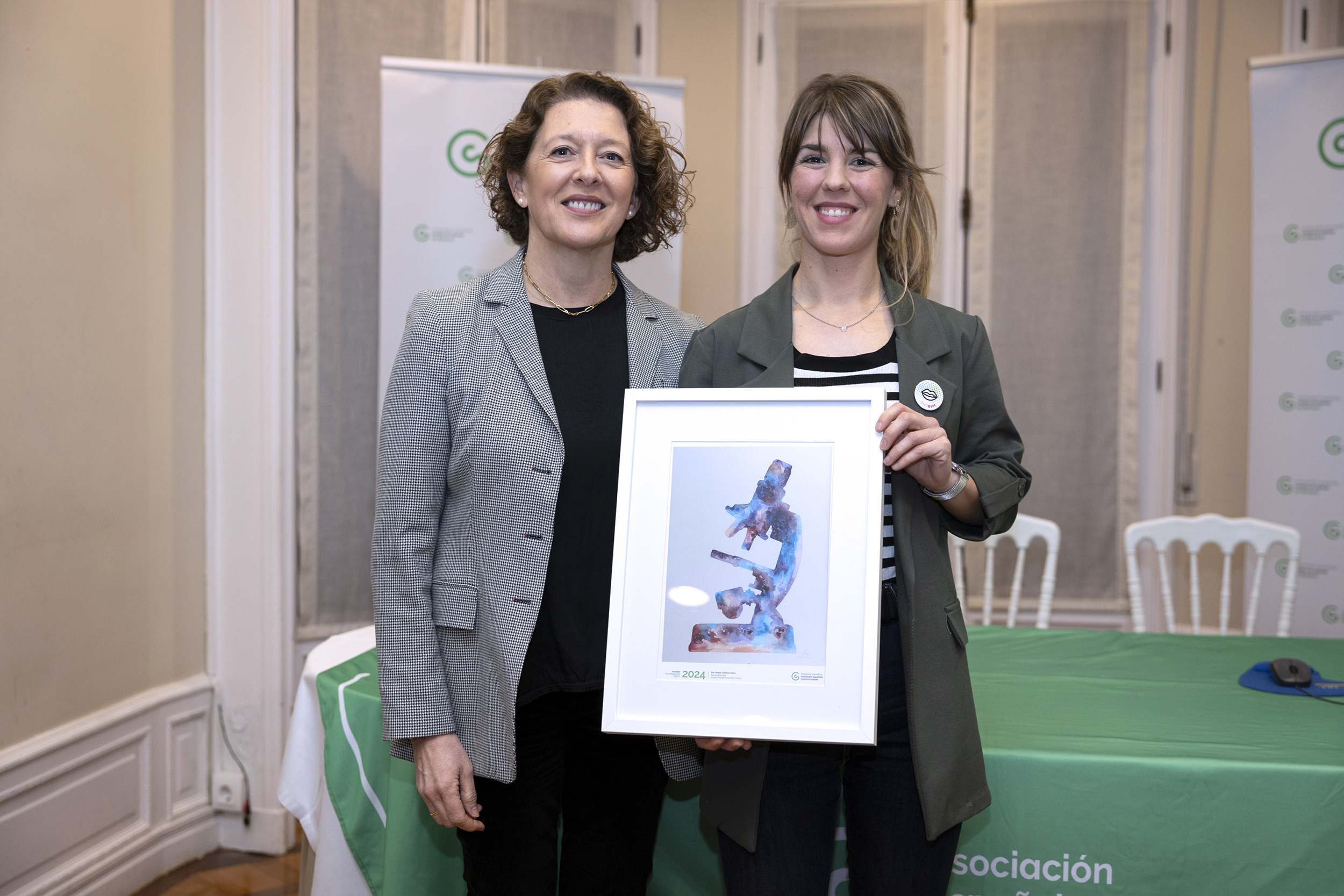
Ruth Vera e Ibone Labiano
Author
Navarrabiomed
  • La Asociación ha adjudicado en Navarra un total de 9 de ayudas por 1.062.655 euros en 2024


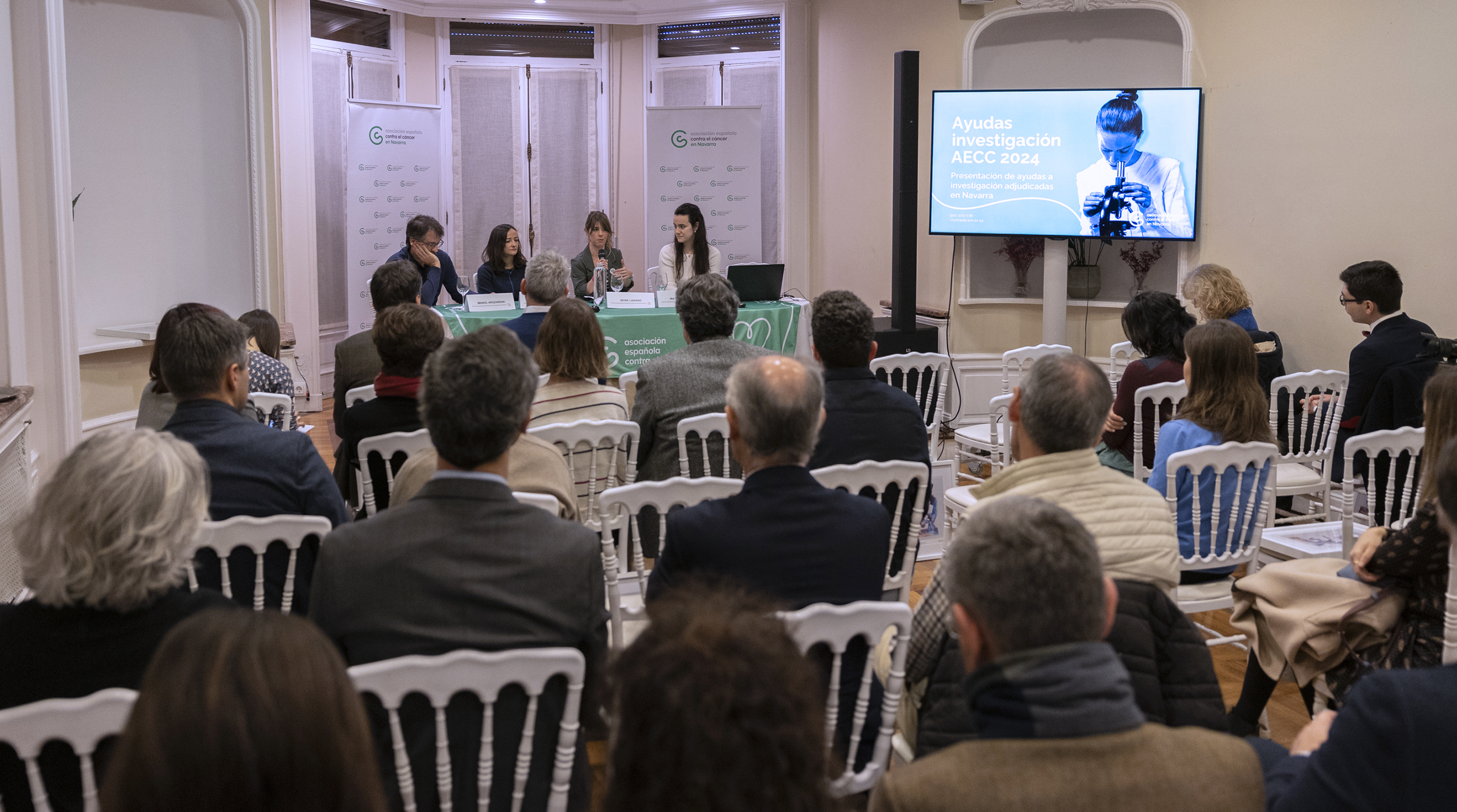
La Asociación Española Contra el Cáncer en Navarra ha presentado esta mañana un total de 9 ayudas por 1.062.655 euros adjudicadas en 2024 en la comunidad foral, y sumando años anteriores hay en total, actualmente en Navarra 47 ayudas en desarrollo con una aportación total de 10.284.688 €. La investigadora de Navarrabiomed Ibone Labiano ha recibido una de las ayudas por valor de 160.000 euros.  

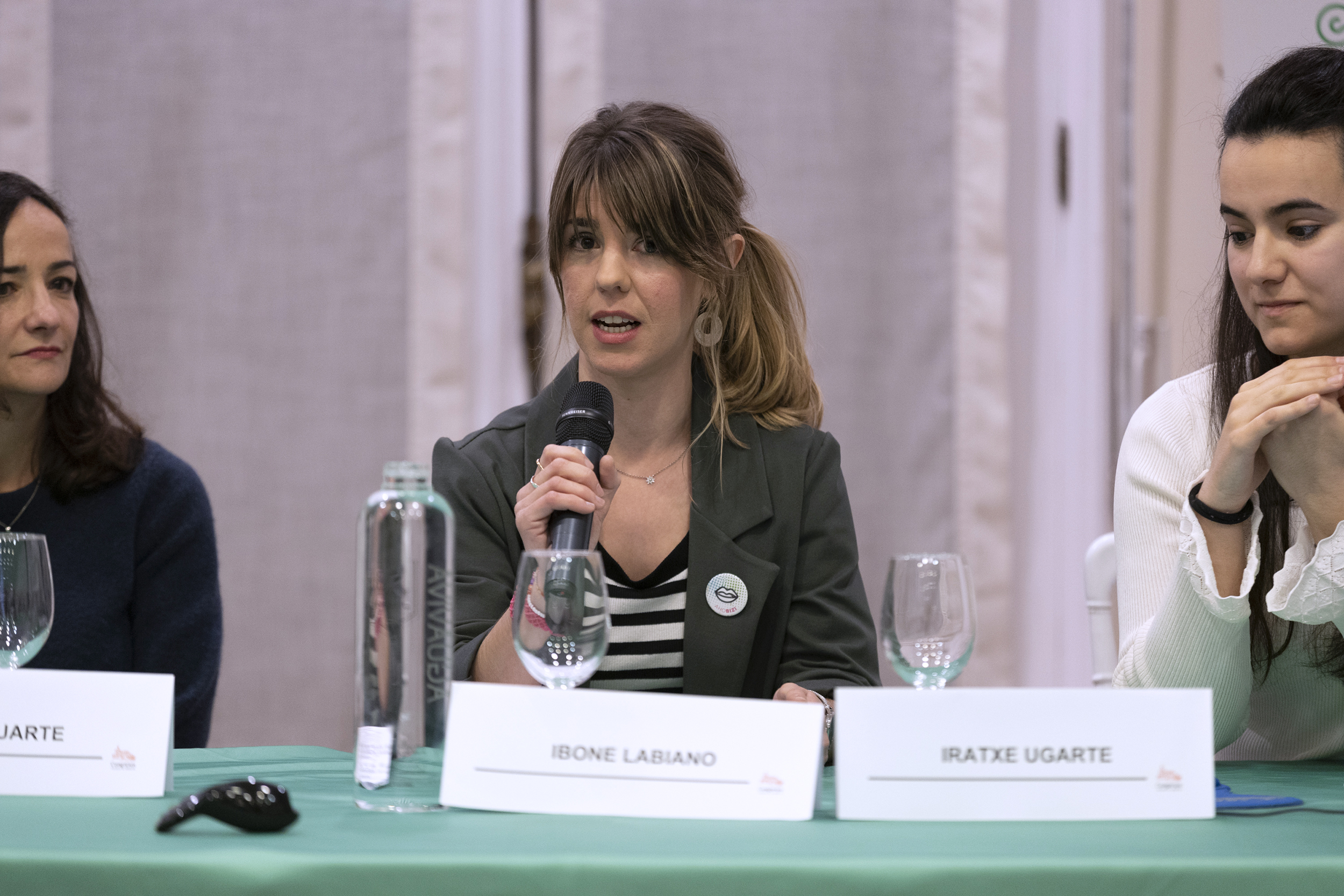
Ibone Labiano forma parte de la Unidad de Oncología Médica Traslacional y en ella investiga las características distintivas del cáncer gastrointestinal de aparición temprana con el objetivo de mejorar el pronóstico y calidad de vida del paciente joven. La investigadora se ha mostrado agradecida e ilusionada por el apoyo de la Asociación, que le permite continuar con su investigación en Navarrabiomed: “Mi proyecto se centra en el cáncer gastrointestinal de aparición temprana, aquel que se diagnostica en pacientes menores de 50 años, y tiene como objetivo mejorar su pronóstico y calidad de vida”. 

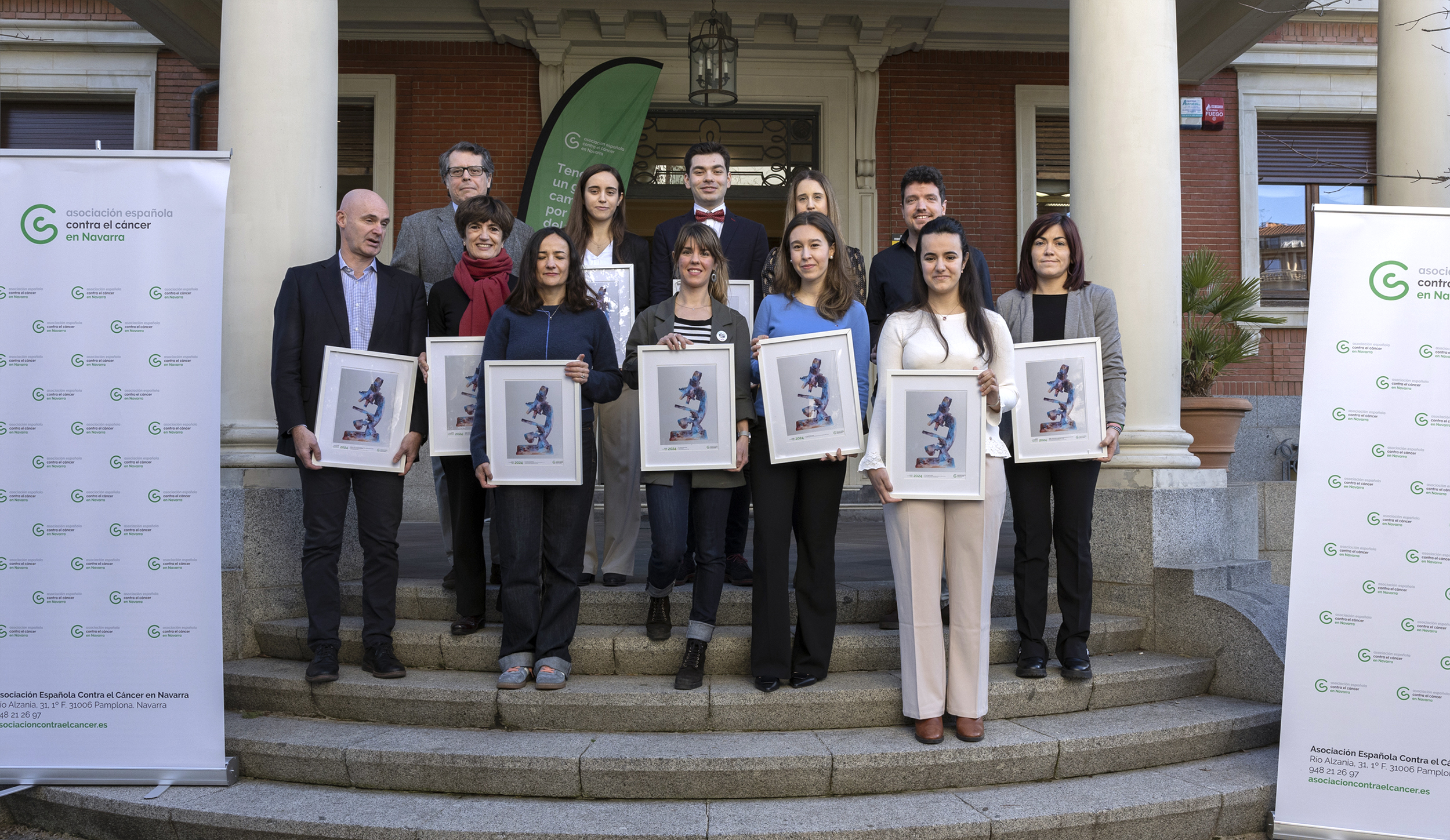
En el acto también han recibido sendas ayudas Sofía Huerga, Paula Rodríguez y Maite Losarcos de UNAV-CCUN; así como a Julio José Jiménez, Iratxe Ugarte, Maite Huarte, Adrián Gil y Miryam Vacas de CIMA-CCUN.
 

Apoyo a la investigación oncológica

La investigación oncológica es una prioridad, ya que en España se diagnostica un caso de cáncer cada 2 minutos, y 1 de cada 2 hombres y 1 de cada 3 mujeres tendrá cáncer a lo largo de su vida. En la comunidad de Navarra fueron diagnosticados en 2024 4.084 casos nuevos de cáncer. La Asociación en Navarra atendió en 2024 a 2.487 personas a través de sus servicios gratuitos atendidos por profesionales

Estas ayudas, como todas las que impulsa la Asociación, tienen como principal objetivo aumentar la supervivencia en cáncer para superar el 70% en el año 2030, mejorar los tratamientos que reciben los pacientes y mejorar su calidad de vida. 

Las Ayudas AECC 2024 cubren todas las fases de la carrera investigadora y sus líneas estratégicas son: 

  • Aumentar la financiación con especial foco en cánceres de baja supervivencia. 
  • Atraer el talento investigador para fomentar la estabilidad laboral de los investigadores. 
  • Impulsar la innovación y la investigación clínica para que los resultados lleguen al paciente. 
     

Reto AECC 70%

Por último, en el acto se han presentado a los grupos navarros que participan dentro de los proyectos de Reto AECC 70% Supervivencia, enfocados en la investigación de cánceres de baja supervivencia. Ésta es la mayor ayuda para investigar tumores de baja supervivencia como los cánceres de pulmón y de hígado y contribuye al objetivo de la Asociación para superar el 70% de supervivencia en cáncer en 2030: un total de 18 millones de euros a escala nacional. 

Una ayuda para la investigación del cáncer de pulmón de células pequeñas por un importe de 10 millones de euros y con una amplia representación geográfica; y una ayuda para la investigación del cáncer de hígado con una inversión de 8 millones de euros. 

Categoría
Galería de imágenes
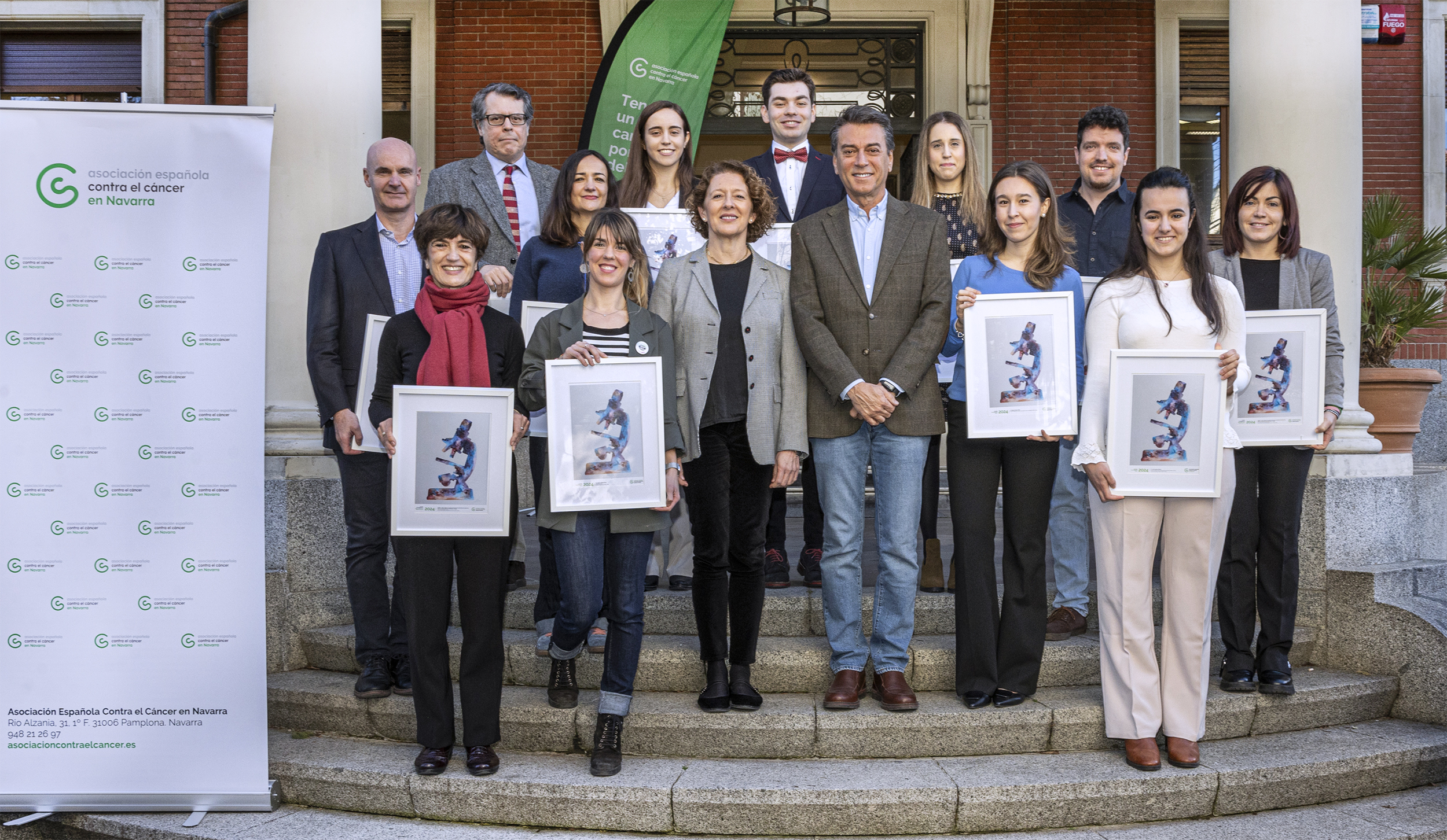
Foto de familia con representantes de AECC y personas beneficiarias.
Download Flecha que indica descarga
Ruth Vera entrega la ayuda a Ibone Labiano.
Download Flecha que indica descarga
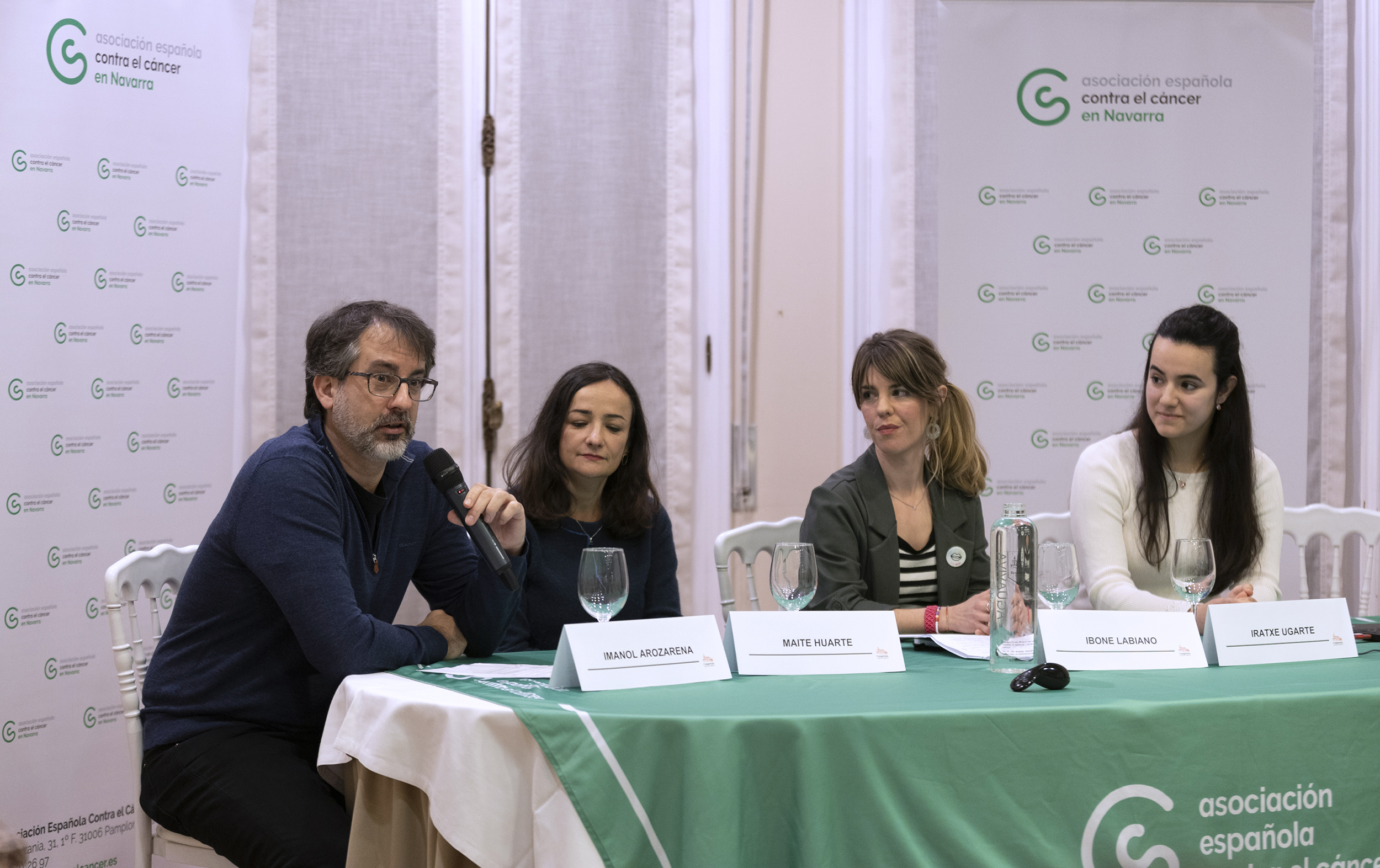
Imanol Arozarena moderó la mesa redonda sobre los proyectos financiados.
Download Flecha que indica descarga
Ibone Labiano durante su intervención.
Download Flecha que indica descarga
Coloquio con investigadoras.
Download Flecha que indica descarga
Beneficiarios/as de las Ayudas AECC 2024.
Download Flecha que indica descarga
Documentación
Vídeo

Researchers at the HUN lead a study funded by the Instituto de Salud Carlos III concerning gastrointestinal cancer in the young population

Investigadores del HUN
Author
Navarrabiomed
  • The project, which also involves researchers from Navarrabiomed and IdiSNA, will be carried out in collaboration with hospitals from a further three autonomous communities.


Researchers from the Hospital Universitario de Navarra (HUN) will coordinate a transversal, multicentre study of early-onset gastrointestinal cancer, considered to be that diagnosed in young patients (less than 50 years of age), in whom the incidence of this type of cancer has increased alarmingly over the past few decades. 

Gastrointestinal cancer included, amongst others, colorectal, gastric and pancreatic tumours, which in Spain are the second, fourth and seventh leading causes of cancer-related death, respectively. In Navarra, colorectal cancer was the second most common tumour last year in both males and females, according to data released this week by the Cancer registry of the Institute for Public and Occupational Health of Navarra (ISPLN) on the world day for that disease, which is held next Sunday (4th February).


The project has been funded via the IdiSNA as part of the R&D&i 2023 call for proposals from the Instituto de Salud Carlos III aimed at healthcare research projects and is headed by the researcher Maria Alsina, a specialist in the Medical Oncology department at the HUN and head of the Translational Medical Oncology Unit at Navarrabiomed, where she is funded by the intensification program set up by the Fundación “la Caixa”, and member of the Oncobiona group at IdiSNA. 


Researchers from Navarrabiomed and IdiSNA are also participating in the study, which is carried out in cooperation with the different departments at the HUN involved in the management of gastrointestinal cancer, namely Anatomical Pathology, Surgery, Digestive, Endocrinology and Nutrition, Radiation Oncology and Radiology. Three healthcare centres from neighbouring autonomous communities, namely the Hospital Universitario Donostia, Hospital Miguel Servet (Zaragoza) and Hospital San Pedro (Logroño), are also collaborating with the study. 


The main objective of the study is to identify the differentiating characteristics of early-onset gastrointestinal cancer in comparison with the later-onset type, both overall, combining the three types of tumours, and for each one separately. To that end, a global approach that includes parameters concerning both the patient’s environment and the disease itself, will be applied. Thus, demographic and clinical variables and others related to their lifestyle, as well as histopathological data for the tumour, will be collected for each patient included in the study. 


Sample of 240 patients in a limited geographical setting


It is expected that up to 240 patients (80 younger than 50 years and 160 who have developed this disease at an older age) will participate in the study. The geographical setting for the sample is the north of Spain, therefore the collaboration of the aforementioned hospitals is required. The heads of the research consider that the availability of real-life data for patients diagnosed in a limited setting may help to better understand this type of cancer in our environment and allow prevention strategies to be developed, especially as regards healthy lifestyle habits. In this sense, it should be noted that the majority of cases of early-onset gastrointestinal cancer occur due to environmental, lifestyle and behavioural, nutritional and biological factors rather than being hereditary.

In addition to the preventive approach, a more in-depth understanding of the onset of tumours in young patients may also help the diagnostic and therapeutic approach in this population group. The availability of data that allow an early diagnosis will increase the probability of effective curative treatments and reduce the impact of the disease on the life of these patients (educational or work activities, responsibilities for children or family members) and increase their potential longevity.

In addition, young patients with digestive tumours face unique challenges and needs, such as possible effects on their body image after aggressive surgery, or potential long-term side-effects of chemo- and radiotherapy treatments on their cardiovascular, sexual and reproductive health, in addition to the possible influence on the onset of new neoplasms.
 

Categoría
Galería de imágenes
Profesionales de Oncología del HUN, Navarrabiomed e IdiSNA.
Download Flecha que indica descarga
Documentación
Vídeo

The Spanish Society of Medical Oncology (SEOM) acknowledges Maria Alsina and Hugo Arasanz, HUN oncologists and researchers at Navarrabiomed

Author
Navarrabiomed

Professionals from the Medical Oncology Service of the University Hospital of Navarra (HUN) and Navarrabiomed have received two fellowships and an award during the annual congress of the Spanish Society of Medical Oncology (SEOM) 2023, held in Barcelona from the 19th to the 22nd of September. 

In particular, Maria Alsina Maqueda  MD PhD has received the SEOM Fellowship for Research Projects for 'Predictive biomarkers of response to RAPID scheme neoadjuvance in locally advanced rectal cancer: impact of the intestinal microbiome and the presence of circulating tumour DNA (ctDNA)’, in which several HUN services are also involved. For his part, Hugo Arasanz Esteban MD PhD has been awarded the SEOM Fellowship for Translational Research Projects in Immuno-Oncology for the project 'Circulating low density neutrophils and their role in immunotherapy resistance in non-small cell lung cancer. Potential as a predictive biomarker’. 

Both Medical Oncology specialists dedicate part of their time to research at the Oncobiona group of Navarrabiomed. Dr Alsina researches through the Navarrabiomed intensification program funded by La Caixa Foundation and Dr Arasanz thanks to the 2019 AECC Junior Clinical Fellowship, from the Spanish Association against Cancer.
 

Categoría
Galería de imágenes
Professionals of the Medical Oncology Service of the HUN.
Download Flecha que indica descarga
Hugo Arasanz Esteban.
Download Flecha que indica descarga
Maria Alsina Maqueda.
Download Flecha que indica descarga
Documentación
Vídeo

The Linterna project goes forward in cancer immunotherapy techniques and identifies a protein that may be effective in stopping the progression of lung cancer

Author
Gobierno de Navarra
  • Professionals from Navarrabiomed and the University Hospital of Navarra have participated in this multicentre project led by the Cima of the University of Navarra


The Department of Economic and Business Development has subsidized, through the call for Grants for Strategic R&D Projects for the period 2020-2022, the Linterna project, which seeks to advance immunotherapy techniques to fight cancer. Specifically, the project has managed to identify a biomarker that may be effective in stopping the progression of lung cancer. In addition, genomic analysis techniques have been used in subjects with tobacco-induced lung cancer under this project. This has allowed both to advance in the identification and to develop new therapeutic approaches. 

The main objective of the Linterna project (Leadership and INnovation in Cancer immunoTHErapy from NAvarra) is to bring together the work of different institutions that are developing immunotherapy strategies to fight cancer. This technique is based on enhancing the body's own defences versus, for example, techniques that are based on supplying chemicals outside the body.

The whole development has been carried out by a consortium led by the Cima - University of Navarra and in which  University Hospital of Navarra (Medical Oncology Service), the University of Navarra Clinic, Navarrabiomed (Units of Oncoimmunology and of Translational Medical Oncology), ADItech and the pharmaceutical company Medibiopharma have also participated.

During the development of the project, non-cellular markers have been searched for in plasma samples from patients. For this, high-performance analytical techniques have been used. Thanks to this work, fractalkine has been identified, which is a small protein that helps control the growth and activity of other cells, as a biomarker of response to immunotherapy. This discovery will make it possible to develop new, more effective treatments by combining this protein with current therapies.


Categoría
Galería de imágenes
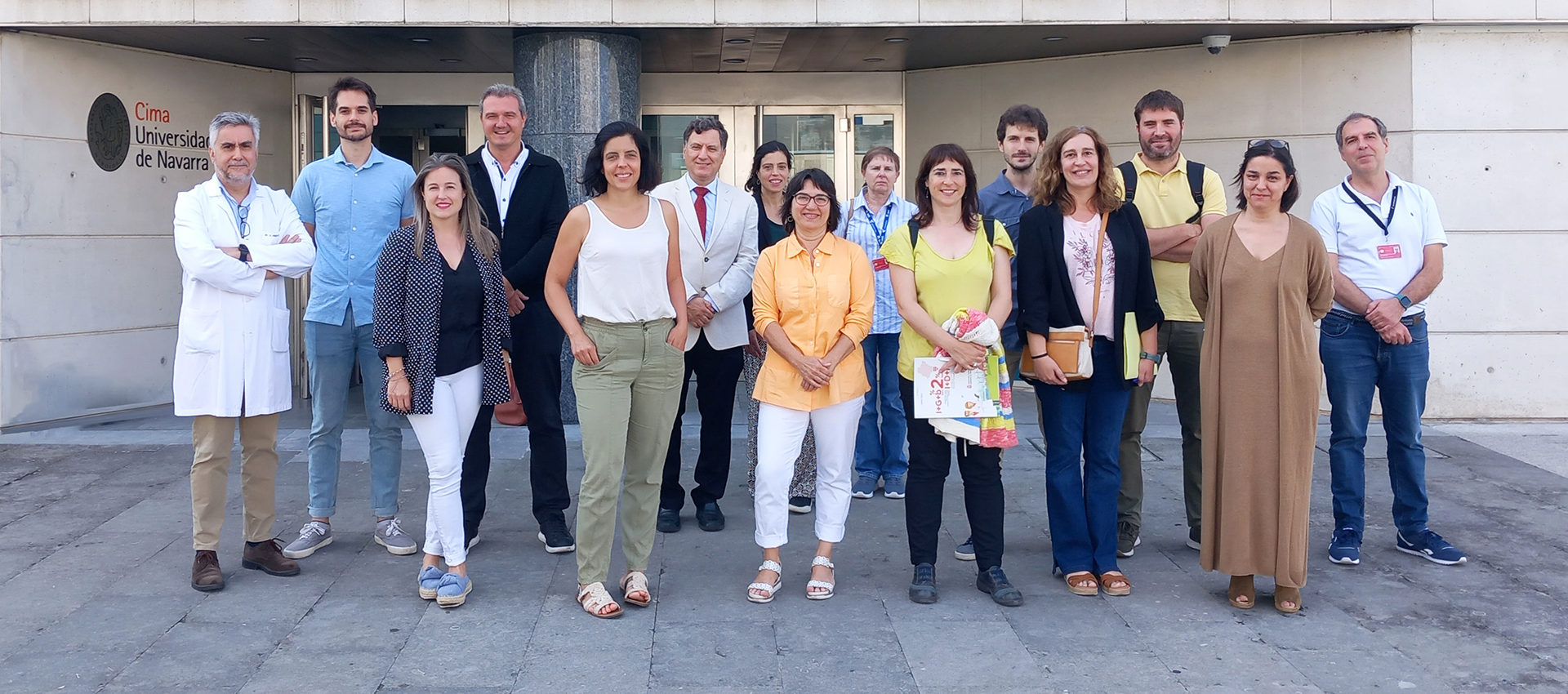
Miembros del consorcio que ha desarrollado el proyecto Linterna, junto a técnicos del Gobierno de Navarra y del CEIN, durante la visita de cierre del proyecto
Download Flecha que indica descarga
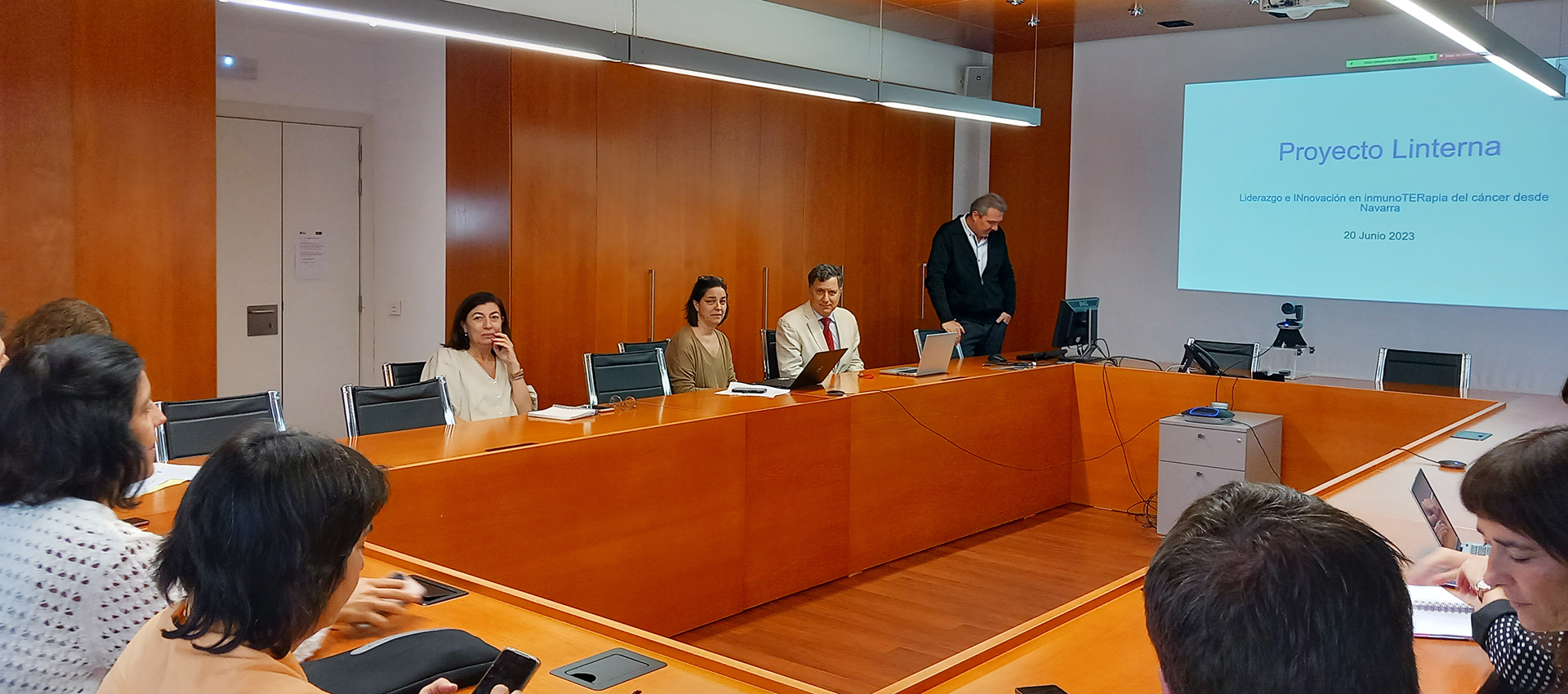
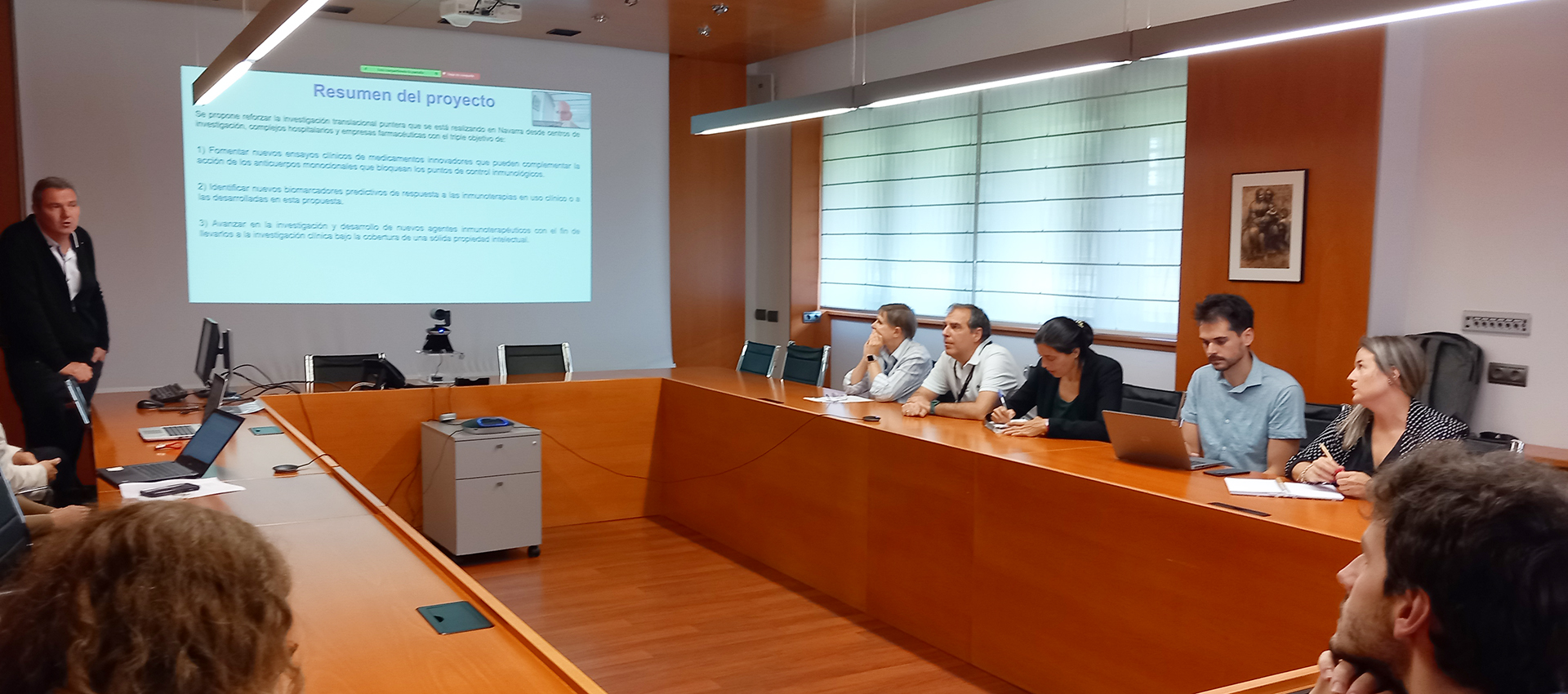
Reunión del consorcio con representantes del Gobierno de Navarra
Download Flecha que indica descarga
Reunión del consorcio con representantes del Gobierno de Navarra
Download Flecha que indica descarga
Documentación

The oncologist Maria Alsina and the internal medicine physician Iñigo Les, beneficiaries of the second Navarrabiomed - Fundación “la Caixa” Intensification Program

Author
F. "la Caixa" y Navarrabiomed
  • This program allows specialists at the HUN to dedicate part of their working day to research.


The Hospital Universitario de Navarra (HUN) specialists Maria Alsina and Iñigo Les have been awarded funding as part of the second Navarrabiomed Intensification Program financed by the Fundación “la Caixa”. The aim of this initiative is to stimulate, promote and consolidate research activities at the Hospital Universitario de Navarra. 

The funds provided by the Fundación “la Caixa” have allowed two new researchers to be incorporated into the oncology and internal medicine departments. During the next two years, these researchers will have access to support staff, installations and equipment that will allow them to conduct their own projects at the research centre. 
Specifically, they will be able to dedicate half their working day at the HUN to research activities at Navarrabiomed. The intention is to provide professionals from various medical specialities with the time and resources needed to conduct translational research, in other words studies at the intersection between basic laboratory research and clinical practice.

Description of the research  


As a result of the intensification program, Iñigo Les Bujanda has established the Immune-Mediated and Inflammatory Diseases Unit, where he will conduct a prospective study, observational, multicentre study to investigate the utility of a a battery of autoantibodies as a predictor for immune-mediated adverse events in cancer patients treated with immunotherapy. This study will also result in the creation of registries, in other words prospective databases that can be used in the short to medium term, and libraries of biological samples from these autoimmune and autoinflammatory diseases. These activities will strengthen the research activity of the Internal Medicine Department. 

In the Translational Medical Oncology Department, Maria Alsina Maqueda will continue with projects and collaborations already under way in the Medical Oncology Department at the HUN. In addition, she will establish the hospital circuits required to expand the biological sample libraries for the population of Navarra with cancer, and will initiate new translational research projects in the field of gastrointestinal cancer, particularly in early-onset cancer (patients aged less than 59 years).

First edition of the program

The first call for proposals for this program was published in 2018 and allowed the incorporation of four medical specialists in different departments at the HUN: Eduardo Albéniz Arbizu (Digestive Department), Nicolás Martínez-Velilla (Geriatrics Department), Antonio Viúdez Berral (Medical Oncology Department) and Esozia Arroabarren Alemán (Allergology Department). The program also allowed the neurologist and researcher Maite Mendioroz Iriarte, who is currently head of Navarrabiomed – Fundación Miguel Servet, to consolidate her research activity.

Categoría
Galería de imágenes
Maite Mendioroz, Maria Alsina, Iñigo Les e Izaskun Azcona (F. "la Caixa").
Download Flecha que indica descarga
Documentación
Vídeo
Colaboraciones Logotipos
Documentation
Vídeo
Visor 360º
Colaboradores/as
Unidad de investigación / Grupo Vinculado
Contacto

Navarrabiomed-Centro de Investigación Biomédica
Hospital Universitario de Navarra, edificio de investigación.
C/ Irunlarrea 3. 31008 Pamplona, Navarra. España

No mostrar en listados de Unidades de Investigación
Off

Inflammatory and immune-mediated diseases

Inflammatory

Transversal and multidisciplinary profile group focused on clinical and translational research of inflammatory and immune-mediated diseases, including autoinflammatory and autoimmune diseases. It promotes its own studies and participates in multicenter projects, both national and international, with observational and intervention designs. It has been promoter of clinical trials both funded and independent.

Research lines:

  • Characterization of patients with systemic autoimmune and autoinflammatory diseases in the Unit of Systemic Autoimmune Diseases of the HUN (UEAS-HUN).
  • Promote and collaborate with clinical trials related to systemic or autoinflammatory autoimmune diseases.
  • Clinical and prognostic characterization of autoimmune diseases in pregnancy and postpartum.
  • Clinical characterization of patients with uveitis, scleritis, episcleritis and inflammatory ocular pathology treated at the (UEAS-HUN).
  • Identification of risk markers for immunomediated toxicity in patients with cancer treated with immune checkpoint inhibitors.
     
Investigador principal
Equipo de investigadores
Área de investigación
Immune & infectious inflammatory diseases
Enfermedades inflamatorias e inmunomediadas
Colaboraciones Logotipos
Documentation
Vídeo
Visor 360º
Colaboradores/as
Arnáez Solís, Rubén
Medicina Interna – Hospital Universitario de Navarra
Compains Silva, Esther
Oftalmología – Hospital Universitario de Navarra
Elejalde Guerra, Iñaki
Medicina Interna – Hospital Universitario de Navarra
Gil Sáenz, Francisco José
Pediatría – Hospital Universitario de Navarra
Gonzalo Lázaro, María
Geriatría – Hospital Universitario de Navarra
Heras Mulero, Henar
Oftalmología – Hospital Universitario de Navarra
Larequi García, Amparo
Medicina Interna – Hospital Universitario de Navarra
Méndez López, Iván
Medicina Interna – Hospital Universitario de Navarra
Palacios Álvarez, Irene
Dermatología - Hospital Universitario de Navarra
Unidad de investigación / Grupo Vinculado
Contacto

C/ Irunlarrea 3
Navarrabiomed-Centro de Investigación Biomédica
Complejo Hospitalario de Navarra
31008 Pamplona, Navarra. España

No mostrar en listados de Unidades de Investigación
Off

Protein Crystallography and Structural Immunology

Protein Crystallography

The Protein Crystallography and Structural Immunology Unit investigates the molecular and structural bases that regulate the presentation and recognition of both foreign antigens( those originating from pathogens or tumors) and self-antigens, the latter being associated with autoimmune diseases.

To achieve this, the research team combines protein engineering and structural determination techniques, such as X-ray crystallography, among others.

The studies being conducted are focused on revealing previously deciphered mechanisms and pathways involved in antigen presentation related to the immune response in scenarios of susceptibility to self and foreign antigens. The team's goal is to ensure that the results of their studies contribute to the development of medicines for the treatment and cure of diseases.

Research lines and areas of interest:


•    TCR-pMHC and antibody-antigen structure.
•    In silico design of high-affinity peptides.
•    Molecular Docking
•    TCR-pMHC and Fab-antigen structure.
•    Molecular mimicry.
•    Structural bases of antigen recognition.
•    Pathogen-host interaction.
•    Vaccine development.

Investigador principal
Equipo de investigadores
Área de investigación
Protein structure
Understanding molecular alterations in the immune system
Actualidad

UPNA and Navarrabiomed lead COVID-19 project with €160,000 in funding from Banco Santander

Author
Navarrabiomed


  • Four Catalan institutions are also participating in this project to develop molecules with coronavirus-neutralizing properties

The Supera COVID-19 Fund launched by Banco Santander through Santander Universities, in collaboration with Crue Spanish Universities and the Spanish National Research Council (CSIC), has granted €160,000 in funding to a research project on COVID-19 designed by a consortium made up of Navarrabiomed researchers and four Catalan institutions coordinated by the Universidad Pública de Navarra (UPNA). This project seeks to develop molecules with SARS-CoV-2-neutralizing properties for the treatment of patients requiring hospitalization and clinical supervision due to the infection’s severity.

These molecules are based on peptides specific to the ACE2 receptor that can reduce or halt the ability of SARS-CoV-2 to cause infection. “These molecules reproduce the human receptor region the virus attaches to,” explained project leader Jacinto López Sagaseta, from the Protein Crystallography Unit at the Navarrabiomed Biomedical Research Center. “We are trying to create molecules from this region that have a greater capacity to bind to the viral particle, which would hinder the virus’s ability to attach to the natural receptor and thus slow down infection.” According to López, these molecules may “help chemists design drugs that can mitigate the process and speed of infection and thereby facilitate patients’ clinical recovery”.

In order to implement the 12-month project, a consortium was set up of researchers from different disciplines, including chemical synthesis, protein engineering, structural analysis and cell biology, as well as specialists in the conditions of biosafety level three (BSL3, for laboratories, on a scale of one to four), to test the potential of these molecules. Specifically, besides Navarrabiomed and the UPNA, four Barcelona research institutions are also participating in the project: IRB Barcelona (Institute for Research in Biomedicine), IQAC-CSIC (Institute for Advanced Chemistry of Catalonia), CIBER-BBN (Bioengineering, Biomaterials and Nanomedicine Subject Area of the CIBER Biomedical Research Center), and IRTA (Institute of Agrifood Research and Technology). Besides Jacinto López Sagaseta, other Navarrabiomed researchers taking part in this research project include Gilda Dichiara Rodríguez, Elena Erausquin Arrondo and Ane Ochoa Echevarría, who are members of the Protein Crystallography Unit.
The consortium members hope that “the availability of molecules with a strong inhibitory effect will significantly mitigate the socioeconomic impact of the pandemic due to the persistence of current and/or future SARS-CoV-2 outbreaks, as well as outbreaks of other potentially harmful coronaviruses with similar entry routes,” said López.

€8.5 million fund

The €8.5 million Supera COVID-19 Fund has been earmarked for projects of different organizations that are based on the fund’s three-pronged strategic approach against COVID-19: research on the virus and its prevention, research on its social impact, and strengthening universities’ technological capacity and reducing the digital divide. A total of 700 grant applications were submitted, of which 35 were selected and received funding to the tune of €5 million to carry out applied research against the virus. Nearly €1 million was also distributed to twelve projects on the social impact of the virus. Finally, €2.5 million will be allocated to supply young university students in unfavorable socioeconomic situations throughout Spain with nearly 5,000 computers and 15,000 Internet connectivity solutions and webcams.

Categoría
Documentación

President applauds Navarre talent and skills in biomedicine at meeting with research personnel fighting COVID-19

Author
Navarrabiomed
  • The Government of Navarre provided €1.1 million in funding for eight research projects and has now added two more Navarre initiatives to the list of recipients of funding from the Carlos III Health Institute

María Chivite, the President of the Government of Navarre, recognized “the good work” being done at research centers and institutes in the Region of Navarre to find alternatives that help alleviate the effects of COVID-19. She spoke in the context of a meeting she attended this morning with ten researchers in charge of their own publicly funded studies on this disease, which has caused 515 deaths in Navarre and more than 27,000 in all of Spain.

The meeting was also attended by Santos Induráin, the Minister of Health, and Juan Cruz Cigudosa, the Minister of University, Innovation and Digital Transformation, and provided a firsthand opportunity to learn about the research purpose of the projects that have received grants from the Navarre COVI+D Fund. Created by the Government of Navarre to promote research on this topic, the fund paid out €1.1 million in May to eight projects that had received a favorable assessment from the Carlos III Health Institute. The Carlos III Health Institute has also provided direct funding of €232,000 for two other Navarre research projects.

Chivite took advantage of the forum to remind the participants of the Government of Navarre’s commitment to innovation and research “as a model of economic and social development,” not just through these grants, but also by means of the R&D&i Emergency Plan, presented last week, and the Reactivate Navarre Plan / Nafarroa Suspertu 2020-2023. The Government is also committed to improving technological infrastructure and promoting supra-regional cooperation. “We want Navarre to lead the way in biomedicine because we have the talent and skills to do just that. It’s one of the strategic areas we’re working on. We have to be able to transfer knowledge and research to favor industrial and technological development,” she said, before expressing her confidence that Navarre will become “a key stop on the R&D&i map.”

Chivite confirmed that the goal of the Government of Navarre is “to keep increasing investment and setting up strong pillars for the model of growth.” Navarre will thus be prepared for future challenges of the likes of COVID-19.

Chivite informed the researchers of the public support of their research work, though “people are aware of the pressure you’re under when you’re studying this coronavirus, because of the high expectations about finding a vaccine, treatments and other aspects that could alleviate the effects of a virus that has had a major impact on our society.” She asked for respect “for the time frames, rigor and meticulousness” of the researcher’s work, and also expressed hope that this work would promote “true and instructive information” that avoids fake news and disinformation in society as a whole.
 

Ten projects

In addition to President Chivite, the meeting was attended by Rosario Martínez, the Director General for Innovation. Also attending were the researchers from the ten projects that received public funding: Luis Martínez de Morentin, Fermín Mallor Giménez, Borja Sáez Ochoa, Natalia Ramírez Huerto, Jacinto López Sagaseta, Pablo Sarobe Ugarriza, Patricia Fanlo Mateo, David Escors Murugarren, Jesús Castilla Catalán and Leyre Ruete Ibarrola, who attended in representation of Beatriz Lacruz Escalada. They were joined by the heads of the different research centers where the projects are being carried out. This group included María Rosario Luquin, the Scientific Director of  the Navarre Health Research Institute (IdiSNA), Claudio Fernández, the Director of the Lurederra Foundation, and Íñigo Lasa Uzcudun, the Director of Navarrabiomed.

The directors of the ten research projects presented their lines of research, which include the study of possible vaccines, the use of specific drugs, resource management, the development of preventive measures and products, and the analysis of incidence bearing in mind sociodemographic characteristics and other conditioning factors.

The Government of Navarre aims to promote Navarre innovation and national prominence through the COVI+D Fund grants. But the goal is also to attract scientific talent, given the fact that these grants include staff payroll expenses.

Categoría
Galería de imágenes
Meeting with President Chivite and research personnel working on ten different projects to fight the effects of COVID-19.
Download Flecha que indica descarga
Picture of the meeting.
Download Flecha que indica descarga
Left to right: Santos Induráin, María Chivite and Juan Cruz Cigudosa.
Download Flecha que indica descarga
Documentación
Vídeo
Meeting with President Chivite and research personnel working on projects about COVID-19.
Visor 360º
360º Virtual Tour
Protein Crystallography
Lab
Unidad de investigación / Grupo Vinculado
Contacto
Protein Crystallography

Navarrabiomed - Centro de investigación biomédica
Complejo Hospitalario de Navarra, edificio de investigación.
Calle Irunlarrea, 3. 31008 Pamplona, Navarra, España. 

No mostrar en listados de Unidades de Investigación
Off

Algebra and Applications

Algebra and Applications

The Algebra and Applications Research Unit is a multidisciplinary group formed by mathematicians and engineers. Currently, its research lines focus on developing theoretical methods for extracting information from data coming from different sources. The techniques and algorithms that are developed are applied in fields such as biomedical data classification, medical decision-making.

Research lines:
•    Development of machine learning methods for multimodal information extraction.
•    Multimodal analysis of human movement. Applications for improving functional capacity and rehabilitation outcomes.
•    Optimization techniques for extracting information from biological signals obtained with non-invasive techniques.
•    Aggregation and implication functions: Applications in data classification problems and decision making under uncertainty
 

Investigador principal
Área de investigación
Big Data & Bioengineering
Algebra and Applications
Colaboraciones Logotipos
Vídeo
Visor 360º
Colaboradores/as
Lecumberri Villamediana, Pablo
Universidad Pública de Navarra
Martínez Ramírez, Alicia
Universidad Pública de Navarra
Millor Muruzabal, Nora
Universidad Pública de Navarra
Uzqueda Esteban, Itziar
Universidad Pública de Navarra
Vidaurre Arbizu, Carmen
Universidad Pública de Navarra
Unidad de investigación / Grupo Vinculado
Contacto
Algebra and Applications

Navarrabiomed - Centro de investigación biomédica
Complejo Hospitalario de Navarra, edificio de investigación.
Calle Irunlarrea, 3. 31008 Pamplona, Navarra, España. 

No mostrar en listados de Unidades de Investigación
Off

Multispectral biosensing

Multispectral biosensing

The Unit is mainly dedicated to the research of sensing platforms and high-sensitivity techniques for the characterization of thin-film and biological substances using concepts of metamaterials, metasurfaces, and plasmonic structures. The research has a multispectral approach, covering the entire extended infrared spectrum from the terahertz band (also called far-infrared) to visible, including mid-infrared and
near-infrared.

Investigador principal
Área de investigación
Big Data & Bioengineering
Thin-film and biological substance characterisation
Vídeo
Beruete Díaz (179)
La invisibilidad a la vista. El investigador de Navarrabiomed y Universidad Pública de Navarra Miguel Beruete explica en 'Teknopolis'(EITB) cómo convertir un objeto en invisible.
Miguel
Beruete Díaz
Head of the Unit
Colaboradores/as
Ederra Urzainqui, Iñigo
Navarrabiomed-Universidad Pública de Navarra
Liberal Olleta, Iñigo
Navarrabiomed-Universidad Pública de Navarra
Unidad de investigación / Grupo Vinculado
Contacto
Multispectral biosensing

Navarrabiomed - Centro de investigación biomédica
Complejo Hospitalario de Navarra, edificio de investigación.
Calle Irunlarrea, 3. 31008 Pamplona, Navarra, España. 

No mostrar en listados de Unidades de Investigación
Off

Physical Activity, Children and Youth

Physical Activity, Children and Youth

Effect of physical activity and exercise on the physical and mental health of both healthy and clinical pediatric population.

Investigador principal
Equipo de investigadores
Área de investigación
Active and healthy life
The impact of physical activity in young people
Actualidad

Experts gathered at UPNA urge health professionals to prescribe physical activity for the prevention of chronic disease

Author
UPNA

Experts gathered at the Public University of Navarra (UPNA) have urged health and sports professionals to become ‘health agents’ by promoting physical activity among young people and pregnant women. Their goal is to improve the health and fitness of the population as a strategy to prevent non-communicable chronic diseases like obesity, heart disease or type 2 diabetes. A symposium was held by UPNA in Pamplona on Thursday 9 May to discuss exercise prescription as a way to improve health in all ages. Organised by the School of Medical Sciences and the Department of Medical Sciences, the event drew some 130 sports, health and biomedical experts.

Two UPNA researchers, who are also members of Navarrabiomed (the joint biomedical research centre of the Government of Navarra and the Public University of Navarra) and the Navarra Medical Research Institute (IdiSNA), delivered speeches: Mikel Izquierdo Redín, organiser the event, and Robinson Ramírez-Vélez. Mikel Izquierdo talked about strength training and the functions of the muscular system, ‘which a number of health professionals consider important for improving health and recovering from diseases linked with a sedentary lifestyle and population ageing, as well as for optimising sport performance after muscle injury.’ He debunked some of the myths created by pseudo-therapies in connection with strength training and improved muscle function. He said that muscle loss is not an inevitable outcome of ageing, as it can be prevented with proper training. He also observed that it is not true that children cannot do strength training exercises; on the contrary, they can, as long as they engage in controlled movements that are suitable for their age. He insisted that fitness ‘always’ offers benefits to patients who suffer from diseases such as type 2 diabetes and denied that the best muscle training is the one associated with extreme fatigue.
Finally, Izquierdo questioned the effectiveness and validity of the Kinesio Taping Method (which consists in applying elastic strips on muscles to treat pain), hypopressive techniques, electro stimulation suits and muscle roller sticks.

Health and pregnancy

Robinson Ramírez-Vélez said that, despite the efforts made to prevent non-communicable chronic disease, such as promoting healthy habits like physical exercise, a balanced diet, a good night’s sleep, quitting smoking and drinking, and so on, ‘we have failed to obtain the desired results.’ Studies reveal, he added, that ‘the mother’s state of health during pregnancy conditions to some extent the developing baby’s health later in life.’ He highlighted the importance of physical activity in children and adolescents – both aerobic exercise and resistance/strength training. Also, he insisted that health professionals should prescribe physical activity in all stages of life, even pregnancy.

The closing lecture was delivered by Antonio García-Hermoso, of Navarrabiomed and IdiSNA. He showed his disappointment in the fact that ‘Physical Education in school is not considered to be as important as subjects.’ He cited important international studies concluding that ‘exercise in youth is good for both physical and mental wellbeing.’ Finally, García-Hermoso recommended that ‘sports should be given the importance they deserve in primary, secondary and higher education.’

Categoría
Galería de imágenes
Antonio García-Hermoso, Mikel Izquierdo and Robinson Ramírez.
Download Flecha que indica descarga
Attendants.
Download Flecha que indica descarga
Documentación
Vídeo
Visor 360º
360º Virtual Tour
Functional training space
Installations
Unidad de investigación / Grupo Vinculado
Contacto
Physical Activity, Children and Youth

Navarrabiomed - Centro de investigación biomédica
Complejo Hospitalario de Navarra, edificio de investigación.
Calle Irunlarrea, 3. 31008 Pamplona, Navarra, España. 

No mostrar en listados de Unidades de Investigación
Off

Microbial Pathogenesis

Microbial Pathogenesis

The objective of the Microbial Pathogenesis Research Unit is to understand, at the molecular level, how pathogenic bacteria grow adhered to the surface of medical devices or tissues, producing infections that do not respond to antibiotic treatment and therefore often become chronic. To study this form of bacterial growth, which is called biofilm, the group employs genetic engineering approaches, omics technologies, synthetic biology and animal experimentation models. The ultimate aim of their research is to identify the critical elements of the biofilm formation process in order to prevent its formation, eliminate already formed biofilms, improve existing treatments or promote the formation of biofilms of non-pathogenic bacteria for therapeutic purposes.

Research lines:
•    Signal transduction mechanisms in bacteria.
Development of bacteria for therapeutic purposes and identification of new targets for the treatment of infections.
•    Study of bacterial adhesion to abiotic surfaces, such as medical implants and tissues.
 

Investigador principal
Área de investigación
Immune & infectious inflammatory diseases
Favouring the formation of non-pathogenic bacteria biofilm for therapeutic purposes
Actualidad

Microbial Pathogenesis Unit of Navarrabiomed-UPNA identifies new gene structure in bacteria that may trigger novel developments in the fields of synthetic biology and bacterial biotechnology

Author
Navarrabiomed

The Microbial Pathogenesis Unit of Navarrabiomed-Public University of Navarra (UPNA) has found a new genetic organisation in bacteria that helps better understand bacterial biology. The study of this genetic architecture was published in Proceedings of the National Academy of Sciences of the United States of America (PNAS).

Research background

In 1961, François Jacob and Jacques Monod discovered that bacteria group the genes that encode the proteins for a certain metabolic pathway in a single transcription unit (which they called ‘operon’). They won the Nobel Prize in Physiology or Medicine in 1965 for their discovery.

The bacteria they chose for their study was Escherichia coli, which normally lives in the intestines of healthy people; specifically, they studied the set of genes E. coli bacteria need to transport lactose (milk sugar) and break it down. E. coli only produces the three proteins it needs to digest lactose when the sugar is available. To simplify transcription regulation, the three genes involved are adjacent in the genome and under a single regulation system. Similar transcriptional regulation systems are found in other metabolic pathways in all bacteria.

Research at Navarrabiomed

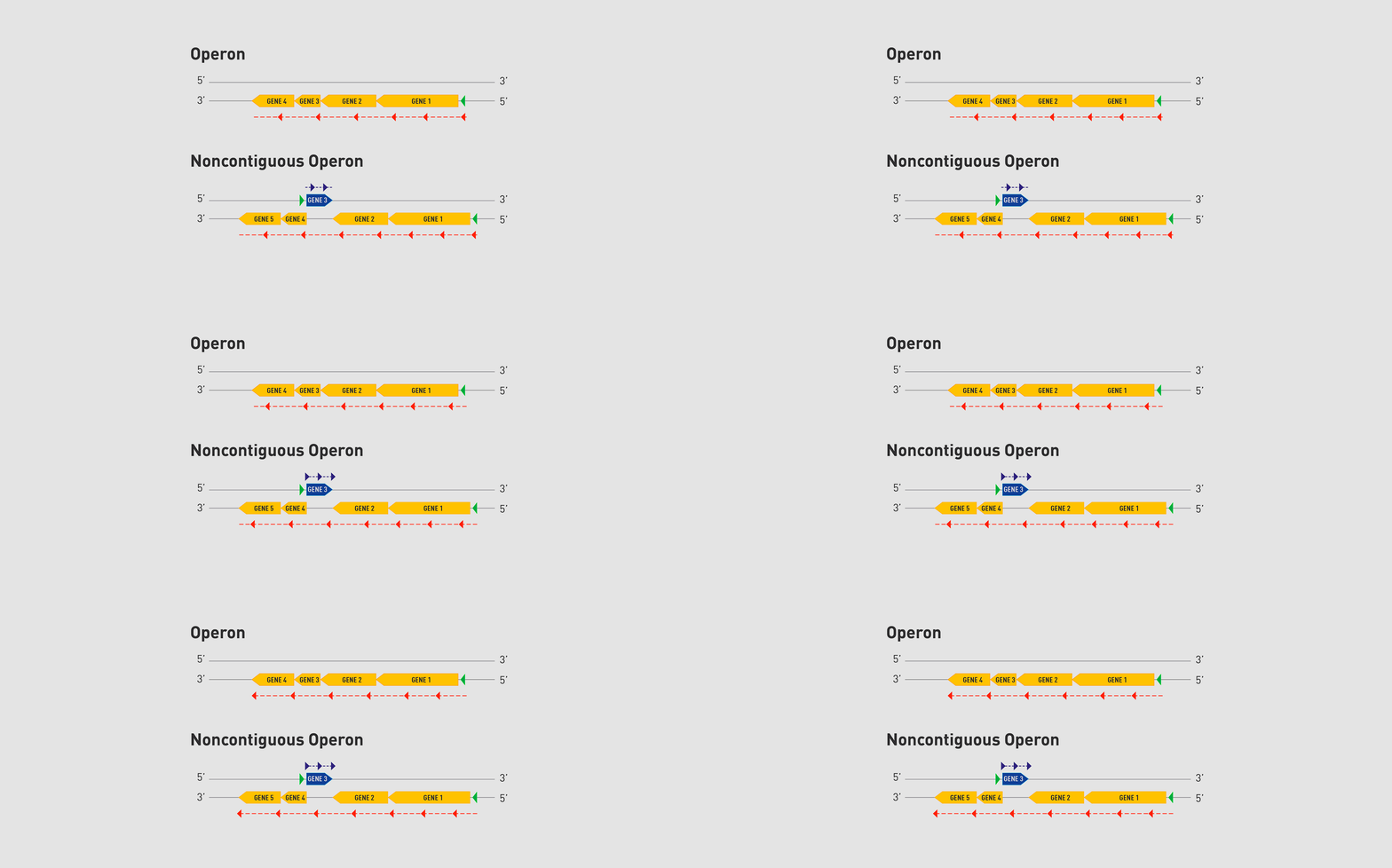
In 2018, the team of researchers at Navarrabiomed coordinated by Iñigo Lasa Uzcudun, Head of the Microbial Pathogenesis Unit and Director of the biomedical research centre, described a new way genes are organised in bacteria. This regulation system has a higher level of regulation in operon structure, which the authors of the study named ‘non-contiguous operon’.

The bacterial model analysed has a group of four genes that are transcribed as a transcription unit despite the existence of a separate gene between the second and third genes that is transcribed in the opposite direction.

This transcriptional architecture results in an antisense transcript that acts as a mutual regulation system for the expression of the genes in the operon and the gene that produces this antisense transcript. Therefore, the concept of non-contiguous operon includes not only the genes transcribed from the same transcription unit but also overlapping genes whose expression is coordinated with that of the genes in the operon.

This finding deepens the understanding of bacterial biology and may trigger novel developments in the fields of synthetic biology and bacterial biotechnology.
The study was carried out as part of the scientific activity done at the Navarra Medical Research Institute (IdiSNA).

Categoría
Documentación
Vídeo

Navarrabiomed y la UPNA caracterizan el sistema sensorial de las bacterias para el desarrollo de antibióticos más eficaces

Author
Navarrabiomed
  • El estudio, financiado por el Ministerio de Economía, ha sido publicado por la prestigiosa revista Nature Communication.
Un equipo científico del centro de investigación biomédica Navarrabiomed -centro mixto del Gobierno de Navarra y la Universidad Pública de Navarra (UPNA)- ha conseguido caracterizar el sistema sensorial que las bacterias utilizan entre otras cosas para multiplicarse en el cuerpo humano y causar infección.

El avance, que ha sido publicado por la revista científica Nature Communications y cuenta con financiación del Ministerio de Economía, Industria y Competitividad, permite comprender mejor cómo las bacterias se adaptan a las diferentes condiciones ambientales y posibilitará el desarrollo de antibióticos más específicos y eficaces.
El estudio ha contado con el liderazgo del doctor Iñigo Lasa, director de Navarrabiomed e investigador responsable del Grupo de Patogénesis Microbiana del centro. Asimismo, han colaborado investigadores del Instituto de Agrobiotecnología (UPNA-CSIC-Gobierno de Navarra), del Instituto de Biomedicina de Valencia (CSIC) y del Institute of Infection, Immunity and Inflammation, University of Glasgow.

Bacterias superresistentes

Actualmente, la aparición de bacterias farmacorresistentes, que no responden a tratamientos con antibióticos, constituye uno de los problemas sanitarios a escala mundial priorizados por la Organización Mundial de la Salud (OMS).

Las bacterias detectan, responden y se adaptan a los cambios en su entorno utilizando unos elementos sensoriales denominados sistemas de dos componentes. Este tipo de sistemas sensoriales están presentes en bacterias, hongos y plantas, pero no se encuentran en células animales. En el caso de las bacterias, regulan procesos celulares tan importantes como la virulencia o su propio crecimiento, lo que los convierte en dianas para el diseño de nuevas terapias antimicrobianas.

El objetivo del trabajo ha consistido en eliminar todos los sistemas de dos componentes, es decir el sistema sensorial completo, en Staphylococcus aureus, uno de los principales patógenos humanos según la OMS y, posteriormente, en la generación de una colección de bacterias cada una de las cuales contiene un único sistema de dos-componentes. Esta estrategia ha permitido simplificar una compleja red sensorial en cada uno de sus elementos para comprender cuál es la función individual de cada uno de los sistemas y la relación existente entre ellos. 

Aplicación clínica de la investigación

En relación a la aplicación clínica, Iñigo Lasa apunta al desarrollo de nuevos antibióticos más específicos. “El hecho de que los sistemas de dos componentes estén presentes en todas las bacterias patógenas y no en las células de nuestro organismo nos puede permitir desarrollar fármacos que bloqueen estos sistemas, evitando así el desarrollo de la bacteria durante la infección, sin causar ningún efecto secundario sobre nuestras células”.

En este sentido, las bacterias generadas en este estudio han sido patentadas y actualmente el equipo analiza diversos compuestos marinos que puedan incorporarse en el tratamiento y control de infecciones en la práctica clínica.

La investigación forma parte de la actividad científica del Instituto de Investigación Sanitaria de Navarra (IdiSNA), agrupación público-privada para el fomento de la investigación biomédica en la Comunidad Foral y de la que son miembros Navarrabiomed y la UPNA.

Categoría
Documentación
Colaboraciones Logotipos
Visor 360º
360º Virtual Tour
Microbial Pathogenesis
Lab
Colaboradores/as
Dr. Maria de Toro
CIBIR
Dr. Miriam García
Instituto de Investigaciones marinas (VIGO)
Dr. Andreas Haag
University of St. Andrews
Dr. Andre Mateus
Umea University
Prof. Silke Leimkuehler
Universität Potsdam
Prof. José Penades
Imperial College
Dr. Jerónimo Rodríguez
Ramón y Cajal Health Research Institute (IRYCIS)
Prof. Nassos Typas
EMBL
Dr. Nina M. van Sorge
University of Gottemburg
Unidad de investigación / Grupo Vinculado
Contacto
Microbial Pathogenesis

Navarrabiomed - Centro de investigación biomédica
Complejo Hospitalario de Navarra, edificio de investigación.
Calle Irunlarrea, 3. 31008 Pamplona, Navarra, España. 

No mostrar en listados de Unidades de Investigación
Off

Genomic Medicine

Genomic Medicine

The Genomic Medicine Unit aims to implement whole-genome sequencing (WGS) technology within the public healthcare network as a clinical, research, and development tool associated with precision medicine in Navarra. Originating from research projects funded by the Department of Industry of the Government of Navarra, this group consists of internal resources (Principal Investigators, postdoctoral researchers, genetic counselors, and research support technicians), clinical experts, as well as staff from other Units, Platforms, and project advisors. It currently maintains several main lines of research. 

Research lines:

  • Identification of new genes and/or genetic variants causing genetically based pathology in patients with rare diseases. 
  • Identification of genomic alterations with a high clinical, diagnostic, prognostic, and therapeutic impact, as well as predictors of personal and reproductive risk. 
  • Identification of genomic variants that modify drug response.
  • Efficiency evaluation of population-based personalized prevention programs.
  • Development of new bioinformatics analysis tools for the implementation of healthcare-focused genomic analysis within Healthcare Systems (in collaboration with the Bioinformatics Unit). 
  • Development of a genomic data ecosystem for its secondary and primary reuse.
Investigador principal
Área de investigación
Genomic Medicine
Implementing whole genome sequencing methods for analysing entire genomes
Actualidad

Navarrabiomed launches NAGENCOL, an initiative to use whole-genome sequencing to offer patients with hypercholesterolemia personalised treatment to avoid coronary events

Author
Navarrabiomed

High-cholesterol levels, or hypercholesterolemia, affects nearly 1500-2500 people in Navarra, and less than 20 per cent of them are not aware that they suffer from this condition. Hypercholesterolemia is considered to cause 22 per cent of coronary events, most of which could be prevented with early diagnosis and treatment. The biomedical research centre Navarrabiomed has launched NAGENCOL, a project to address this issue using whole-genome sequencing as a diagnostic tool to offer personalised treatment to patients who suffer from hypercholesterolemia. The project is framed within NAGEN, a global strategy aimed at applying genomic medicine in the Navarra Health System-Osasunbidea (SNS-O).

Currently, hypercholesterolemia poses a real challenge to the public health system, because the life expectancy of untreated patients can decrease by 25 years, and 50 per cent of them are more likely to have a heart attack before the age of 55. NAGENCOL addresses this problem, offering a new model that uses genomic information, together with other clinical and demographic data, to bring precision medicine to individual patients.

This ambitious public health project has a budget of 2 million Euro, contributed by the Department of Economic Development at the Directorate-General for Industry, Energy and Innovation of the Government of Navarra, within the framework of the Genomics and Advanced Medicine project (GEMA) and the Intelligent Specialisation Strategy S3.

The NAGENCOL activities are managed by five strategic partners specialising in clinical practice, scientific and technical services, and research. They include the Navarra Hospital Complex (CHN), Nasertic, Tracasa Instrumental SL and Navarrabiomed as the leader of the study. The project is headed by Dr Ander Ernaga and Dr Juan Pablo Martínez from the Endocrinology Service at CHN.

NAGEN Strategy

Since 2016, Navarrabiomed has been leading the Genomic Medicine Strategy (NAGEN) of the Navarra Health System-Osasunbidea. With the support of the Government of Navarra, Navarrabiomed has since coordinated two strategic projects: NAGEN 1000 (best precision medicine project award winner in 2018) and Pharmanagen.

The two initiatives, along with NAGENCOL, are being used to set up, in the SNS-O patient care units, the infrastructure required for using genomic data as a powerful diagnostic tool and to determine the best personalised treatment for each patient.

Categoría
Galería de imágenes
Jorge Marín (Navarrabiomed); Juan Pablo Martínez (CHN); Gonzalo Etayo (Nasertic); Jorge Jiménez (Nasertic); Roberto Clerigué (iTracasa); Mikel Galar (UPNA) and Carlos Aranda (iTracasa).
Download Flecha que indica descarga
Documentación
Vídeo

NAGEN 1000: diagnosis of rare genetic disorders through whole genome sequencing

Author
Navarrabiomed

Navarrabiomed has led the NAGEN: Navarra Genome 1000 project since 2016. The project focuses on whole genome sequencing for a new approach to rare genetic disorders in the Navarra Health System-Osasunbidea (SNS-O). So far, thanks to collaboration with doctors from 18 medical specialties at the Navarra Hospital Complex (CHN), the study includes data about 400 patients and their relatives, precise diagnoses for 25 per cent patients and identification of possible causes for another 25 per cent.

The patients that are part of the study had not been accurately diagnosed, despite having been treated by several specialists and having taken a large number of traditional tests. Angel Alonso, the coordinator of the project, highlighted the project’s relevance to healthcare services: ‘Making genomic analysis available to the public health system is revolutionary. It means a significant change in the clinical approach to patients with rare genetic disorders.’

Impact on the patient and their family

On the occasion of Rare Disease Day on the last day of February, it is worth mentioning that about 6 per cent of the global population are individuals with rare diseases. In Navarra, their number amounts to 38,000. At present, there are 7000 types of rare diseases, most of them of genetic origin.

In many cases, genetic testing enables the patient and their family to get a deeper knowledge of their condition and its progression, to understand how a genetic disease is inherited and to learn about the risks for other family members. The emotional significance of finding answers to the questions posed by the symptoms – which sometimes have remained unanswered for too long – means putting an end to uncertainty and isolation for most patients with rare diseases.

NAGEN 1000: a pioneering project in Spain

NAGEN 1000 is a ground-breaking project at the national level, placing Navarra at the forefront of genomic analysis and technology. The project was introduced last year at the Senate Presentation of Genomic Studies, whose conclusions were approved in 2019, thus green-lighting the development of a national strategy for personalised medicine.

Currently, the project’s methods, procedures and infrastructure are being transferred to daily clinical practice in SNS-O, to the benefit of the people of Navarra.

NAGEN 1000 is financed by the Economic Development Department at the Directorate-General for Industry, Energy and Innovation within the framework of the Intelligent Specialisation Strategy S3. It is being developed by a consortium made of CHN, Nasertic (a company run by the Government of Navarra), Avantia and Navarrabiomed, leader and coordinator of the project, with the support of the Directorate-General for Information Technology, Telecommunications and Public Information (DIGITIP), and the cooperation of the Centro Nacional de Análisis Genómico (CNAG-CRG) and the Clinical Bioinformatics Research Area into Rare Diseases (CIBERER) of Instituto de Salud Carlos III (ISCIII).

Categoría
Vídeo
Documentation
Folleto
ReproNAGEN Análisis personalizado de fertilidad
Folleto
NagenMX Prevención personalizada
Folleto
NAGENpediatrics
Folleto
NAGEN 1000
Vídeo
Nagen 1000
Nagen 1000
Ángel
Alonso Sánchez
Head of the Unit
Colaboradores/as
Anda Apiñaniz, Emma
Servicio de Endocrinología y Nutrición, CHN
Armendariz, Yolanda
Servicio de Pediatría, CHN
Artigas López, Mercedes
Servicio de Genética Médica, CHN
Aznal, Elena
Servicio de Pediatría, CHN
Bandrés Elizalde, Eva
Servicio de Hematología, CHN
Bartolomé, Javier
Servicio de Atención Primaria
Basturce Elorz, Mª Teresa
Servicio de Carciología, CHN
Bengoa, Amaya
Servicio de Genética, CHN
Celaya, Concepción
Subdirección de Farmacia
Cuesta Zorita, Manuel Jesús
Servicio de Psiquiatría, Salud mental
Curi Chercoles, Sergio Miguel
Servicio de Neumología, CHN
De la Cruz Sánchez, Susana
Servicio de Oncología Médica, CHN
Erviti, Juan
Innovación SNS-O
Fanlo Mateo, Patricia
Servicio de Medicina Interna, CHN
Gorría, Nerea
Servicio de Pediatría, HUN
Guerra Lacunza, Ana
Servicio de Aparato Digestivo, CHN
Gutiérrez, Marta
Innovación SNS-O
Hualde, Josune
Servicio de Pediatría, HUN
Ibáñez Bosch, Rosario
Servicio de Endocrinología y Nutrición, CHN
Lavilla, Ana
Servicio de Pediatría, CHN
Leache, Leire
Innovación SNS-O
Molinuevo Ruiz de Zarate, José Ignacio
Servicio de Oftalmología, CHN
Montes Díaz, Marta
Servicio de Anatomía Patológica, CHN
Moreno, María
Servicio de Genética, CHN
Navarro, Adela
Servicio de Cardiología, CHN
Otamendi, Ana
Servicio de Atención Primaria
Purroy Irurzon, Carolina Eugenia
Servicio de Nefrología, CHN
Rupérez, Eva
Servicio de Pediatría, CHN
Sáez de Ocáriz, Ana
Servicio de Radiología Intervencionista
Sagaseta de Ilurdoz Uranga, Mª Josefa
Servicio de Pediatría, CHN
Saiz, Luis Carlos
Innovación SNS-O
Salgado Garrido, Josefa
Complejo Hospitalario de Navarra
Santesteban Muruzabal, Raquel
Formación Sanitaria Especializada A.P., Atención Primaria
Vicuña, Miren
Digestivo
Viguria, Mª Cruz
Servicio de Hematología
Yoldi Petri, Mª Eugenia
Servicio de Pediatría, CHN
Zubicaray Ugarteche, José Jacinto
Servicio de Otorrinolaringología, CHN
Zudaire, Maite
Servicio de Hematología
Zabaleta Jurio, Jesús
Servicio de Obstetricía y Ginecología, HUN
Unidad de investigación / Grupo Vinculado
Contacto
Genomic Medicine

Navarrabiomed - Centro de investigación biomédica
Complejo Hospitalario de Navarra, edificio de investigación.
Calle Irunlarrea, 3. 31008 Pamplona, Navarra, España. 

No mostrar en listados de Unidades de Investigación
Off