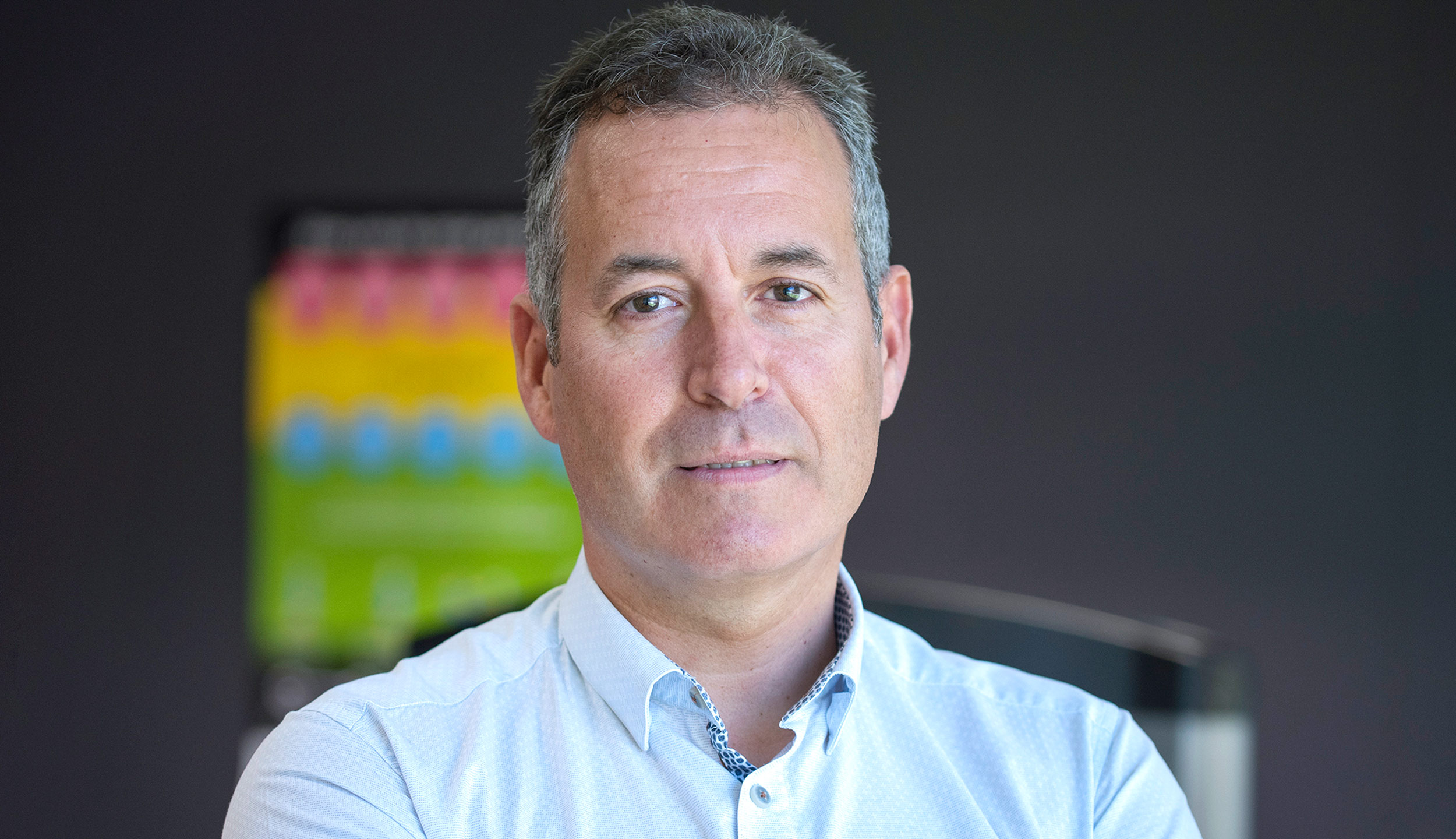

Head of the Unit

Guerrero Setas

David
‘Our objective is the molecular characterization of poor-prognosis tumors without actionable targets‘
David Guerrero Setas

My tasks are included in the healthcare and research areas, developed in the Hospital Universitario de Navarra and Navarrabiomed, respectively. In the first area I work as the the responsible of the Molecular Pathology Lab at the Department of Pathology (Hospital Universitario de Navarra, Servicio Navarro de Salud) where we analyze the validated biomarkers for diagnosis and prediction of response to oncologic treatments of patients with different types of cancer (breast, lung and colorectal cancer, melanomas,brain tumours,...) from the public hospitals in Navarra (Hospital Complex of Navarra and Hospital Reina Sofía).

We also incorporate the analysis of new biomarkers by different methodologies and the results obtained at this lab are used for immediate clinical decision. In the research area I lead the Molecular Pathology research group in Navarrabiomed, composed by basic researchers, pathologists and clinicians devoted to find new epigenetic alterations with diagnostic, prognostic or predictive value in cancer, mainly breast, colorectal and gynaeocological cancers.

The epigenetic mechanisms we consider are gene hypermethylation, deregulation of miRNA expression, and acetylation of histones, and the technical approach include molecular techniques (global methylation and miRNA expression,pyrosequencing, ...) for the study of nucleic acids (DNA and RNA) and protein, and in vitro techniques, for the development of functional studies (proliferation, invasion, migration,...).
Área de investigación
Unidad o grupo de investigación
Tipo de investigador
Navarrabiomed
Tipo de investigación
Unidad de investigación

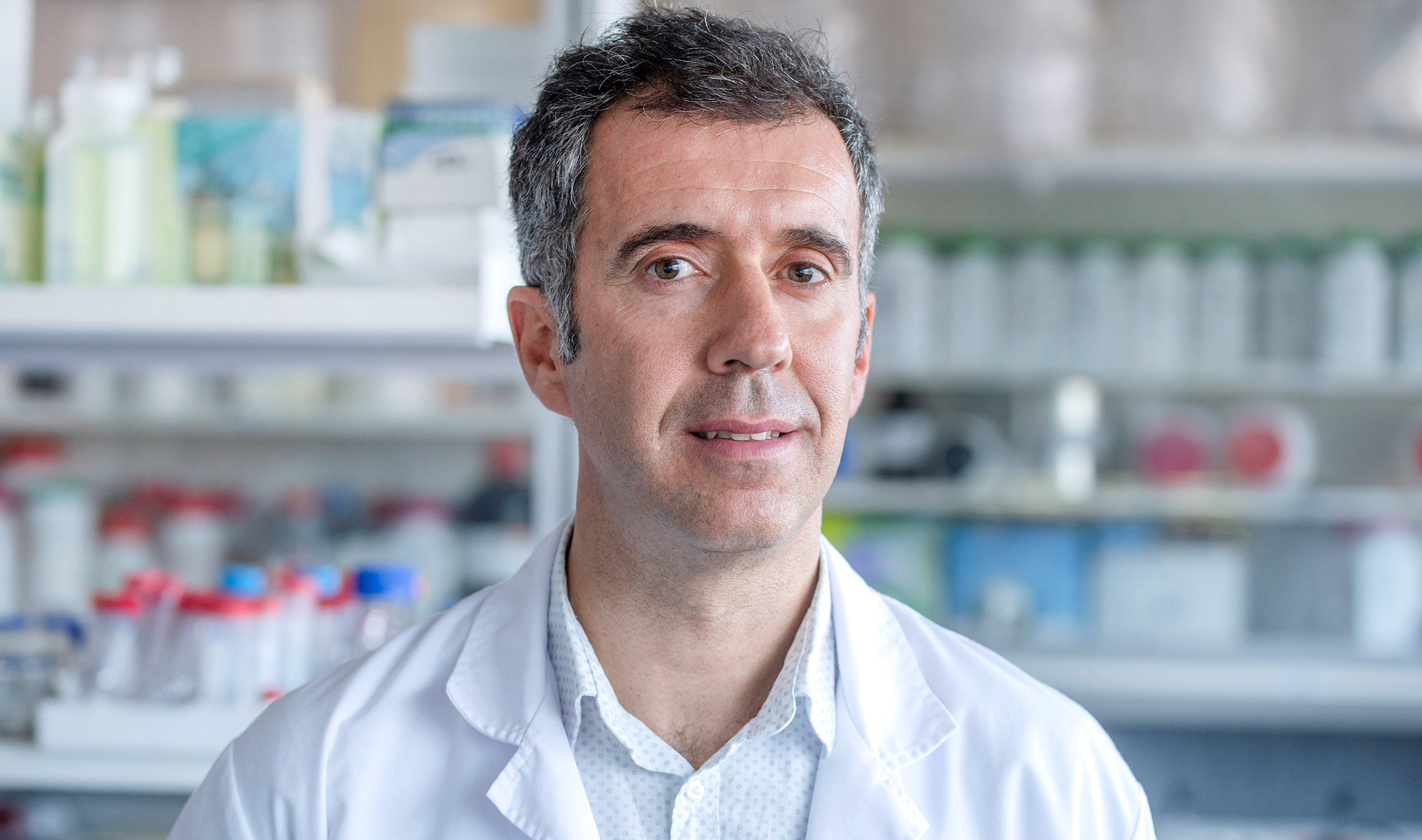
Santamaría Martínez

Enrique
‘Understanding the role of proteins in the human brain’
Enrique Santamaría Martínez

My interest has always been focused on protein biochemistry and proteomics. My thesis work (awarded in 2005) was focused on the identification of biomarkers of non-alcoholic steatohepatitis and hepatocarcinoma using proteomics, obtaining three patents during this period.
During my postdoctoral stage (2006-10), I was involved in a Sixth Framework  EU project (FP6) gaining extensive knowledge in proteogenomic strategies to improve the potency and safety of HSV-1 based-oncolytic vectors. As a complement of my scientific training, I completed a Master in Business Management of SMEs (2008). In 2011, I moved to Navarrabiomed Biomedical Research Center (Miguel Servet Foundation, Pamplona, Spain) to establish a research unit focused on the characterization of neurodegenerative proteinopathies dealing with protein expression profiling, multiomics, postranslation modifications, drug repositioning and protein-protein interactions involved in neurological syndromes.

Throughout my scientific career, I have contributed in more than 160 papers, 25 chapter books, and edited three books about cerebrospinal fluid and brain proteomics. I have more than 15 years of experience in leading, mentoring and coaching scientists at all levels of education, being Assistant Professor in several National Biomedical Masters, Associate Professor at Health Sciences Department (UPNA) and directing 8 PhD thesis and multiple master degrees’students.

Área de investigación
Unidad o grupo de investigación
Tipo de investigador
Navarrabiomed
Tipo de investigación
Unidad de investigación
Servicio
Service type
Scientific-Technical Services
Tesis dirigidas defendidas
Andrea González-Morales
Molecular study of glioblastoma multiforme cells treated with the oncolytic adenovirus Delta-24-RGD.
Mercedes Lachén-Montes
Olfaction and neurodegeneration: Olfactory Proteotyping across Proteinopathies.
Virginia Sánchez Quiles
Estudio de la función de Prohibitina-1 en la regulación de la proliferación y muerte celular. Implicaciones en procesos de daño hepático.
Maria Victoria Zelaya
Anatomo-proteomic study of the olfactory bulb in different stages of sporadic Alzheimer´s disease. Identification of common and distinct olfactory targets across Alzheimer´s disease copathologies.

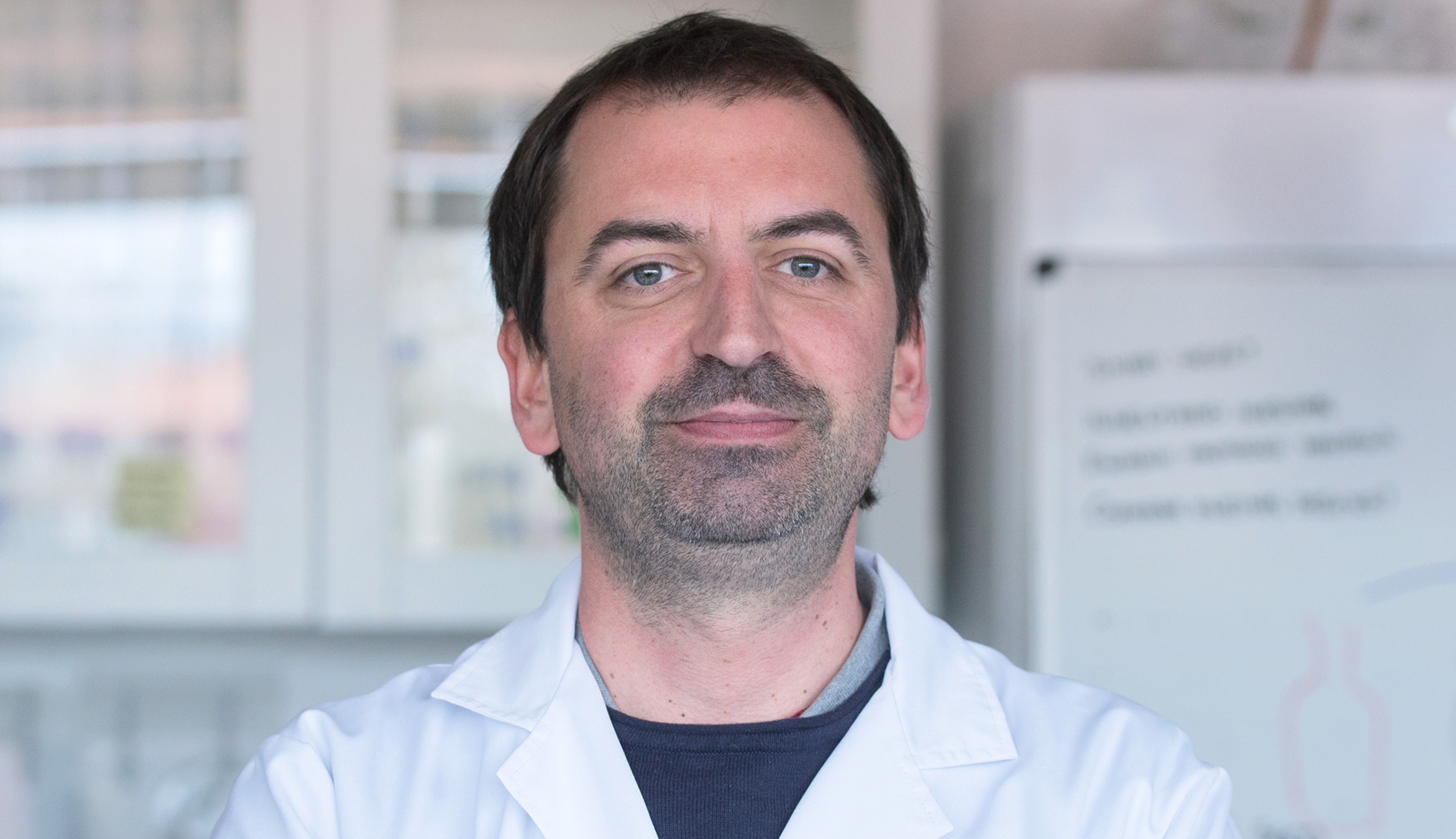
Alonso Sánchez

Ángel
Personalised medicine and genomic individuality
Ángel Alonso Sánchez


Graduate in Medicine by the University of Alcalá de Henares (UAH) in Spain; specialist in Clinical Genetics with an European Certificate in Medical Genetics and Genomics (UEMS); and European Doctor PhD in Medicine with extraordinary award distinction. At the healthcare, Consultant Medical Geneticist of the Navarra Public Health Service (SNS-O), and Consultant Clinical Geneticist of the North East and North Cumbria (NHS) Genomic Medicine Center in the United Kingdom between 1996 and 2024.

As a researcher, Leader of the “Oncogenetics and Hereditary Cancer” research groups of the the Health Research Institute of Navarra, IdISNA, and Head of the Genomic Medicine Unit of Navarrabiomed. At the academy, Associate Lecturer of the School of Medicine of the Public University of Navarra in "Personalized Medicine” for Biotechnology, Science, Biomedical Engineering, Data Science, and Medical degrees.

In management and planning in the field of Personalized Medicine, he has been Chief Scientific Officer of the Personalized Medicine Strategy of Navarra Gov; secretary of the Personalized Medicine section of the Spanish Association of Human Genetics (AEGH); advisor to the Spanish Senate on the National Strategy in Genomic Medicine; member of the Executive Committee of the International Consortium for Personalized Medicine ICPerMed; and participant in the mirror groups for the 1 Million Genomes (+1MG) initiative of the European Commission.

Área de investigación
Unidad o grupo de investigación
Tipo de investigador
Navarrabiomed
Tipo de investigación
Unidad de investigación

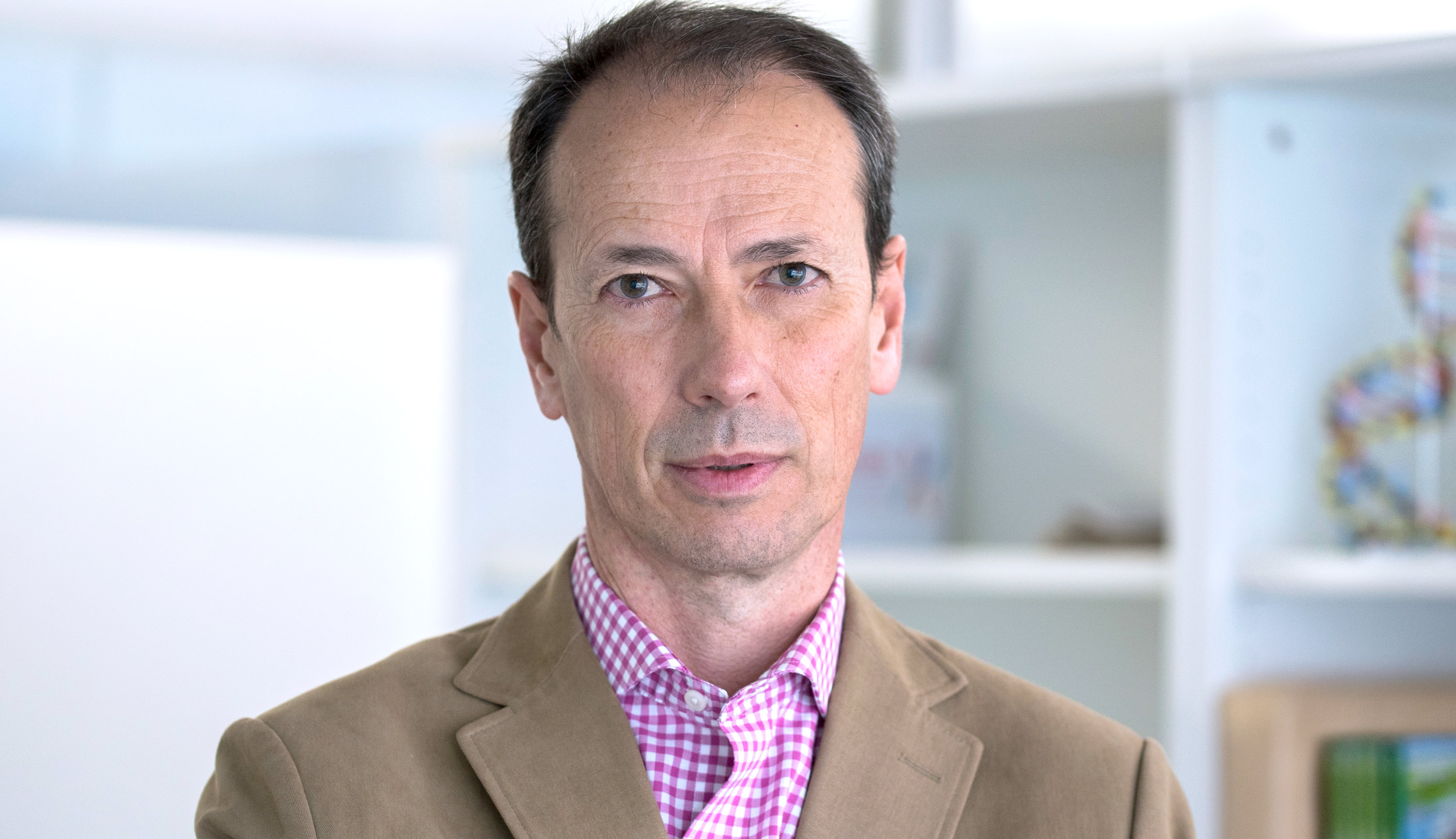
Bustince Sola

Humberto
‘The data revolution is already here and we are uniquely positioned to harness its potential’
investigador

World's Top 2% Scientists (Stanford University)

Humberto Bustince is Professor of Computer Science and Artificial Intelligence at the Public University of Navarre and Honorary Professor at the University of Nottingham since 2017. He is the principal researcher of the Group for Artificial Intelligence and Approximate Reasoning. He is the author or co-author of more than 400 papers, according to Web of Science, in prestigious international conferences and journals, with nearly 200 published in first quartile of JCR. In addition, eight of these papers have been among the highly cited papers of the last 10 years according to Web of Science. He collaborates with leading international groups from countries such as the United Kingdom, Belgium, Australia, Germany, Portugal, the Czech Republic, Slovakia, Canada, the USA or Brazil. He is also editor-in-chief of the online magazine Mathware&Soft Computing of the European Association for Fuzzy Logic and Technology (EUSFLAT) and of the journal Axioms. He is a member of the editorial committees of the journals Fuzzy Sets and Systems, Information Fusion, International Journal of Computational Intelligence Systems and Journal of Intelligent & Fuzzy Systems. He is a Fellow of the IEEE Association and a Fellow of the International Fuzzy Systems Association (IFSA). He has served as president of latter association since August 2023. He has been a member of Jakiunde since 2018.
Among his awards, mention should be made of the Cross of Carlos III the Noble granted by the Government of Navarre in 2017; the José García Santesmases National Computer Science Award 2019 and the EUSFLAT Scientific Excellence Award in 2019


Área de investigación
Unidad o grupo de investigación
Tipo de investigador
Vídeo
Navarrabiomed
Tipo de investigación
Unidad de investigación
Tesis dirigidas defendidas
Laura De Miguel Turullols
Computing with uncertainty truth degrees: a convolution-based degrees.
Helida Salles Santos
A new class of fuzzy subsethood measures.
Daniel Paternain Dallo
Optimization of image reduction and restoration algorithms based penalty functions and aggregation techniques.
Aránzazu Jurio Munárriz
Numerical information measures for image processing. Magnification and thresholding.
Carlos López Molina
The breakdown structure of edge detection: analysis of individual components and revisit of the overall structure.
José Antonio Sanz
Sistemas de clasificación basados en reglas difusas lingüísticas utilizando conjuntos difusos intervalo-valorados y ajuste de la ignorancia.
Raúl Orduna Urrutia
Funciones de solapamiento y su aplicacion a segmentacion de imagenes.
Miguel Pagola Barrio
Representation of uncertainty by interval-valued fuzzy sets. Application.
Mª de las Nieves Barrenechea Tartas
Image processing with interval-valued fuzzy sets. Edge detection. Contrast.
Fernando Soria de Diego
Axiomatization of v. Young's fuzzy subsethood measures. Construction from aggregation and implication operators. Other indexes.

Izquierdo Redín

Mikel
Physical exercise to die young as late as possible—the challenge of modern medicine
Mikel Izquierdo Redín

World's Top 2% Scientists (Stanford University)

Mikel Izquierdo is a Professor and Deputy Head of the Department of Health Sciences at the Public University of Navarra. He is also a Professor in the Master of High Performance Sport of the Spanish Olympic Committee. He was Head of the Research, Studies and Sports Medicine Unit of the Government of Navarra (2005-2010), a period during which he participated in the preparation of Olympic athletes in judo, handball and Basque pelota. He also collaborated with the football teams Liverpool FC and FC Barcelona, with whom he won two UEFA Champions League titles, as well as the Copa and the Spanish League.

He has led numerous research projects focused on biomechanics and the neuromuscular system, with particular interest in the effects of strength and muscular power training on athletic performance, aging, frailty, and populations affected by conditions such as diabetes and obesity.

Currently, he leads the Physical Exercise, Health and Quality of Life (E-FIT) research group at the Navarra Biomedical Research Center (NAVARRABIOMED) and is the principal investigator in the CIBER of Frailty and Healthy Aging (CIBERFES) of the Carlos III Health Institute. He has participated in projects funded by the European Commission, such as Mid-Frail (7PM) and DIABFRAIL-LATAM (H2020), and he coordinates as scientific director the European project VIVIFRAIL (www.vivifrail.com).

Since 2018, he has been an external advisor to the World Health Organization (WHO) Healthy Aging Consortium, collaborating in the implementation of physical exercise programs for the prevention of frailty and falls globally.


He directed more than 40 doctoral theses in the field of physical activity and published more than 530 indexed articles (h-index of 105), accumulating over 55,000 citations. In the last decade, he has managed more than €2.5 million in funding for research projects. His most recent publications can be consulted at the following link: http://goo.gl/zaiGw8.
 

Área de investigación
Tipo de investigador
Vídeo
Navarrabiomed
Tipo de investigación
Unidad de investigación
Tesis dirigidas defendidas
Mikel López Sáez de Asteazu
Effects of physical exercise intervention on functional and cognitive decline in geriatric hospitalized patients
Robinson Ramirez-Vélez
Intensity Training and Cardiovascular Health in Colombian Adults: Results from HIIT-Heart Study and Cardiometabolic HIIT-RT Study.
Ion Navarro Amézqueta
Changes in muscle and blood metabolites and power output during high-intensity bilateral leg press exercise, with special reference to the effect of leading or not leading to repetition failure.
Cristian Alvarez-Lepín
Prevalence of non-responders to exercise-training for improving cardiometabolic and performance outcomes failure.
Xabier Galindez Ibarbengoechea
Effects of manual therapy protocol in chronic neck pain, with a special reference to a high velocity low amplitude manipulation techniques.
Cristina Martinez Labari
Efecto del entrenamiento de fuerza y/o una dieta hipocalórica en la síntesis de moléculas que modulan el metabolismo de la glucosa a través de la resistencia a la insulina.
Ibai García Tabar
Determination of the aerobic capacity in amateur to elite athletes and elderly men, with special reference to the development of functional strategies to overcome actual on-field hitches.
Igor Setuain Chourraout
Jumping biomechanics and function evaluation among both elite handball and recreational athletes recovering from acute anterior cruciate ligament reconstruction. An inertial sensor unit based study.

García de Gurtubay

Iñaki
investigador
Área de investigación
Unidad o grupo de investigación
Tesis en curso

Título: Determination of ventilatory, metabolic and electromyographic thresholds during the incremental test in elite cyclists
Autor: Iban Alexander Latasa Zudaire
Directores:  Alfredo Córdova Martínez, Javier Rodríguez Falces, Javier Navallas Irujo
Fecha presentación: 23 abril del 2019

Título: Caracterización del perfil de metilación del DNA en la Epilepsia. Plan De Investigación de la escuela de doctorado de Navarra, aprobado con fecha 6/11/2015. 
Doctorando: Laura Pulido Fontes.
Tutor de tesis Maria Teresa Mendioroz. 
Directores: Pedro Quesada, Iñaki Garcia de Gurtubay, e Ignacio Encio. 
EN CURSO
 

Tipo de investigador
Vídeo
Hospital Universitario de Navarra
Tipo de investigación
Unidad de investigación

Cuesta Zorita

Manuel Jesús
investigador
Área de investigación
Unidad o grupo de investigación
Tipo de investigador
Vídeo
Hospital Universitario de Navarra
Tipo de investigación
Unidad de investigación
Tesis dirigidas defendidas
María Elena García de Jalón Aramayo
Evaluación longitudinal clínica, neuropsicológica y motora en primeros episodios psicóticos no tratados previamente con antipsicóticos.
María Soledad Campos Burgui
Trastornos motores y síntomas deficitarios en primeros episodios psicóticos no tratados con antipsicóticos.
Ana María Sánchez Torres
El funcionamiento cognitivo y psicosocial en las psicosis. Concordancia de una entrevista clínica semi-estructurada con la evaluación neuropsicológica y su valor predictivo del funcionamiento psicosocial.