Naranja (#FF573D)

Naranja (#fd857c)

Accesible AA: #FF573D

Polytrauma Patients

El grupo de investigación en Pacientes Politraumatizados está integrado por un equipo de Investigación estable constituido por médicos del Sistema de Emergencias de Navarra interesados en aspectos epidemiológicas y de calidad asistencial de dichos pacientes.

Nuestras investigaciones se han desarrollado a través de proyectos financiados por diferentes agencias (Unión Europea, FIS y Departamento de Salud del Gobierno de Navarra). En los últimos años hemos tenido una importante actividad científica resumida en la concesión de 7 becas de investigación, la defensa de 4 tesis doctorales, la publicación en revistas indexadas con factor de impacto de 30 publicaciones y la presentación de comunicaciones a diferentes congresos nacionales e internacionales.

Investigador principal
Área de investigación
Primary Care & Healthcare Services
Aspectos epidemiológicas y de calidad asistencial
Colaboradores/as
Zulet Murillo, Daniel
Médico del Servicio de Emergencias Sanitarias (061) Rioja Salud
Unidad de investigación / Grupo Vinculado
Contacto
Pacientes Politraumatizados

Navarrabiomed-Centro de Investigación Biomédica
Hospital Universitario de Navarra, edificio de investigación.
C/ Irunlarrea 3. 31008 Pamplona, Navarra. España.

No mostrar en listados de Unidades de Investigación
Off

Grupo de Investigación Clínica en Oncología Médica

El Grupo de Investigación Clínica en Oncología Médica se centra en el desarrollo de proyectos de investigación traslacional en multiples entidades oncológicas con el objetivo fundamental de hallar biomarcadores diagnósticos, predictivos y/o pronósticos, que ayuden, por tanto, en el diagnóstico precoz (prevención secundaria, recaída) y la optimización de los tratamientos oncológicos disponibles.

Investigador principal
Área de investigación
Oncology & Hematology
Diagnóstico precoz y optimización de tratamientos oncológicos
Actualidad

Navarrabiomed leads a multicenter study that could increase the efficacy of immune checkpoint blockade therapies in lung cancer

Author
Navarrabiomed
  • Fractalkine was identified as a key biomarker associated to clinical response to immune checkpoint blockade therapy which could improve its efficacy in one of the four most frequent types of cancer


Navarrabiomed carried out a study in which the status of the immune system was evaluated in lung cancer patients before and during immunotherapy. The study showed that the quantities and diversity of immune cells (myeloid cells) in blood from patients who responded to immunotherapies was comparable to that of healthy individuals. Moreover, the researchers found that elevated concentrations of fractalkine were found in these patients. Fractalkine is a protein required for maintaining an active, functional immune system. These findings could lead to the development of new treatments and more efficacious immunotherapies by using this protein in conjunction with current therapies. 

The results were published in the journal EMBO Reports. The project was coordinated by Dr. Ana Bocanegra and Dr. Grazyna Kochan, researchers at the Onco-Immunology Unit of Navarrabiomed headed by Dr. David Escors. The study was carried out in close collaboration with the department of Medical Oncology at Hospital Universitario de Navarra (HUN) led by Dr. Ruth Vera, and it was funded by grants from the Spanish Association Against Cancer, Carlos III Health Institute-ERDF and the Government of Navarra’s Ministry of Economic and Business Development. 
 

Research development 

The study identified fractalkine as a biomarker of response by associating elevated concentrations of the protein with a better response to immune checkpoint blockade therapies. This protein was also presented as a new therapeutic agent capable of increasing the efficacy of PD-1 immune checkpoint blockade therapies in animal models of lung cancer that were previously resistant to this therapy. 

The authors reported that therapies that are more efficacious could be developed from these results in the medium/long term by using fractalkine to stimulate immunoreactivity and thus improve the response to immunotherapy. 

“These results confirm the need for a functional immune system prior to the administration of immunotherapies and, most importantly, they open up a line of research in which the anti-tumor action of fractalkine can be enhanced. In the long term, fractalkine treatment in combination with immunotherapies could be assessed in clinical trials,” said Navarrabiomed researcher Grazyna Kochan. 
 

Collaborative study

The research team from Navarrabiomed and HUN collaborated with multidisciplinary groups from Navarra, La Rioja and Madrid coordinated by professionals with a proven track record in cancer research and clinical care, including: Dr. Rubén Pío, Dr. Luis Montuenga and Dr. Juan José Lasarte from Cima Universidad de Navarra, Dr. Alejandra Roncero from Hospital Universitario San Pedro (Logroño, La Rioja), Dr. Carolina Gotera from Hospital Universitario Fundación Jiménez Díaz (Madrid), Dr. Alfonso Ventura from Centro de Salud Salazar-Ezcároz (Navarra) and Dr. José Pichel from Centro de Investigación Biomédica de La Rioja (CIBIR, Logroño). Patients and their family members at the HUN and residents in Centro de Salud Salazar-Ezcároz (Navarra) also participated in the study.


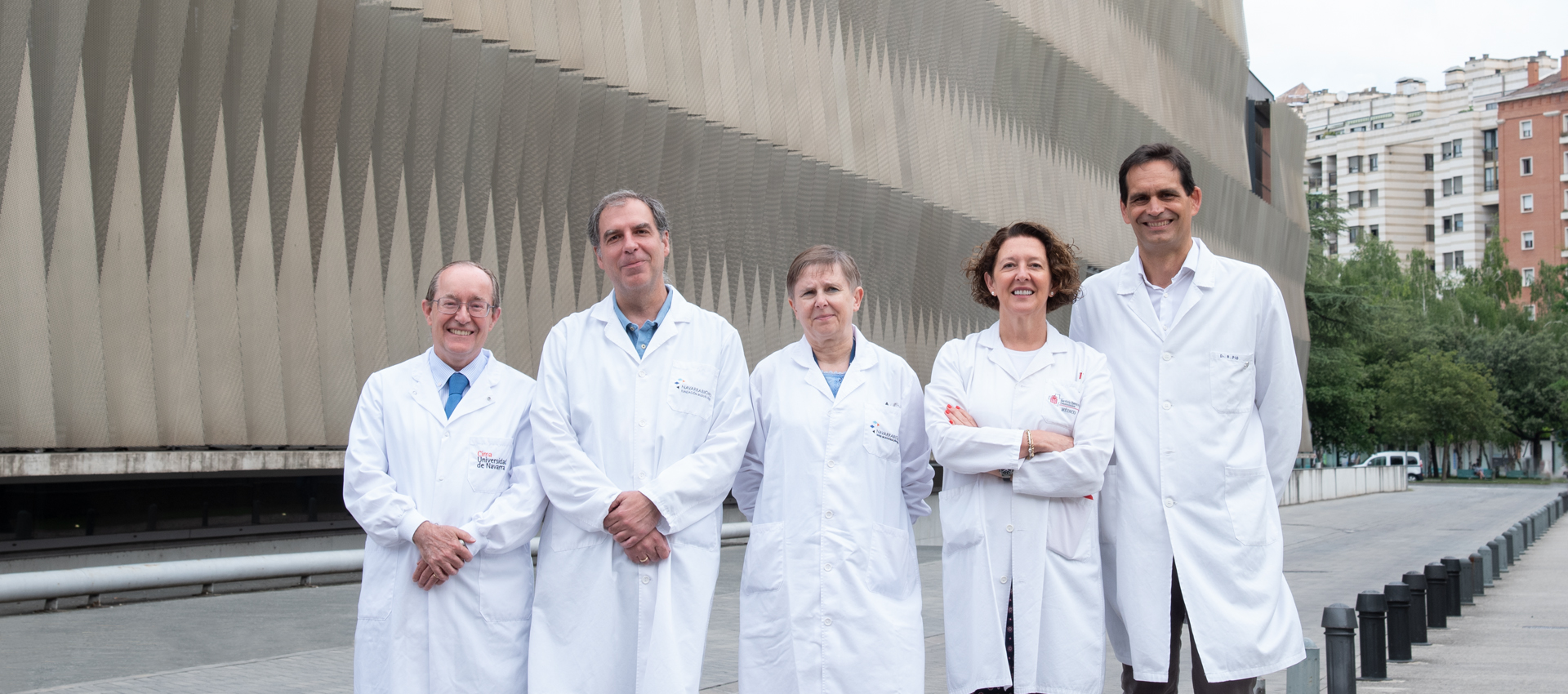
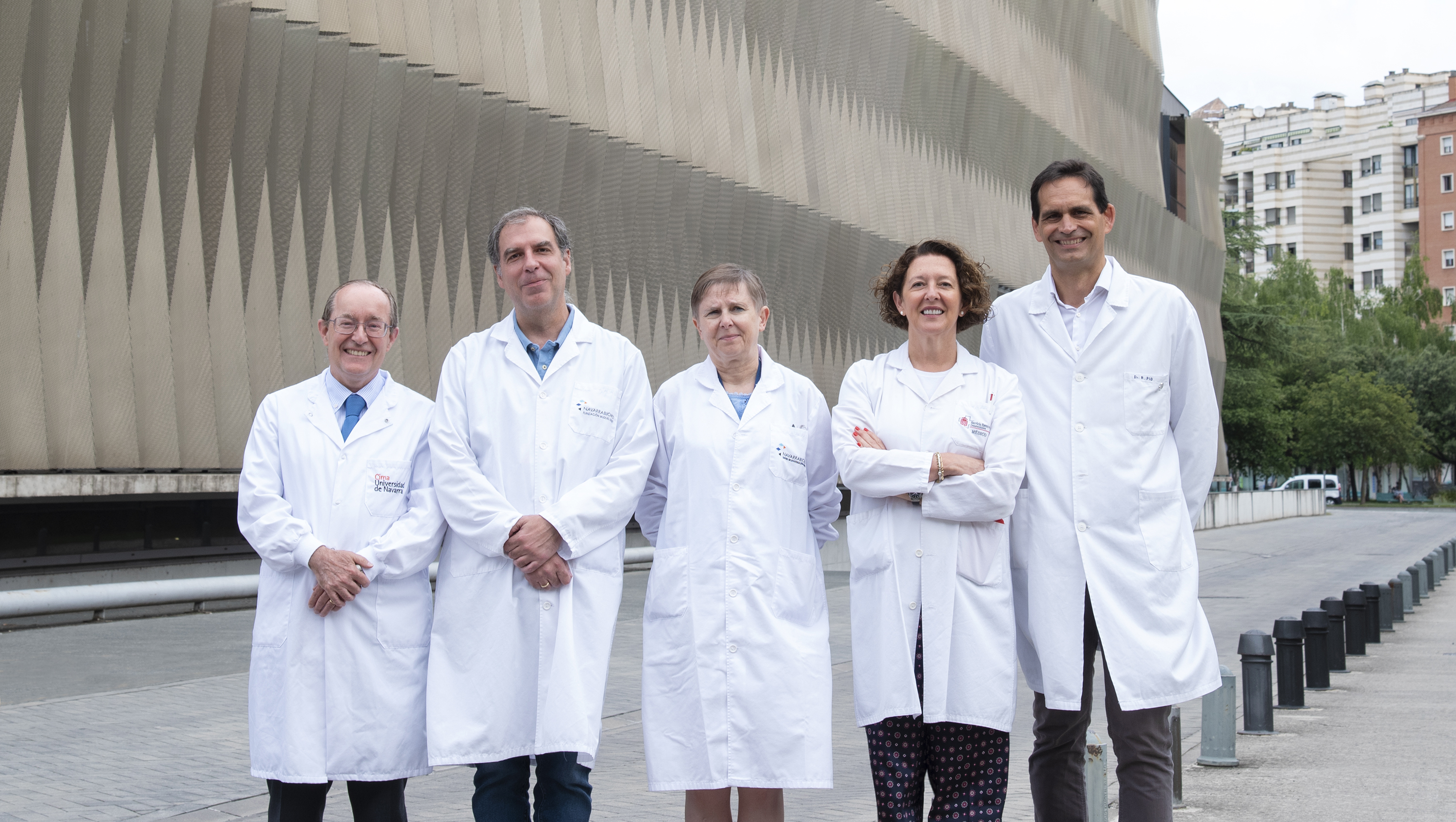
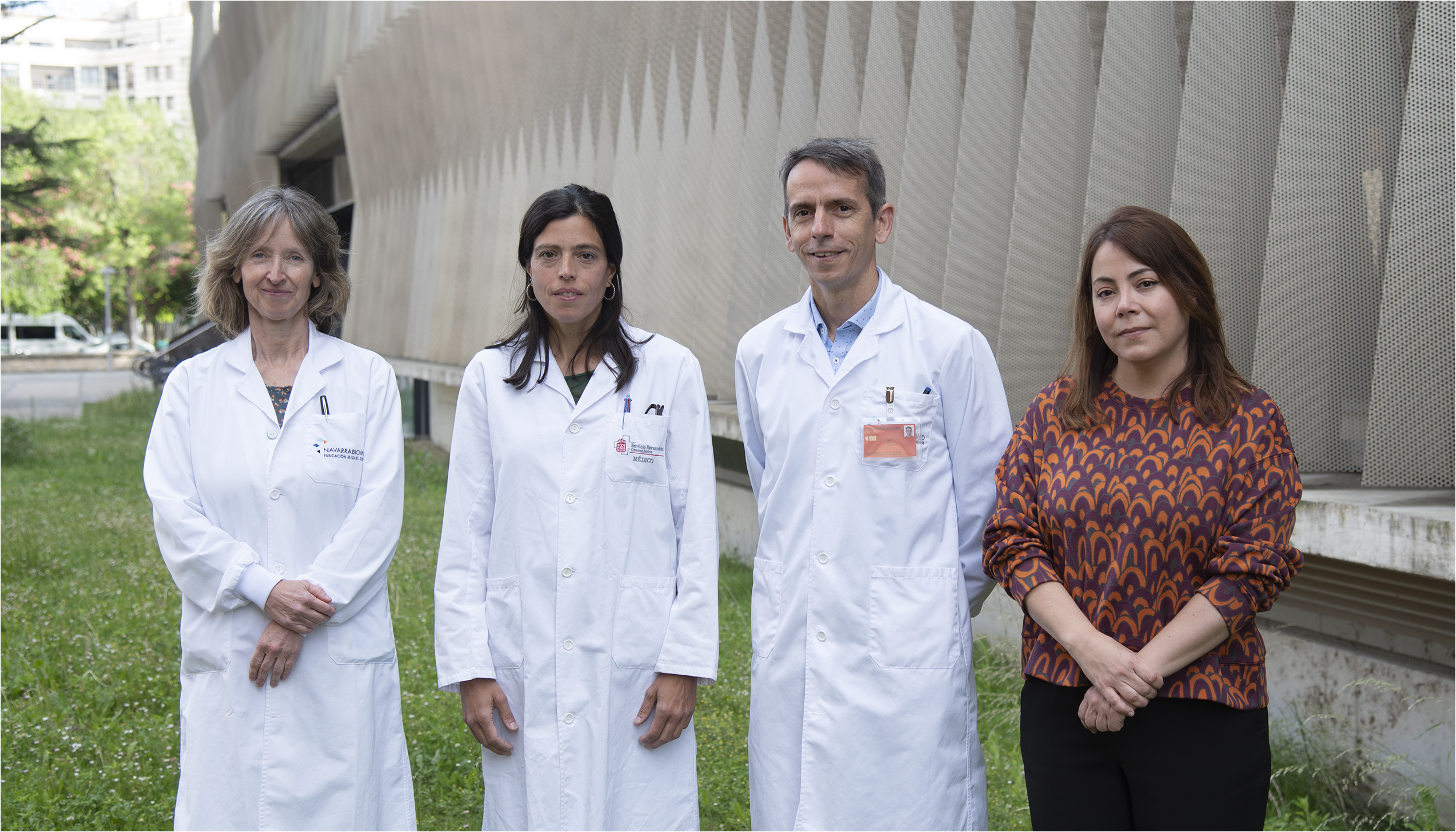
Caption > From left to right: Luis Montuenga (Cima), David Escors and Grazyna Kochan (Navarrabiomed), Ruth Vera (HUN) y Rubén Pío (Cima). Absent in the photo: Ana Bocanegra (Navarrabiomed).

Categoría
Galería de imágenes
From left to right: Luis Montuenga (Cima), David Escors and Grazyna Kochan (Navarrabiomed), Ruth Vera (HUN) and Rubén Pío (Cima).
Download Flecha que indica descarga
Documentación
Vídeo
Colaboradores/as
Alsina Maqueda, María
IP del Grupo de Oncología Médica Traslacional
Arasanz Esteban Hugo
Especialista en Oncología Médica
Morilla Ruiz, Idoia
Adjunta del servicio de Oncología Médica
Illarramendi Mañas, José Juan
Adjunto del servicio de Oncología Médica
Unidad de investigación / Grupo Vinculado
Contacto
Oncobiona

Navarrabiomed-Centro de Investigación Biomédica
Hospital Universitario de Navarra, edificio de investigación.
C/ Irunlarrea 3. 31008 Pamplona, Navarra. España

No mostrar en listados de Unidades de Investigación
Off

Oncología Médica Traslacional

Oncología Médica Traslacional

The Translational Medical Oncology Unit focuses on developing projects that facilitate the transition to precision medicine in the field of medical oncology in Navarre. To this end, we integrate translational research—understood as the link between clinical practice and the laboratory—and basic research—understood as the study of the biology underlying carcinogenesis and its progression. Our Unit is centred on three lines of research, all sharing the same core focus: the cancer patient. The Unit has secured funding for all of them, thanks to grants awarded through competitive national and local calls for proposals.

Research areas:

  • Precision oncology
  • Inmuno-oncology
  • Early-onser gastrointestinal cancer

Investigadora Principal: María Alsina
Co-Investigador: Hugo Arasanz

Investigador principal
Área de investigación
Oncology
The precision oncology with the aim of improving the quality of life of cancer patients.
Actualidad

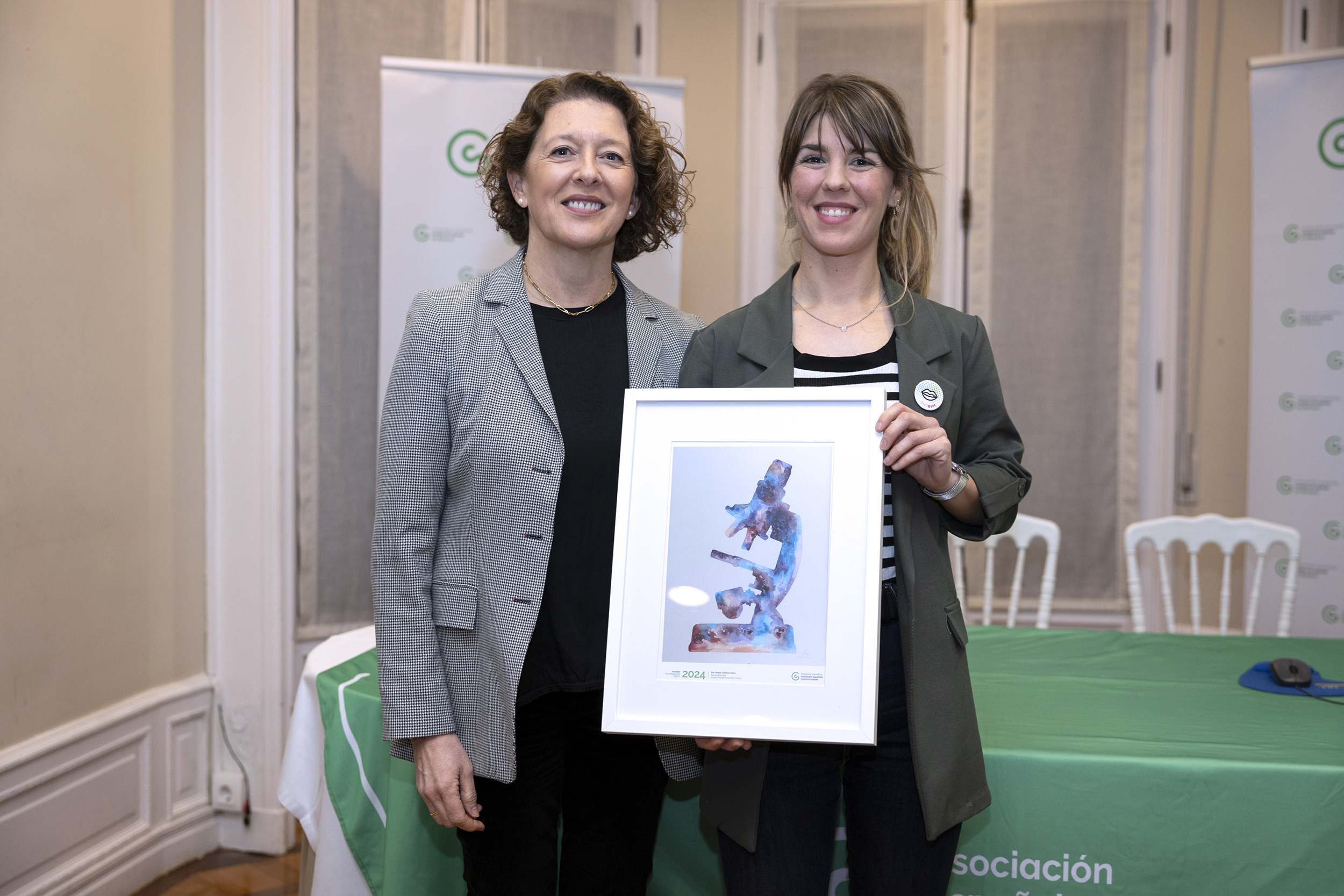
Ibone Labiano recibe una ayuda postdoctoral de la Asociación Española Contra el Cáncer en Navarra dotada con 160.000 euros

Ruth Vera e Ibone Labiano
Author
Navarrabiomed
  • La Asociación ha adjudicado en Navarra un total de 9 de ayudas por 1.062.655 euros en 2024


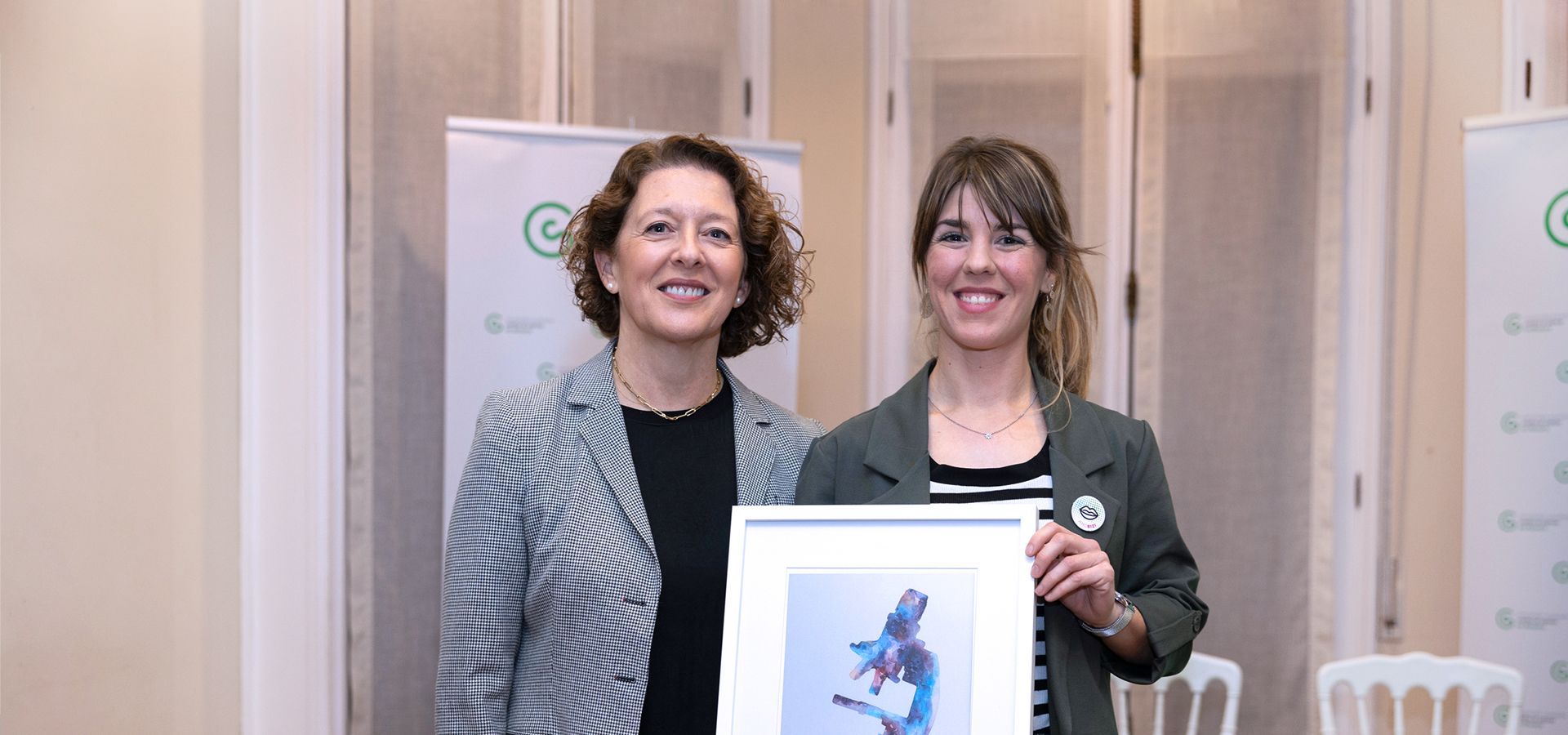
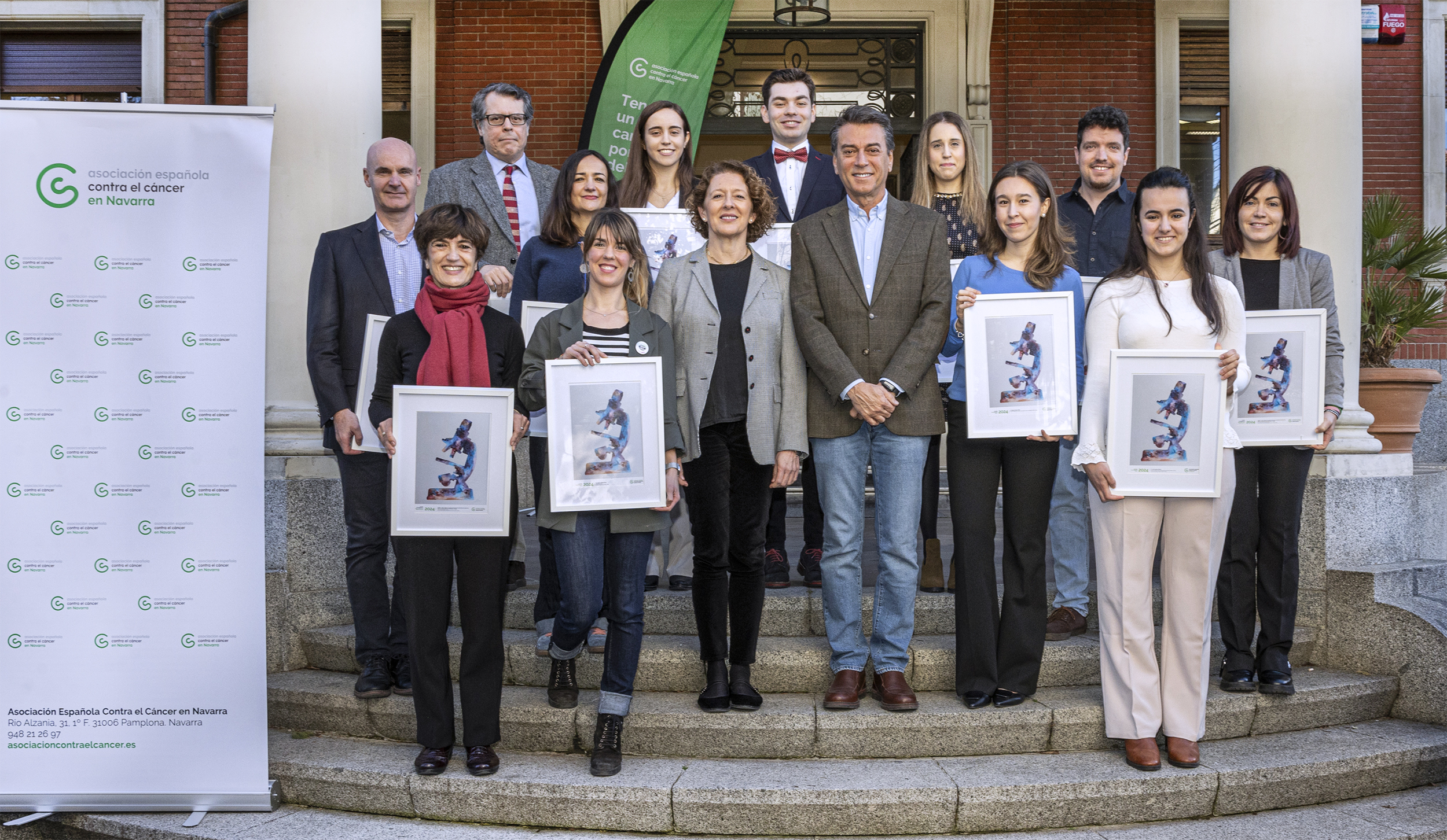
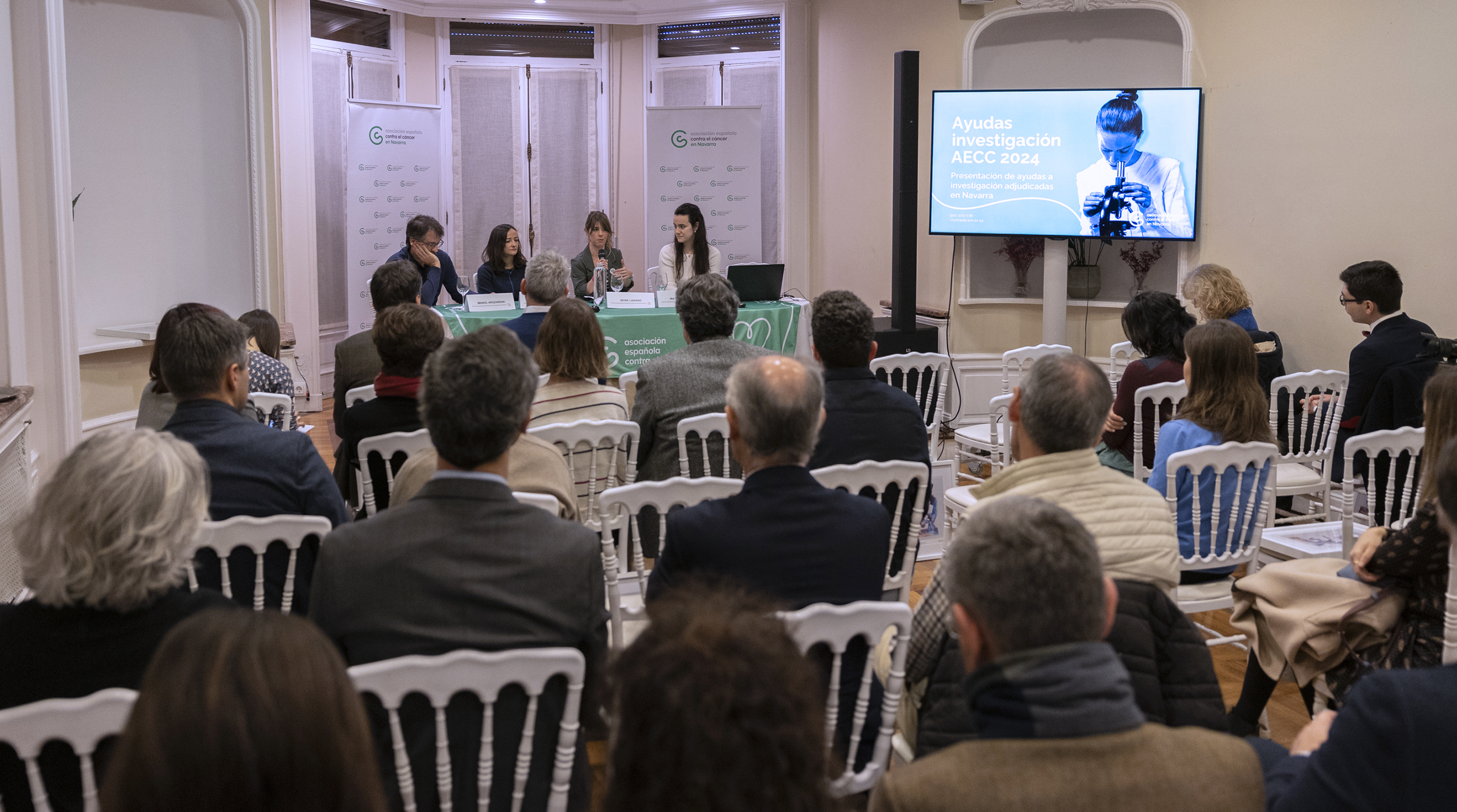
La Asociación Española Contra el Cáncer en Navarra ha presentado esta mañana un total de 9 ayudas por 1.062.655 euros adjudicadas en 2024 en la comunidad foral, y sumando años anteriores hay en total, actualmente en Navarra 47 ayudas en desarrollo con una aportación total de 10.284.688 €. La investigadora de Navarrabiomed Ibone Labiano ha recibido una de las ayudas por valor de 160.000 euros.  

Ibone Labiano forma parte de la Unidad de Oncología Médica Traslacional y en ella investiga las características distintivas del cáncer gastrointestinal de aparición temprana con el objetivo de mejorar el pronóstico y calidad de vida del paciente joven. La investigadora se ha mostrado agradecida e ilusionada por el apoyo de la Asociación, que le permite continuar con su investigación en Navarrabiomed: “Mi proyecto se centra en el cáncer gastrointestinal de aparición temprana, aquel que se diagnostica en pacientes menores de 50 años, y tiene como objetivo mejorar su pronóstico y calidad de vida”. 

En el acto también han recibido sendas ayudas Sofía Huerga, Paula Rodríguez y Maite Losarcos de UNAV-CCUN; así como a Julio José Jiménez, Iratxe Ugarte, Maite Huarte, Adrián Gil y Miryam Vacas de CIMA-CCUN.
 

Apoyo a la investigación oncológica

La investigación oncológica es una prioridad, ya que en España se diagnostica un caso de cáncer cada 2 minutos, y 1 de cada 2 hombres y 1 de cada 3 mujeres tendrá cáncer a lo largo de su vida. En la comunidad de Navarra fueron diagnosticados en 2024 4.084 casos nuevos de cáncer. La Asociación en Navarra atendió en 2024 a 2.487 personas a través de sus servicios gratuitos atendidos por profesionales

Estas ayudas, como todas las que impulsa la Asociación, tienen como principal objetivo aumentar la supervivencia en cáncer para superar el 70% en el año 2030, mejorar los tratamientos que reciben los pacientes y mejorar su calidad de vida. 

Las Ayudas AECC 2024 cubren todas las fases de la carrera investigadora y sus líneas estratégicas son: 

  • Aumentar la financiación con especial foco en cánceres de baja supervivencia. 
  • Atraer el talento investigador para fomentar la estabilidad laboral de los investigadores. 
  • Impulsar la innovación y la investigación clínica para que los resultados lleguen al paciente. 
     

Reto AECC 70%

Por último, en el acto se han presentado a los grupos navarros que participan dentro de los proyectos de Reto AECC 70% Supervivencia, enfocados en la investigación de cánceres de baja supervivencia. Ésta es la mayor ayuda para investigar tumores de baja supervivencia como los cánceres de pulmón y de hígado y contribuye al objetivo de la Asociación para superar el 70% de supervivencia en cáncer en 2030: un total de 18 millones de euros a escala nacional. 

Una ayuda para la investigación del cáncer de pulmón de células pequeñas por un importe de 10 millones de euros y con una amplia representación geográfica; y una ayuda para la investigación del cáncer de hígado con una inversión de 8 millones de euros. 

Categoría
Galería de imágenes
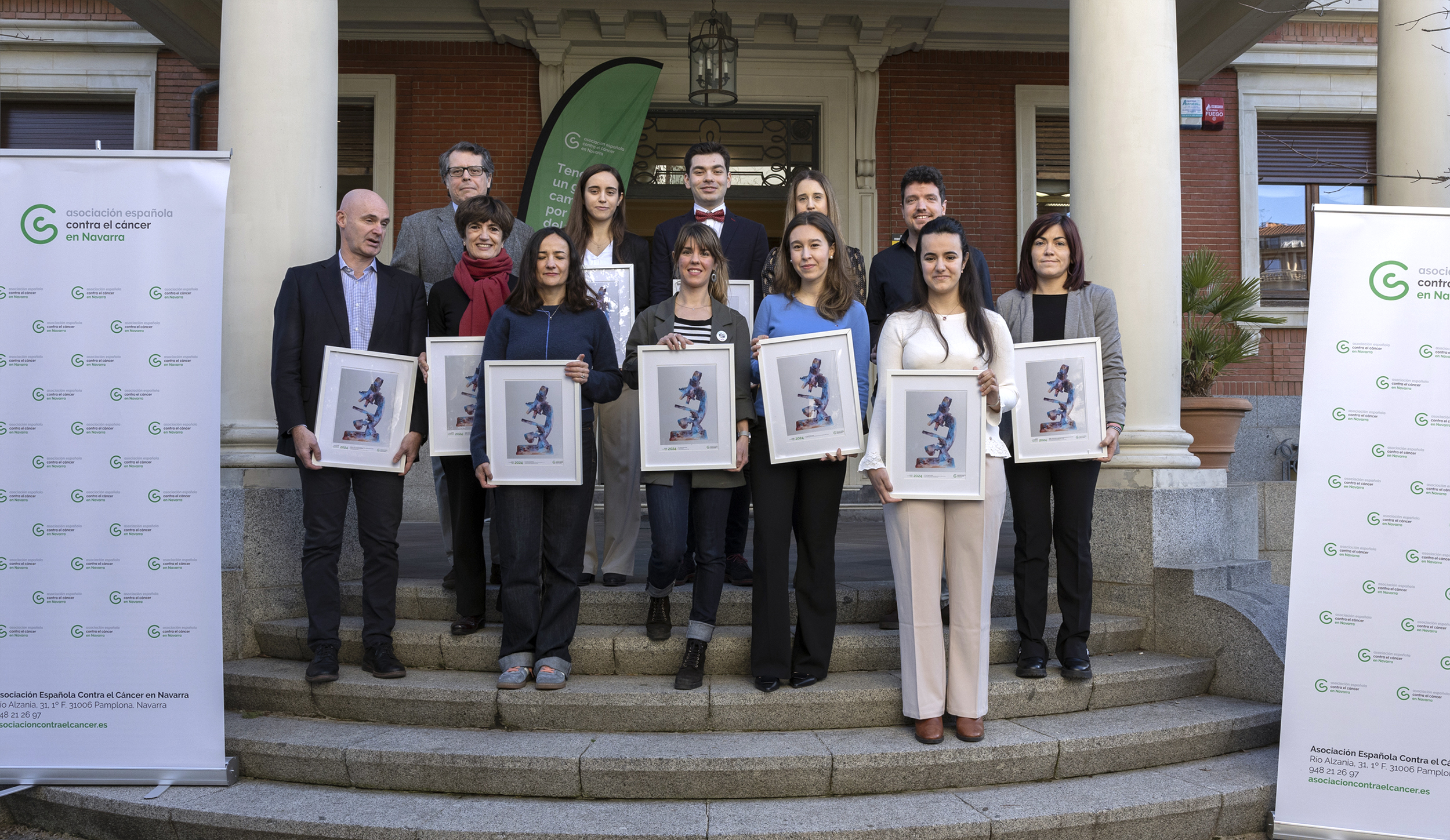
Foto de familia con representantes de AECC y personas beneficiarias.
Download Flecha que indica descarga
Ruth Vera entrega la ayuda a Ibone Labiano.
Download Flecha que indica descarga
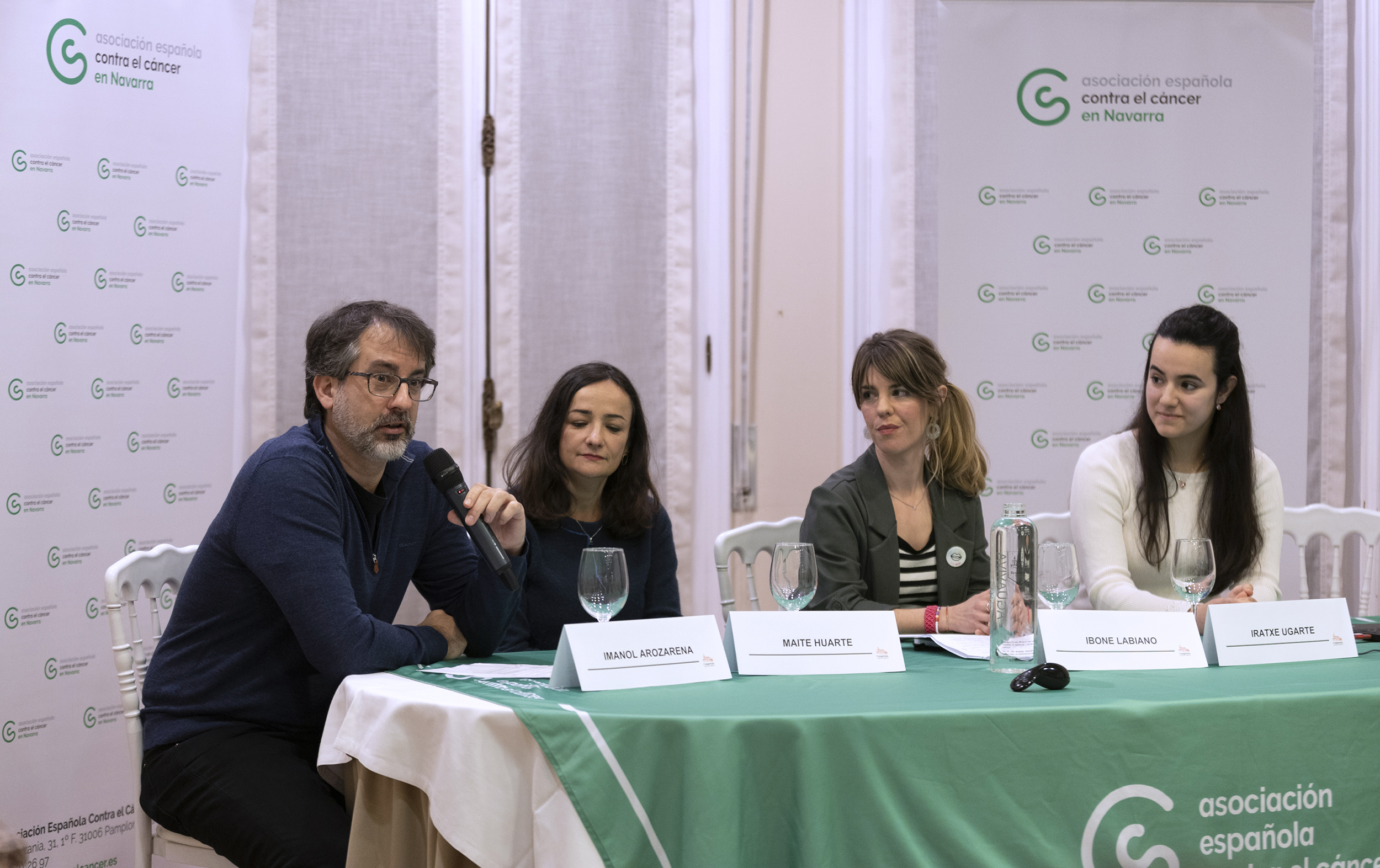
Imanol Arozarena moderó la mesa redonda sobre los proyectos financiados.
Download Flecha que indica descarga
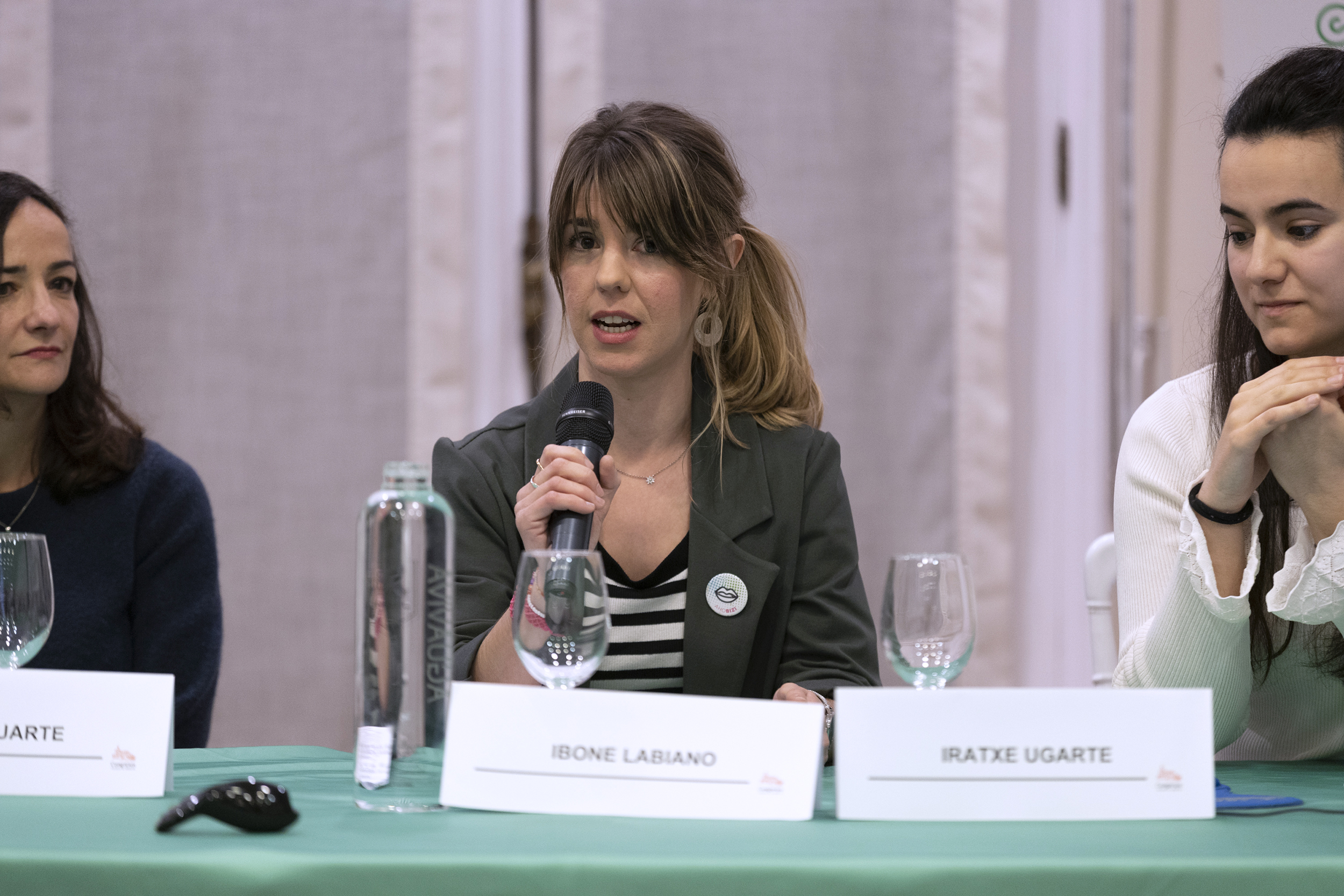
Ibone Labiano durante su intervención.
Download Flecha que indica descarga
Coloquio con investigadoras.
Download Flecha que indica descarga
Beneficiarios/as de las Ayudas AECC 2024.
Download Flecha que indica descarga
Documentación
Vídeo

Researchers at the HUN lead a study funded by the Instituto de Salud Carlos III concerning gastrointestinal cancer in the young population

Investigadores del HUN
Author
Navarrabiomed
  • The project, which also involves researchers from Navarrabiomed and IdiSNA, will be carried out in collaboration with hospitals from a further three autonomous communities.


Researchers from the Hospital Universitario de Navarra (HUN) will coordinate a transversal, multicentre study of early-onset gastrointestinal cancer, considered to be that diagnosed in young patients (less than 50 years of age), in whom the incidence of this type of cancer has increased alarmingly over the past few decades. 

Gastrointestinal cancer included, amongst others, colorectal, gastric and pancreatic tumours, which in Spain are the second, fourth and seventh leading causes of cancer-related death, respectively. In Navarra, colorectal cancer was the second most common tumour last year in both males and females, according to data released this week by the Cancer registry of the Institute for Public and Occupational Health of Navarra (ISPLN) on the world day for that disease, which is held next Sunday (4th February).


The project has been funded via the IdiSNA as part of the R&D&i 2023 call for proposals from the Instituto de Salud Carlos III aimed at healthcare research projects and is headed by the researcher Maria Alsina, a specialist in the Medical Oncology department at the HUN and head of the Translational Medical Oncology Unit at Navarrabiomed, where she is funded by the intensification program set up by the Fundación “la Caixa”, and member of the Oncobiona group at IdiSNA. 


Researchers from Navarrabiomed and IdiSNA are also participating in the study, which is carried out in cooperation with the different departments at the HUN involved in the management of gastrointestinal cancer, namely Anatomical Pathology, Surgery, Digestive, Endocrinology and Nutrition, Radiation Oncology and Radiology. Three healthcare centres from neighbouring autonomous communities, namely the Hospital Universitario Donostia, Hospital Miguel Servet (Zaragoza) and Hospital San Pedro (Logroño), are also collaborating with the study. 


The main objective of the study is to identify the differentiating characteristics of early-onset gastrointestinal cancer in comparison with the later-onset type, both overall, combining the three types of tumours, and for each one separately. To that end, a global approach that includes parameters concerning both the patient’s environment and the disease itself, will be applied. Thus, demographic and clinical variables and others related to their lifestyle, as well as histopathological data for the tumour, will be collected for each patient included in the study. 


Sample of 240 patients in a limited geographical setting


It is expected that up to 240 patients (80 younger than 50 years and 160 who have developed this disease at an older age) will participate in the study. The geographical setting for the sample is the north of Spain, therefore the collaboration of the aforementioned hospitals is required. The heads of the research consider that the availability of real-life data for patients diagnosed in a limited setting may help to better understand this type of cancer in our environment and allow prevention strategies to be developed, especially as regards healthy lifestyle habits. In this sense, it should be noted that the majority of cases of early-onset gastrointestinal cancer occur due to environmental, lifestyle and behavioural, nutritional and biological factors rather than being hereditary.

In addition to the preventive approach, a more in-depth understanding of the onset of tumours in young patients may also help the diagnostic and therapeutic approach in this population group. The availability of data that allow an early diagnosis will increase the probability of effective curative treatments and reduce the impact of the disease on the life of these patients (educational or work activities, responsibilities for children or family members) and increase their potential longevity.

In addition, young patients with digestive tumours face unique challenges and needs, such as possible effects on their body image after aggressive surgery, or potential long-term side-effects of chemo- and radiotherapy treatments on their cardiovascular, sexual and reproductive health, in addition to the possible influence on the onset of new neoplasms.
 

Categoría
Galería de imágenes
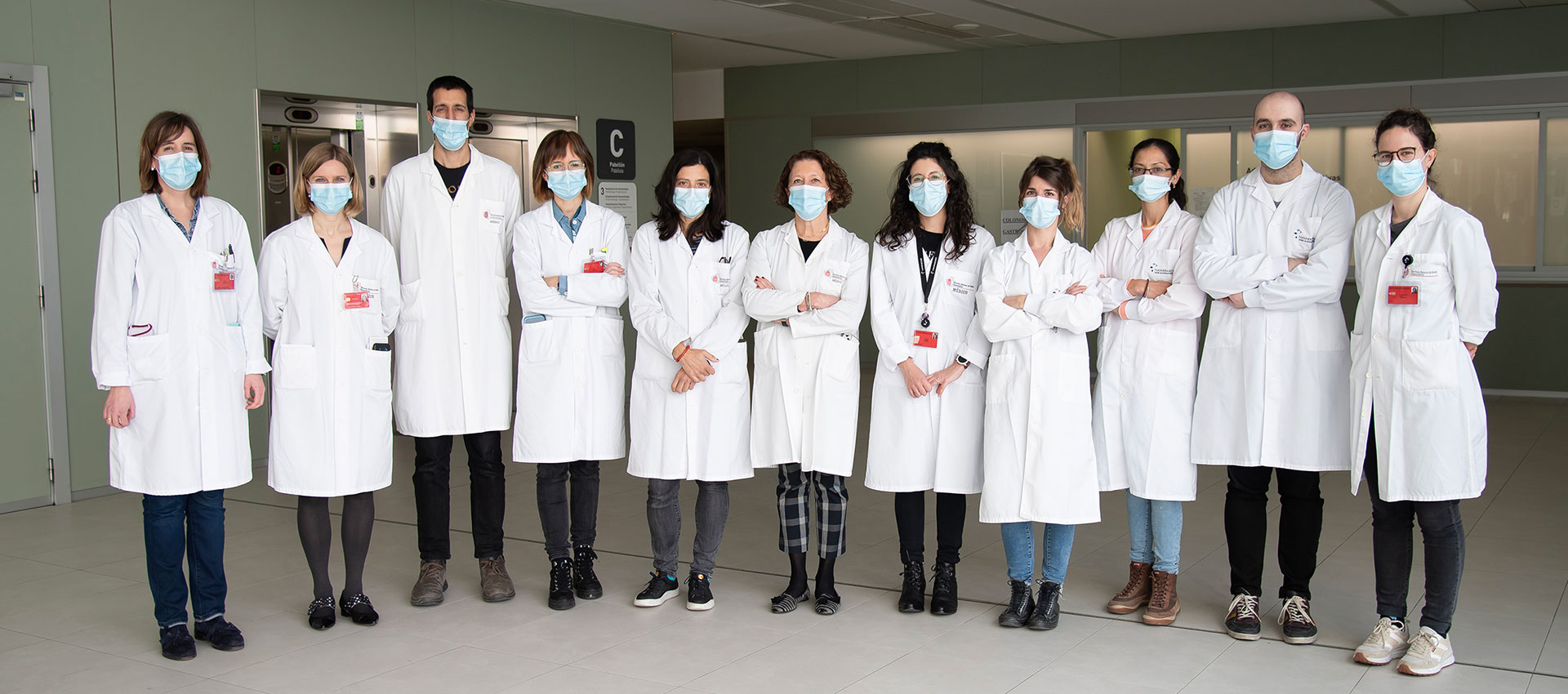
Profesionales de Oncología del HUN, Navarrabiomed e IdiSNA.
Download Flecha que indica descarga
Documentación
Vídeo

The Spanish Society of Medical Oncology (SEOM) acknowledges Maria Alsina and Hugo Arasanz, HUN oncologists and researchers at Navarrabiomed

Author
Navarrabiomed

Professionals from the Medical Oncology Service of the University Hospital of Navarra (HUN) and Navarrabiomed have received two fellowships and an award during the annual congress of the Spanish Society of Medical Oncology (SEOM) 2023, held in Barcelona from the 19th to the 22nd of September. 

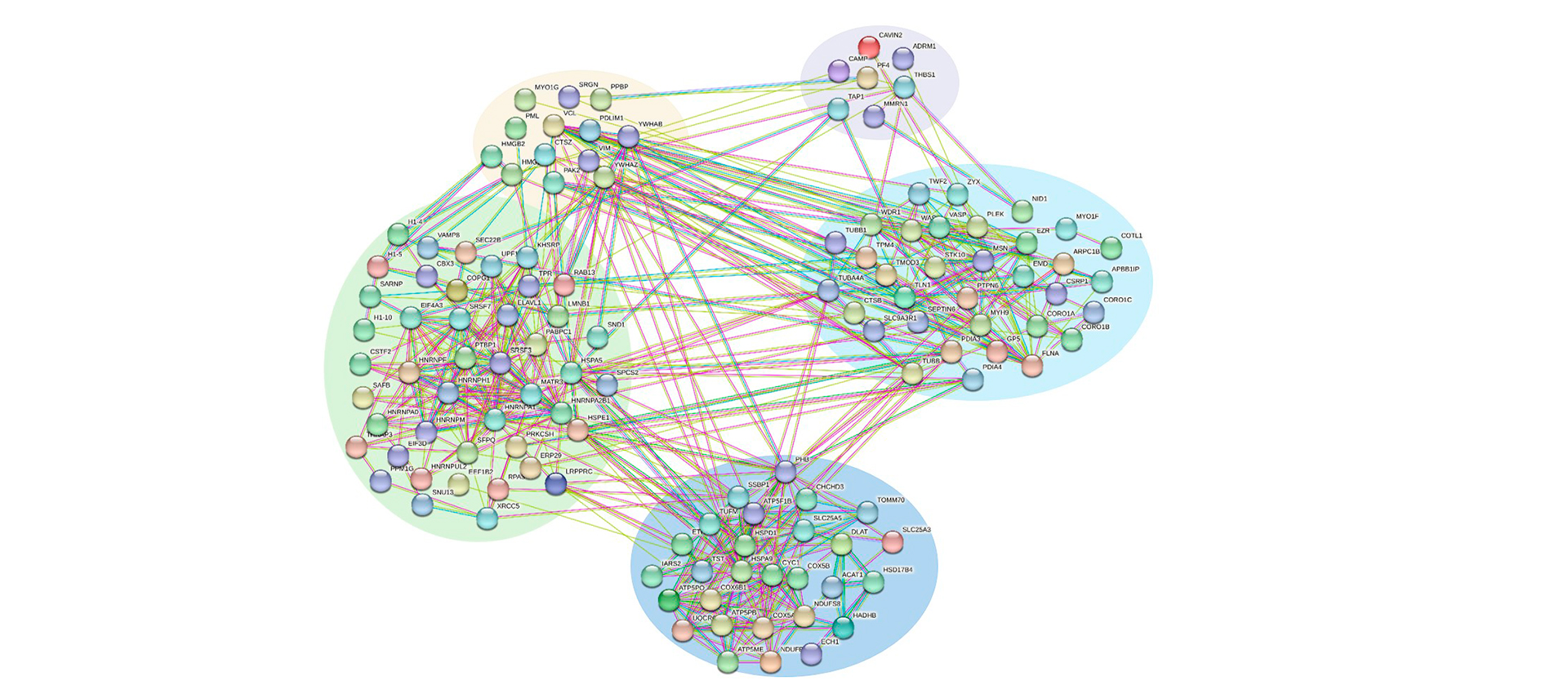
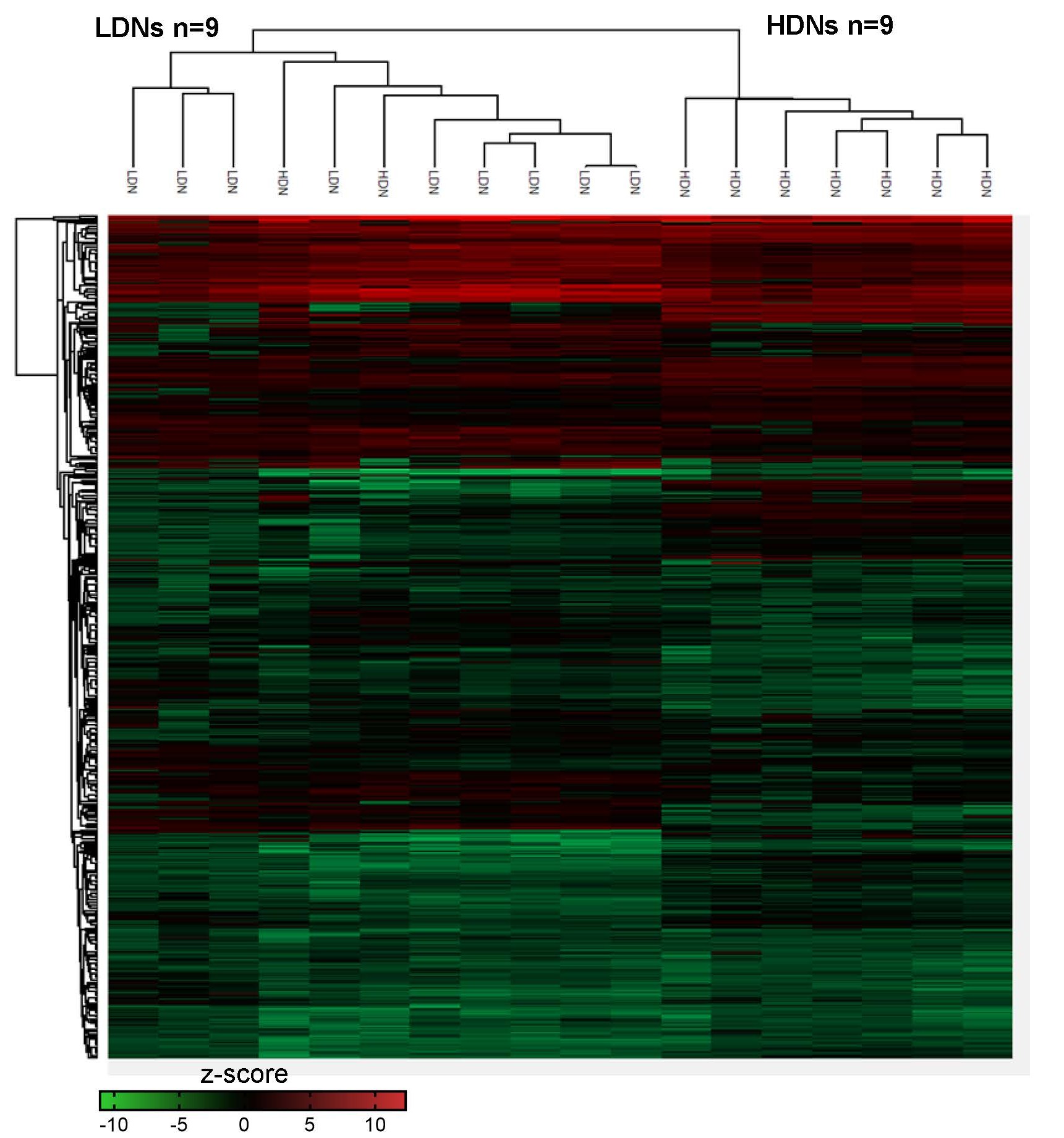
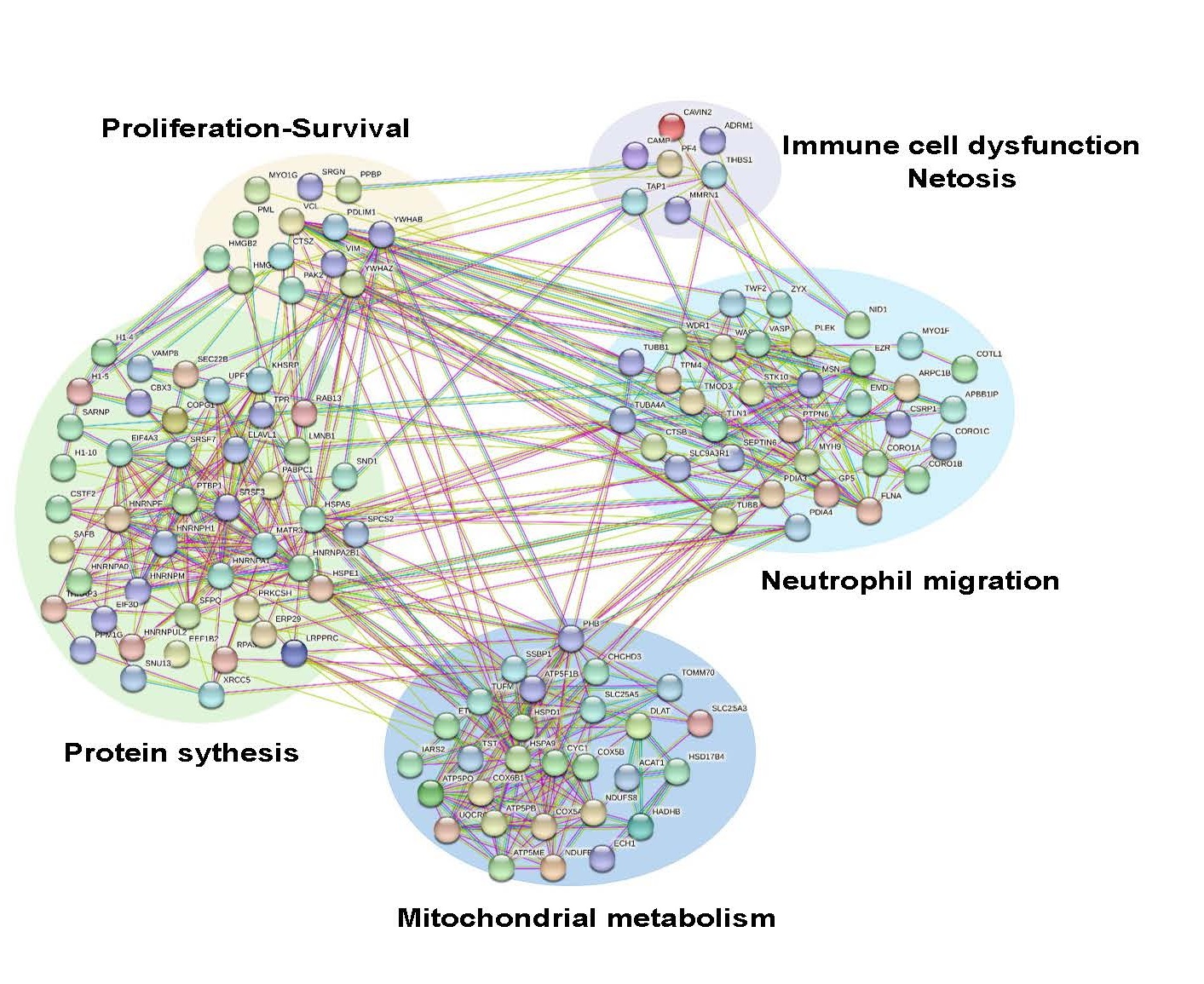
In particular, Maria Alsina Maqueda  MD PhD has received the SEOM Fellowship for Research Projects for 'Predictive biomarkers of response to RAPID scheme neoadjuvance in locally advanced rectal cancer: impact of the intestinal microbiome and the presence of circulating tumour DNA (ctDNA)’, in which several HUN services are also involved. For his part, Hugo Arasanz Esteban MD PhD has been awarded the SEOM Fellowship for Translational Research Projects in Immuno-Oncology for the project 'Circulating low density neutrophils and their role in immunotherapy resistance in non-small cell lung cancer. Potential as a predictive biomarker’. 

Both Medical Oncology specialists dedicate part of their time to research at the Oncobiona group of Navarrabiomed. Dr Alsina researches through the Navarrabiomed intensification program funded by La Caixa Foundation and Dr Arasanz thanks to the 2019 AECC Junior Clinical Fellowship, from the Spanish Association against Cancer.
 

Categoría
Galería de imágenes
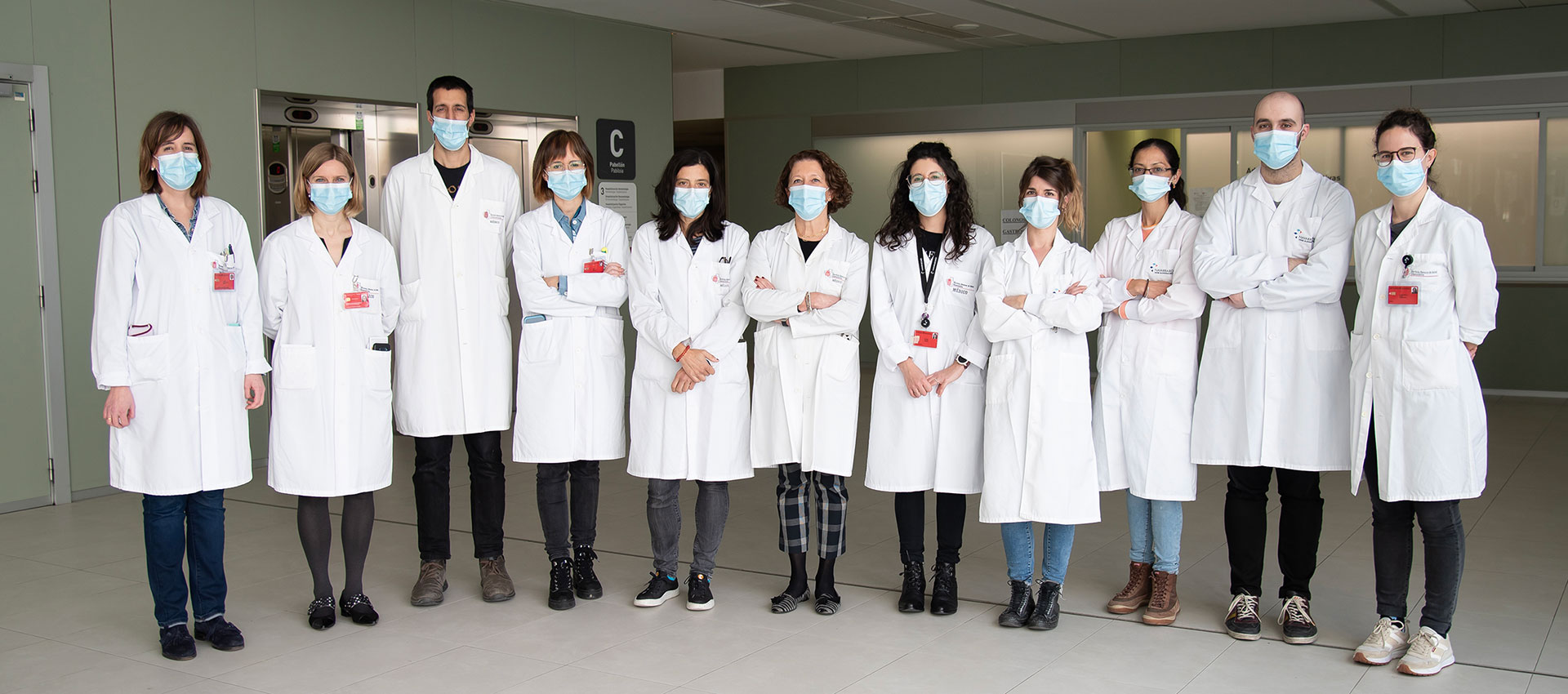
Professionals of the Medical Oncology Service of the HUN.
Download Flecha que indica descarga
Hugo Arasanz Esteban.
Download Flecha que indica descarga
Maria Alsina Maqueda.
Download Flecha que indica descarga
Documentación
Vídeo

The Linterna project goes forward in cancer immunotherapy techniques and identifies a protein that may be effective in stopping the progression of lung cancer

Author
Gobierno de Navarra
  • Professionals from Navarrabiomed and the University Hospital of Navarra have participated in this multicentre project led by the Cima of the University of Navarra


The Department of Economic and Business Development has subsidized, through the call for Grants for Strategic R&D Projects for the period 2020-2022, the Linterna project, which seeks to advance immunotherapy techniques to fight cancer. Specifically, the project has managed to identify a biomarker that may be effective in stopping the progression of lung cancer. In addition, genomic analysis techniques have been used in subjects with tobacco-induced lung cancer under this project. This has allowed both to advance in the identification and to develop new therapeutic approaches. 

The main objective of the Linterna project (Leadership and INnovation in Cancer immunoTHErapy from NAvarra) is to bring together the work of different institutions that are developing immunotherapy strategies to fight cancer. This technique is based on enhancing the body's own defences versus, for example, techniques that are based on supplying chemicals outside the body.

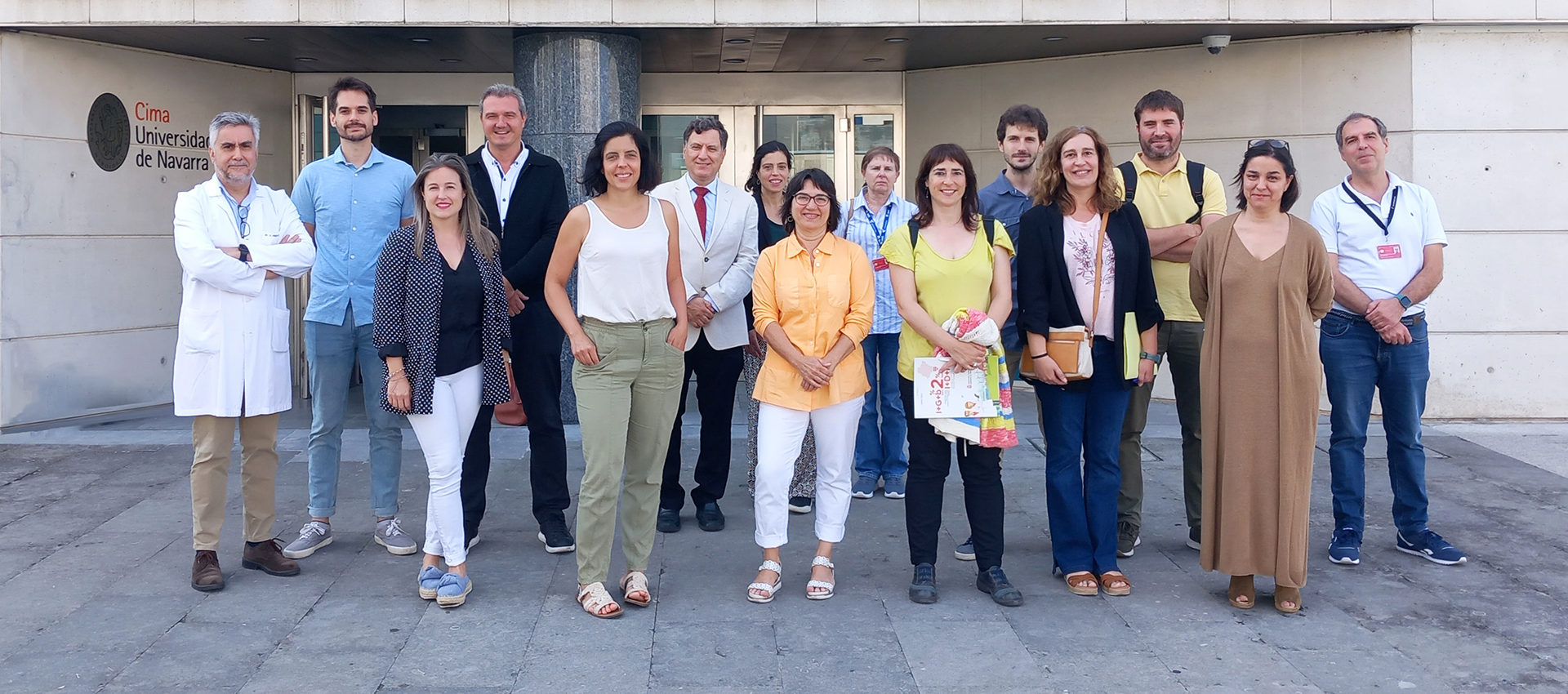
The whole development has been carried out by a consortium led by the Cima - University of Navarra and in which  University Hospital of Navarra (Medical Oncology Service), the University of Navarra Clinic, Navarrabiomed (Units of Oncoimmunology and of Translational Medical Oncology), ADItech and the pharmaceutical company Medibiopharma have also participated.

During the development of the project, non-cellular markers have been searched for in plasma samples from patients. For this, high-performance analytical techniques have been used. Thanks to this work, fractalkine has been identified, which is a small protein that helps control the growth and activity of other cells, as a biomarker of response to immunotherapy. This discovery will make it possible to develop new, more effective treatments by combining this protein with current therapies.


Categoría
Galería de imágenes
Miembros del consorcio que ha desarrollado el proyecto Linterna, junto a técnicos del Gobierno de Navarra y del CEIN, durante la visita de cierre del proyecto
Download Flecha que indica descarga
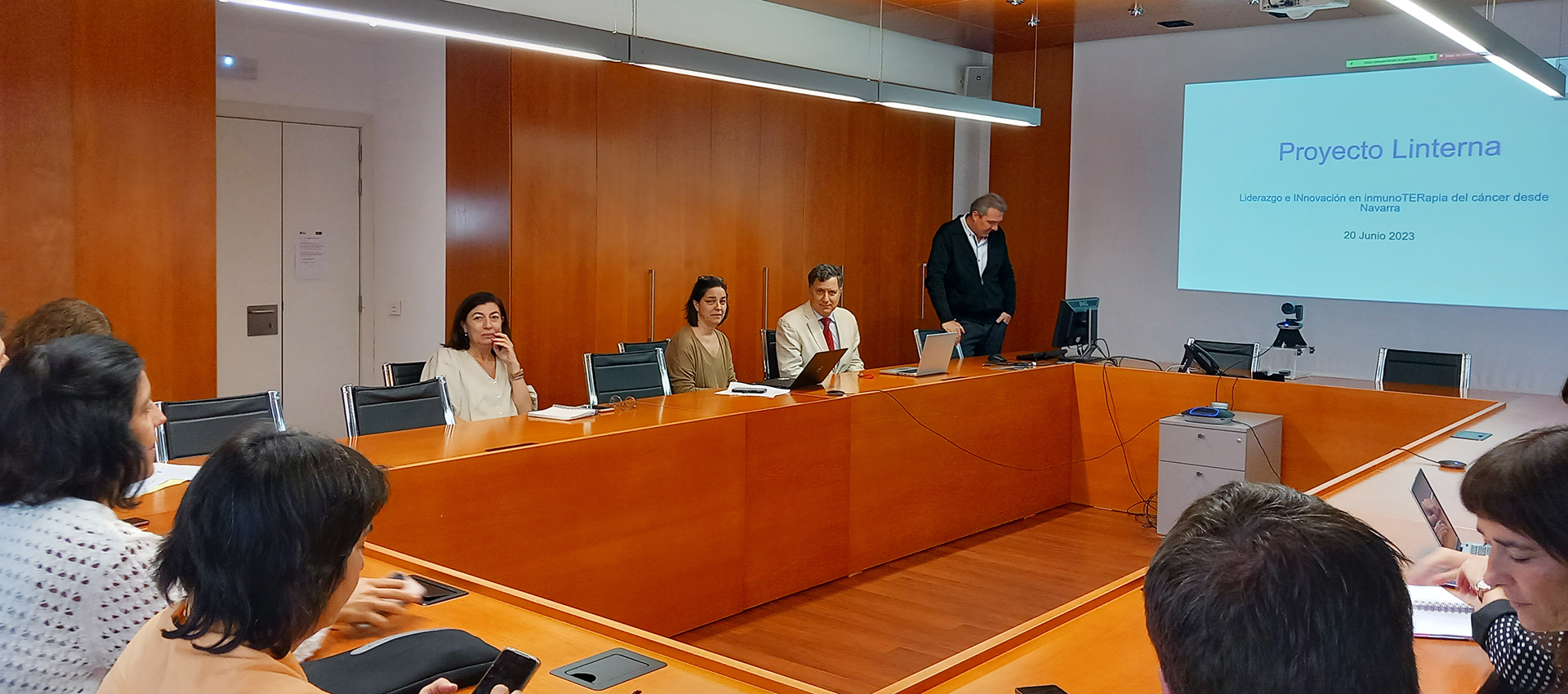
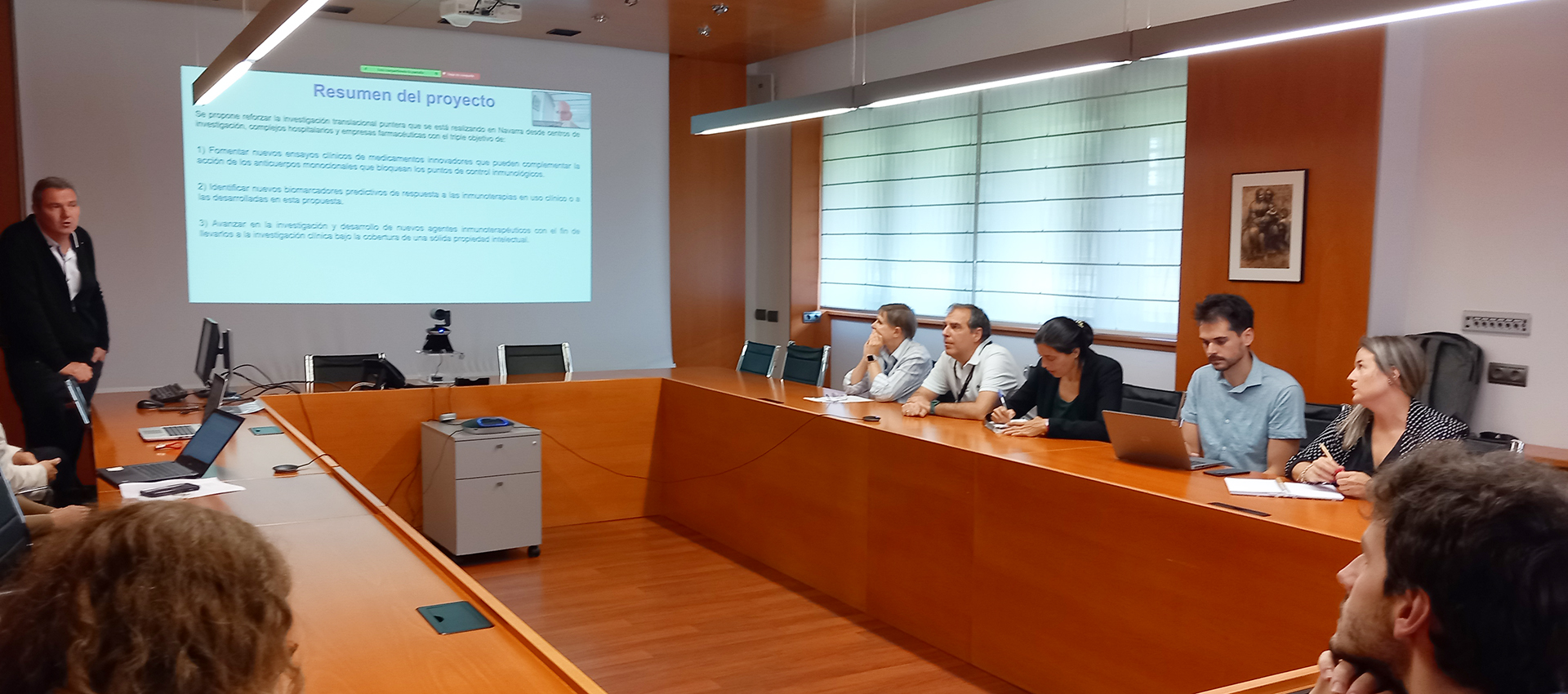
Reunión del consorcio con representantes del Gobierno de Navarra
Download Flecha que indica descarga
Reunión del consorcio con representantes del Gobierno de Navarra
Download Flecha que indica descarga
Documentación

The oncologist Maria Alsina and the internal medicine physician Iñigo Les, beneficiaries of the second Navarrabiomed - Fundación “la Caixa” Intensification Program

Author
F. "la Caixa" y Navarrabiomed
  • This program allows specialists at the HUN to dedicate part of their working day to research.


The Hospital Universitario de Navarra (HUN) specialists Maria Alsina and Iñigo Les have been awarded funding as part of the second Navarrabiomed Intensification Program financed by the Fundación “la Caixa”. The aim of this initiative is to stimulate, promote and consolidate research activities at the Hospital Universitario de Navarra. 

The funds provided by the Fundación “la Caixa” have allowed two new researchers to be incorporated into the oncology and internal medicine departments. During the next two years, these researchers will have access to support staff, installations and equipment that will allow them to conduct their own projects at the research centre. 
Specifically, they will be able to dedicate half their working day at the HUN to research activities at Navarrabiomed. The intention is to provide professionals from various medical specialities with the time and resources needed to conduct translational research, in other words studies at the intersection between basic laboratory research and clinical practice.

Description of the research  


As a result of the intensification program, Iñigo Les Bujanda has established the Immune-Mediated and Inflammatory Diseases Unit, where he will conduct a prospective study, observational, multicentre study to investigate the utility of a a battery of autoantibodies as a predictor for immune-mediated adverse events in cancer patients treated with immunotherapy. This study will also result in the creation of registries, in other words prospective databases that can be used in the short to medium term, and libraries of biological samples from these autoimmune and autoinflammatory diseases. These activities will strengthen the research activity of the Internal Medicine Department. 

In the Translational Medical Oncology Department, Maria Alsina Maqueda will continue with projects and collaborations already under way in the Medical Oncology Department at the HUN. In addition, she will establish the hospital circuits required to expand the biological sample libraries for the population of Navarra with cancer, and will initiate new translational research projects in the field of gastrointestinal cancer, particularly in early-onset cancer (patients aged less than 59 years).

First edition of the program

The first call for proposals for this program was published in 2018 and allowed the incorporation of four medical specialists in different departments at the HUN: Eduardo Albéniz Arbizu (Digestive Department), Nicolás Martínez-Velilla (Geriatrics Department), Antonio Viúdez Berral (Medical Oncology Department) and Esozia Arroabarren Alemán (Allergology Department). The program also allowed the neurologist and researcher Maite Mendioroz Iriarte, who is currently head of Navarrabiomed – Fundación Miguel Servet, to consolidate her research activity.

Categoría
Galería de imágenes
Maite Mendioroz, Maria Alsina, Iñigo Les e Izaskun Azcona (F. "la Caixa").
Download Flecha que indica descarga
Documentación
Vídeo
Colaboraciones Logotipos
Documentation
Vídeo
Visor 360º
Colaboradores/as
Unidad de investigación / Grupo Vinculado
Contacto

Navarrabiomed-Centro de Investigación Biomédica
Hospital Universitario de Navarra, edificio de investigación.
C/ Irunlarrea 3. 31008 Pamplona, Navarra. España

No mostrar en listados de Unidades de Investigación
Off

Cirugía Esofagogástrica y Bariátrica

Grupo multidisciplinar que estudia los resultados quirúrgicos de la patología esofagogástrica y bariátrica y la implementación de la cirugía mínimamente invasiva en el HUN.
La Unidad de Cirugía Esofagogástrica inicia su andadura en 2011 después de la fusión de los Servicios de Cirugía del Hospital Universitario de Navarra. Uno de los objetivos de la Unidad es el registro y estudio crítico de los resultados de su actividad diaria con el fin de realizar una mejora constante de los cuidados de los pacientes.

Investigador principal
Área de investigación
Digestive system & metabolism
Mejora de los cuidados de los pacientes
Colaboraciones Logotipos
Documentation
Vídeo
Visor 360º
Colaboradores/as
Unidad de investigación / Grupo Vinculado
Contacto
Cirugía Esofagogástrica y Bariátrica

Navarrabiomed-Centro de Investigación Biomédica
Hospital Universitario de Navarra, edificio de investigación.
C/ Irunlarrea 3. 31008 Pamplona, Navarra. España

Clinical Microbiology

El grupo de investigación en microbiología clínica está formado por los microbiólogos clínicos que trabajan en la red pública de Navarra tanto en el CHN como en los hospitales de Tudela y Estella. Las líneas de investigación pertenecen a distintos ámbitos de la Microbiología clínica e incluyen infecciones comunitarias, las relacionadas con asistencia sanitaria, producidas por bacterias, virus, hongos o parásitos, así como el estudio de  las resistencias a los antimicrobianos.

Investigador principal
Área de investigación
Epidemiology & public health
Microbiólogos de la red pública de Navarra
Unidad de investigación / Grupo Vinculado
Contacto
Clinical Microbiology

Navarrabiomed - Centro de investigación biomédica
Complejo Hospitalario de Navarra, edificio de investigación.
Calle Irunlarrea, 3. 31008 Pamplona, Navarra, España.

No mostrar en listados de Unidades de Investigación
Off

Epidemiology of Cancer and Other Chronic Diseases

El grupo de investigación en Epidemiología  de Enfermedades no transmisibles tiene como objetivos fundamentales el desarrollo de estudios epidemiológicos sobre enfermedades crónicas, particularmente cáncer y enfermedades cardiovasculares, tanto descriptivos como etiológicos, mediante el desarrollo de estudios de cohorte y los registros poblacionales de cáncer, infarto de miocardio y enfermedades raras. Otra línea de trabajo se basa en el estudio de la mortalidad desde el punto de vista poblacional: desarrollo de indicadores, estudios de tendencias y desigualdades socioeconómicas asociadas a la mortalidad.

Investigador principal
Área de investigación
Epidemiology & public health
Estudios epidemiológicos enfermedades crónicas
Unidad de investigación / Grupo Vinculado
Contacto
Epidemiology of Cancer and Other Chronic Diseases

Navarrabiomed - Centro de investigación biomédica
Complejo Hospitalario de Navarra, edificio de investigación.
Calle Irunlarrea, 3. 31008 Pamplona, Navarra, España.

Physical Activity, Children and Youth

Physical Activity, Children and Youth

The impact of exercise and physical activity on the physical and mental health of ill or apparently healthy young people.

Investigador principal
Equipo de investigadores
Área de investigación
Active and healthy life
The impact of physical activity in young people
Actualidad

Experts gathered at UPNA urge health professionals to prescribe physical activity for the prevention of chronic disease

Author
UPNA

Experts gathered at the Public University of Navarra (UPNA) have urged health and sports professionals to become ‘health agents’ by promoting physical activity among young people and pregnant women. Their goal is to improve the health and fitness of the population as a strategy to prevent non-communicable chronic diseases like obesity, heart disease or type 2 diabetes. A symposium was held by UPNA in Pamplona on Thursday 9 May to discuss exercise prescription as a way to improve health in all ages. Organised by the School of Medical Sciences and the Department of Medical Sciences, the event drew some 130 sports, health and biomedical experts.

Two UPNA researchers, who are also members of Navarrabiomed (the joint biomedical research centre of the Government of Navarra and the Public University of Navarra) and the Navarra Medical Research Institute (IdiSNA), delivered speeches: Mikel Izquierdo Redín, organiser the event, and Robinson Ramírez-Vélez. Mikel Izquierdo talked about strength training and the functions of the muscular system, ‘which a number of health professionals consider important for improving health and recovering from diseases linked with a sedentary lifestyle and population ageing, as well as for optimising sport performance after muscle injury.’ He debunked some of the myths created by pseudo-therapies in connection with strength training and improved muscle function. He said that muscle loss is not an inevitable outcome of ageing, as it can be prevented with proper training. He also observed that it is not true that children cannot do strength training exercises; on the contrary, they can, as long as they engage in controlled movements that are suitable for their age. He insisted that fitness ‘always’ offers benefits to patients who suffer from diseases such as type 2 diabetes and denied that the best muscle training is the one associated with extreme fatigue.

Finally, Izquierdo questioned the effectiveness and validity of the Kinesio Taping Method (which consists in applying elastic strips on muscles to treat pain), hypopressive techniques, electro stimulation suits and muscle roller sticks.

Health and pregnancy

Robinson Ramírez-Vélez said that, despite the efforts made to prevent non-communicable chronic disease, such as promoting healthy habits like physical exercise, a balanced diet, a good night’s sleep, quitting smoking and drinking, and so on, ‘we have failed to obtain the desired results.’ Studies reveal, he added, that ‘the mother’s state of health during pregnancy conditions to some extent the developing baby’s health later in life.’ He highlighted the importance of physical activity in children and adolescents – both aerobic exercise and resistance/strength training. Also, he insisted that health professionals should prescribe physical activity in all stages of life, even pregnancy.

The closing lecture was delivered by Antonio García-Hermoso, of Navarrabiomed and IdiSNA. He showed his disappointment in the fact that ‘Physical Education in school is not considered to be as important as subjects.’ He cited important international studies concluding that ‘exercise in youth is good for both physical and mental wellbeing.’ Finally, García-Hermoso recommended that ‘sports should be given the importance they deserve in primary, secondary and higher education.’

Categoría
Galería de imágenes
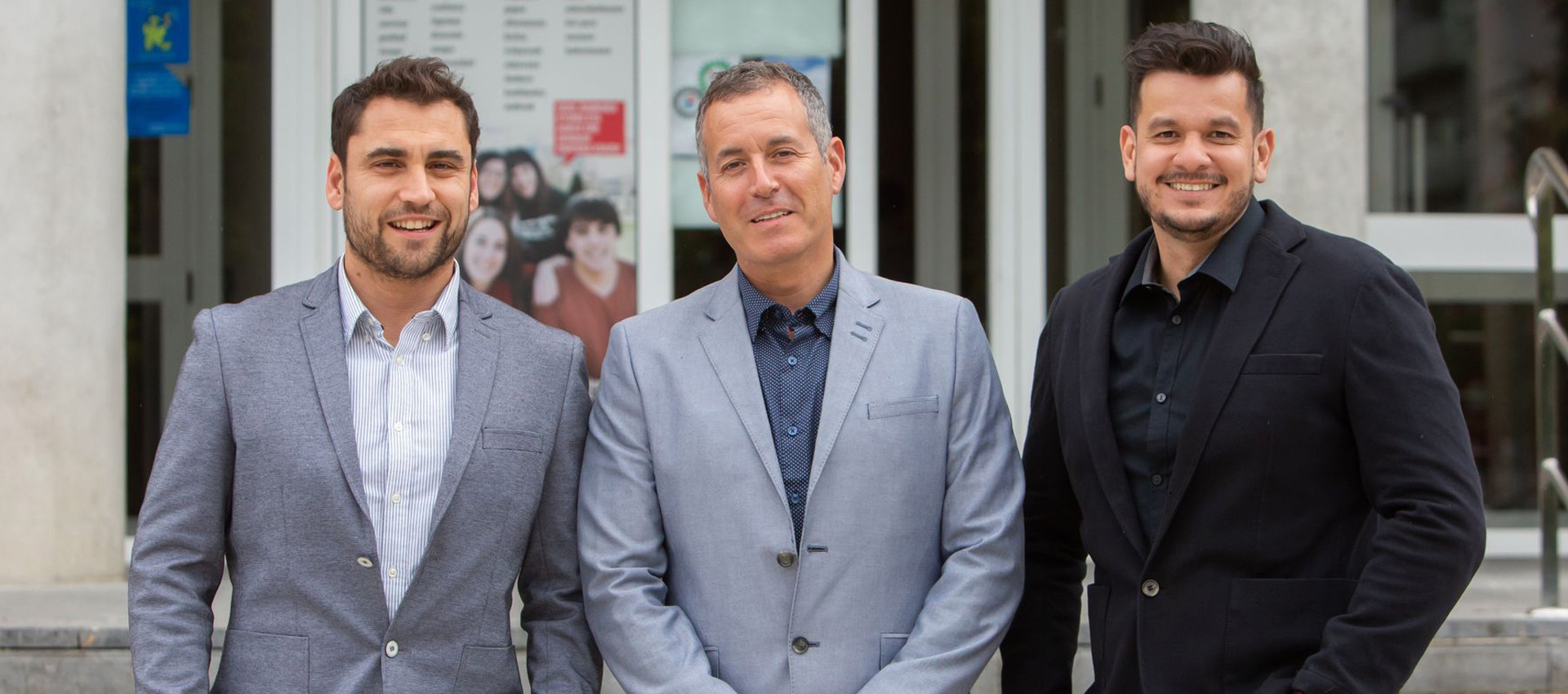
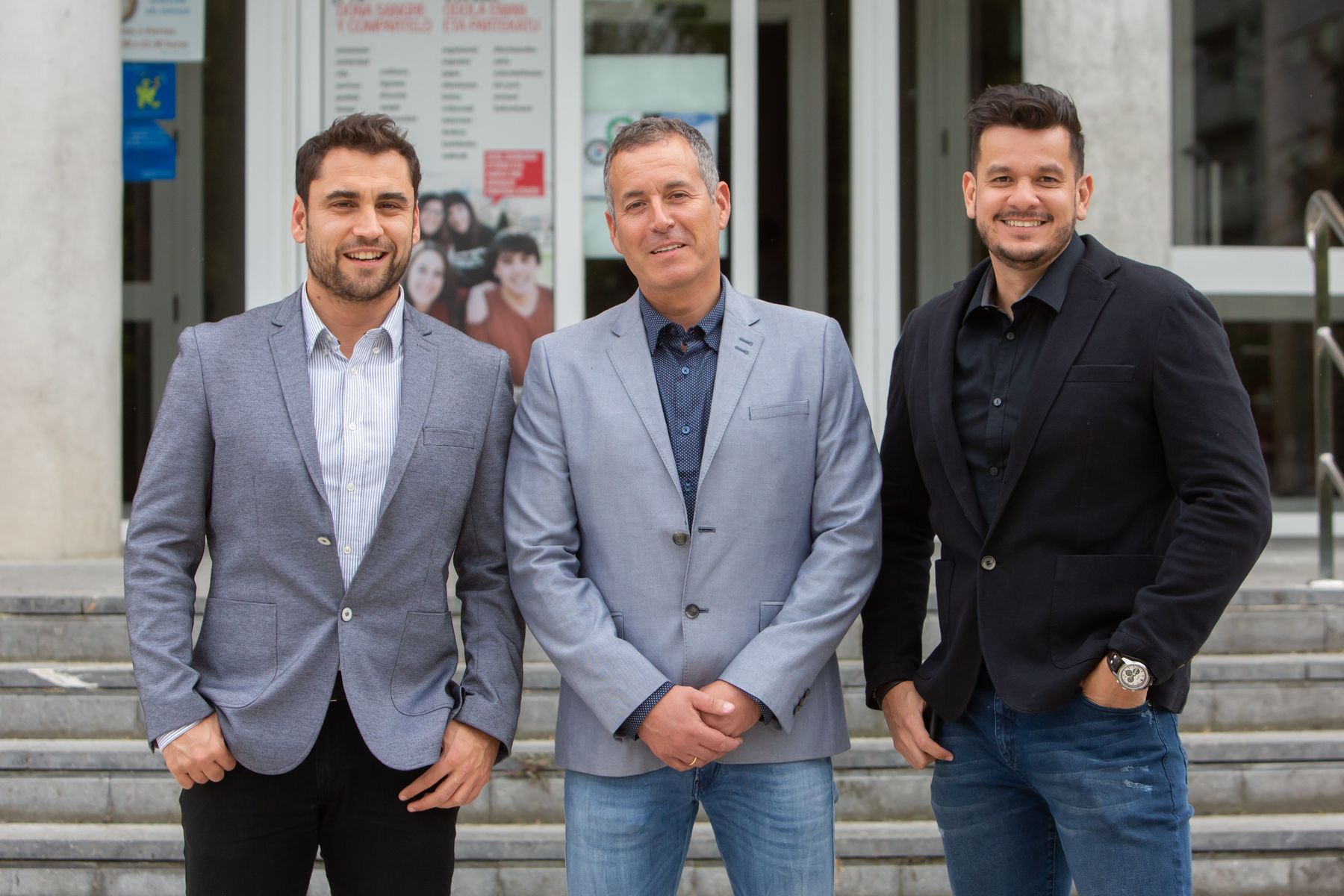
Antonio García-Hermoso, Mikel Izquierdo and Robinson Ramírez.
Download Flecha que indica descarga
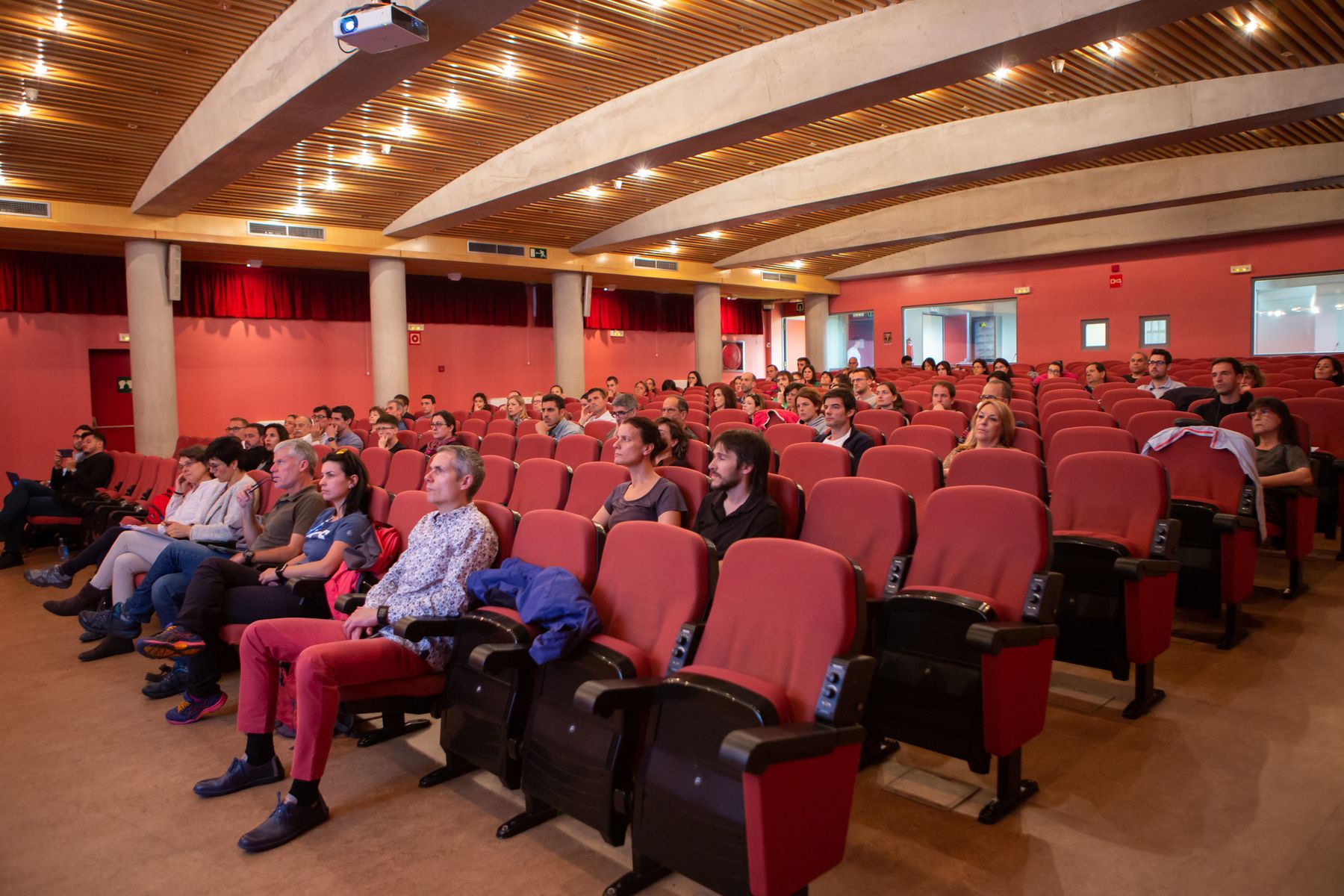
Attendants.
Download Flecha que indica descarga
Documentación
Vídeo
Visor 360º
360º Virtual Tour
Functional training space
Installations
Unidad de investigación / Grupo Vinculado
Contacto
Physical Activity, Children and Youth

Navarrabiomed - Centro de investigación biomédica
Complejo Hospitalario de Navarra, edificio de investigación.
Calle Irunlarrea, 3. 31008 Pamplona, Navarra, España. 

No mostrar en listados de Unidades de Investigación
Off

Neuroepigenetics

Neuroepigenetics

This Research Unit’s goal is to describe the DNA methylation pattern and how it affects the development of neurological diseases, especially degenerative dementias like Alzheimer’s disease. The ultimate goal is to find epigenetic biomarkers that could be used for diagnosis, prognosis and treatment. Research in this field covers other neurological disorders such as epilepsy or multiple sclerosis. The Unit is particularly interested in epigenetic modifications in certain rare monogenic disorders associated with neurological disorders like laminopathies.
The team work in cooperation with other teams from the Navarra Hospital Complex. They study stroke biomarkers along with the Vascular Brain Disease Group, the Neuromuscular Disease and Motor Brain Cell Group and the Multiple Sclerosis Group. Additionally, they aim at describing how environmental factors or targeted activities affect methylation patterns in healthy individuals.

Lines of research:

  • Identification of epigenetic biomarkers in Alzheimer’s and other neurodegenerative diseases.
  • Neurogenesis mechanisms in Alzheimer’s disease: new therapeutic targets.
  • Epigenetic regulation in laminopathies and other rare diseases.
  • Meditation-induced epigenetic modifications.
     
Investigador principal
Área de investigación
Neuroscience
DNA methylation in neurodegenerative diseases such as Alzheimer’s
Actualidad

Iván Méndez-López will present his doctoral thesis on Monday, December 19

Author
Navarrabiomed

Iván Méndez-López, clinician and predoctoral researcher at the Neuroepigenetics Unit from Navarrabiomed - IdiSNA will present his doctoral thesis by the Public University of Navarra next Monday, December 19, at 12:00 in the assembly hall of Navarrabiomed.

The doctoral work, which is entitled "Blood pressure targets for hypertension in people with chronic renal disease", has been developed in the Internal Medicine Service of the University Hospital of Navarra and Navarrabiomed, under the direction of Doctors Juan Erviti López and Luis Carlos Saiz Fernández, researchers of the Innovation and Organization Unit of the Navarra Health Service-Osasunbidea. 


Research development

So far there is no established evidence about the optimal blood pressure figures in people with arterial hypertension (AHT) and chronic kidney disease. Using the proven methodology of the Cochrane organization, Méndez-López's work has carried out the first systematic review that addresses this issue with individualized patient data. After the inclusion of 7,348 patients from six clinical trials, it is concluded that an intensive reduction in blood pressure does not provide greater health benefits than those obtained with a standard reduction in blood pressure (BP) in patients with AHT and chronic kidney disease. The relevance of these conclusions suggests that the current recommendations of BP targets for this population should be amended by the international clinical practice guidelines. 


Dissemination of results

The work carried out has led to a scientific publication in 2019, in the Cochrane Database of Systematic Reviews (CDSR), the main journal and database of systematic reviews in health care: “Blood pressure targets for hypertension in people with chronic renal disease”. In addition, partial results of the study have been disseminated at the thirty-first European Meeting on Hypertension and Cardiovascular Protection, held in June 2022 in Athens, Greece. 

Categoría
Galería de imágenes
Iván Méndez-López
Download Flecha que indica descarga
Documentación
Vídeo

Amaya Urdánoz will present her doctoral thesis on Tuesday, July 5th

Author
Navarrabiomed

The predoctoral researcher of the Neuroepigenetics Unit of Navarrabiomed, Amaya Urdánoz Casado, will be sitting her viva from the Public University of Navarra next Tuesday, July 5th at 11:00 in the Assembly Hall of Navarrabiomed.


The doctoral work, entitled "Identification of circRNAs as candidate epigenetic biomarkers in Alzheimer's disease”, has been developed at Navarrabiomed under the direction of Maite Mendioroz Iriarte and Idoia Blanco Luquin.

This research focuses on Alzheimer's disease (AD), a neurodegenerative, chronic and, at the moment, irreversible disease that represents the first cause of age-related dementia. It is postulated that circular RNAs (circRNAs) play important roles in brain homeostasis, as well as in the development of neurodegenerative diseases. 
The objective of this doctoral thesis is to identify, in patients with AD compared to controls, circRNAs with differential expression in the human entorhinal cortex (CE), a brain region especially vulnerable to AD. To do this, the study of the expression of circRNAs is proposed using a candidate gene and a genome-wide approach.
In the former, candidate gene approach, 10 genes were selected, whose role in AD had already been described in the literature and from which circRNAs originated. 6 circRNAs derived from the APP, ADAM10, CDR1 and HOMER1 genes were identified, of which 4 showed a differential expression in EC between patients with AD and controls. In addition, three potential circRNAs derived from the TREM2 gene were identified for the first time in the EC.

In the second genome-wide approach, new circRNAs differentially expressed in the EC were identified that so far had not been associated with the development of the disease by transcriptome sequencing in patients with AD with respect to controls. In addition, several circRNA-miRNA-mRNA interaction networks (competitive endogenous RNA network, ceRNET) were predicted.
The results obtained show the deregulation of a series of circRNAs in the EC affected by AD with respect to controls, suggesting their potential involvement in the pathogenesis of the disease.


Disclosure of results and financing

The work carried out has resulted in a scientific publication in the International Journal of Molecular Sciences, “Gender-Dependent Deregulation of Linear and Circular RNA Variants of HOMER1 in the Entorhinal Cortex of Alzheimer's Disease”.
In addition, it has been disseminated at several national and international congresses, the Alzheimer's Association International virtual Conference Satellite Symposium, the 15th International virtual Conference on Alzheimer's and Parkinson's Diseases: Mechanisms, Clinical Strategies and promising Treatments of Neurodegenerative Diseases or at the BraYn Conference: Second brainstorming research assembly for young neuroscientists.

For the development of the thesis, Amaya Urdánoz has received several grants for the recruitment of doctoral students by companies and research and knowledge dissemination organizations: industrial doctoral students 2018-2020 and grants for the financing of a predoctoral contract in health sciences and technologies in the period 2019-2022, both funded by the Government of Navarra. She also received an Erasmus scholarship for her stay at Karolinska Intitutet and an aid for the mobility of doctoral students - UPNA Congresses (2021) to attend, with a communication of her research, the 15th International virtual Conference on Alzheimer's and Parkinson's Diseases: Mechanisms, Clinical Strategies and promising Treatments of Neurodegenerative Disease.

Categoría
Galería de imágenes
Documentación
Vídeo

‘la Caixa’ Foundation, Caja Navarra Foundation and Navarrabiomed launch programme to foster public biomedical research in Navarra

Presentación de las líneas de negocio
Author
Navarrabiomed
  • The programme will offer support to the development of studies in digestive medicine, geriatrics, neuroscience and oncology that will bring advancement and excellence in these fields of research.
  • ‘la Caixa’ Foundation and Caja Navarra Foundation are channelling 1.2 million Euro into this programme, to be run by the biomedical research centre Navarrabiomed, where four doctors from the Navarra Health System-Osasunbidea (SNS-O) will carry out quality biomedical research studies.
  • Through this programme, ‘la Caixa’ Foundation and Caja Navarra Foundation will give support to the leading research centres in Navarra during the 2017-2021 period. Universities and research centres will thus get a total 6.4 million Euro.

Ana Díez Fontana, Regional Director of CaixaBank in Navarra; Javier Miranda, Chairman of Caja Navarra Foundation; and Iñigo Lasa, Director of Navarrabiomed, announced the research lines to be developed by doctors Eduardo Albéniz Arbizu, Nicolás Martínez Velilla, Maite Mendióroz Iriarte and Antonio Viudez Berral, who were selected by an external evaluation committee from 12 candidates.

The specialists in the programme will be relieved from part of their medical activity so that they can do research. They need time to develop their scientific projects and produce new knowledge in their medical specialties. The initiative enables the establishment of a critical mass of professionals that combine medical activity with research jobs, thus promoting translational medicine to the benefit of patients and society as a whole.

The four doctors selected to join the programme will soon start working at the labs of Navarrabiomed – the joint biomedical research centre of the Government of Navarra and the Public University of Navarra (UPNA). They will establish separate research units for the development of their projects, based on clinical practice at the Navarra Hospital Complex (CHN), with support from other Navarrabiomed units and platforms.

In addition to streamlining research activities in the respective units, they will encourage the participation of resident medical interns (MIRs) by getting them involved in biomedical research projects, trials and programmes.

Four excellent research projects in digestive medicine, geriatrics, neuroscience and oncology

Eduardo Albéniz Arbizu has worked in a number of hospitals across Spain. He received training in advanced endoscopy in France, Japan and China. Currently, he is working at the Gastrointestinal Endoscopy Unit of the CHN Digestive Medicine Service.

Dr Albéniz specialises in endoscopic mucosal resection (EMR) and endoscopic submucosal dissection (ESD) for the removal of early-stage gastrointestinal tumours. These advanced procedures reduce the number of surgical and other more invasive interventions in the treatment of superficial neoplastic lesions. Resection of colorectal polyps, for example, is the procedure with the highest survival rates observed in screening studies for colorectal cancer carried out in Navarra.
The goal of the project led by Dr Albéniz is to provide evidence for the identification of predicting factors for the effectiveness of resection procedures and other factors associated with potential complications that might be minimised.

Nicolás Martínez Velilla has been the Head of the Geriatrics Unit at CHN since 2015. In 2013, he was appointed head of a team partnered with Navarrabiomed for the promotion of research into different aspects of geriatric medicine.

Dr Martínez Velilla’s proposal includes a thorough study for the prevention of old-age frailty and disability or dependency in hospitals and in the community at large. Furthermore, it includes the creation of a European cross-border network to deal with various aspects of ageing. The project is aimed at rethinking hospitalisation of older adults, prescribing exercise to older patients in hospitals so as to improve their quality of life and increasing the sustainability of the health system.

Maite Mendióroz Iriarte has built her professional career as a doctor and researcher in Pamplona, Barcelona, San Sebastián and New York. Since 2010, she has been a member of the Neurology Department at CHN. Over the past few years, she has received grants from ‘la Caixa’ Foundation, Caja Navarra Foundation and the Government of Navarra to boost activity in the Neuroepigenetics Unit at Navarrabiomed.

Between 2018 and 2021, Mendióroz Iriarte will develop a project whose goal is to identify a potential blood-based epigenetic biomarker for early detection and treatment of Alzheimer’s disease. Her study might become the first step towards the implementation of precision medicine in neurodegenerative diseases.

Antonio Viudez Berral has developed his professional career in Navarra, Catalonia and Baltimore, USA. In 2010, he joined the Medical Oncology Service at CHN. Since then, he has been a researcher at Navarrabiomed as well.

Dr Viudez’s project will study pancreatic neuroendocrine tumours to find accurate markers that predict the effectiveness of certain therapies.

In addition, the Medical Oncology Service will be able to strengthen its scientific activity, establishing new lines of research for the improvement of diagnosis, prognosis and prediction of treatment response and toxicity.

From left to right: Luis Gabilondo, Ana Díez, Maite Mendióroz, Eduardo Albéniz, Antonio Viudez, Nicolás Martínez, Javier Miranda and Iñigo Lasa.


Categoría
Galería de imágenes
Press conference.
Download Flecha que indica descarga
Press conference.
Download Flecha que indica descarga
Luis Gabilondo, Ana Díez, Maite Mendióroz, Eduardo Albéniz, Antonio Viudez, Nicolás Martínez, Javier Miranda and Iñigo Lasa.
Download Flecha que indica descarga
Vídeo

CHN and Navarrabiomed publish innovative study on liquid biopsy for amyotrophic lateral sclerosis diagnosis and follow-up

Author
Navarrabiomed

The Navarra Hospital Complex (CHN) and the biomedical research centre Navarrabiomed have carried out an innovative study of the so-called ‘liquid biopsy’ in amyotrophic lateral sclerosis (ALS) diagnosis and follow-up. The results of this study were published in the international peer-reviewed journal Annals of Translational Medicine.

On the occasion of the Global ALS Awareness Day, members of the multidisciplinary team treating patients with ALS in Navarra shared the latest research and care developments in connection with this disease, including this innovative study of the use of liquid biopsy testing in ALS diagnosis and follow-up.

The leaders of the study were Maite Mendióroz and Ivonne Jericó, doctors from the CHN Neurology Department and researchers at Navarrabiomed. The project was part of the scientific activity done at the Navarra Medical Research Institute (IdiSNA), a public-private agency for the promotion of biomedical research in Navarra. The survey involved ALS patients and a control group (individuals without ALS), and professionals from the departments of Neurology and Anaesthesiology and the Nursing Team at CHN, and the Neuroepigenetics Unit at Navarrabiomed.

According to the study coordinators, one of the biggest weaknesses in research into neurodegenerative disease is the difficulty to access and study the nervous tissue of living patients. In order to address this difficulty, the study analyses the application of liquid biopsy testing, a technique recently developed in the field of cancer research, to ALS diagnosis.

Liquid biopsy is based on the fact that, when cells degenerate and die, their contents – including DNA – flow into the bloodstream. The released DNA molecules contain biochemical information about the original cells (hence the name ‘biopsy’) – in this case, diseased neurons. The original cell contents can be isolated and analysed in blood samples (hence the name ‘liquid’). The researchers have successfully used this technique with ALS patients to identify a new gene, RHBDF2, as a biomarker for ALS diagnosis in the future.

‘To the best of our knowledge, this is the first time ever liquid biopsy has been used to diagnose neurodegenerative diseases. The results have been encouraging so far. Now we are planning to extend the technique to other neurodegenerative diseases, such as Alzheimer’s disease,’ the doctors said, adding that the survey was made possible by the generous participation of patients and their families, and the volunteers in the control group.

A multidisciplinary team, 11 years and more than 200 patients

The team treating ALS patients in Navarra have striven to promote ALS research right from the start. Currently, two researchers at the Navarrabiomed Neuromuscular Disease and Motor Neuron Disease Group (headed by Dr Jericó) are working on ALS for their PhD projects, and other four projects address this neurodegenerative disease – specifically, the identification of biomarkers for diagnosis and follow-up, the role of neuroinflammation, the underlying mechanisms, the analysis of genetic factors, and the study of epidemiological aspects and disability.
The Group coordinates both research and care activities, and collaborates with the Navarrabiomed Proteomics and Biobank platforms, the Neuroepigenetics Research Unit (headed by Dr Mendióroz) and the Navarra Public and Occupational Health Service (Rare Disease Registry).

Amyotrophic lateral sclerosis is a progressive nervous system disease with a heterogeneous clinical presentation but common symptoms like muscle weakness and progressive muscular atrophy. Prognosis is variable among patients. About 5 to 10 per cent of ALS is familial, which means it arises in families in which there is a history of ALS. The other 90 to 95 per cent of ALS is sporadic, meaning it occurs without a family history, its causes still being unknown. Every year, 1 to 2 people every 100,000 are diagnosed with ALS. Despite being a rare disease, it has a deep social and family impact. Currently, there is no cure for ALS, but this does not mean there is no treatment.

ALS care involves multiple disciplines. On the occasion of the Global ALS Awareness Day the multidisciplinary team at CHN shared an informative brochure with patients and their families, highlighting the importance of coordinated social and health care through multidisciplinary units or teams. Active for 11 years now, the CHN team have treated over 200 patients to date.

Navarra has been one of the first Spanish regions to implement a multidisciplinary care model for ALS patients. Since 2007, the region has been offering comprehensive, coordinated care to them and their families, through a multi- and interdisciplinary team whose members include a neurologist, (Dr Ivonne Jericó), a nutritionist (Dr Ana Zugasti), two pulmonologists (Dr Joan Boldú and Dr Begoña Fernandez), a neurophysiologist (Dr Asun Ibiricu), an intensive care physician (Dr Juan Pedro Tirapu), a social worker (Rakel Suescun), neurology nurses, dieticians, a palliative care service and members of the Psychological and Social Support Service at San Juan de Dios Hospital (Yolanda Santesteban and Ana Baños).

From the beginning, the team set out to offer adequate, tailored, patient-centred social and health care, while promoting research as the key to finding an effective treatment for ALS.
 

Image: Members of the multidisciplinary team treating patients with ALS in Navarra.

Categoría
Documentación
Vídeo
Documentation
Colaboraciones externas
Vídeo
IBEAS - PLUS
IBEAS - PLUS
Maite
Mendioroz Iriarte
Head of the Unit
Visor 360º
360º Virtual Tour
Neuroepigenetics
Lab
Colaboradores/as
Cabada Giadas, Mª Teresa
Hospital Universitario de Navarra
Cabello González, Carolina
Hospital Universitario de Navarra
Echavarri Zalba, Carmen
Hospital Universitario de Navarra
Erro Aguirre, Elena
Hospital Universitario de Navarra
Larumbe Ilundain, Rosa
Hospital Universitario de Navarra
Méndez López, Iván
Hospital Universitario de Navarra
Sánchez Ruiz de Gordoa, Javier
Hospital Universitario de Navarra
Unidad de investigación / Grupo Vinculado
Contacto
Neuroepigenetics

Navarrabiomed - Centro de investigación biomédica
Complejo Hospitalario de Navarra, edificio de investigación.
Calle Irunlarrea, 3. 31008 Pamplona, Navarra, España. 

No mostrar en listados de Unidades de Investigación
Off

Respiratory Disease

Grupo implicado en la investigación de los aspectos relacionados con el diagnóstico y tratamiento de enfermedades respiratorias. Se trata de un grupo multidisciplinar compuesto por investigadores del servicio de neumología del CHN así como de investigadores de la Universidad Pública de Navarra.

Investigador principal
Área de investigación
Primary Care & Healthcare Services
Diagnóstico y tratamiento enfermedades respiratorias
Colaboradores/as
Gómez Fernández, Marisol
Universidad Pública de Navarra
Unidad de investigación / Grupo Vinculado
Contacto
Respiratory Disease

Navarrabiomed - Centro de investigación biomédica
Complejo Hospitalario de Navarra, edificio de investigación.
Calle Irunlarrea, 3. 31008 Pamplona, Navarra, España.  

Anaesthesiology, Reanimation and Pain Management

Nuestras líneas de investigación se centran en el desarrollo de estrategias que aumenten la seguridad de los pacientes que van a someterse a procedimientos quirúrgicos. Nuestro objetivo es disminuir las complicaciones perioperatorias y mejorar el pronóstico de dichos pacientes.

Investigador principal
Equipo de investigadores
Área de investigación
Primary Care & Healthcare Services
Seguridad en pacientes - procedimientos quirúrgicos
Unidad de investigación / Grupo Vinculado
Contacto
Anaesthesiology, Reanimation and Pain Management

Navarrabiomed - Centro de investigación biomédica
Complejo Hospitalario de Navarra, edificio de investigación.
Calle Irunlarrea, 3. 31008 Pamplona, Navarra, España.