
Oncología Médica Traslacional
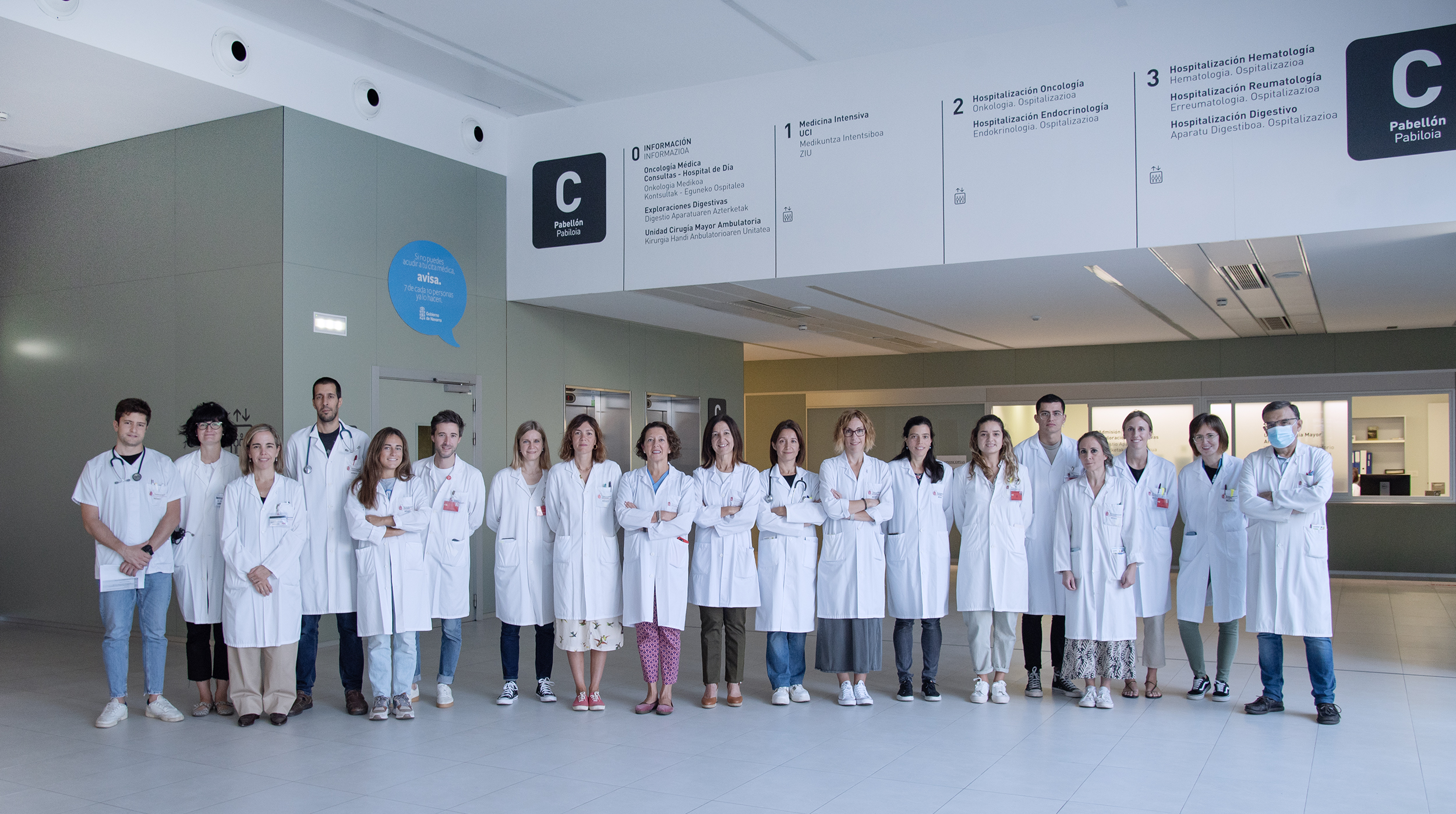
The Translational Medical Oncology Unit focuses on developing research programmes that support the implementation of precision medicine in the field of medical oncology in Navarra. To this end, the unit integrates translational research, understood as the link between clinic and laboratory, and basic research, understood as the study of the biology that characterizes carcinogenesis and its progression. The unit is structured around three research areas, with a single central core: the cancer patient. The Unit has funding for all of them, thanks to scholarships awarded in national and local competitive calls.
Unit led by two co-PIs
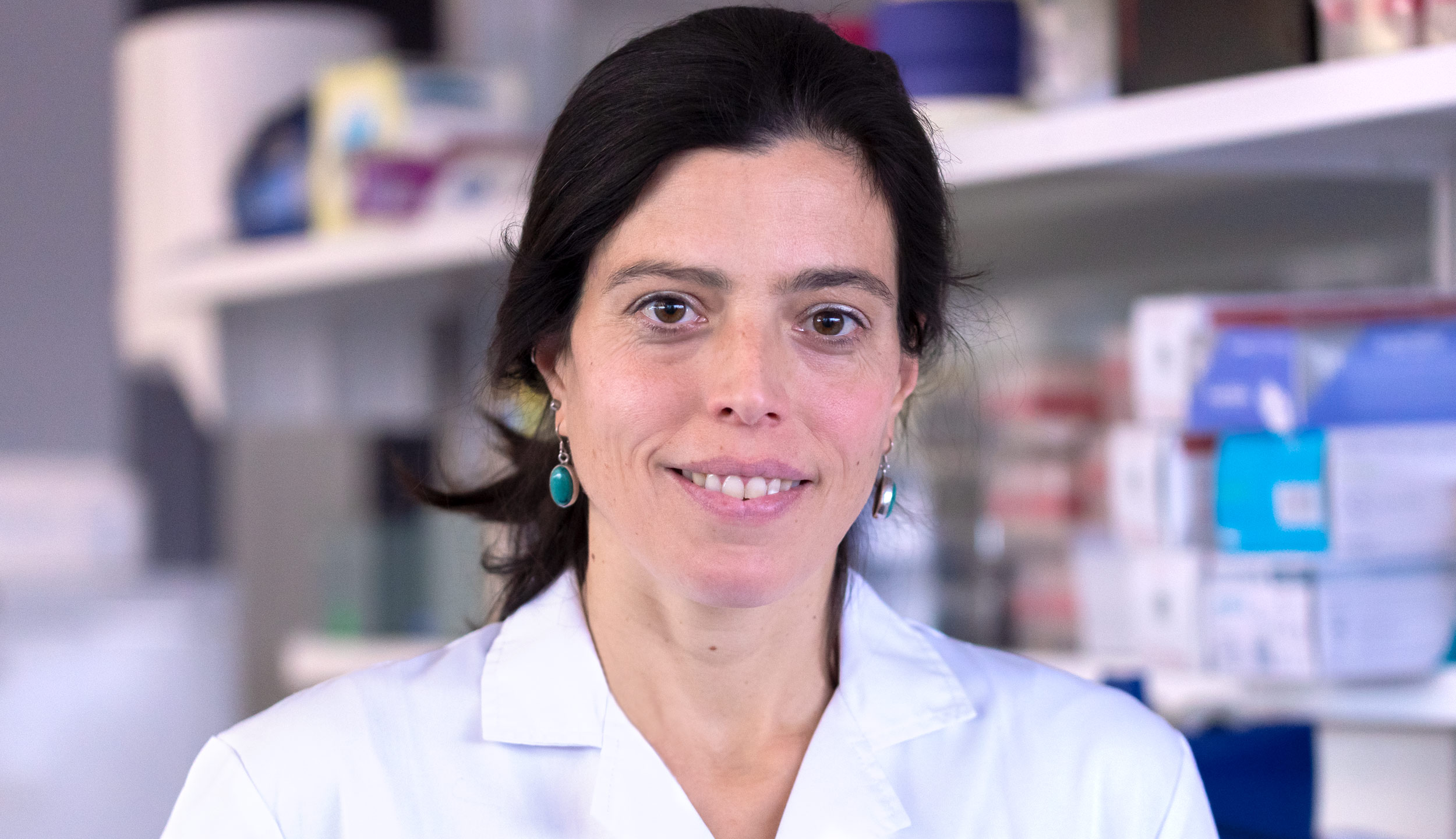
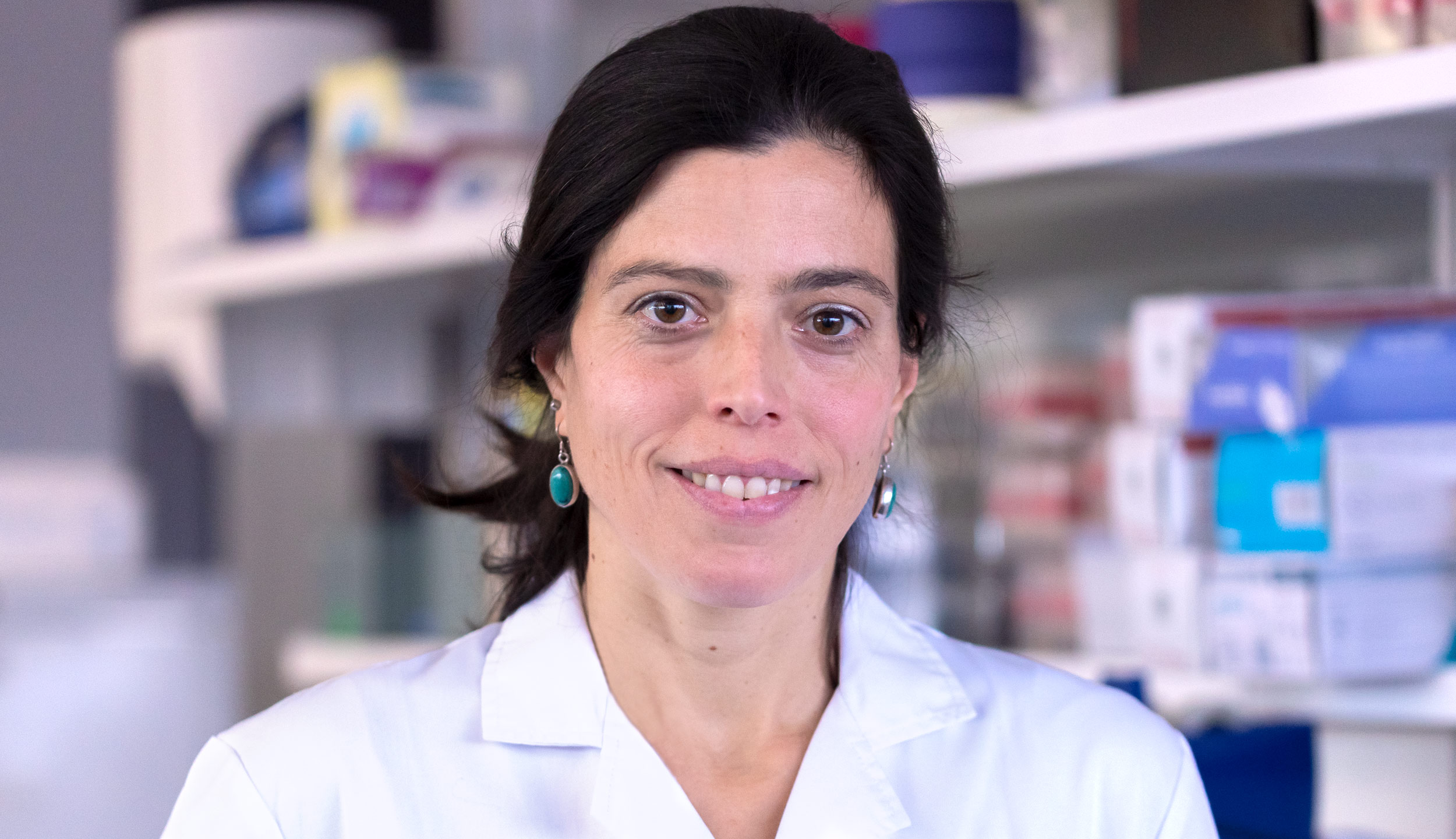
Principal Investigator: Maria Alsina
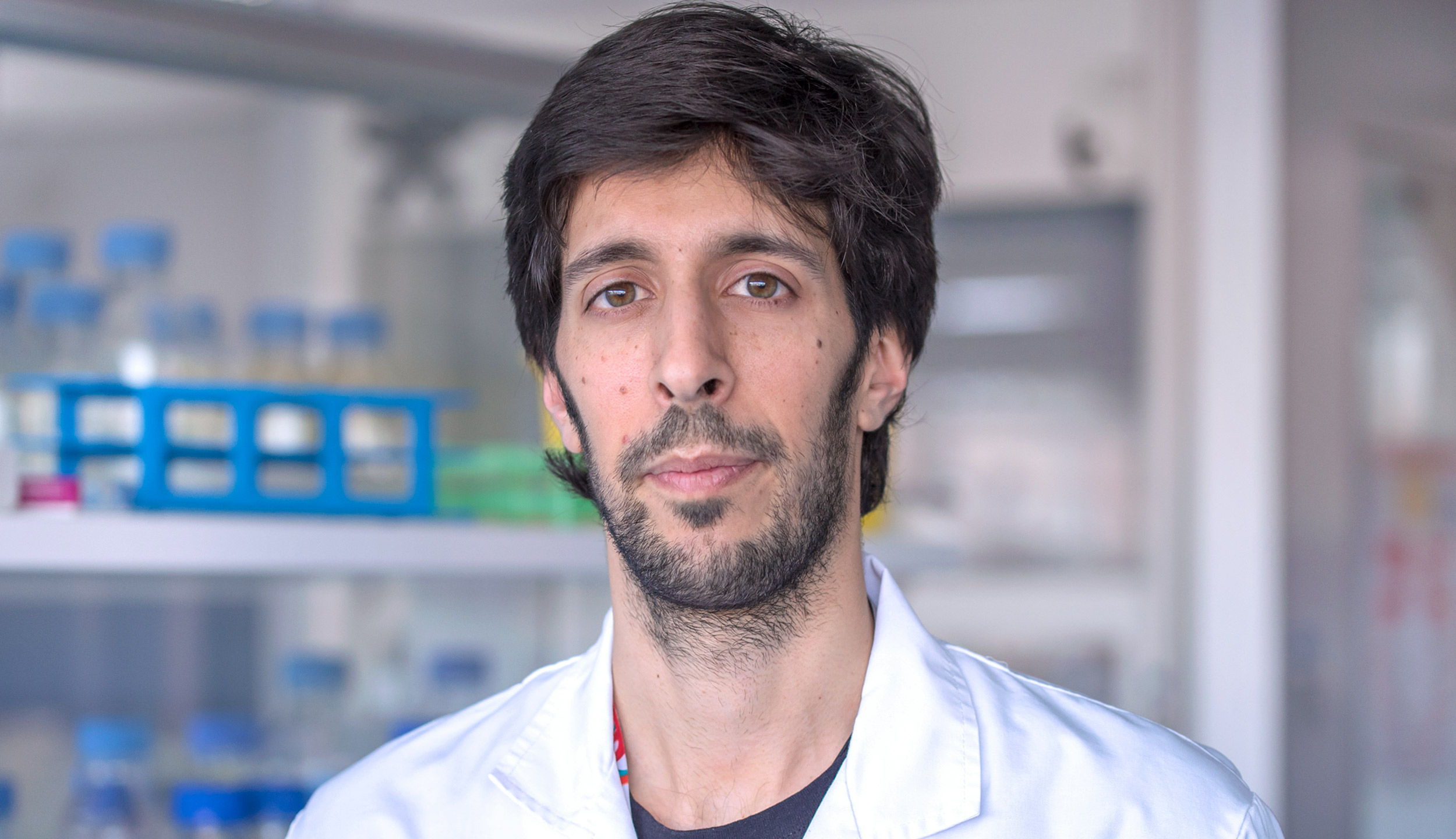
Co-Investigator: Hugo Arasanz
Translational Medical Oncology Unit Identifies a Key Biomarker to Predict Resistance to Immunotherapy in Lung Cancer Patients with High PD-L1 Levels
The study describes the underlying molecular alterations and offers more effective therapeutic options.
Professionals from Navarrabiomed’s Translational Medical Oncology Unit Identify a New Biomarker Capable of Predicting Resistance to Immunotherapy in Lung Cancer Patients with High PD-L1 Levels. This discovery provides a better understanding of the underlying molecular alterations that drive resistance and opens the door to new therapeutic strategies to overcome it.
The findings, recently published in the Translational Oncology Journal, are part of a broader research project led by Hugo Arasanz, Co-Principal Investigator of the Translational Medical Oncology Unit at Navarrabiomed and medical oncologist at the University Hospital of Navarra. The study also forms part of the doctoral research of Natalia Castro, a predoctoral researcher in the unit and currently a medical oncologist at the University of Navarra Clinic. In addition, the team from Navarrabiomed’s Oncoimmunology Unit played an active role in the study.
Research details
Lung cancer is the leading cause of cancer-related mortality worldwide, and treatment options vary according to tumoral PD-L1 expression. In patients with metastatic disease, which is the most common stage at diagnosis, immunotherapy is the standard treatment when PD-L1 expression is high. Conversely, when PD-L1 expression is low, immunotherapy must be combined with chemotherapy.
However, approximately half of patients with high PD-L1 expression do not respond to immunotherapy, and until now the underlying mechanisms responsible for this resistance remained largely unknown.
The Navarrabiomed team has identified a specific population of immune cells circulating in the bloodstream, known as low-density neutrophils (LDNs), as being responsible for this resistance. Elevated levels of these cells act as a biomarker predicting a poorer response to immunotherapy. Importantly, the study demonstrates that these same patients can benefit from a combination of chemotherapy and immunotherapy, making it possible to overcome this initial resistance.
This finding has significant clinical implications, as it could enable treatment to be tailored from the outset according to each patient’s profile, potentially improving clinical outcomes. Specifically, patients with high PD-L1 expression who also present elevated levels of low-density neutrophils could be treated with chemoimmunotherapy, thereby reversing their initial resistance to treatment.
Furthermore, the technique used to detect low-density neutrophils is already available in hospitals, which would facilitate its implementation in routine clinical practice.
Funding and dissemination
This research was made possible thanks to funding and support from the Spanish Association Against Cancer (AECC) through the SEOM Grant for Translational Research Projects in Immuno-Oncology 2023 and the AECC Junior Clinical Fellowship 2019, as well as from the Government of Navarra through the Government of Navarra Intensification Grant 2024.
In addition to the aforementioned publication, the results have already been presented at five international and three national oncology conferences of recognized relevance.
The professionals of the Translational Medical Oncology Unit are currently seeking additional funding to validate these findings through a prospective randomized clinical trial. In parallel, they also plan to assess the results within ongoing international clinical trials.
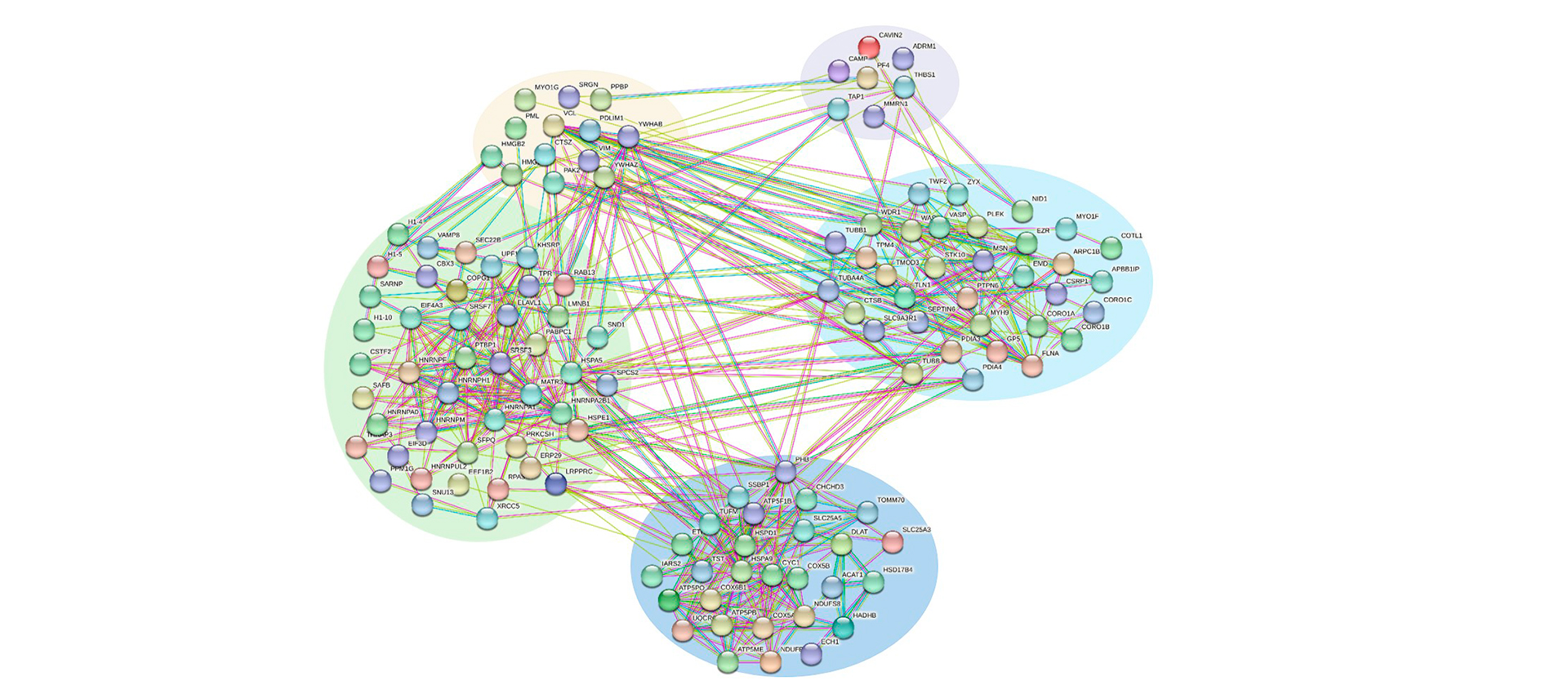
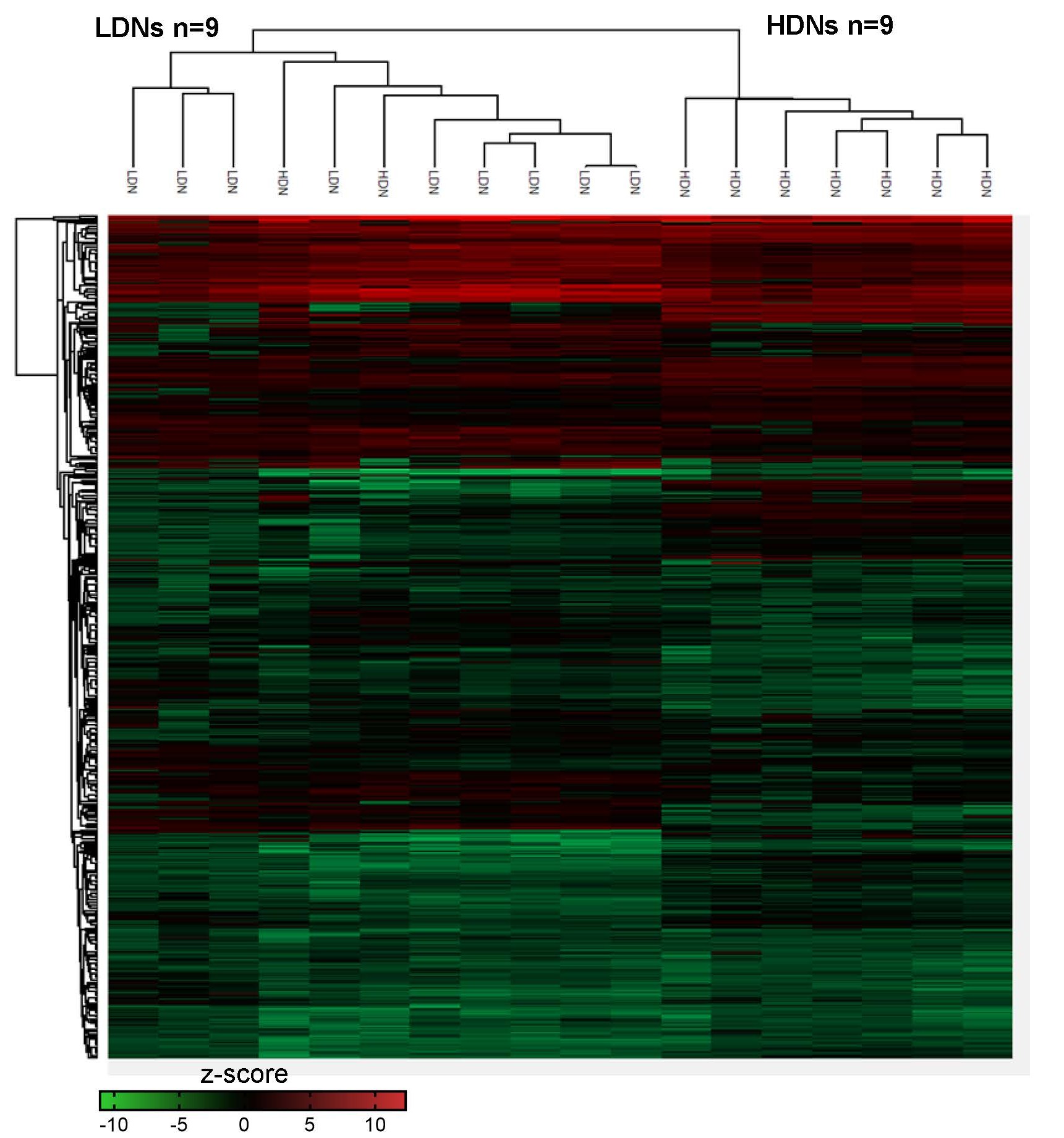
Figure 1: Heat map representing the complete proteome identified in low-density neutrophils (LDNs) (n = 9) compared with high-density neutrophils (HDNs) (n = 9), showing overexpressed proteins (red) and underexpressed proteins (green), ranging from a z-score of −11.28 (green) to +12.83 (red).
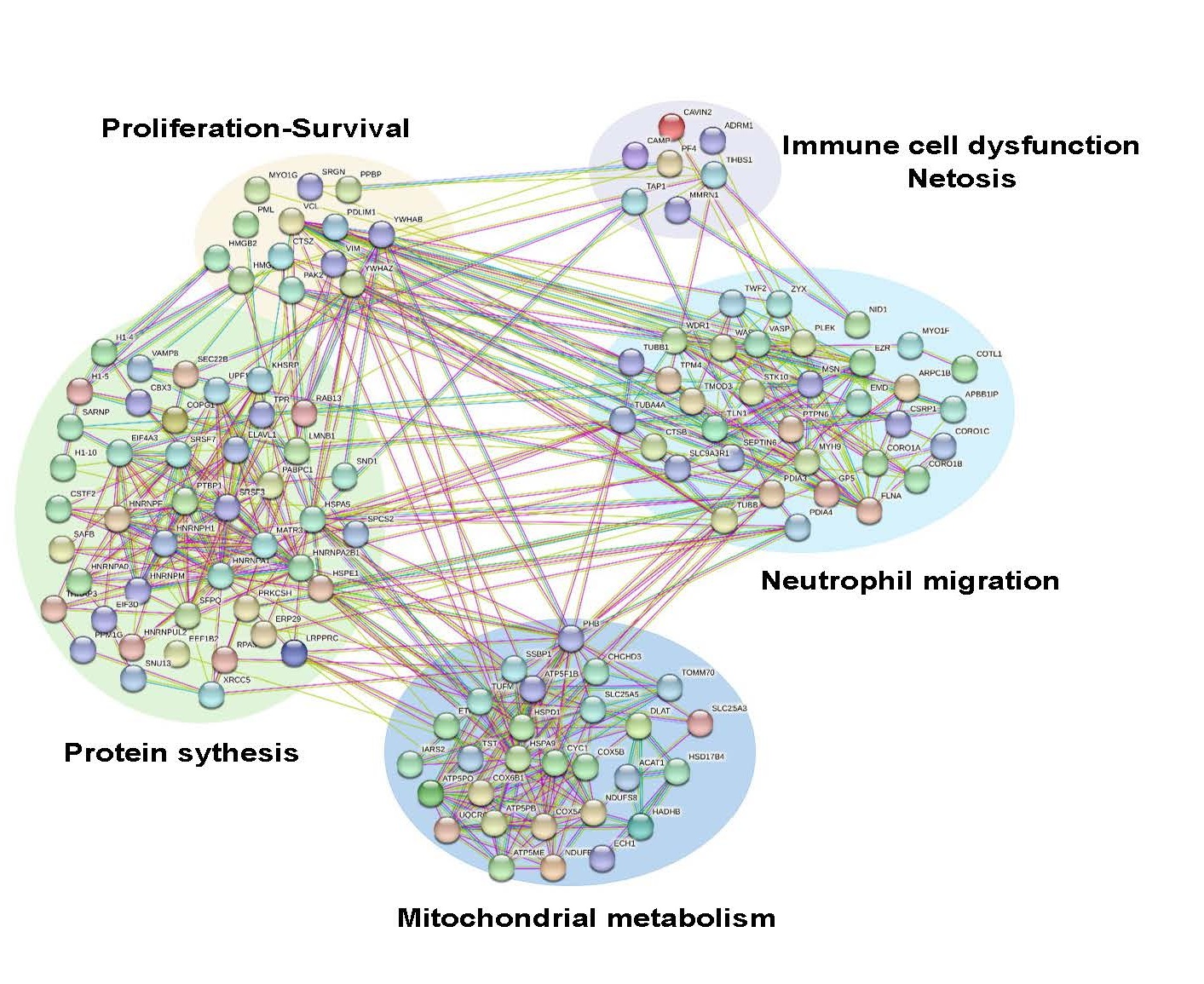
Figure 2: Subgroups of proteins overexpressed in low-density neutrophils (LDNs) compared with high-density neutrophils (HDNs), organized according to functionality and interactions. Functional interactomes representing proteins overexpressed in LDNs compared with HDNs, grouped by biological function.
Ibone Labiano recibe una ayuda postdoctoral de la Asociación Española Contra el Cáncer en Navarra dotada con 160.000 euros
- La Asociación ha adjudicado en Navarra un total de 9 de ayudas por 1.062.655 euros en 2024
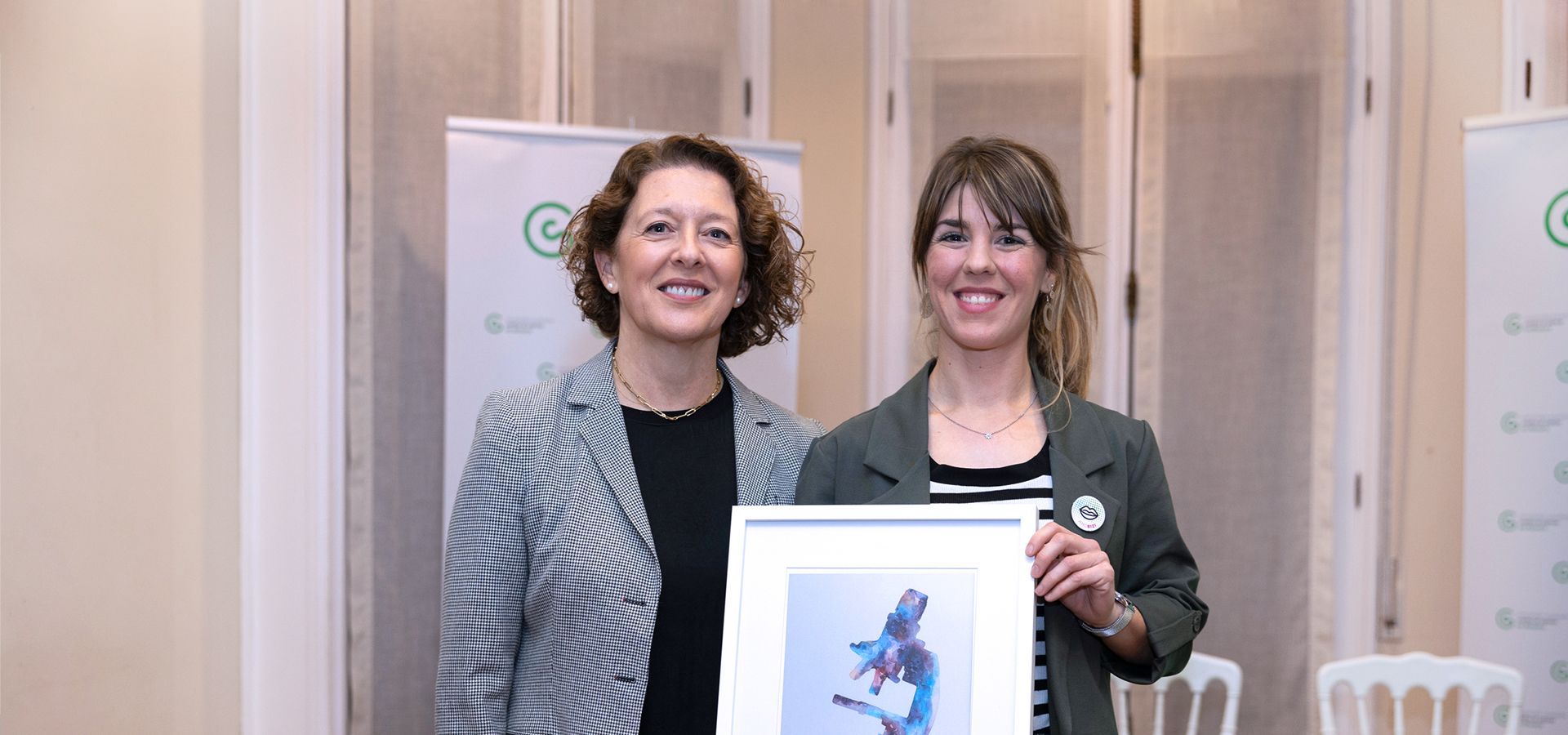
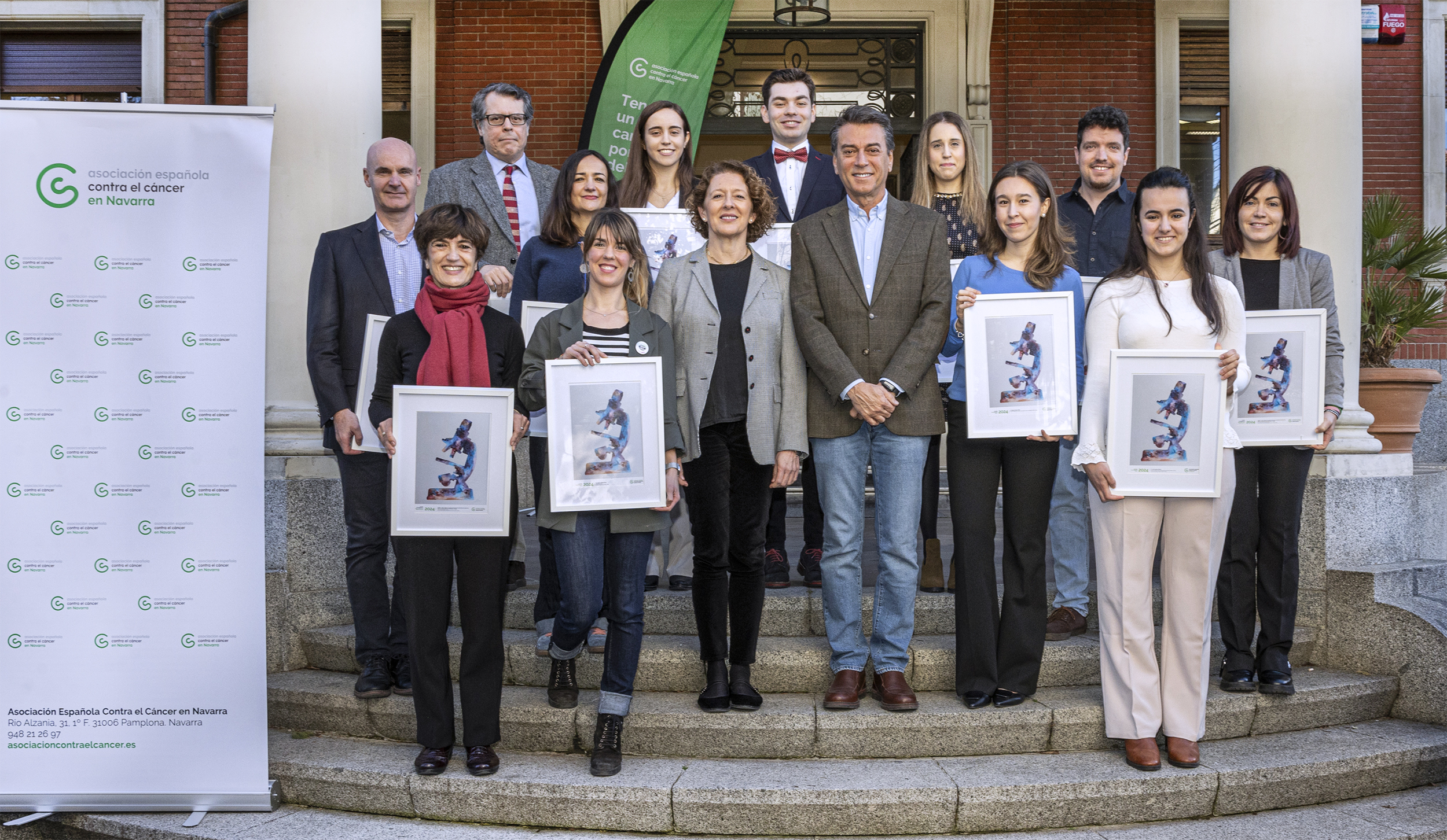
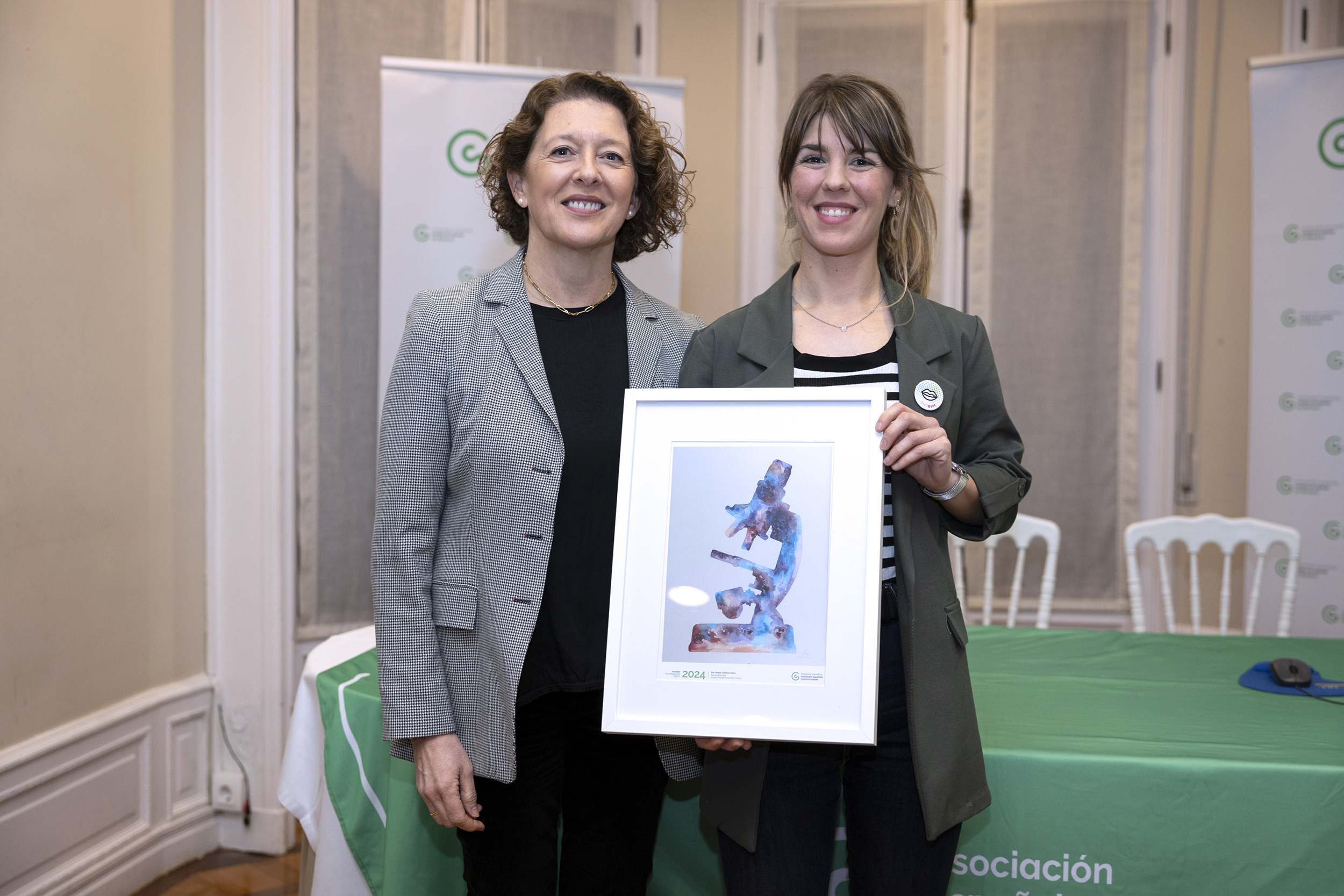
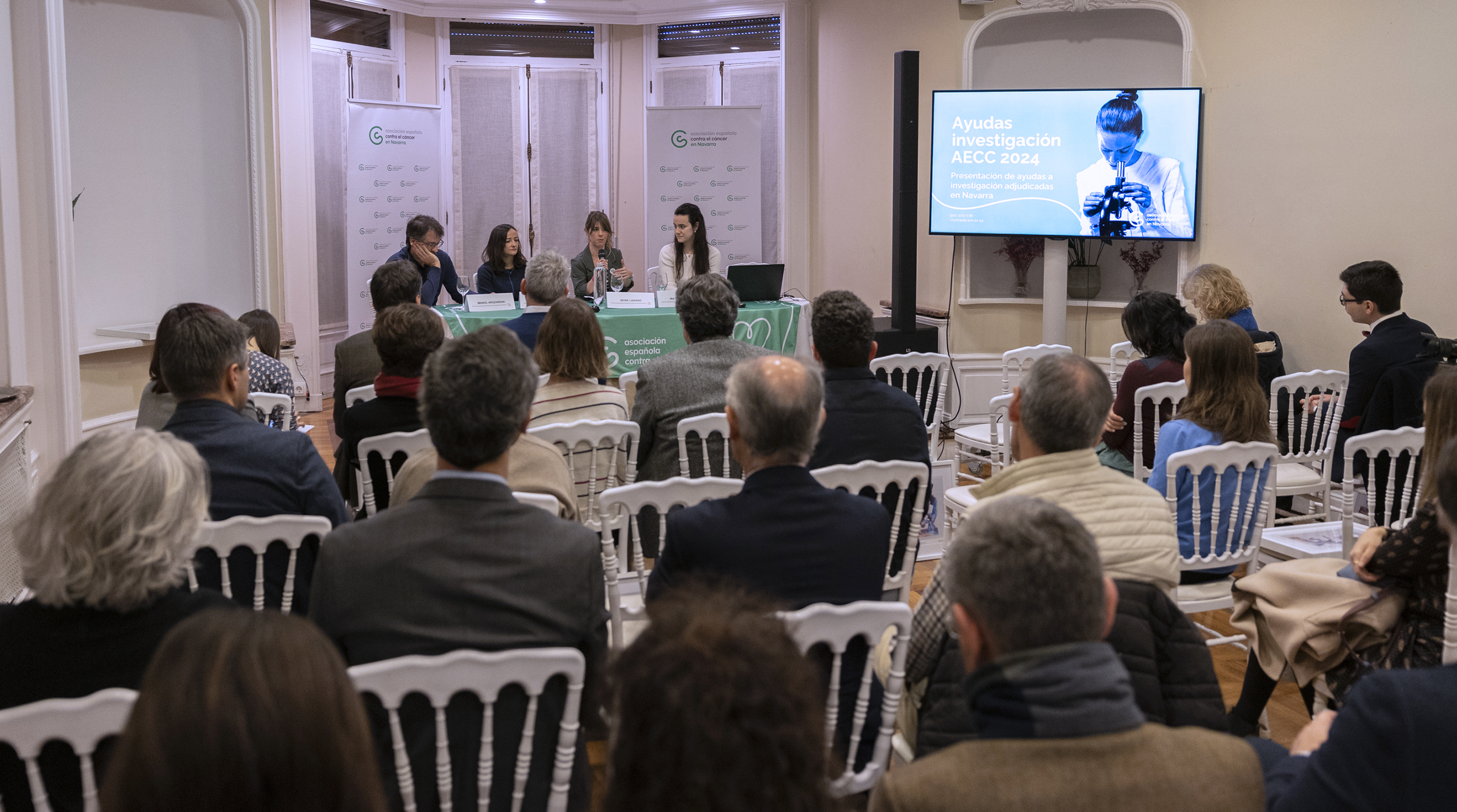
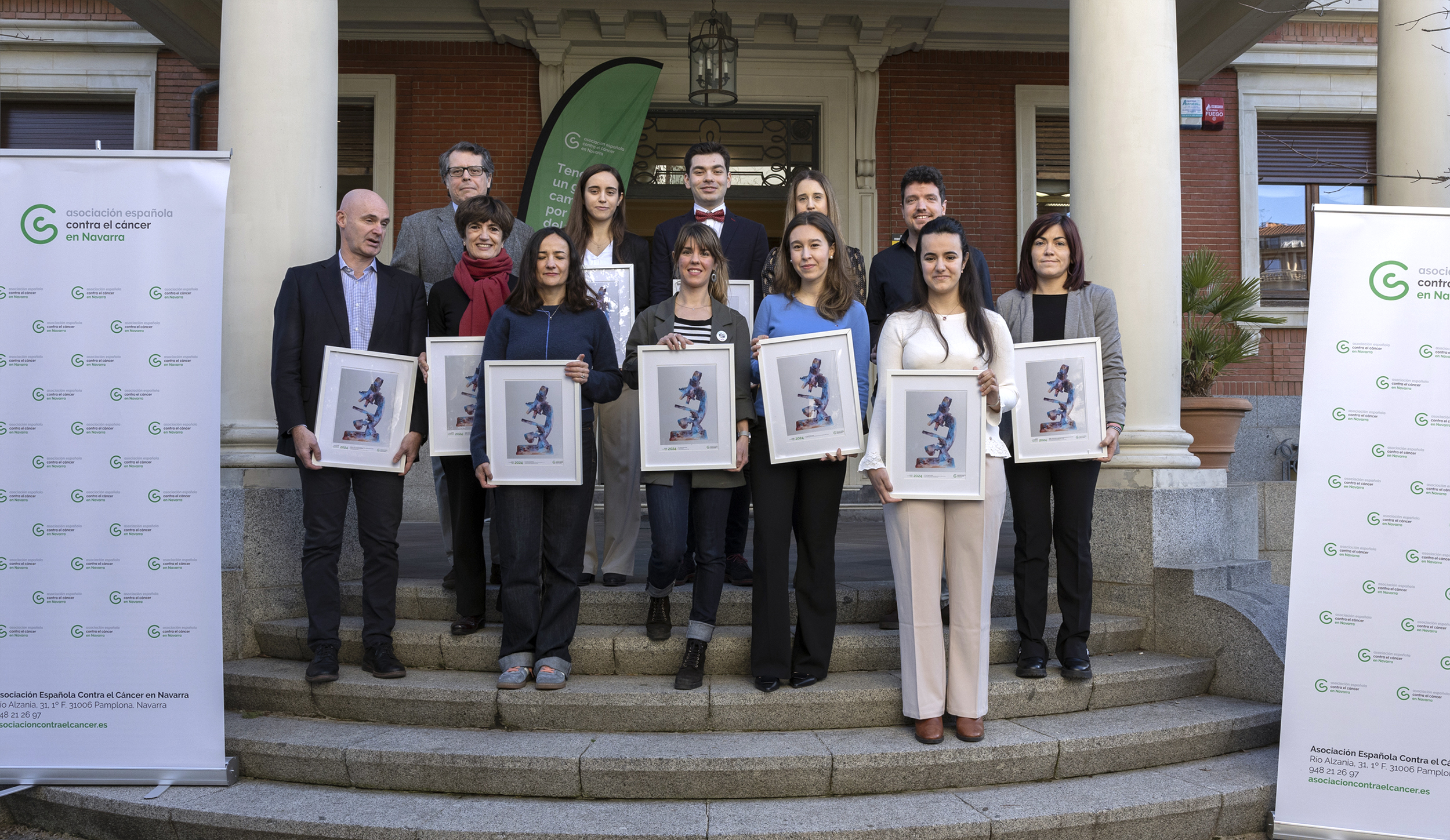
La Asociación Española Contra el Cáncer en Navarra ha presentado esta mañana un total de 9 ayudas por 1.062.655 euros adjudicadas en 2024 en la comunidad foral, y sumando años anteriores hay en total, actualmente en Navarra 47 ayudas en desarrollo con una aportación total de 10.284.688 €. La investigadora de Navarrabiomed Ibone Labiano ha recibido una de las ayudas por valor de 160.000 euros.
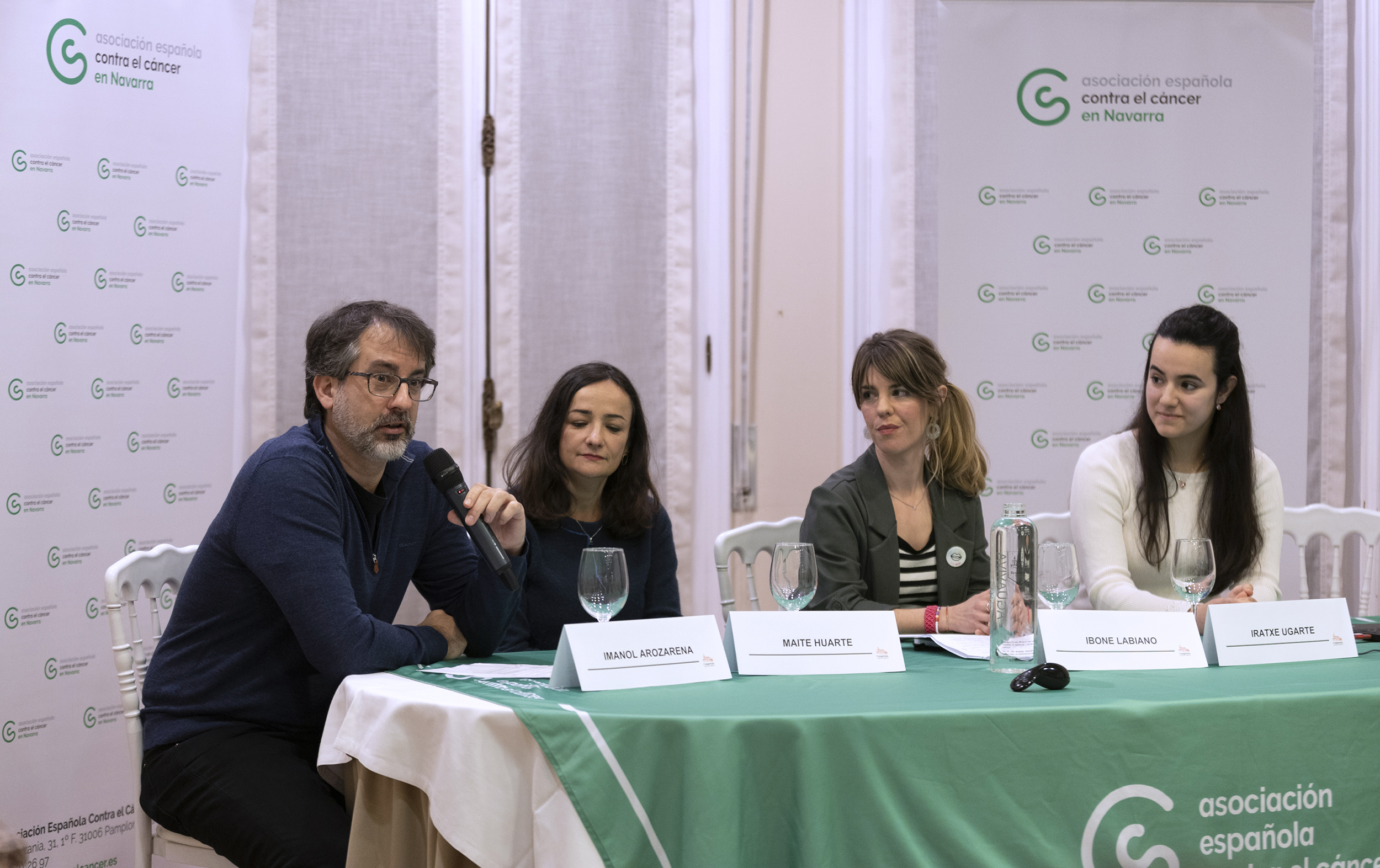
Ibone Labiano forma parte de la Unidad de Oncología Médica Traslacional y en ella investiga las características distintivas del cáncer gastrointestinal de aparición temprana con el objetivo de mejorar el pronóstico y calidad de vida del paciente joven. La investigadora se ha mostrado agradecida e ilusionada por el apoyo de la Asociación, que le permite continuar con su investigación en Navarrabiomed: “Mi proyecto se centra en el cáncer gastrointestinal de aparición temprana, aquel que se diagnostica en pacientes menores de 50 años, y tiene como objetivo mejorar su pronóstico y calidad de vida”.
En el acto también han recibido sendas ayudas Sofía Huerga, Paula Rodríguez y Maite Losarcos de UNAV-CCUN; así como a Julio José Jiménez, Iratxe Ugarte, Maite Huarte, Adrián Gil y Miryam Vacas de CIMA-CCUN.
Apoyo a la investigación oncológica
La investigación oncológica es una prioridad, ya que en España se diagnostica un caso de cáncer cada 2 minutos, y 1 de cada 2 hombres y 1 de cada 3 mujeres tendrá cáncer a lo largo de su vida. En la comunidad de Navarra fueron diagnosticados en 2024 4.084 casos nuevos de cáncer. La Asociación en Navarra atendió en 2024 a 2.487 personas a través de sus servicios gratuitos atendidos por profesionales
Estas ayudas, como todas las que impulsa la Asociación, tienen como principal objetivo aumentar la supervivencia en cáncer para superar el 70% en el año 2030, mejorar los tratamientos que reciben los pacientes y mejorar su calidad de vida.
Las Ayudas AECC 2024 cubren todas las fases de la carrera investigadora y sus líneas estratégicas son:
- Aumentar la financiación con especial foco en cánceres de baja supervivencia.
- Atraer el talento investigador para fomentar la estabilidad laboral de los investigadores.
- Impulsar la innovación y la investigación clínica para que los resultados lleguen al paciente.
Reto AECC 70%
Por último, en el acto se han presentado a los grupos navarros que participan dentro de los proyectos de Reto AECC 70% Supervivencia, enfocados en la investigación de cánceres de baja supervivencia. Ésta es la mayor ayuda para investigar tumores de baja supervivencia como los cánceres de pulmón y de hígado y contribuye al objetivo de la Asociación para superar el 70% de supervivencia en cáncer en 2030: un total de 18 millones de euros a escala nacional.
Una ayuda para la investigación del cáncer de pulmón de células pequeñas por un importe de 10 millones de euros y con una amplia representación geográfica; y una ayuda para la investigación del cáncer de hígado con una inversión de 8 millones de euros.

Researchers at the HUN lead a study funded by the Instituto de Salud Carlos III concerning gastrointestinal cancer in the young population
- The project, which also involves researchers from Navarrabiomed and IdiSNA, will be carried out in collaboration with hospitals from a further three autonomous communities.
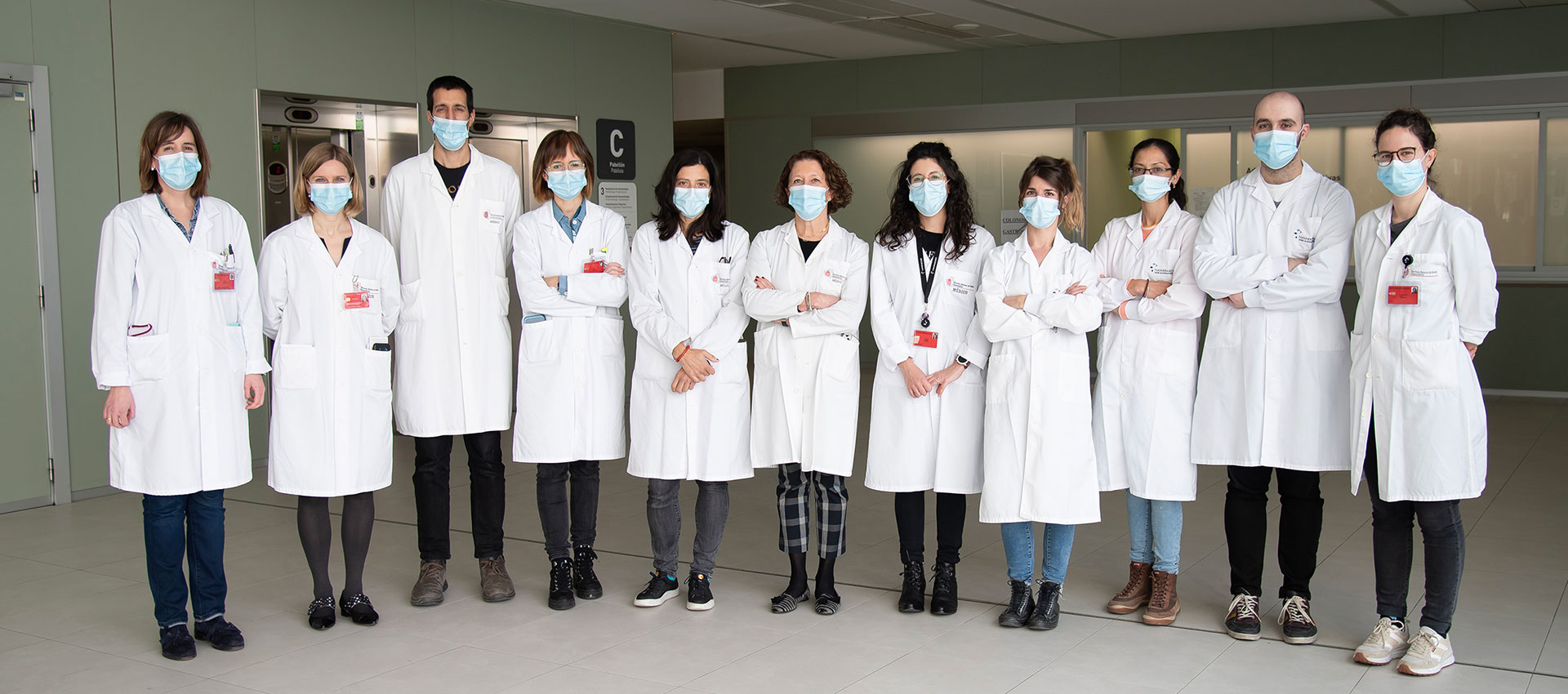
Researchers from the Hospital Universitario de Navarra (HUN) will coordinate a transversal, multicentre study of early-onset gastrointestinal cancer, considered to be that diagnosed in young patients (less than 50 years of age), in whom the incidence of this type of cancer has increased alarmingly over the past few decades.
Gastrointestinal cancer included, amongst others, colorectal, gastric and pancreatic tumours, which in Spain are the second, fourth and seventh leading causes of cancer-related death, respectively. In Navarra, colorectal cancer was the second most common tumour last year in both males and females, according to data released this week by the Cancer registry of the Institute for Public and Occupational Health of Navarra (ISPLN) on the world day for that disease, which is held next Sunday (4th February).
The project has been funded via the IdiSNA as part of the R&D&i 2023 call for proposals from the Instituto de Salud Carlos III aimed at healthcare research projects and is headed by the researcher Maria Alsina, a specialist in the Medical Oncology department at the HUN and head of the Translational Medical Oncology Unit at Navarrabiomed, where she is funded by the intensification program set up by the Fundación “la Caixa”, and member of the Oncobiona group at IdiSNA.
Researchers from Navarrabiomed and IdiSNA are also participating in the study, which is carried out in cooperation with the different departments at the HUN involved in the management of gastrointestinal cancer, namely Anatomical Pathology, Surgery, Digestive, Endocrinology and Nutrition, Radiation Oncology and Radiology. Three healthcare centres from neighbouring autonomous communities, namely the Hospital Universitario Donostia, Hospital Miguel Servet (Zaragoza) and Hospital San Pedro (Logroño), are also collaborating with the study.
The main objective of the study is to identify the differentiating characteristics of early-onset gastrointestinal cancer in comparison with the later-onset type, both overall, combining the three types of tumours, and for each one separately. To that end, a global approach that includes parameters concerning both the patient’s environment and the disease itself, will be applied. Thus, demographic and clinical variables and others related to their lifestyle, as well as histopathological data for the tumour, will be collected for each patient included in the study.
Sample of 240 patients in a limited geographical setting
It is expected that up to 240 patients (80 younger than 50 years and 160 who have developed this disease at an older age) will participate in the study. The geographical setting for the sample is the north of Spain, therefore the collaboration of the aforementioned hospitals is required. The heads of the research consider that the availability of real-life data for patients diagnosed in a limited setting may help to better understand this type of cancer in our environment and allow prevention strategies to be developed, especially as regards healthy lifestyle habits. In this sense, it should be noted that the majority of cases of early-onset gastrointestinal cancer occur due to environmental, lifestyle and behavioural, nutritional and biological factors rather than being hereditary.
In addition to the preventive approach, a more in-depth understanding of the onset of tumours in young patients may also help the diagnostic and therapeutic approach in this population group. The availability of data that allow an early diagnosis will increase the probability of effective curative treatments and reduce the impact of the disease on the life of these patients (educational or work activities, responsibilities for children or family members) and increase their potential longevity.
In addition, young patients with digestive tumours face unique challenges and needs, such as possible effects on their body image after aggressive surgery, or potential long-term side-effects of chemo- and radiotherapy treatments on their cardiovascular, sexual and reproductive health, in addition to the possible influence on the onset of new neoplasms.
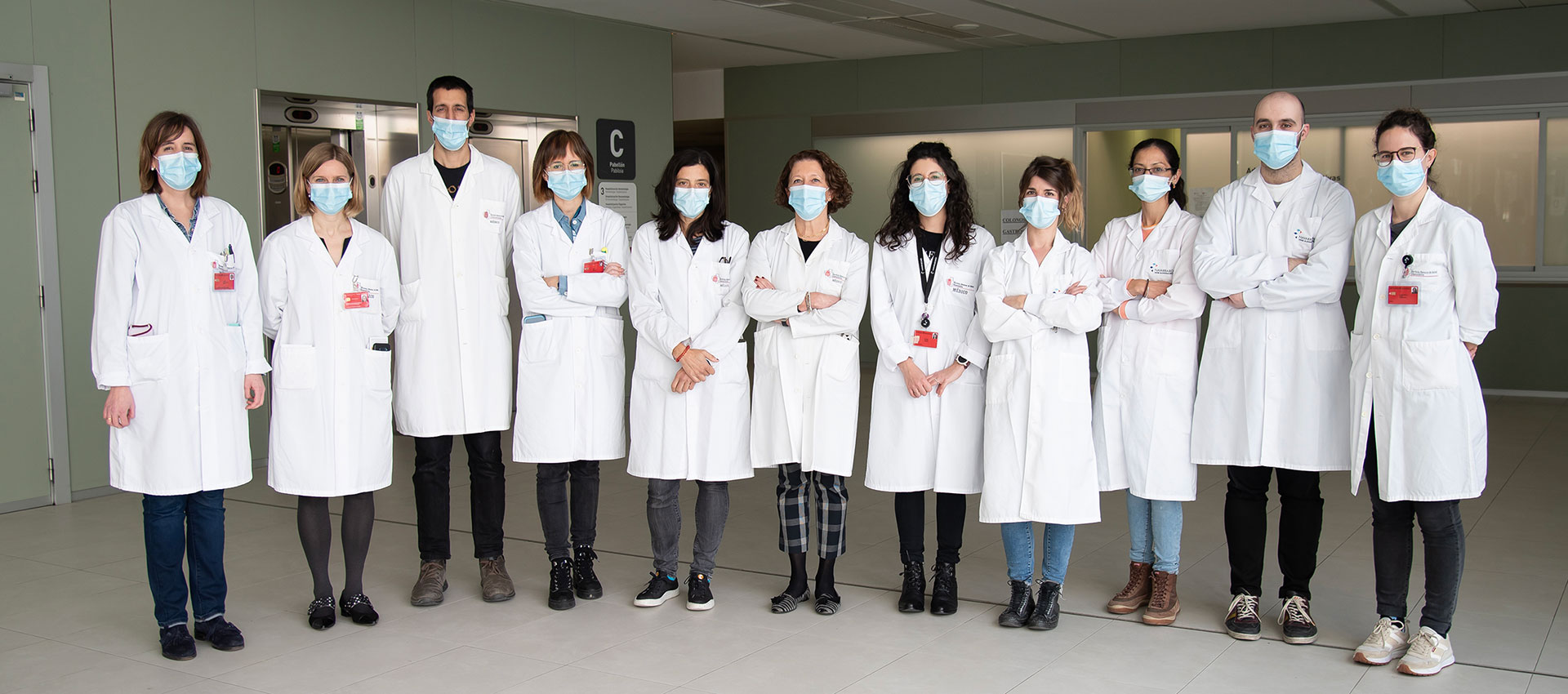
The Spanish Society of Medical Oncology (SEOM) acknowledges Maria Alsina and Hugo Arasanz, HUN oncologists and researchers at Navarrabiomed
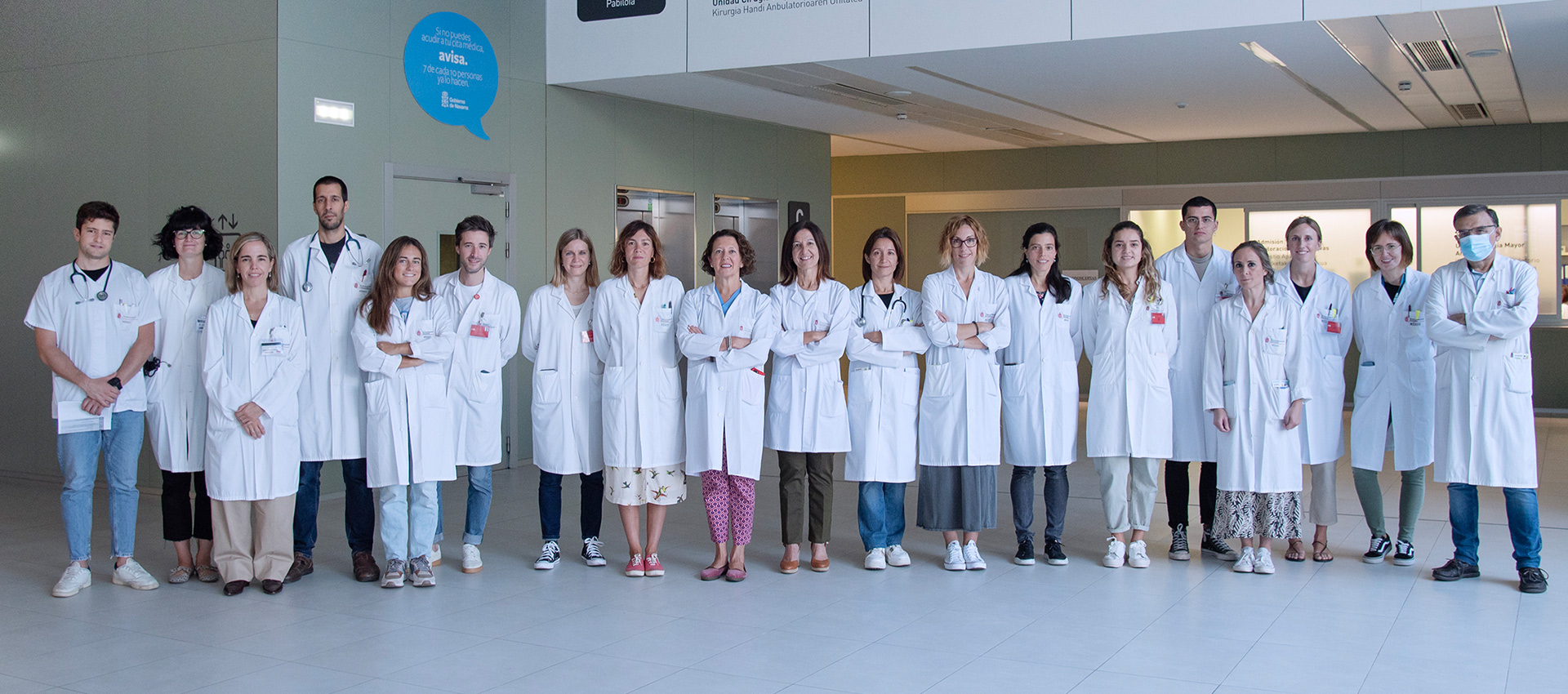
Professionals from the Medical Oncology Service of the University Hospital of Navarra (HUN) and Navarrabiomed have received two fellowships and an award during the annual congress of the Spanish Society of Medical Oncology (SEOM) 2023, held in Barcelona from the 19th to the 22nd of September.
In particular, Maria Alsina Maqueda MD PhD has received the SEOM Fellowship for Research Projects for 'Predictive biomarkers of response to RAPID scheme neoadjuvance in locally advanced rectal cancer: impact of the intestinal microbiome and the presence of circulating tumour DNA (ctDNA)’, in which several HUN services are also involved. For his part, Hugo Arasanz Esteban MD PhD has been awarded the SEOM Fellowship for Translational Research Projects in Immuno-Oncology for the project 'Circulating low density neutrophils and their role in immunotherapy resistance in non-small cell lung cancer. Potential as a predictive biomarker’.
Both Medical Oncology specialists dedicate part of their time to research at the Oncobiona group of Navarrabiomed. Dr Alsina researches through the Navarrabiomed intensification program funded by La Caixa Foundation and Dr Arasanz thanks to the 2019 AECC Junior Clinical Fellowship, from the Spanish Association against Cancer.
- Further information: read the article on the Government of Navarra website
The Linterna project goes forward in cancer immunotherapy techniques and identifies a protein that may be effective in stopping the progression of lung cancer
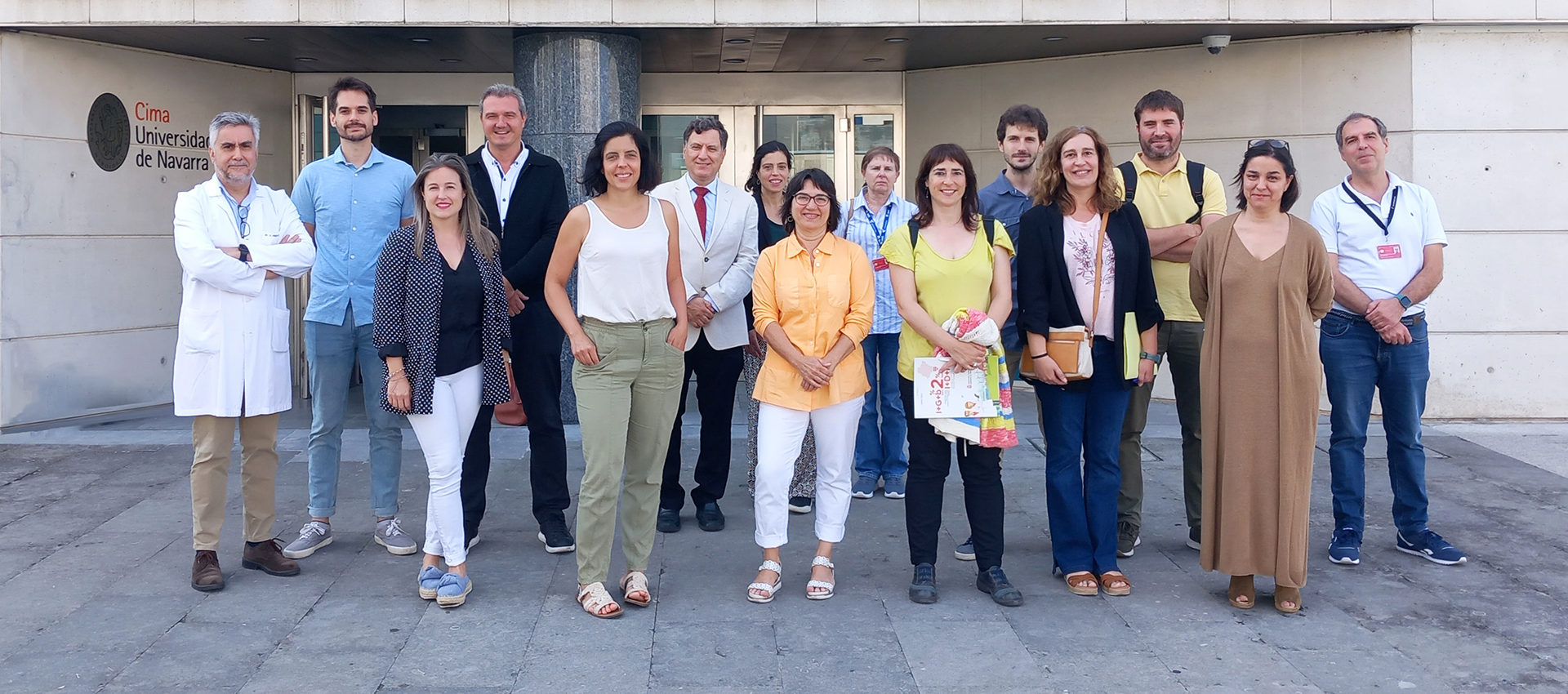
- Professionals from Navarrabiomed and the University Hospital of Navarra have participated in this multicentre project led by the Cima of the University of Navarra
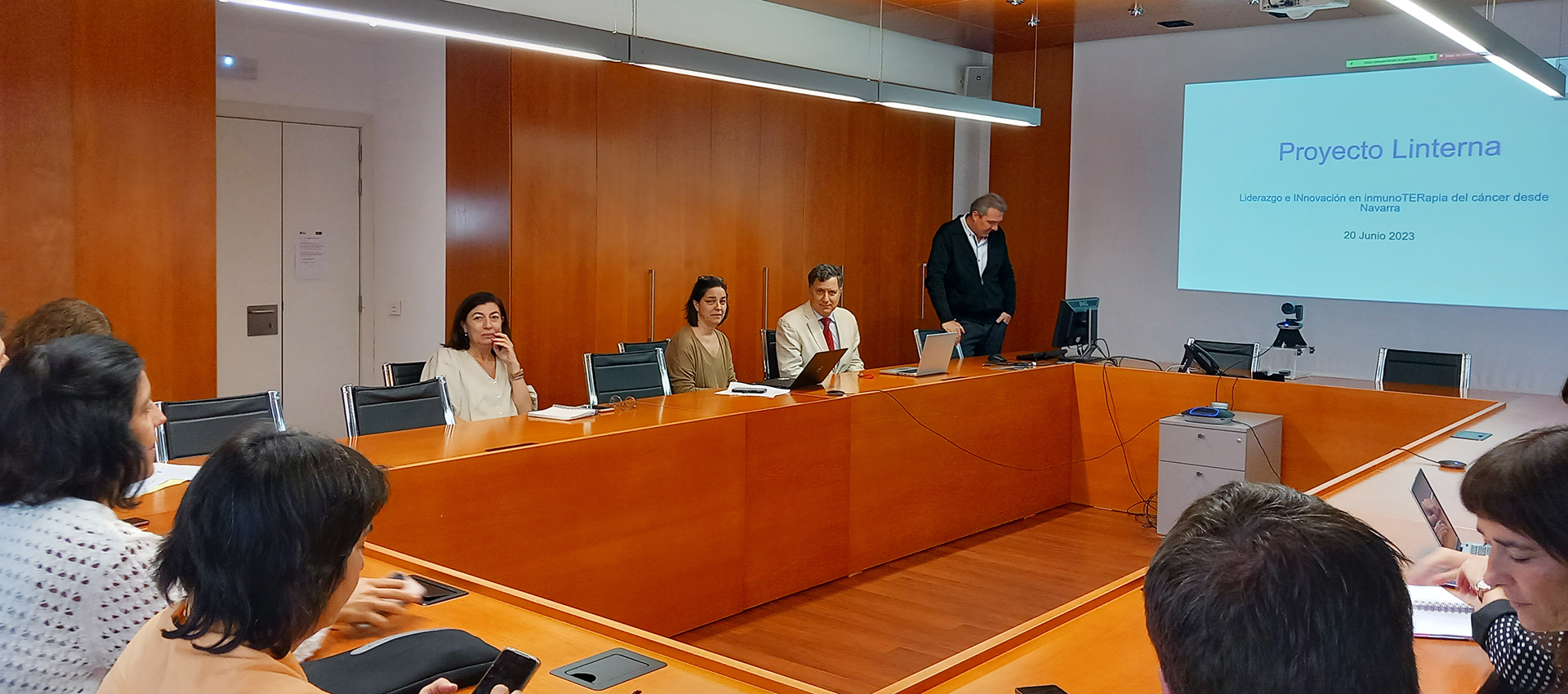
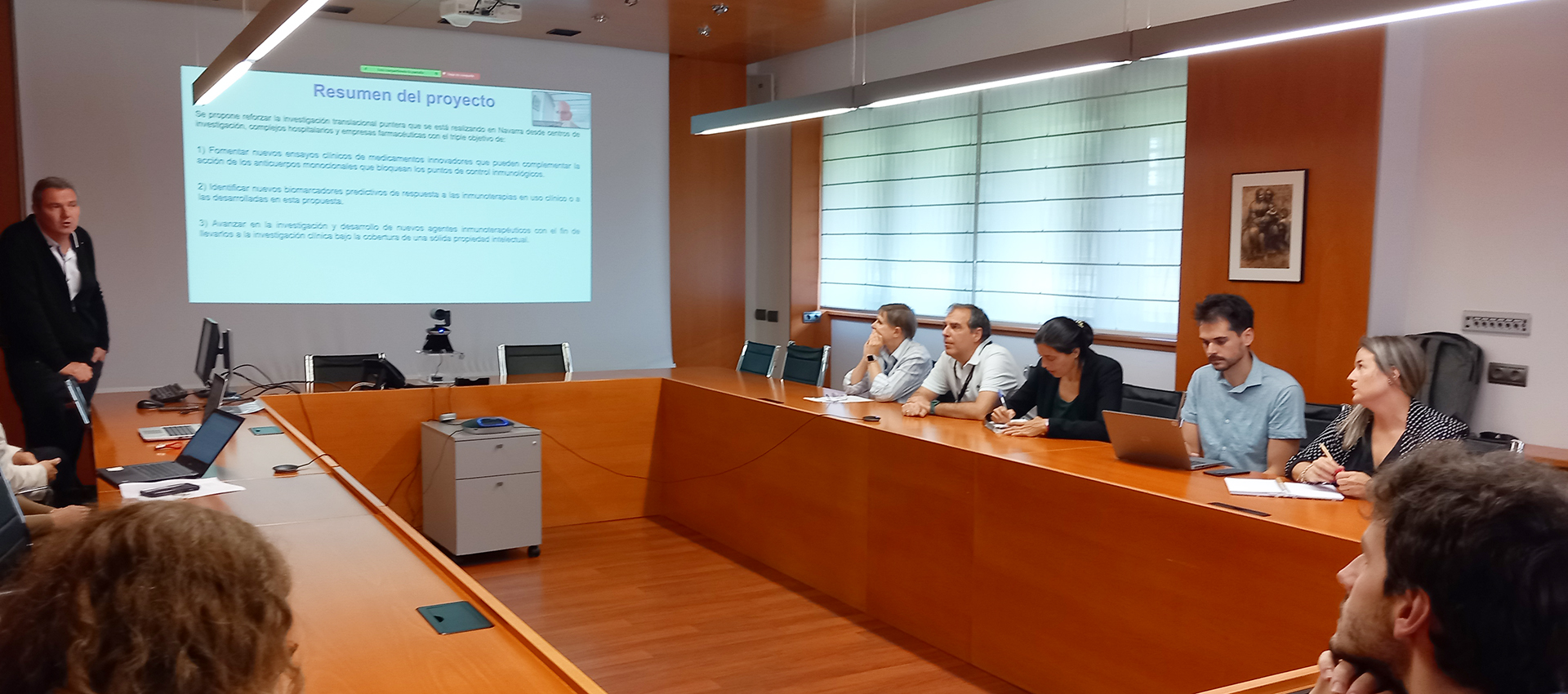
The Department of Economic and Business Development has subsidized, through the call for Grants for Strategic R&D Projects for the period 2020-2022, the Linterna project, which seeks to advance immunotherapy techniques to fight cancer. Specifically, the project has managed to identify a biomarker that may be effective in stopping the progression of lung cancer. In addition, genomic analysis techniques have been used in subjects with tobacco-induced lung cancer under this project. This has allowed both to advance in the identification and to develop new therapeutic approaches.
The main objective of the Linterna project (Leadership and INnovation in Cancer immunoTHErapy from NAvarra) is to bring together the work of different institutions that are developing immunotherapy strategies to fight cancer. This technique is based on enhancing the body's own defences versus, for example, techniques that are based on supplying chemicals outside the body.
The whole development has been carried out by a consortium led by the Cima - University of Navarra and in which University Hospital of Navarra (Medical Oncology Service), the University of Navarra Clinic, Navarrabiomed (Units of Oncoimmunology and of Translational Medical Oncology), ADItech and the pharmaceutical company Medibiopharma have also participated.
During the development of the project, non-cellular markers have been searched for in plasma samples from patients. For this, high-performance analytical techniques have been used. Thanks to this work, fractalkine has been identified, which is a small protein that helps control the growth and activity of other cells, as a biomarker of response to immunotherapy. This discovery will make it possible to develop new, more effective treatments by combining this protein with current therapies.


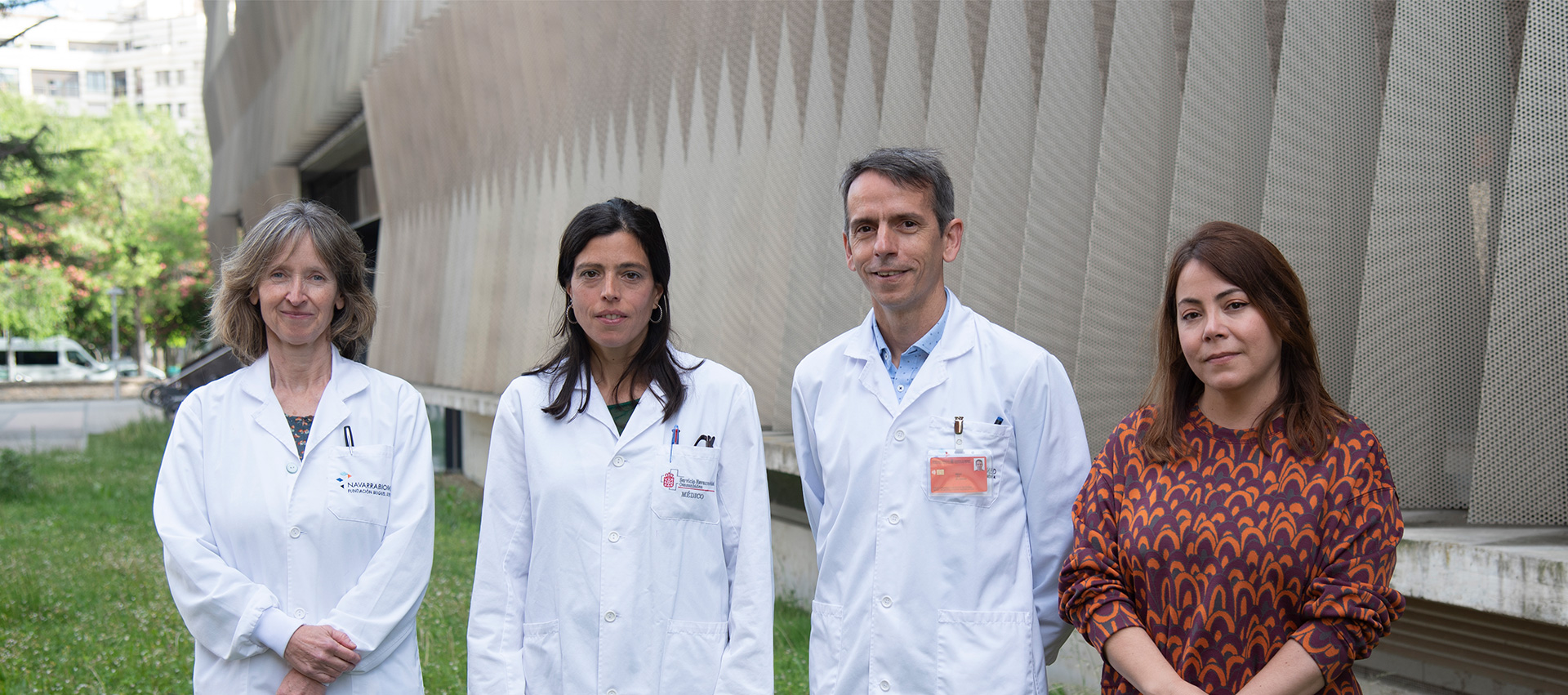
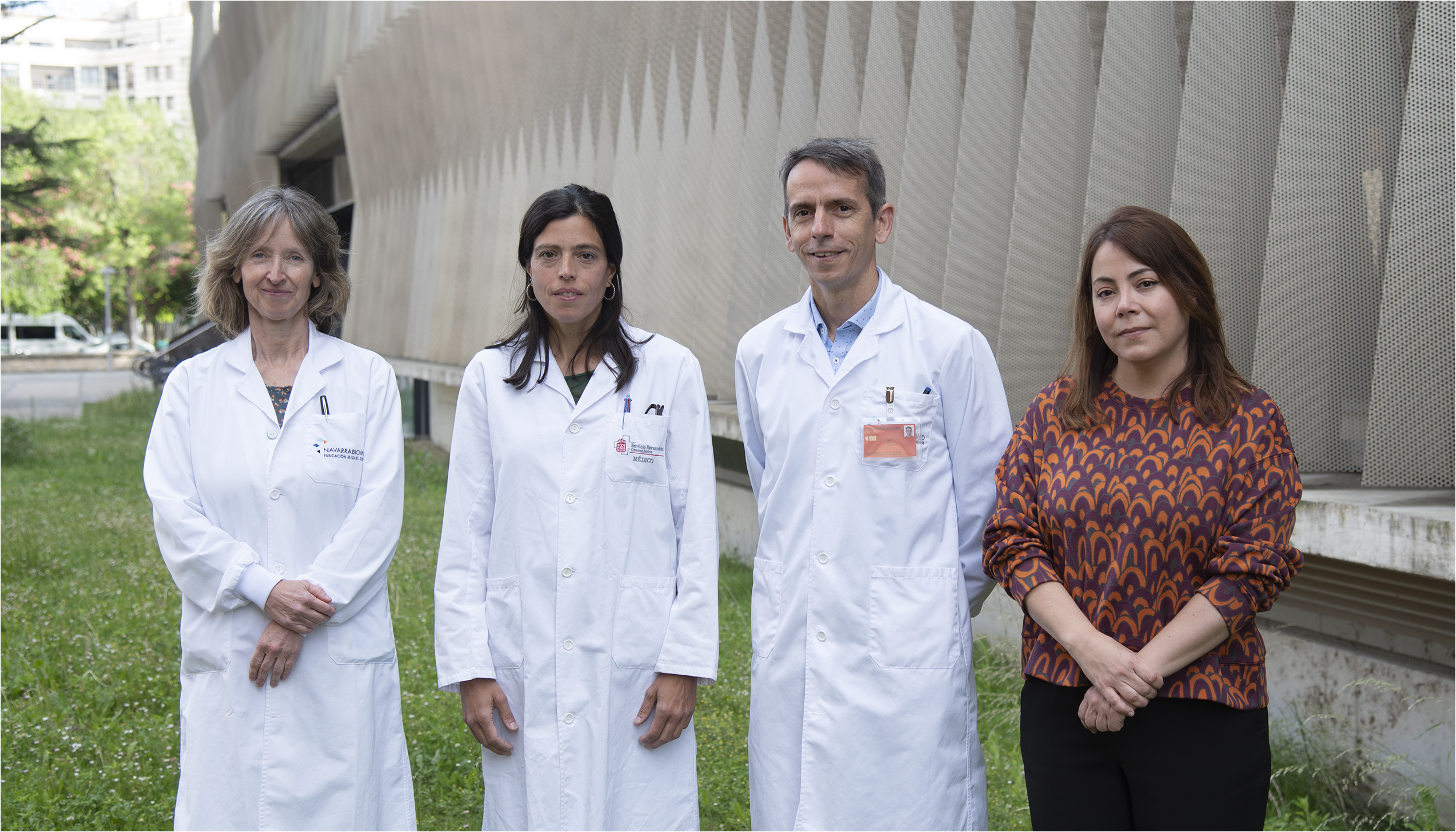
The oncologist Maria Alsina and the internal medicine physician Iñigo Les, beneficiaries of the second Navarrabiomed - Fundación “la Caixa” Intensification Program
- This program allows specialists at the HUN to dedicate part of their working day to research.
The Hospital Universitario de Navarra (HUN) specialists Maria Alsina and Iñigo Les have been awarded funding as part of the second Navarrabiomed Intensification Program financed by the Fundación “la Caixa”. The aim of this initiative is to stimulate, promote and consolidate research activities at the Hospital Universitario de Navarra.
The funds provided by the Fundación “la Caixa” have allowed two new researchers to be incorporated into the oncology and internal medicine departments. During the next two years, these researchers will have access to support staff, installations and equipment that will allow them to conduct their own projects at the research centre.
Specifically, they will be able to dedicate half their working day at the HUN to research activities at Navarrabiomed. The intention is to provide professionals from various medical specialities with the time and resources needed to conduct translational research, in other words studies at the intersection between basic laboratory research and clinical practice.
Description of the research
As a result of the intensification program, Iñigo Les Bujanda has established the Immune-Mediated and Inflammatory Diseases Unit, where he will conduct a prospective study, observational, multicentre study to investigate the utility of a a battery of autoantibodies as a predictor for immune-mediated adverse events in cancer patients treated with immunotherapy. This study will also result in the creation of registries, in other words prospective databases that can be used in the short to medium term, and libraries of biological samples from these autoimmune and autoinflammatory diseases. These activities will strengthen the research activity of the Internal Medicine Department.
In the Translational Medical Oncology Department, Maria Alsina Maqueda will continue with projects and collaborations already under way in the Medical Oncology Department at the HUN. In addition, she will establish the hospital circuits required to expand the biological sample libraries for the population of Navarra with cancer, and will initiate new translational research projects in the field of gastrointestinal cancer, particularly in early-onset cancer (patients aged less than 59 years).
First edition of the program
The first call for proposals for this program was published in 2018 and allowed the incorporation of four medical specialists in different departments at the HUN: Eduardo Albéniz Arbizu (Digestive Department), Nicolás Martínez-Velilla (Geriatrics Department), Antonio Viúdez Berral (Medical Oncology Department) and Esozia Arroabarren Alemán (Allergology Department). The program also allowed the neurologist and researcher Maite Mendioroz Iriarte, who is currently head of Navarrabiomed – Fundación Miguel Servet, to consolidate her research activity.
Navarrabiomed-Centro de Investigación Biomédica
Hospital Universitario de Navarra, edificio de investigación.
C/ Irunlarrea 3. 31008 Pamplona, Navarra. España