
Cancer Signalling

The Cancer Signaling Unit is interested in understanding the molecular mechanisms by which cancer cells develop resistance to targeted therapies currently used to treat oncology patients. To that end we have developed three research lines focused on melanoma, glioblastoma, and triple-negative breast cancer. By blocking these adaptive resistance mechanisms, we aim to improve the therapeutic efficacy of treatments such as radiotherapy, targeted therapies, and immunotherapies. The unit's ultimate goal is to translate its results into clinical practice.
Metabolic rewiring induced by ranolazine improves melanoma responses to targeted therapy and immunotherapy
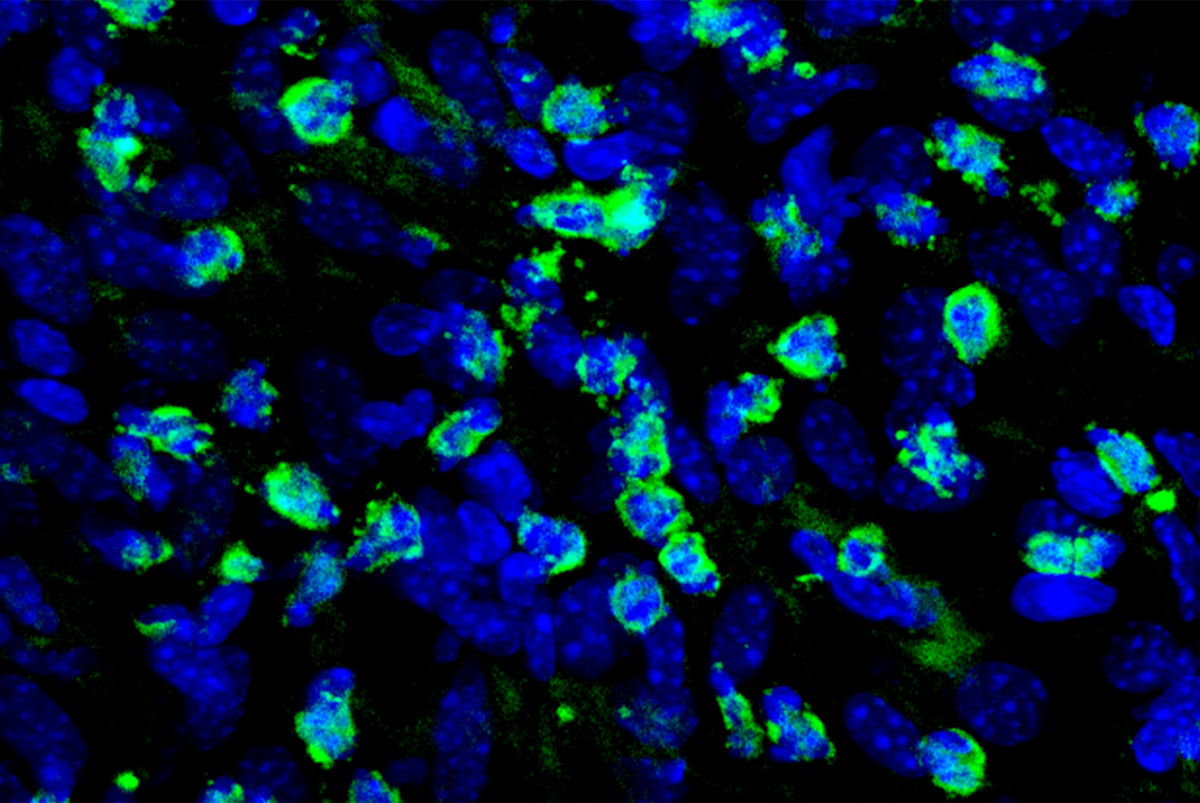
A study led by Navarrabiomed proposes a therapeutic alternative to treat melanoma.
- The drug ranolazine, used to treat chronic angina pectoris, could improve response to anti-melanoma therapies.
- This is a multicenter investigation carried out by Navarrabiomed biomedical research center, the Institute for Neurosciences CSIC-UMH, and IRB Barcelona.
The prestigious journal Nature Metabolism has published the results of a study in mice that determined that ranolazine, a drug that is currently administered to patients to treat heart conditions, delays the appearance of resistance to melanoma treatments, by blocking fatty acids metabolism. This research has been led by Navarrabiomed, together with the Institute for Neurosciences (CSIC-UMH) and IRB Barcelona. Melanoma is the most aggressive type of skin cancer and, although it only accounts for 10% of skin cancer cases, it is responsible for 90% of deaths associated with skin tumours. Thanks to the development of targeted therapies and immunotherapies, the clinical management of patients affected with this type of cancer has improved, however, these therapies still have limitations because 50% of patients do not respond adequately and even develop resistance.
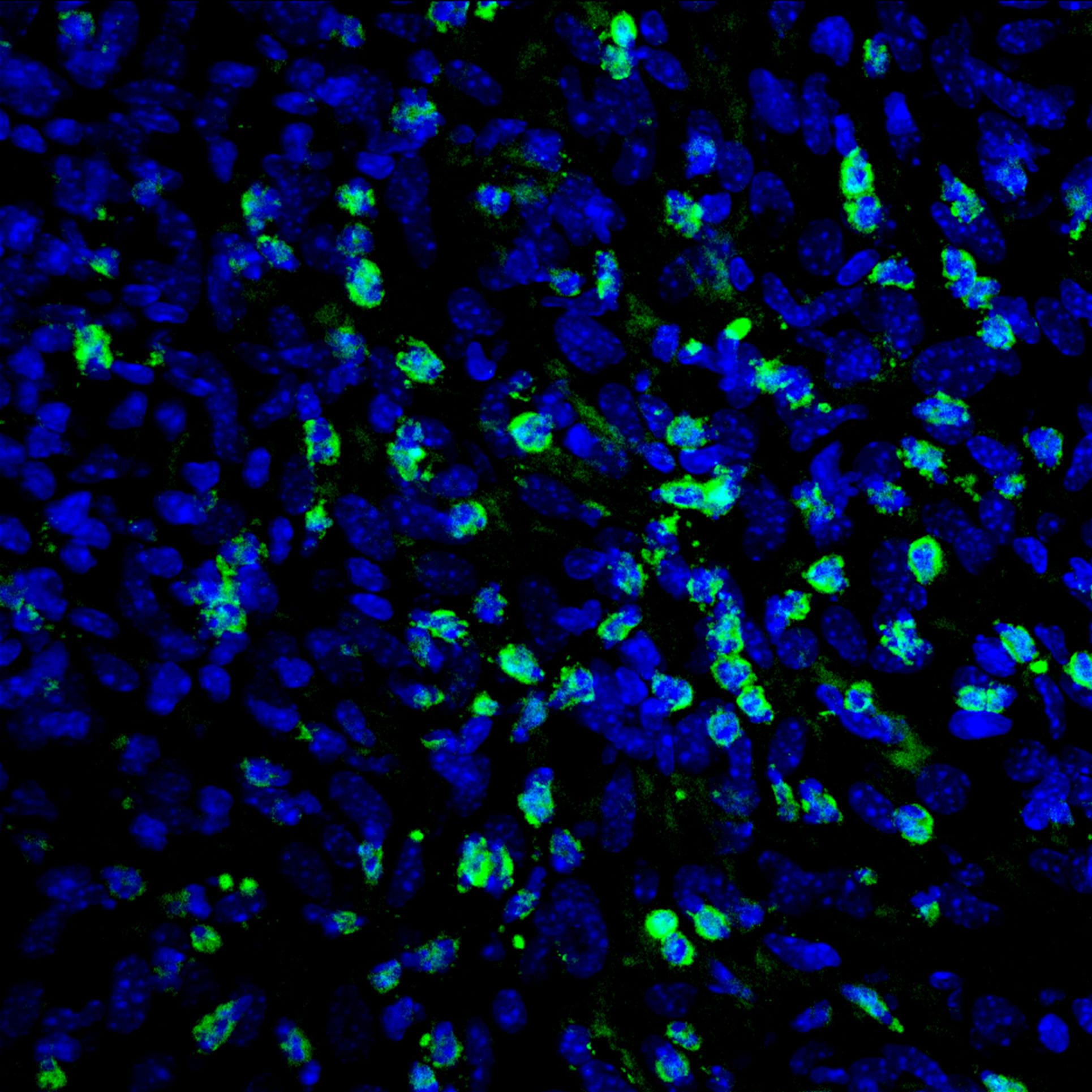
The evidence suggests that this resistance could be linked to metabolic reprogramming in cancer cells that is associated to changes in the way in which cells process and use nutrients. This research demonstrates that fatty acid metabolism plays an important role in the development of resistance to melanoma treatments.
Researchers have confirmed that increased fatty acid oxidation occurs during long-term treatment with BRAF inhibitors, one of the key genes in tumour progression, contributing to therapy resistance.
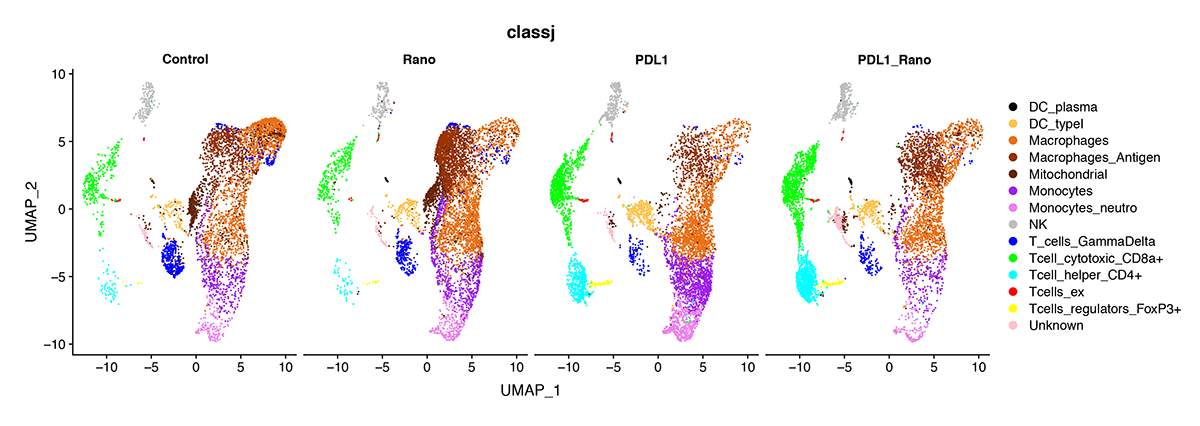
Ranolazine increases the efficacy of targeted therapy against melanoma because it can target fatty acid oxidation. In addition, the application of this drug promotes that melanoma cells become more visible to the immune system,improving the response to immunotherapies and increasing the ability of lymphocytes to control tumour growth.
A multicenter investigation
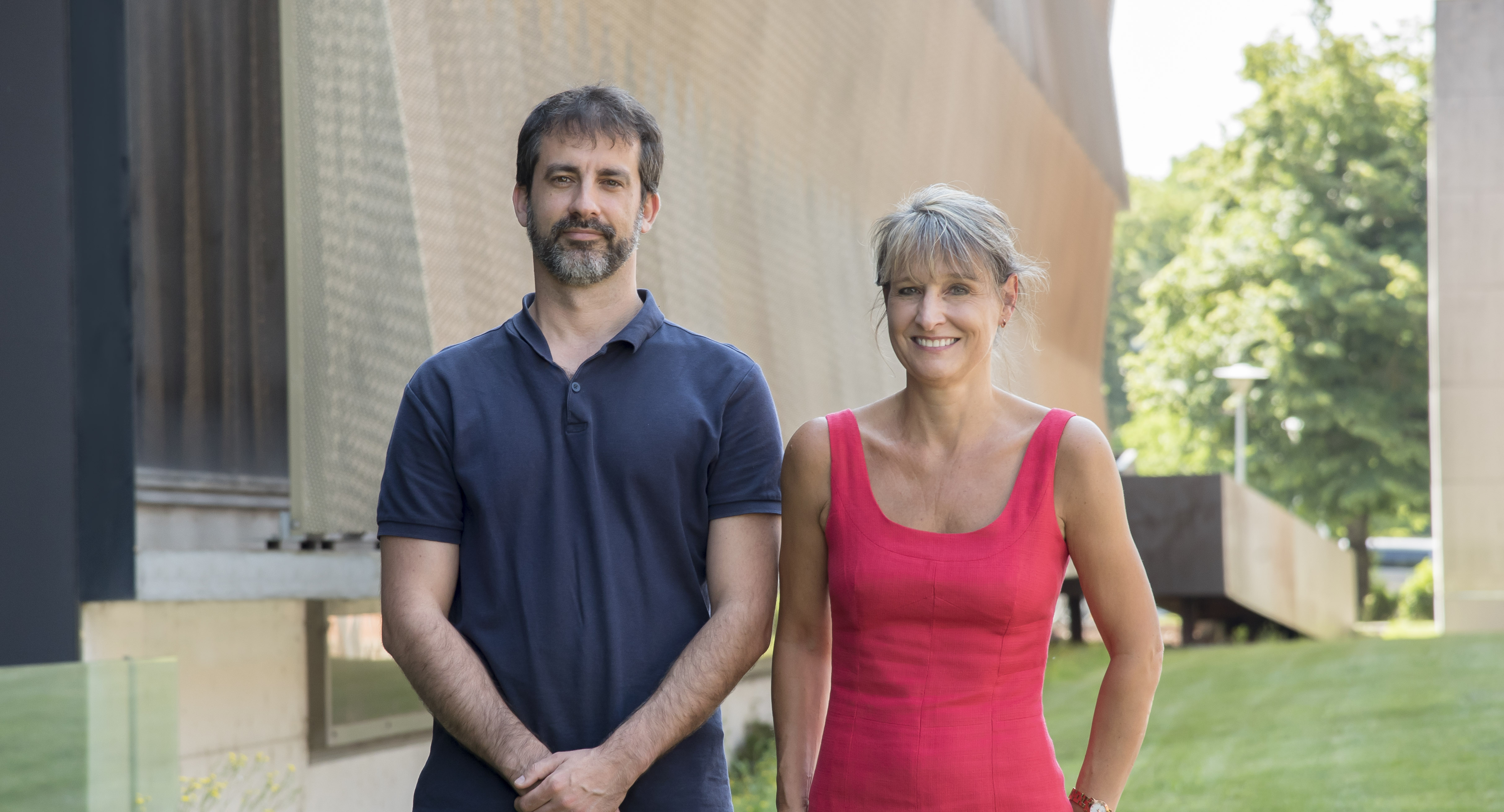
The Navarrabiomed Cancer Signaling Unit, directed by Imanol Arozarena Martinicorena, has coordinated the course of the research and has been in charge of carrying out the experiments related to resistance to targeted therapies and the study of how ranolazine affects the immunogenicity of melanoma cells.
Researchers at the laboratory led by Berta Sánchez-Laorden, belonging to the Cell Plasticity in Development and Disease group at the Institute for Neurosciences, have developed immunotherapy experiments in mice and have carried out the study of immune cells in the tumour microenvironment.
In addition, the IRB Barcelona Stem Cells and Cancer research group, led by Salvador Aznar-Benitah, has carried out individual cell RNA sequencing analyses, which have made it possible to find out in detail the effect of the drug on the state metabolism of tumour cells.
Funding
This study, which has been made possible thanks to funding granted by the Ministry of Science and Innovation, the Carlos III Health Institute, the Government of Navarra, the Spanish Multidisciplinary Melanoma Group (GEM), and the Melanoma Research Alliance, is a clear example of how basic research can contribute a lot to the repositioning of drugs, which makes it possible to significantly shorten the deadlines for providing answers to patients suffering from diseases as prevalent as cancer.

SARAY funds Navarrabiomed with 46,970 euros for two projects on metastatic breast cancer
- Since 2015 the associations annual investment in research has been increased by 65%
On October 27th, 2019 Breast Cancer Association of Navarre SARAY collected 75,000 euros in the solidarity race celebrated in Pamplona. 49,970 euros will fund two studies developed by Navarrabiomed on metastatic breast cancer.
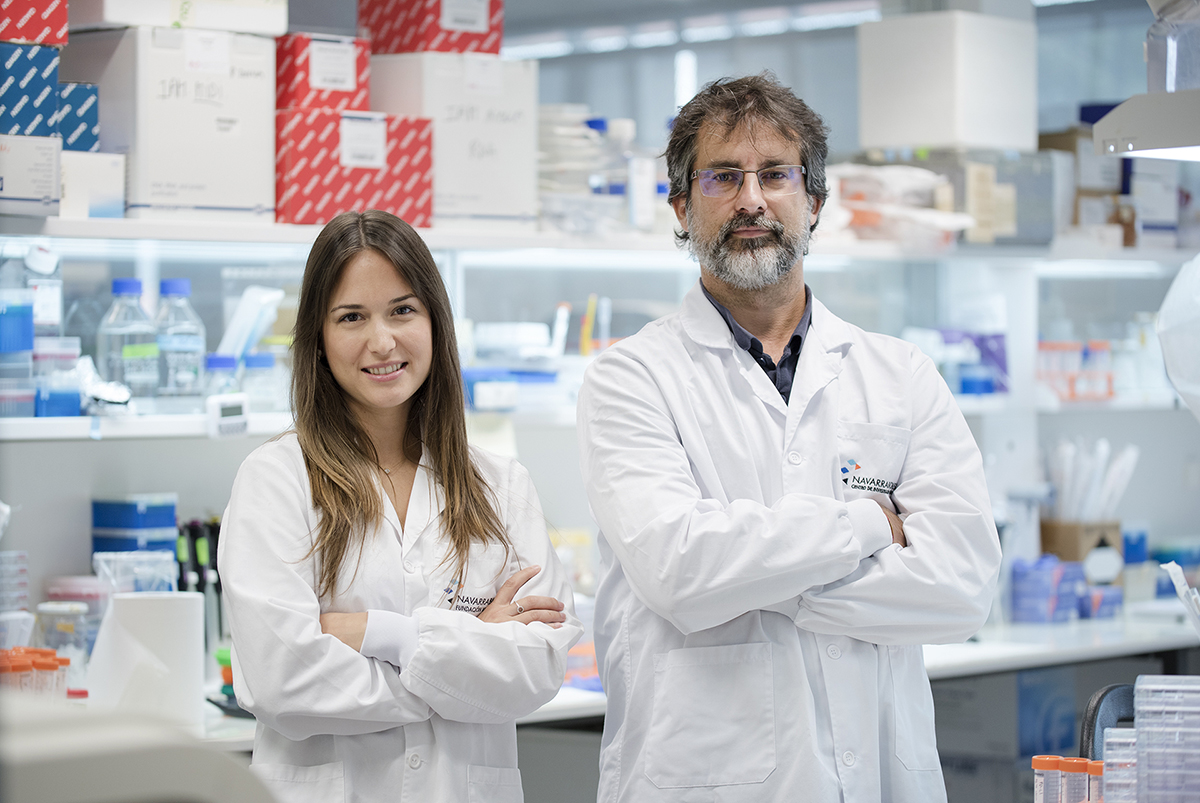
One of the projects is focused on liquid biopsy in this type of cancer, and it is led by Natalia Ramírez Huerto, the head of the Hematological Oncology Unit of Navarrabiomed. SARAY´s contribution for the second year of the project development raises to 24,970 euros. Other study lead by Cancer Signaling Unit head Imanol Arozarena Martinicorena will receive 22,000 euros. His project aims to develop new adjuvant therapies to treat brain and bone metastases from these tumors. The additional funds will be donated to the Chronos Hope Project from Solti Foundation.
On the 25th of June SARAY decided to allocate the incomes in a face-to-face and online assembly among 725 associates (event delayed three months later due to the COVID-19 crisis). During the last years, the organization shows a strong commitment with biomedical research performed in Navarre. Therefore, it is relevant to highlight that since 2015 SARAY has increased by 65% its annual investment in oncology research.
Navarrabiomed and University of Manchester researchers publish melanoma review in Nature

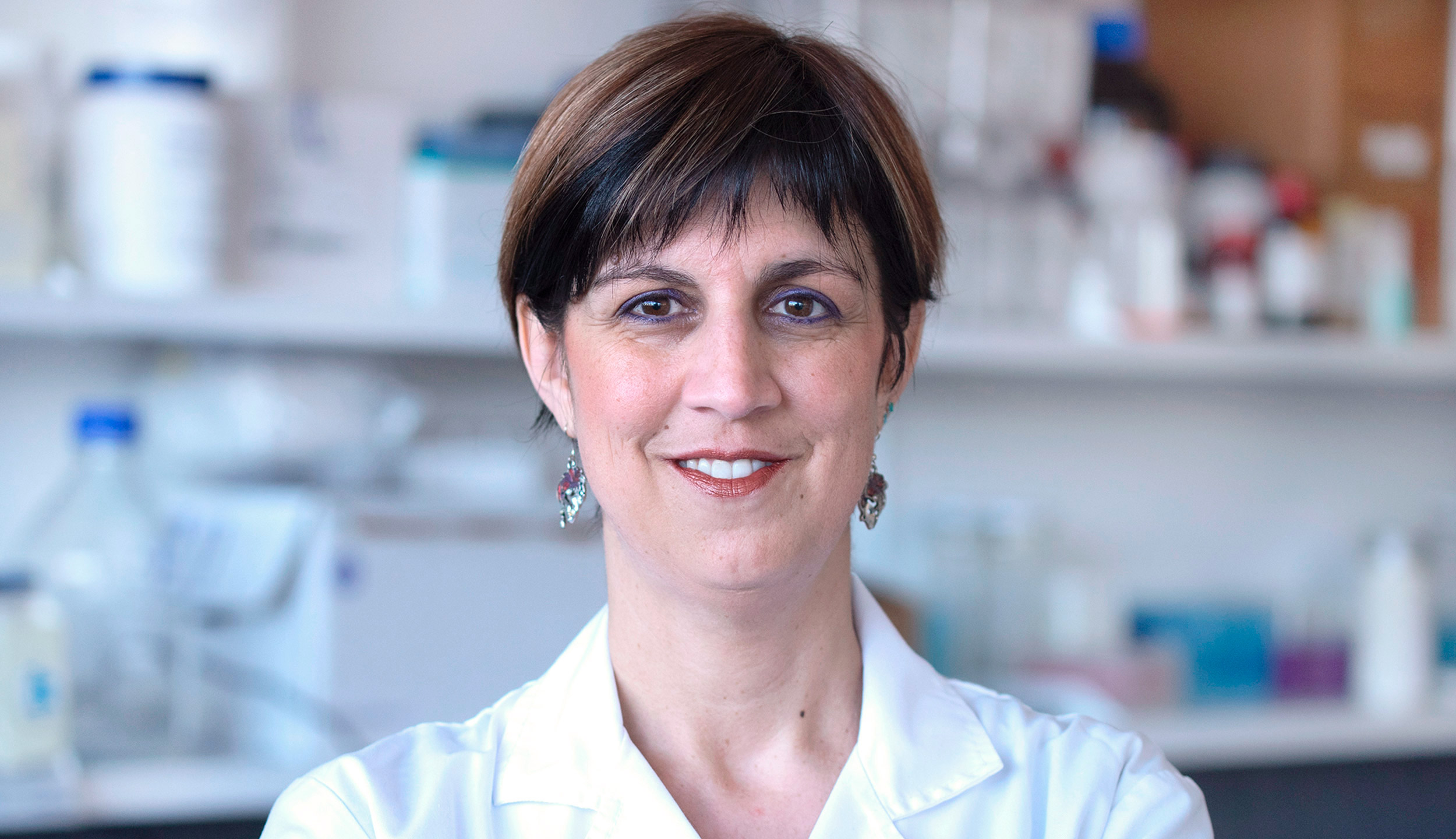
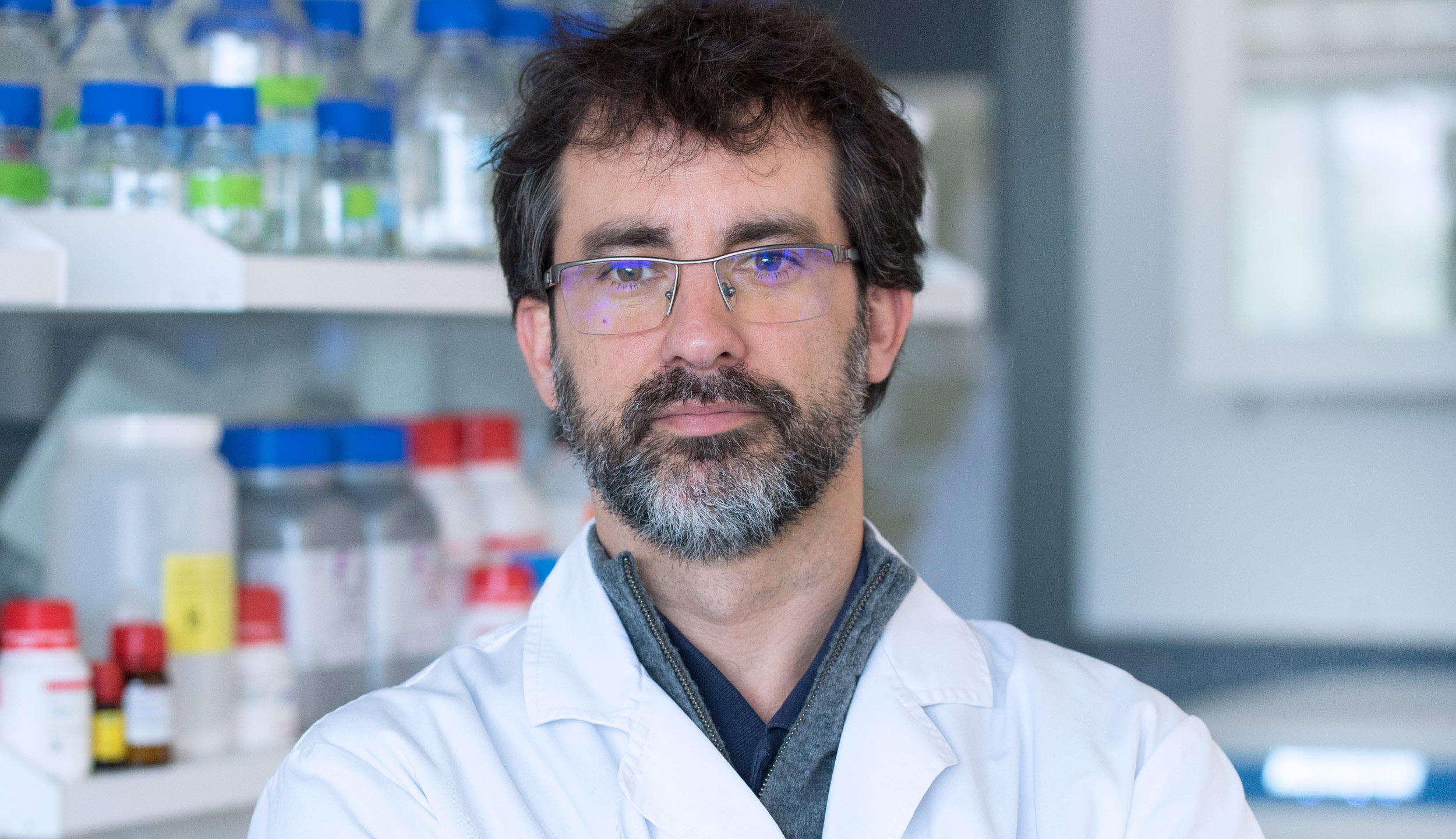
Imanol Arozarena, senior researcher from the Cancer Signalling Unit at the Navarrabiomed biomedical research centre and a member of Instituto de Investigación Sanitaria de Navarra (IdiSNA), has recently published a melanoma review with University of Manchester Professor Claudia Wellbrock.
The two scientists were asked by the renowned scientific journal Nature Reviews: Cancer to write an article on the latest findings in melanoma cell distinct phenotypes and their relevance for melanoma development and response to therapy.
As many as 4000 new melanoma cases are diagnosed in Spain every year. Malignant melanoma is a serious type of skin cancer that is usually metastatic. It is notorious for its intra- and inter-tumour heterogeneity.
Such variability results from the ability of melanoma cells (melanocytes) to adjust to changing environmental conditions by reprogramming their genetic expression. Thus, melanocytes develop resistance to both targeted therapy and immunotherapy, and their plasticity plays a role in metastasis development.
In their article, the authors reveal the importance of combining recent developments in genomic technologies and the availability of large gene expression datasets for a precise definition of the gene signatures that characterise changes in each patient’s tumours and the prognostic relevance for tumour development and response to therapy.
According to Arozarena, ‘By understanding the molecular mechanisms that adapt melanoma cells to anti-tumour drugs, we will be able to prevent both therapy resistance and the progression of metastatic melanoma.

Navarrabiomed - Centro de investigación biomédica
Complejo Hospitalario de Navarra, edificio de investigación.
Calle Irunlarrea, 3. 31008 Pamplona, Navarra, España.