
Noticias

Navarrabiomed Brings Together Its Entire Team at the 2026 Internal Scientific Conference
Navarrabiomed reúne a todo su equipo en las jornadas científicas internas 2026
Author
Navarrabiomed
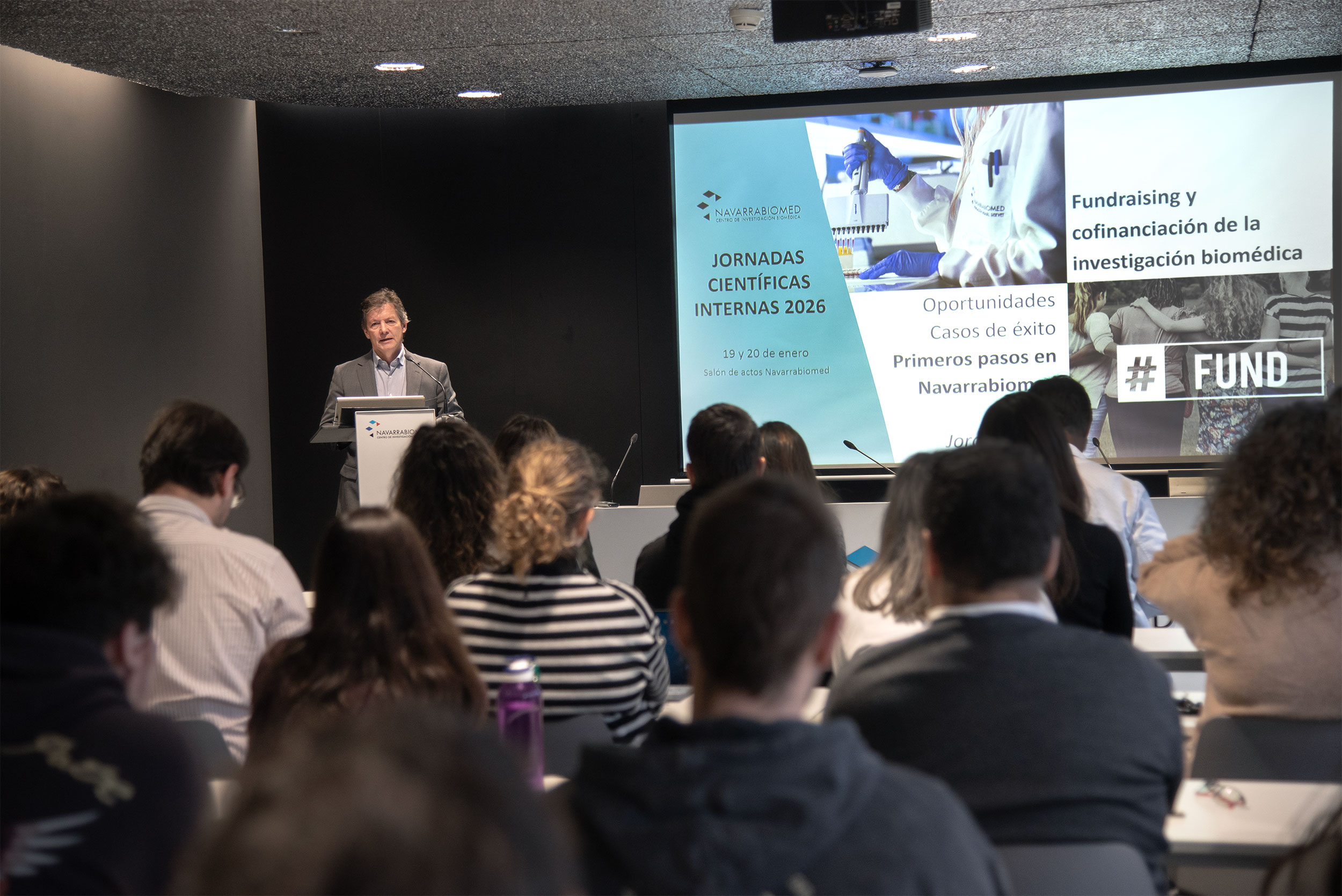
  • The event featured two invited external speakers: Jorge Larena and Juan Quizhpilema.


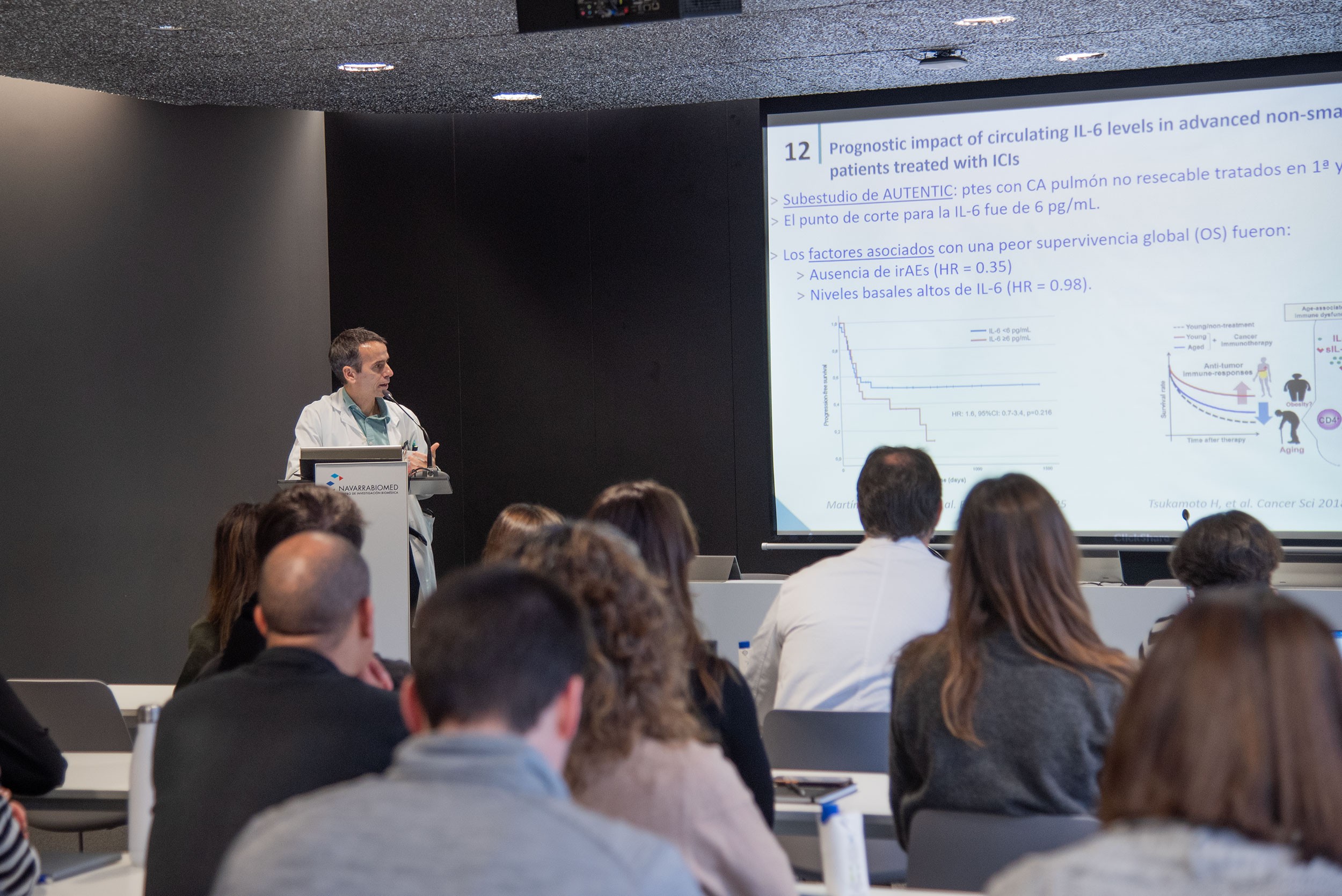
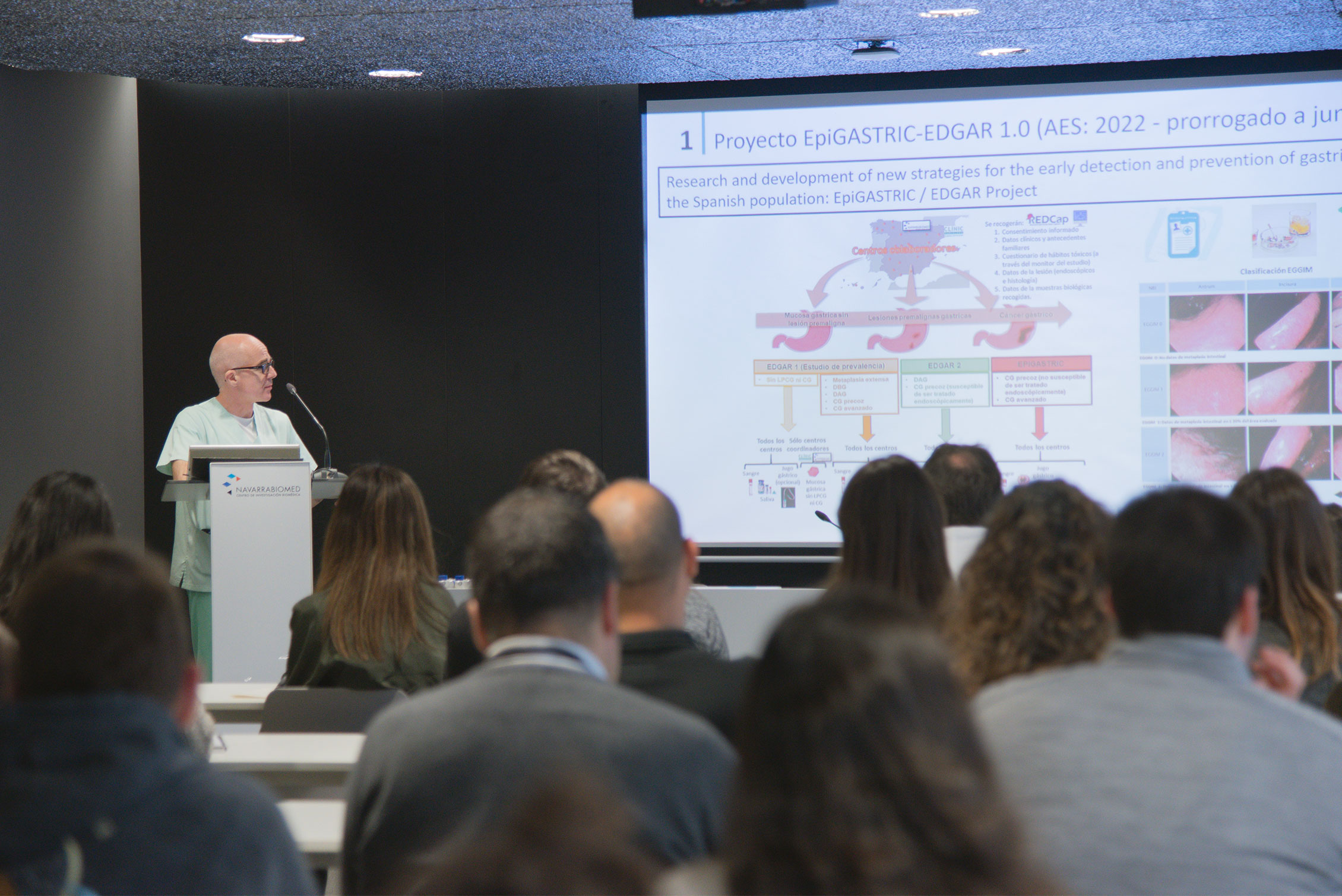
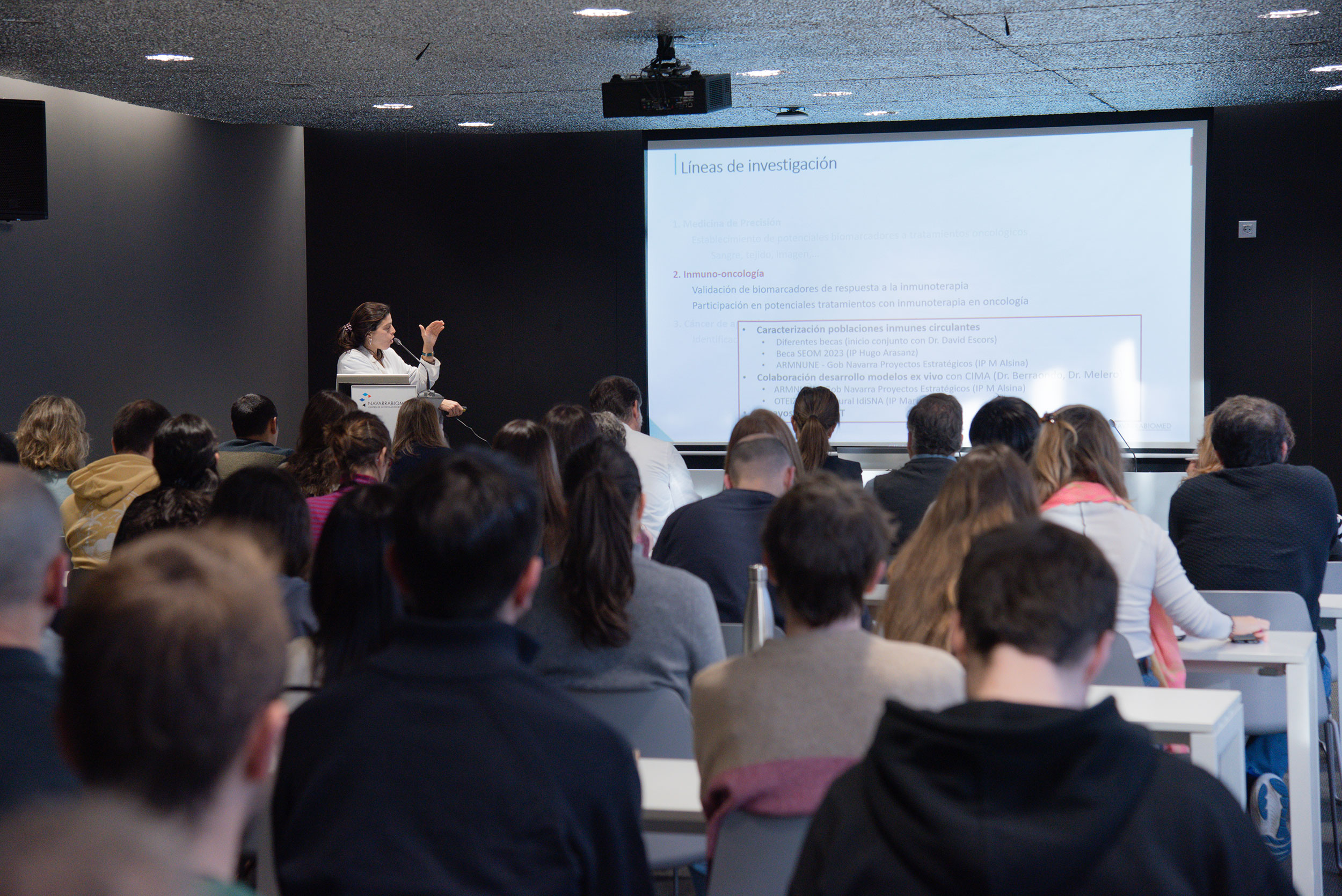
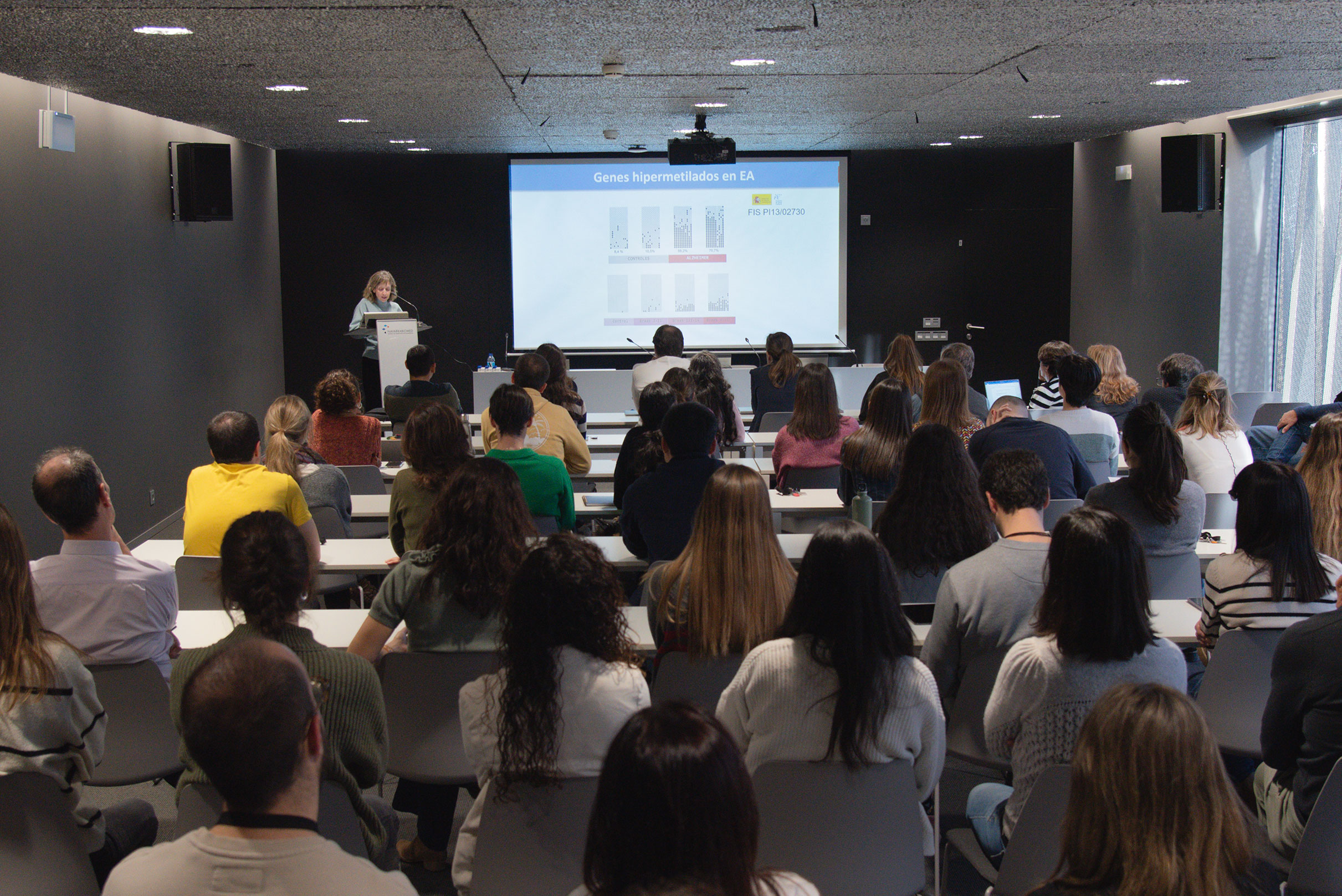
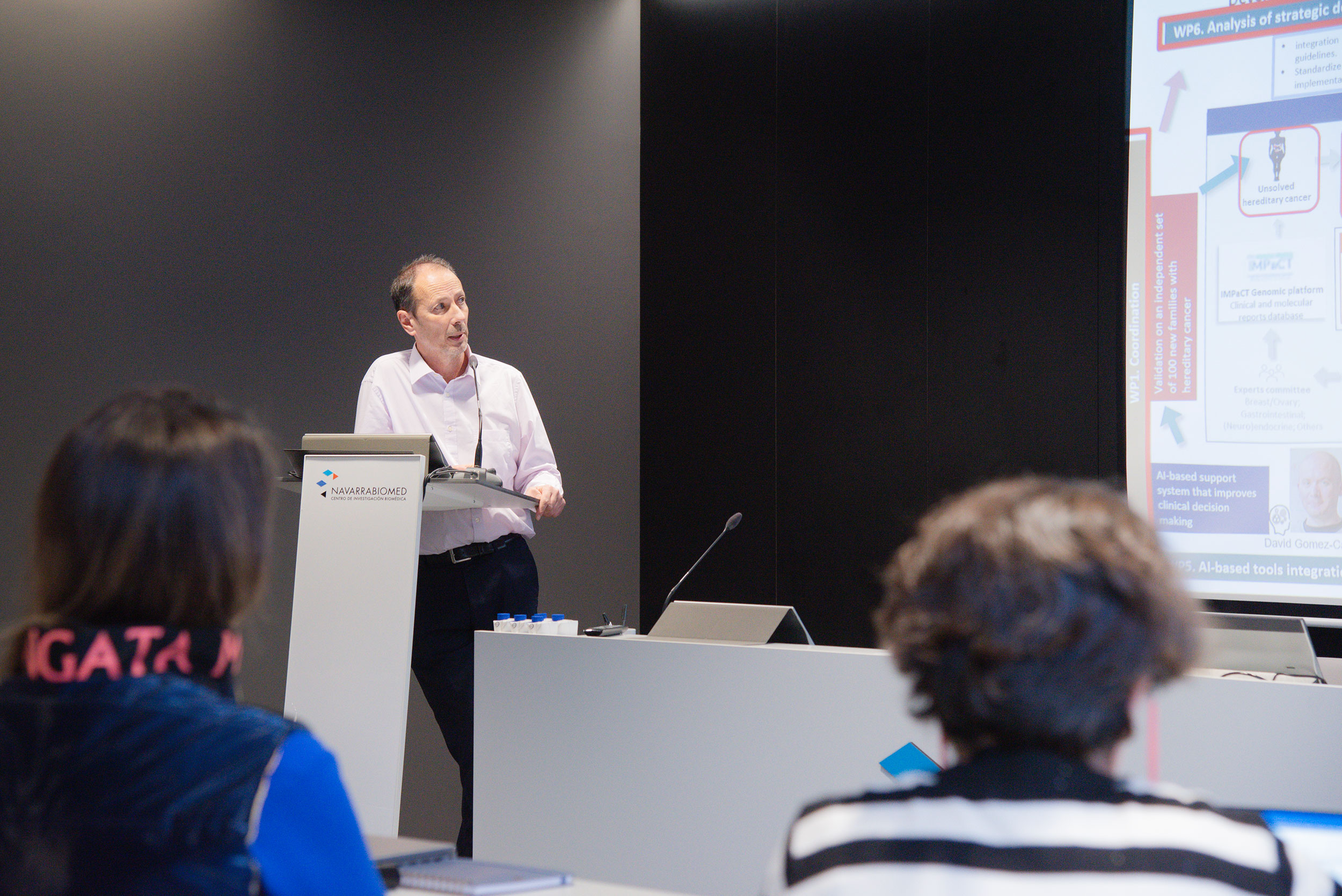
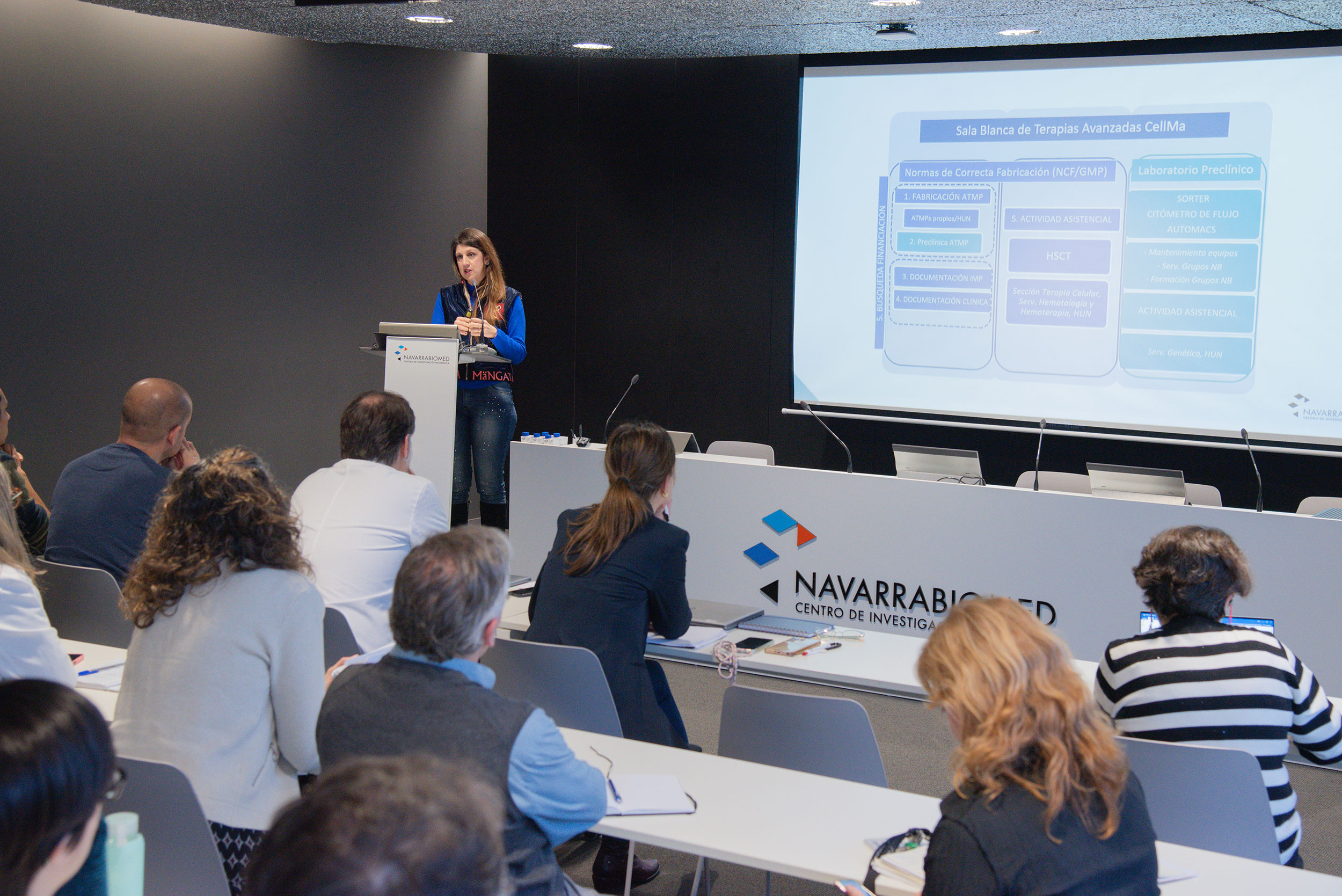
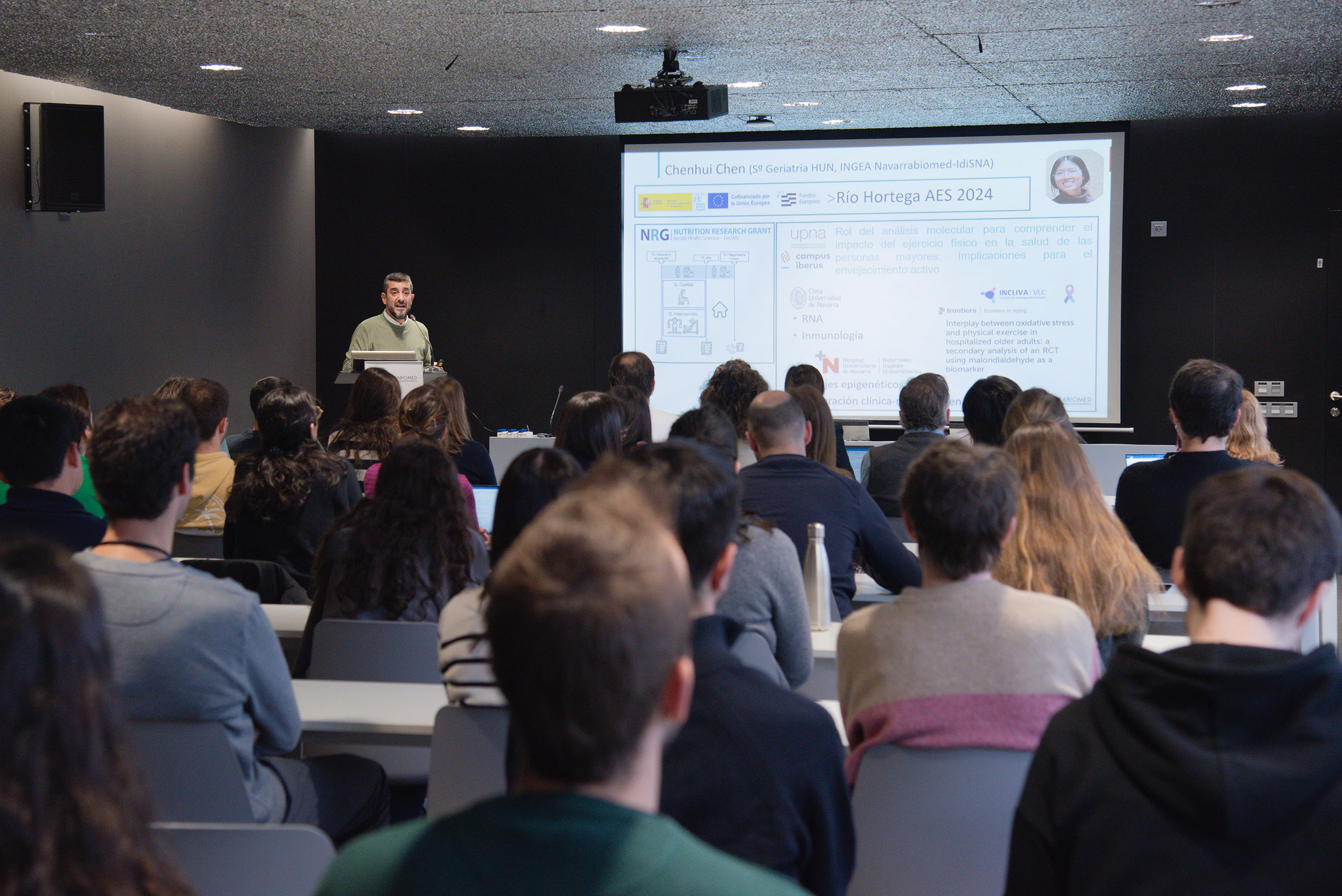
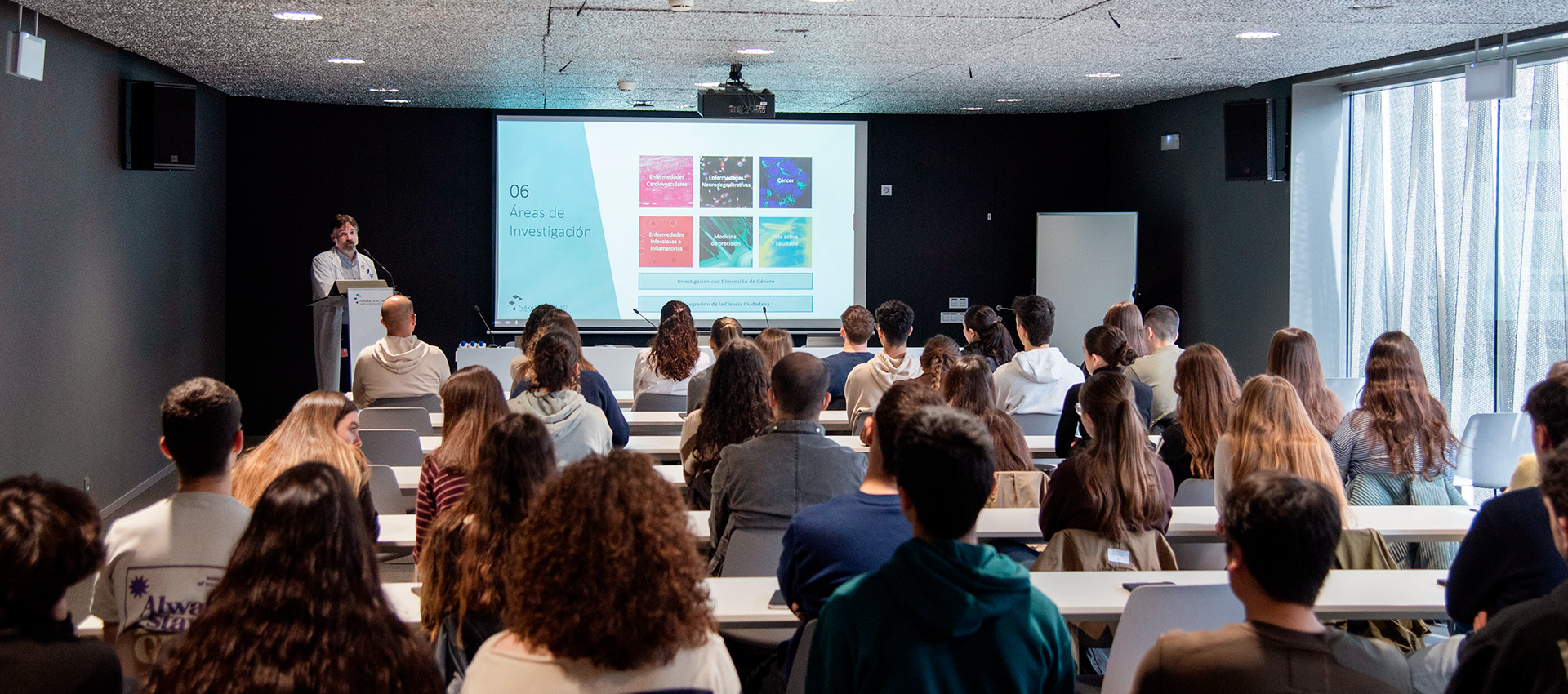
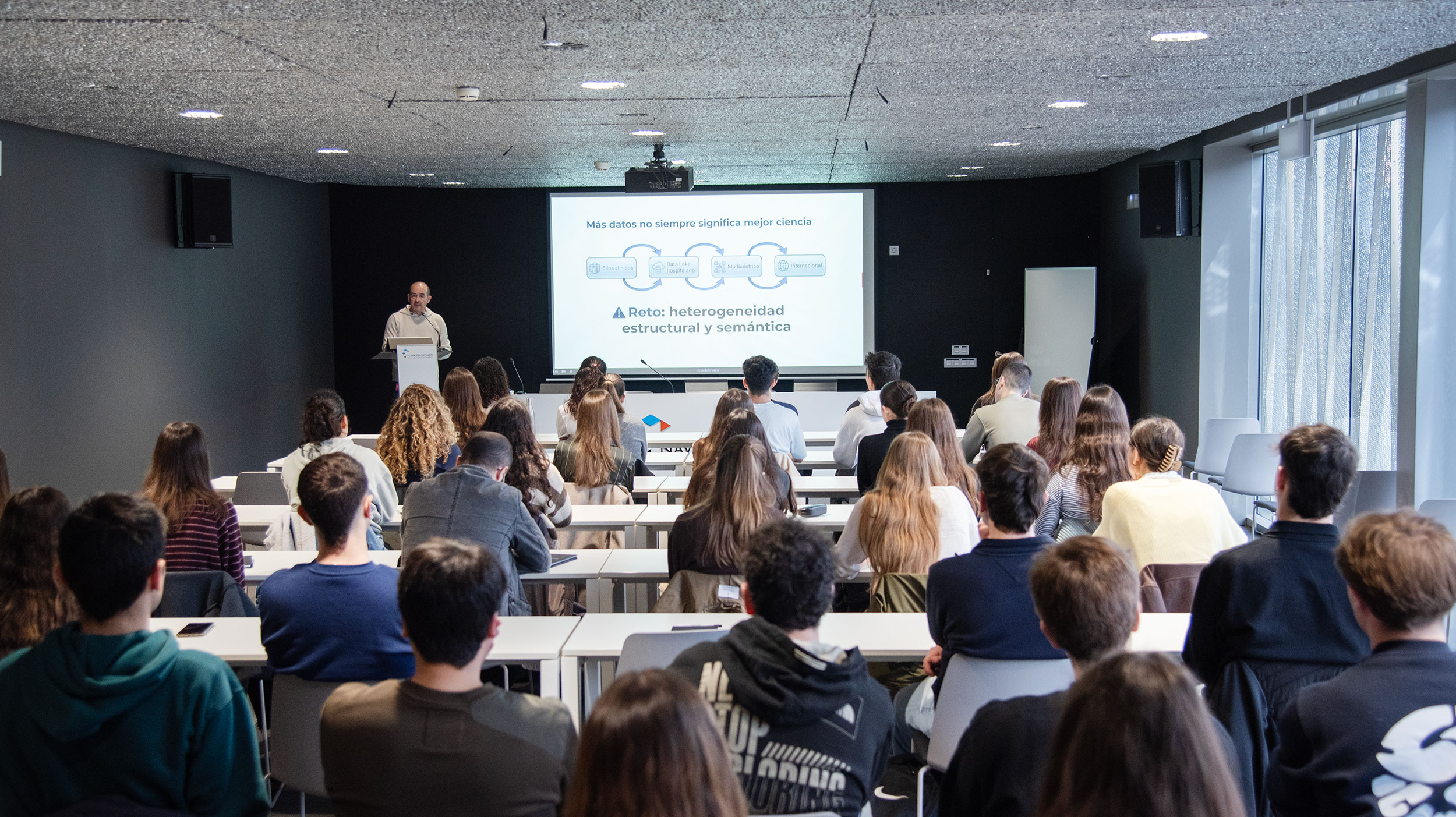
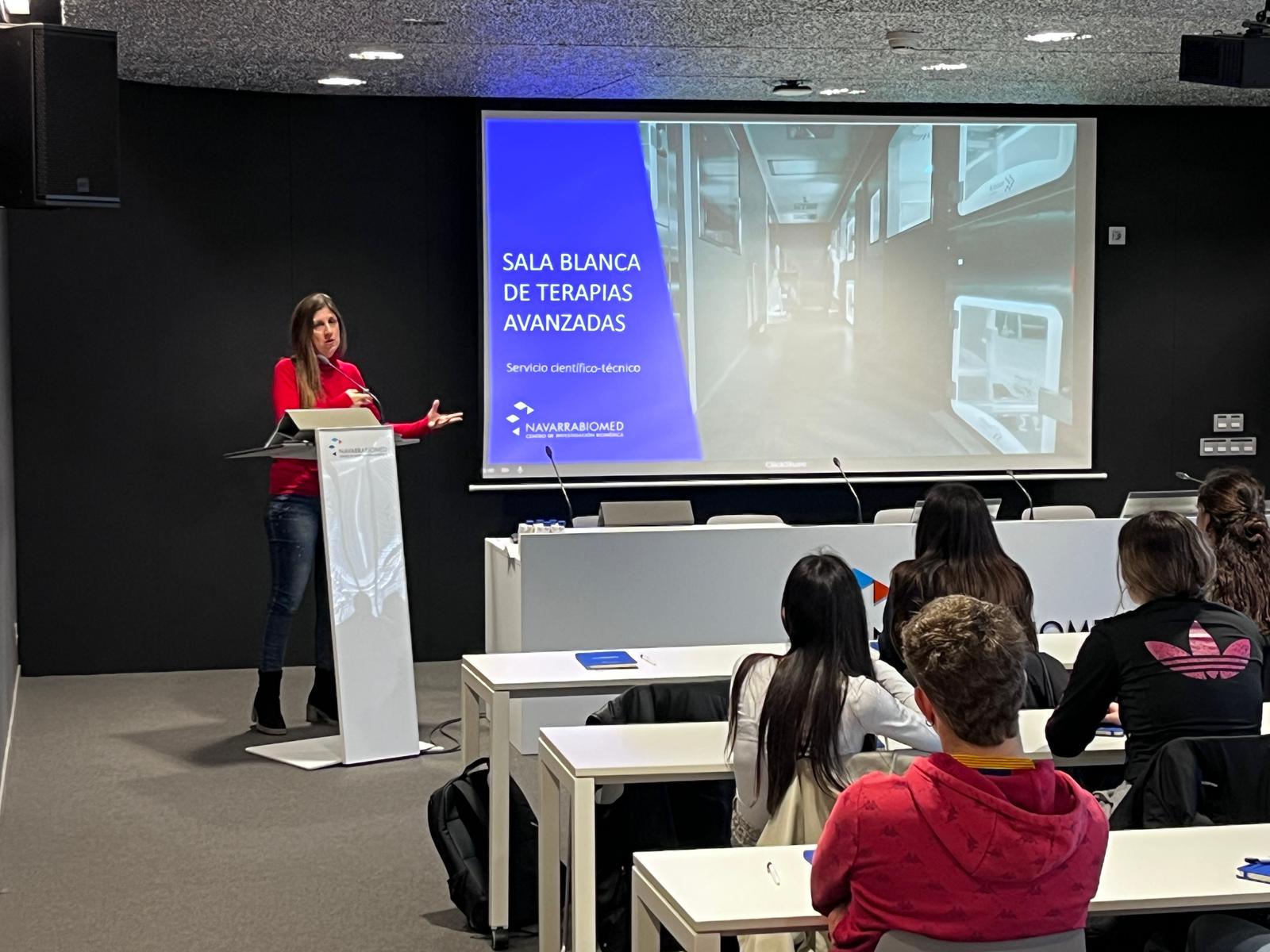
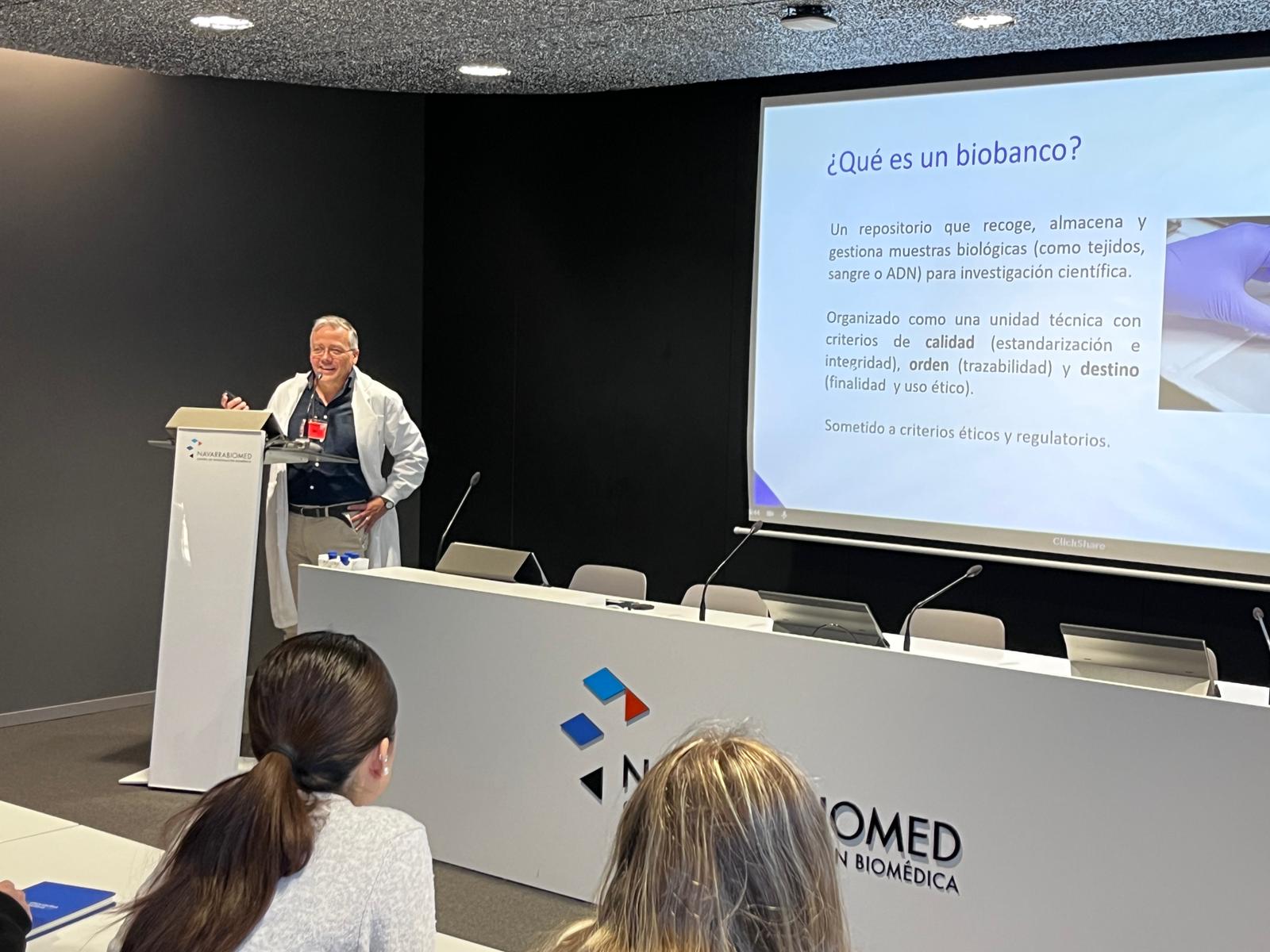
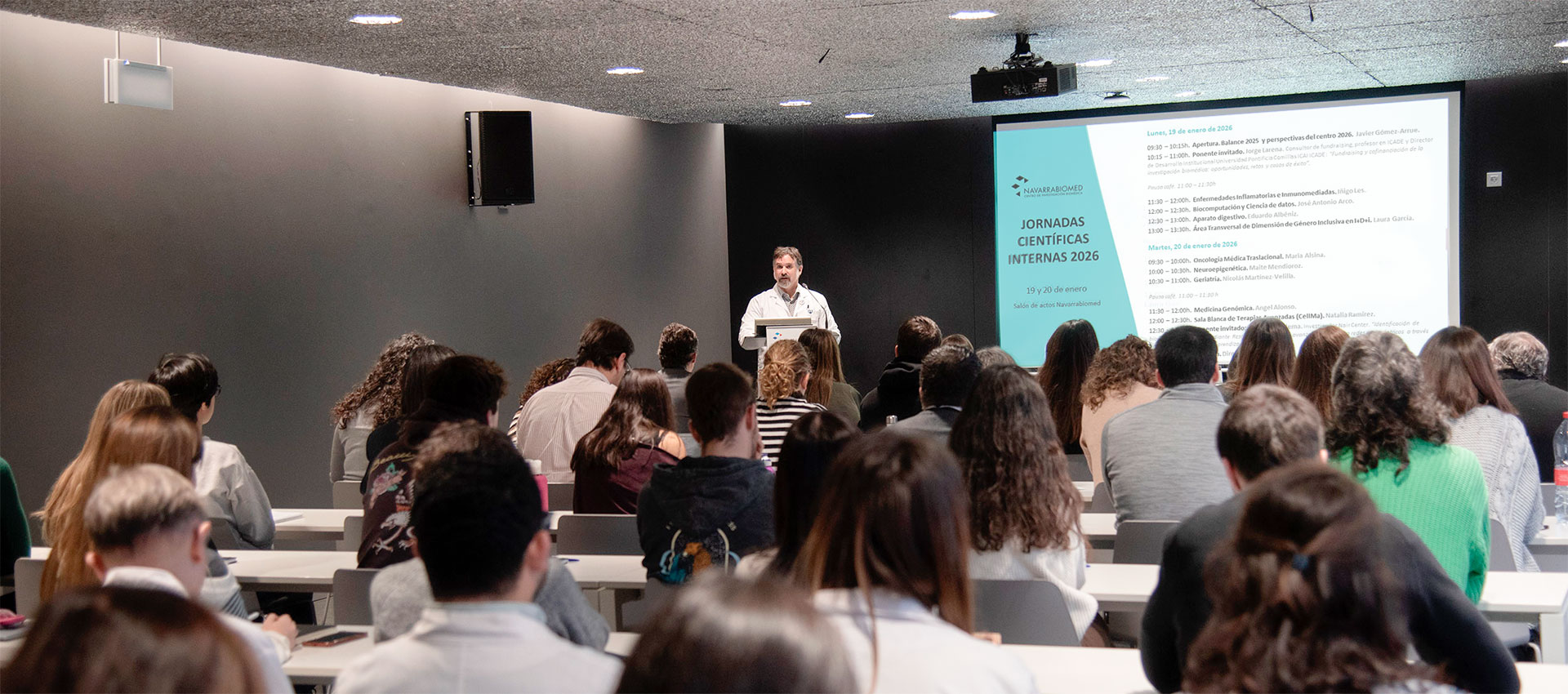
The Navarrabiomed team came together at the 2026 Internal Scientific Conference to learn about the strategic priorities established by the Institute’s management for the coming twelve months, as well as the most notable activities and new projects being developed by its research units and scientific-technical services.


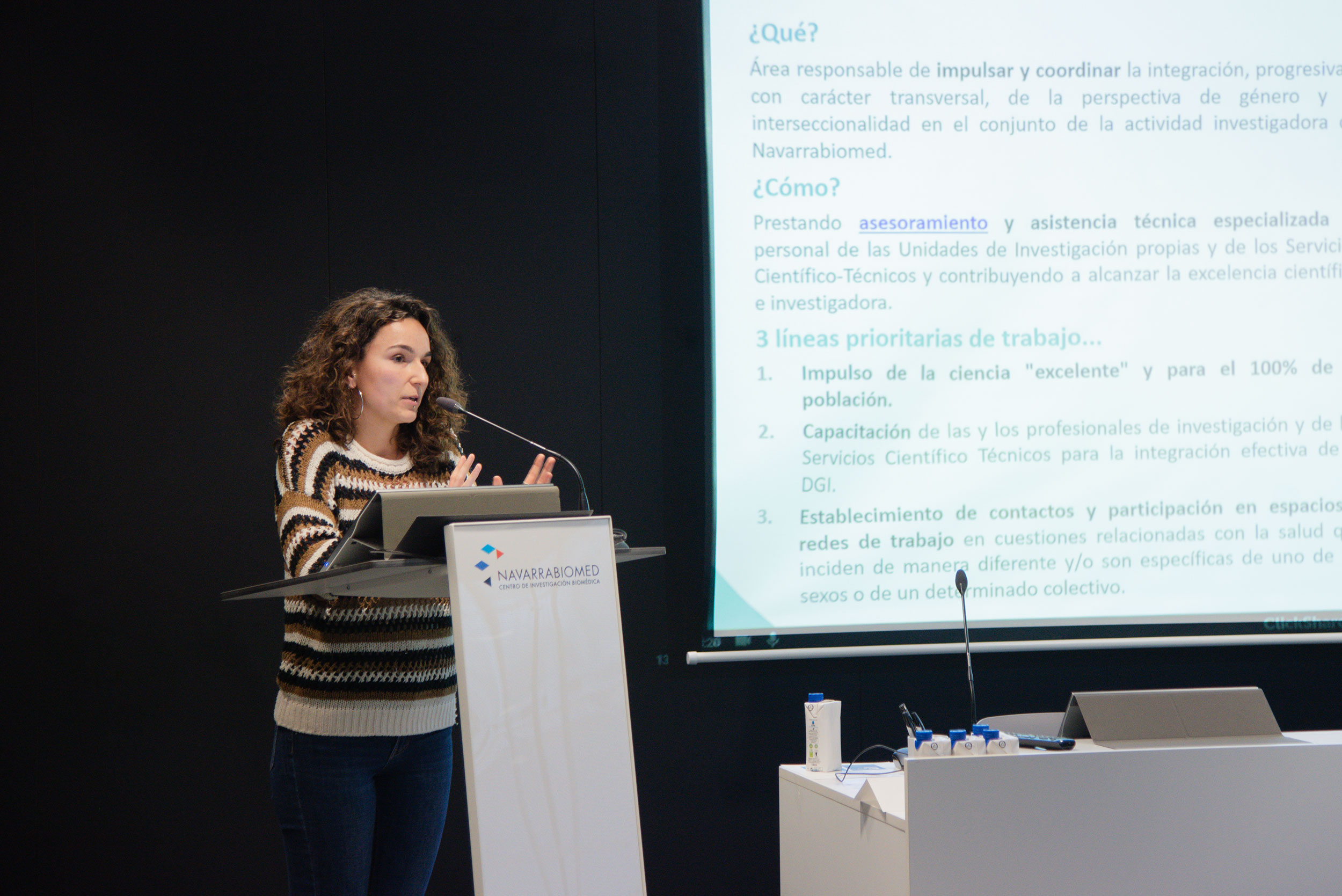
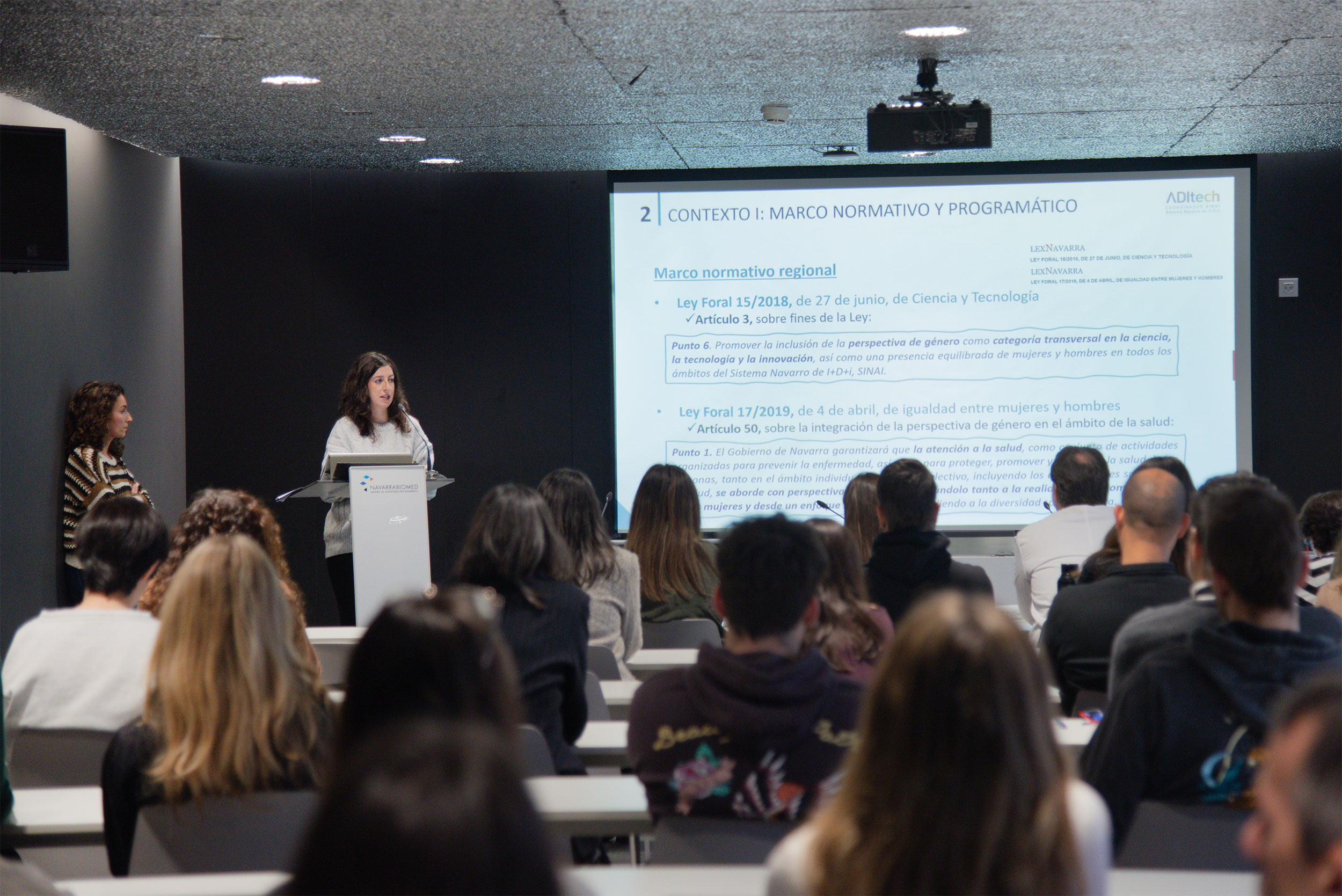
Over the course of the two-day event, presentations were delivered by Principal Investigators Iñigo Les, Eduardo Albéniz, Maria Alsina, Maite Mendioroz, Nicolás Martínez-Velilla, and Ángel Alonso, as well as by the heads of the Scientific and Technical Services (STSs), José Arco and Natalia Ramírez. Time was also dedicated to discussing Navarrabiomed’s strategy for implementing gender-inclusive research practices, in a session led by Laura García, with the participation of Maitane Bermúdez from ADItech, coordinator of the SINAI network.


Guest Speakers


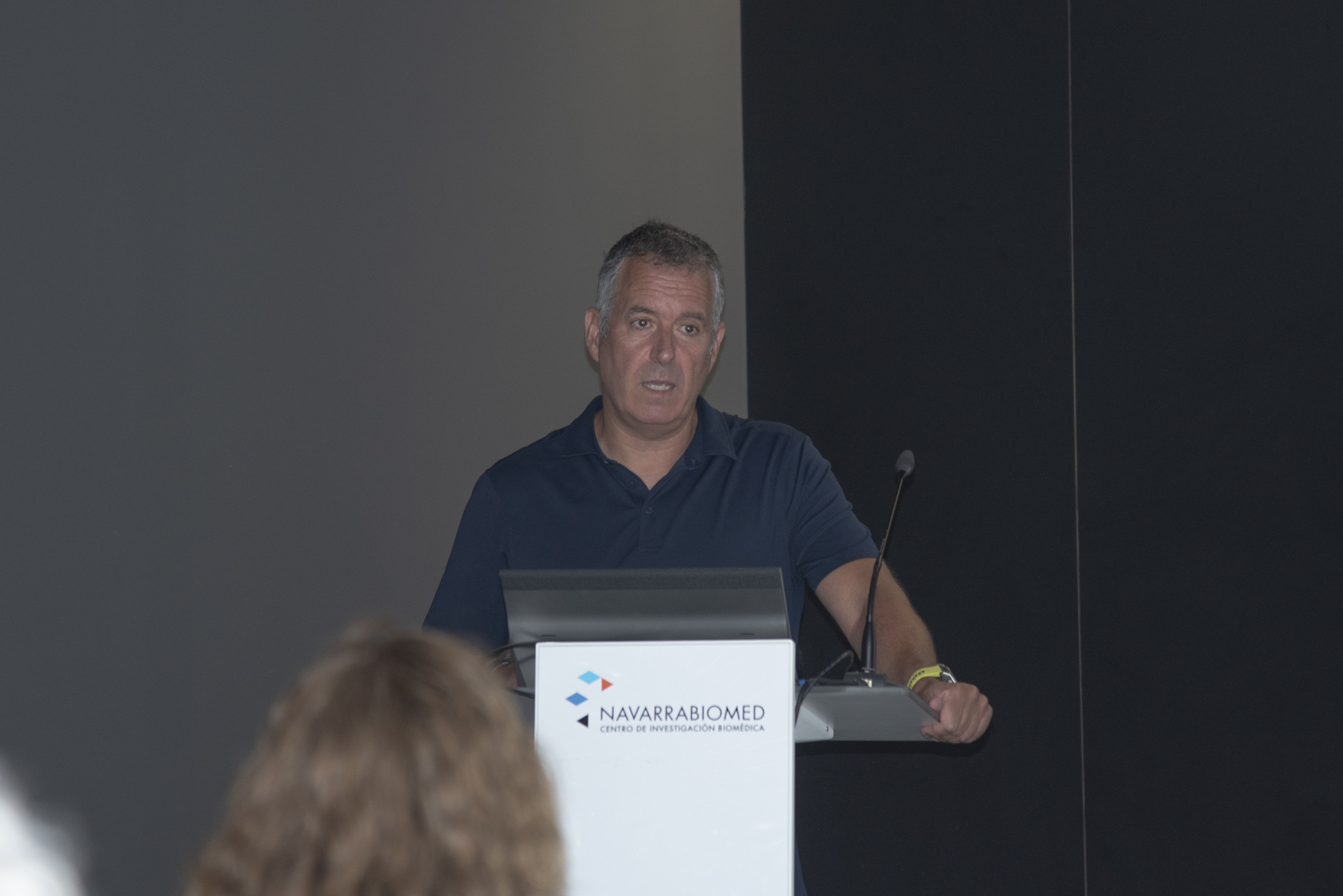
The session held on Monday, January 19, featured invited speaker Jorge Larena, a fundraising consultant for research centers, hospitals, and foundations, Professor at ICADE, and Director of Institutional Development at Comillas Pontifical University ICAI-ICADE. During his presentation, he provided an overview of the opportunities and challenges associated with non-competitive fundraising in the field of biomedical research, highlighting successful national and international case studies.


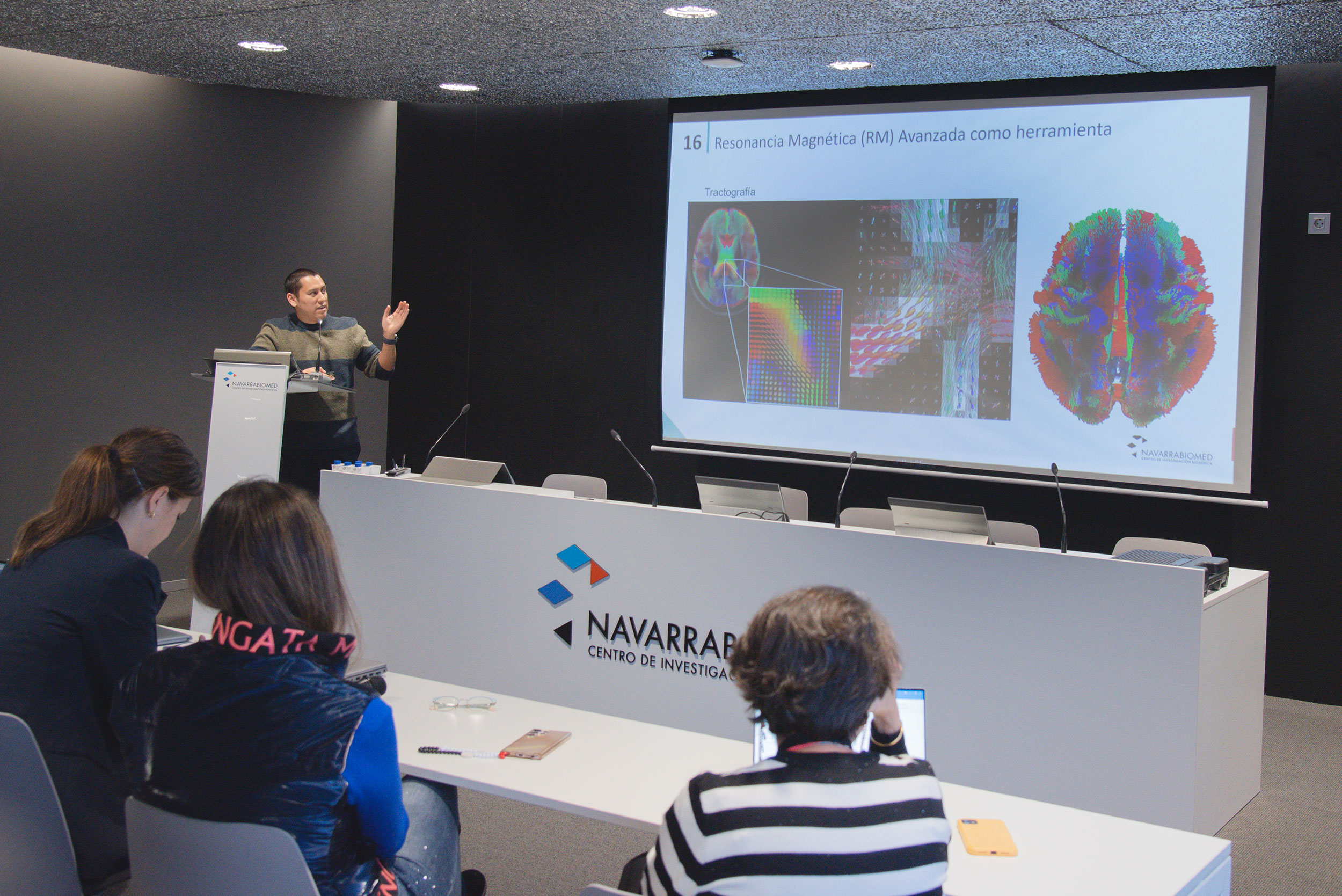
The invited speaker for the second day was Juan Quizhpilema, researcher and technician at NAIR Center. In his presentation, he shared the results of a study focused on the identification of neuroimaging biomarkers in Amyotrophic Lateral Sclerosis (ALS) through a multimodal advanced magnetic resonance imaging approach.


The findings presented demonstrated the superiority of Diffusion Kurtosis Imaging (DKI) and parallel transport tractography over conventional methods for quantifying microstructural degeneration. To address the limitations associated with small sample sizes, the study proposes a Federated Learning architecture. This model uses validated biomarkers as feature selectors to train artificial intelligence algorithms across multicenter networks, enabling robust global clinical validation of findings while preserving patient data privacy.
 

Categoría
Galería de imágenes
Jorge Larena, ponente invitado
Download Flecha que indica descarga
Juan Quizhpilema, ponente invitado
Download Flecha que indica descarga
Iñigo Les
Download Flecha que indica descarga
Eduardo Albéniz
Download Flecha que indica descarga
Laura García
Download Flecha que indica descarga
Maitane Bermúdez
Download Flecha que indica descarga
Maria Alsina
Download Flecha que indica descarga
Maite Mendioroz
Download Flecha que indica descarga
Angel Alonso
Download Flecha que indica descarga
Natalia Ramírez
Download Flecha que indica descarga
Nicolás Martínez-Velilla
Download Flecha que indica descarga
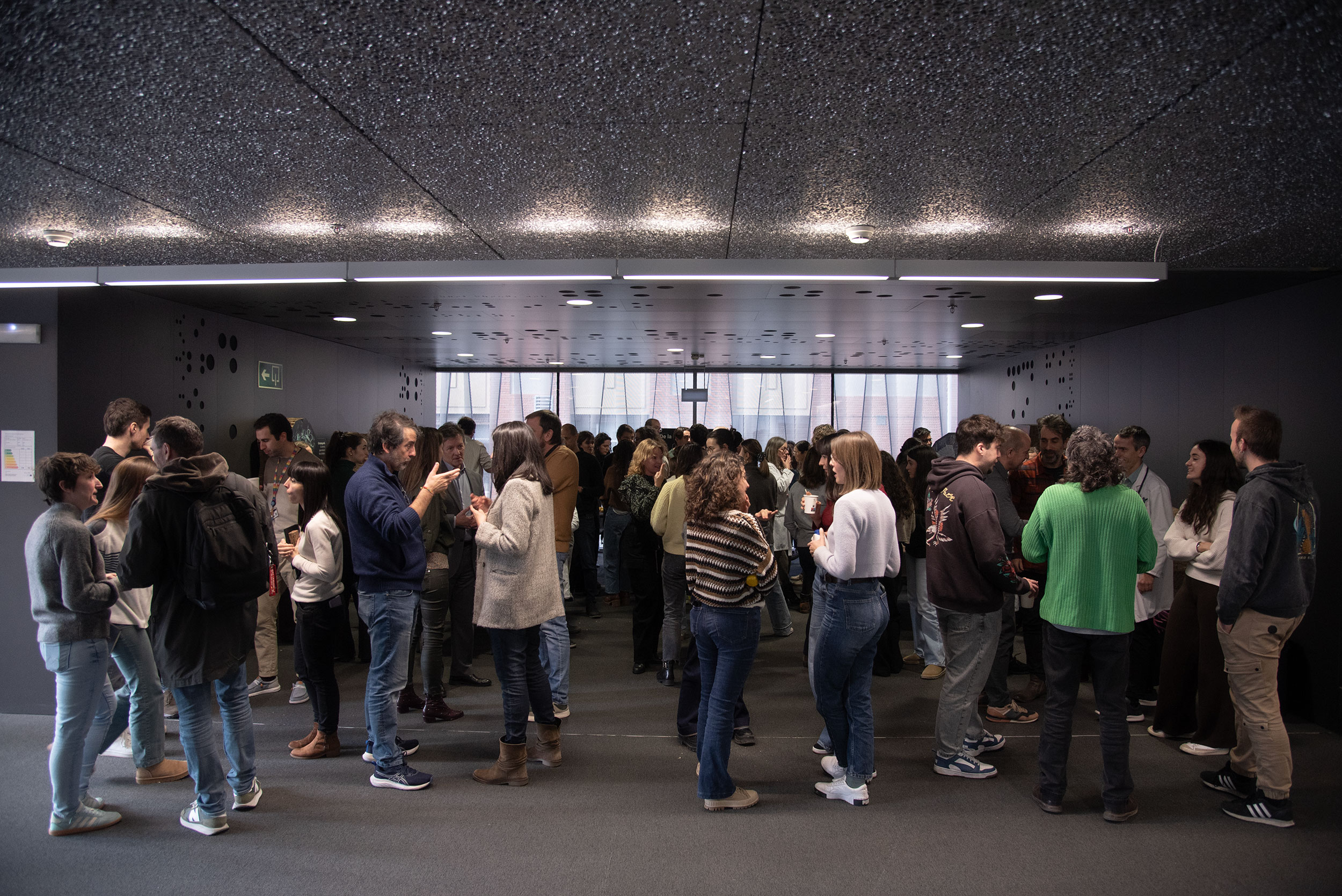
Café-networking
Download Flecha que indica descarga
Documentación
Vídeo

Primary Care Professionals and UPNA Seek to Improve Skills in Children and Adolescents with Autism and Intellectual Disabilities

Un proyecto de la UPNA y Atención Primaria pionero en Navarra busca mejorar las habilidades de menores con autismo y discapacidad intelectual
Author
Navarrabiomed

The research project, managed by Navarrabiomed-Miguel Servet Foundation, is evaluating the use of immersive and interactive technologies to enhance communication and social relationships in this population.


A pioneering project in Navarre led by the Public University of Navarre (UPNA) and Primary Care professionals aims to improve the social and communication skills of children and adolescents with Autism Spectrum Disorder (ASD) and intellectual disabilities. The research, managed by Navarrabiomed-Miguel Servet Foundation, is assessing the use of immersive and interactive technologies to support the development of these abilities in young people.


The project is led by Alcibíades Segundo Díaz Vera, a Primary Care physician with the Navarre Health Service at the Elizondo Health Centre and an associate clinical lecturer in the UPNA Department of Preventive Medicine and Public Health. The study is being conducted by a multidisciplinary team bringing together experts in health sciences, psychology, engineering, and artificial intelligence from five different institutions.


At UPNA, in addition to the principal investigator, the research team includes Almudena Sánchez Villegas, Professor in the Department of Preventive Medicine and Public Health and Dean of the Faculty of Health Sciences; Gonzalo Luis Alonso Salinas, cardiologist at the University Hospital of Navarre (HUN) and associate clinical lecturer in Cardiology; and Cédric Marco Detchart, lecturer in Artificial Intelligence and Computer Science at UPNA and researcher at the Institute of Smart Cities (ISC). The team also includes Leyre Adrián Arrieta, physician at the Navarre Health Service (SNS-O).


The project further benefits from the collaboration of Jaime Andrés Rincón Arango, Professor of Computer Science and Artificial Intelligence and member of the Applied Computational Intelligence Group (GICAP) at the University of Burgos, and Enrique Rodilla Sala, Associate Professor at CEU Cardenal Herrera University (Castellón campus). The technological development and adaptation of the digital tool used in the study are being carried out by the Jaume I University of Castellón through its Interactive Visualization Centre (CEVI) research group. The team includes Cristina Rebollo Santamaría, Assistant Professor; Anna Tonda Ramos, Associate Professor; and Inmaculada Remolar Quintana, Full Professor and Director of the CEVI group. All three researchers specialize in interactive technologies and their application in educational and healthcare settings.


Immersive Technologies Applied to Neurodevelopment


The REVIDITEA project is exploring the potential of an interactive application based on immersive and interactive technologies as a tool for training social and communication skills in children and adolescents with ASD and intellectual disabilities. The application has been developed in collaboration with the CEVI group at Jaume I University, and the study evaluating its effectiveness will be carried out in participating educational and healthcare centres.


According to Alcibíades Segundo Díaz, the project aims to “contribute to improving the quality of life and social inclusion of children and adolescents with ASD and intellectual disabilities through innovative, scalable, evidence-based tools, with the potential for future integration into educational and healthcare programmes.” The initiative also seeks to strengthen collaboration between the university, healthcare, and education sectors in Navarre, addressing real needs within the population and promoting the development of practical, research-based solutions.


Categoría
Documentación
Vídeo

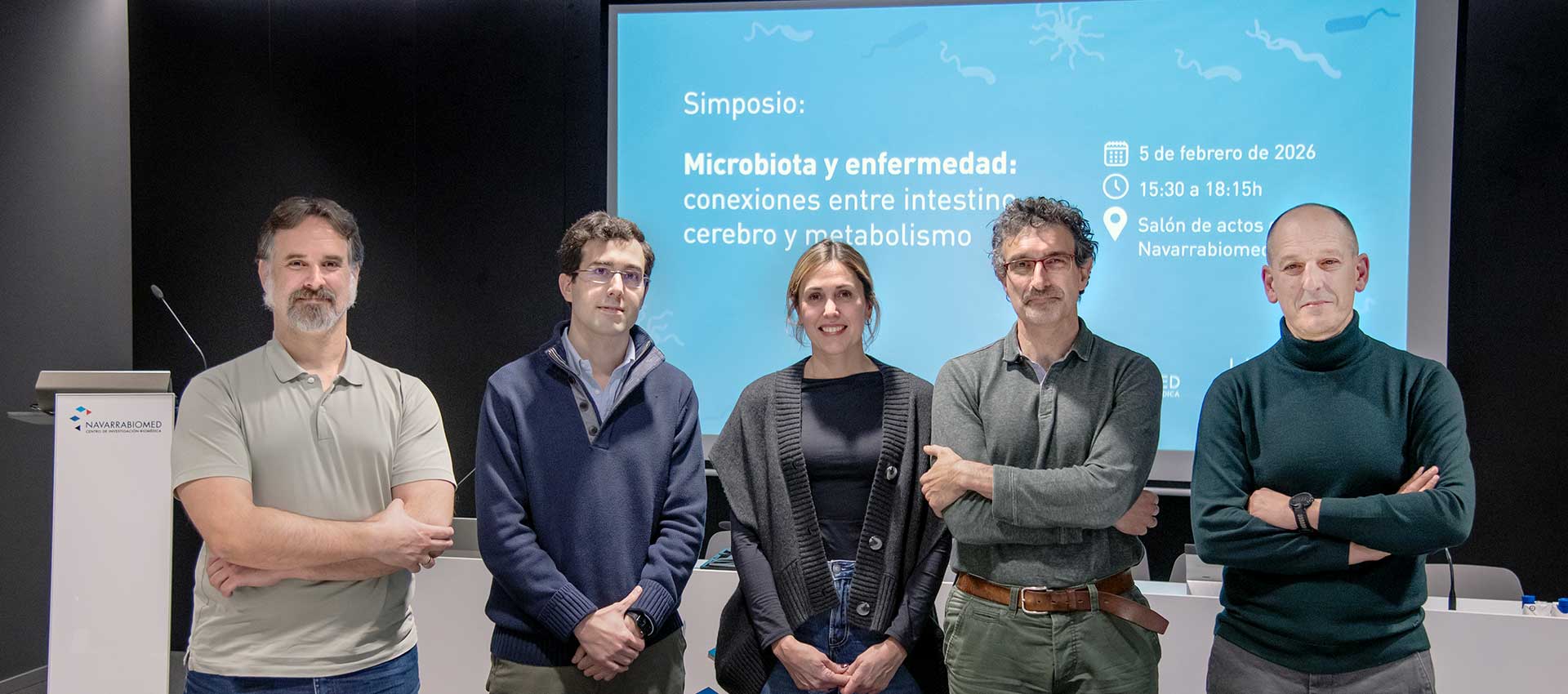
Navarrabiomed and UPNA Organize a Symposium Exploring the Links Between Microbiota and Disease

Navarrabiomed y la UPNA organizan un simposio que analiza las conexiones entre microbiota y enfermedad
Author
Navarrabiomed

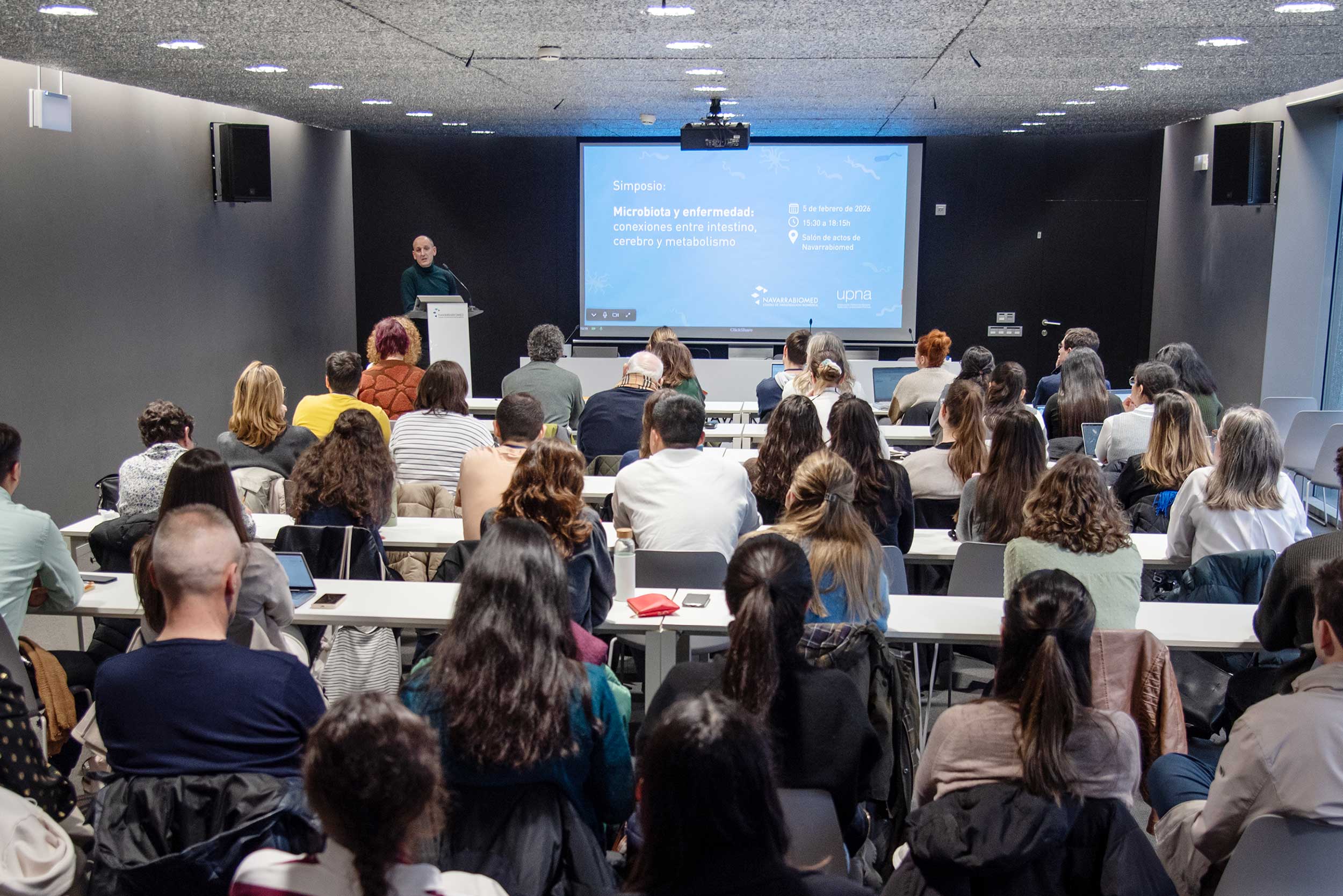
•    The event brought together nearly 90 attendees interested in learning about the gut-brain axis and its influence on neurological health. 


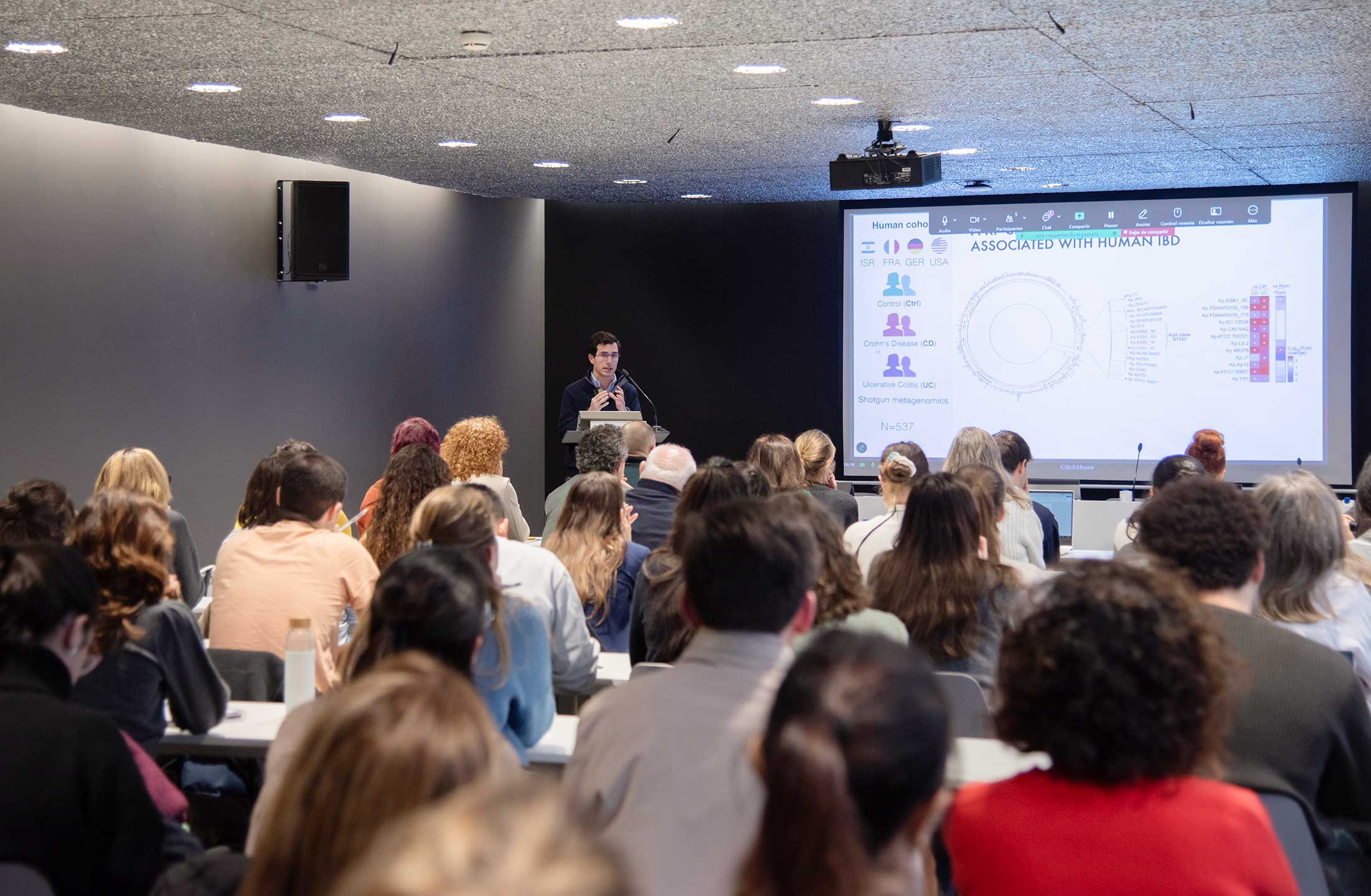
The gut microbiota, the community of microorganisms that inhabits the intestine, was the central focus of the symposium “Microbiota and Disease: Connections Between the Gut, Brain and Metabolism”, recently held at Navarrabiomed as part of the Master’s Degree in Research and Innovation in Biotechnology at the Public University of Navarre (UPNA). The event showcased the latest research on the gut-brain connection and its potential influence on neurological health to an audience of nearly 90 participants, including students, healthcare professionals, and researchers.


The symposium, coordinated by UPNA Professor and Navarrabiomed researcher Iñigo Lasa, is part of the course “Trends in Biotechnology” and aims to strengthen students’ academic training by connecting education with current challenges, emerging trends in the sector, and the latest advances in research.


Guest Speakers


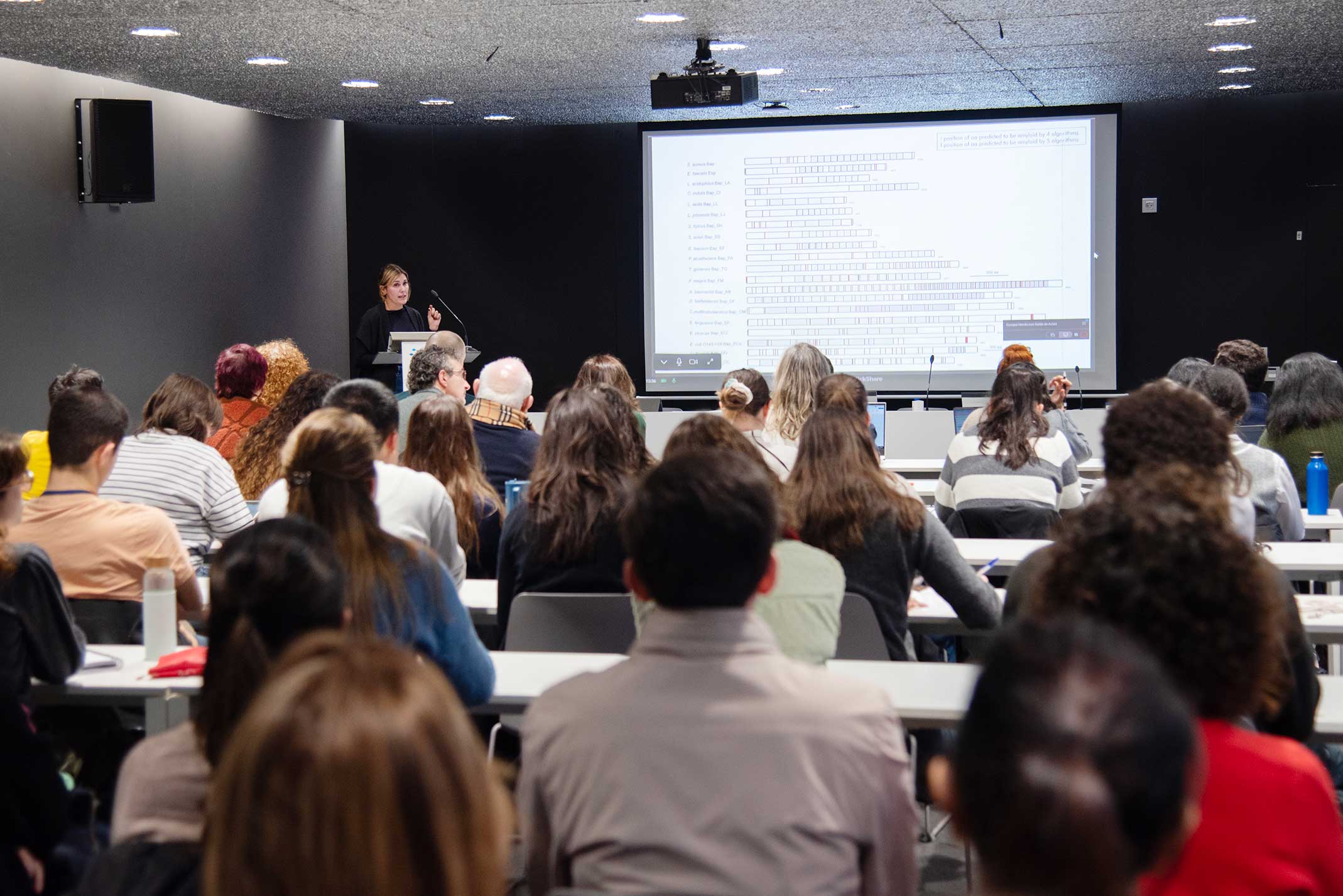
Jaione Valle Turrillas, a CSIC researcher at the Institute of Agrobiotechnology (IdAB-CSIC), opened the event with a presentation on communication between the microbiota and the central nervous system through the gut-brain axis, an interaction pathway currently being studied for its potential influence on processes related to neurological health. “The gut microbiota constitutes one of the densest and most complex microbial communities in the human body,” explained Jaione Valle. She highlighted that several studies have observed that alterations in this microbial community may influence the onset and progression of neurodegenerative diseases such as Alzheimer’s and Parkinson’s disease.


During her presentation, Valle discussed several studies conducted by the Bacterial Communities and Disease Laboratory at IdAB-CSIC, focusing on how certain by-products generated by the gut microbiota may be involved in processes associated with the development of Parkinson’s disease.

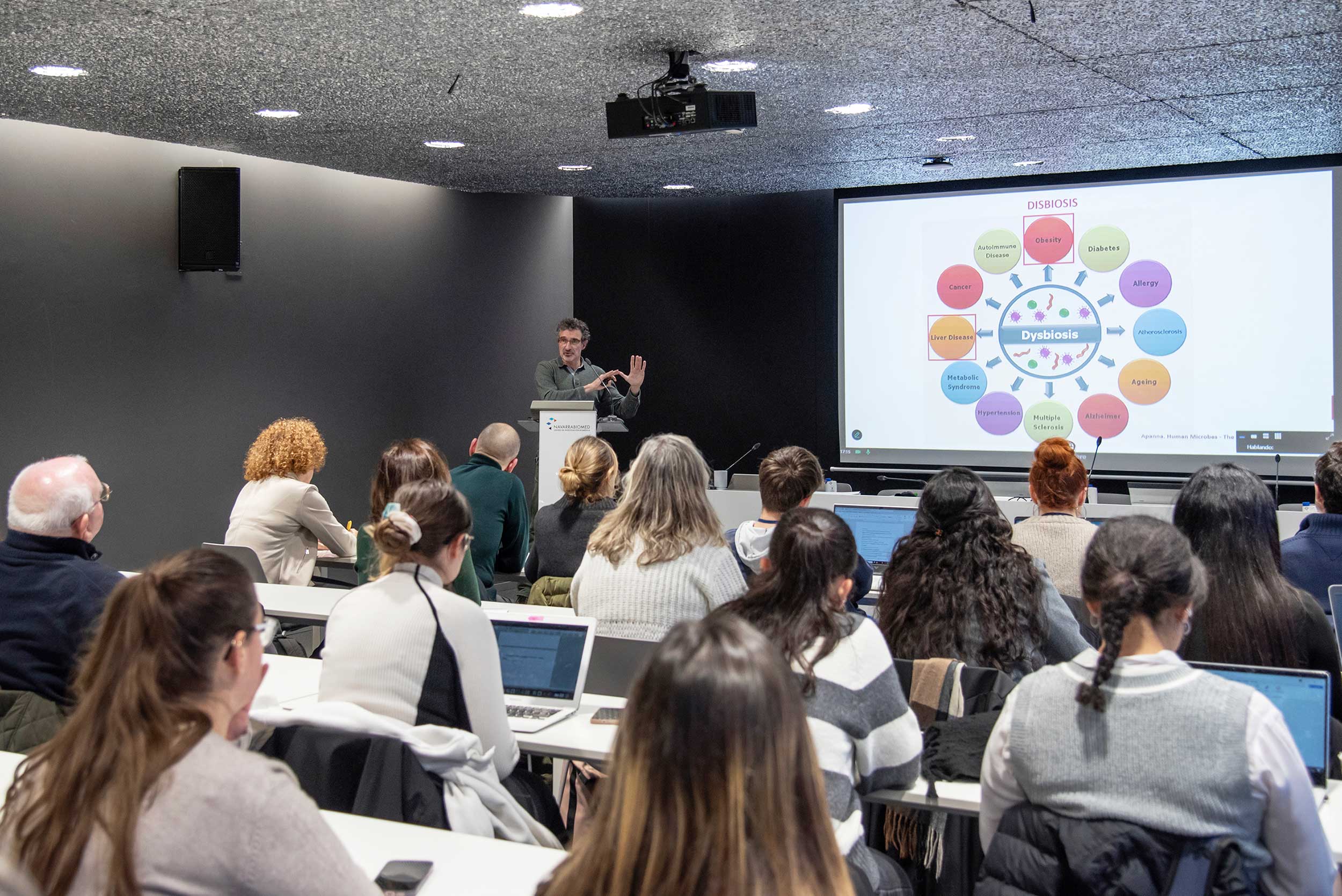
The symposium program also included two additional presentations dedicated to other microbiota-disease connections. Rafael Valdés Mas, a Ramón y Cajal researcher at Cima Universidad de Navarra, addressed the interactions between the host organism, the microbiome, and diet in inflammatory bowel diseases. Fermín Milagro Yoldi, professor at the Nutrition Research Center of the University of Navarra, presented several research lines on probiotics and postbiotics with applications in metabolic diseases.

Categoría
Galería de imágenes
De izq. a dcha.: Javier Gómez-Arrue (director de Navarrabiomed), Rafael Valdés, Jaione Valle, Fermín Milagro e Iñigo Lasa (catedrático de la UPNA e investigador de Navarrabiomed).
Download Flecha que indica descarga
Ponencia a cargo de Jaione Valle.
Download Flecha que indica descarga
Fermín Milagro durante su intervención.
Download Flecha que indica descarga
Iñigo Lasa ejerció de moderador del encuentro.
Download Flecha que indica descarga
Participación de Rafael Valdés.
Download Flecha que indica descarga
Documentación
Vídeo

Navarrabiomed participates in the 9th Meeting for European Project Managers and Promoters

Navarrabiomed participa en el IX encuentro para gestores y promotores de Proyectos Europeos
Author
Navarrabiomed


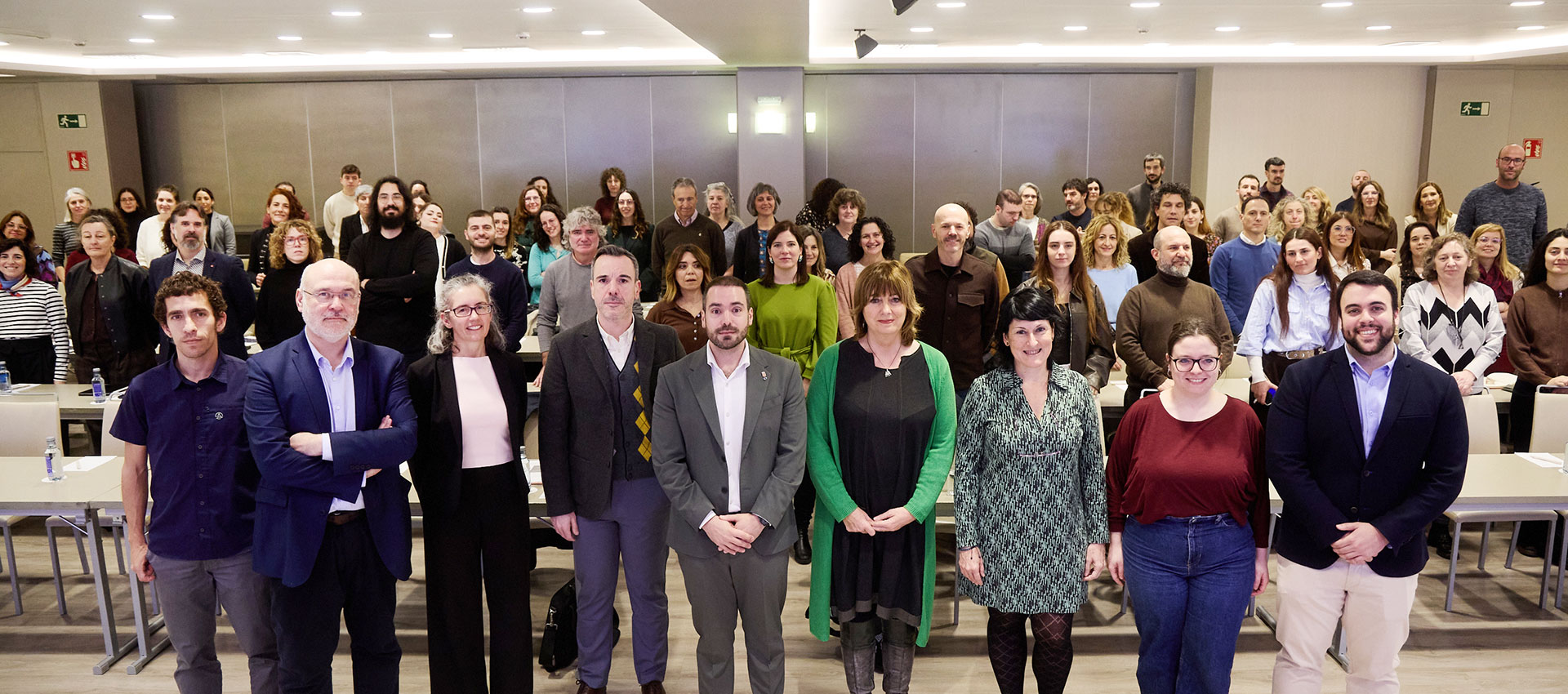
The event, chaired by Ana Ollo, Second Vice-President and Regional Minister for Memory and Coexistence, External Action and the Basque Language, brought together around one hundred professionals working in European projects.


The Second Vice-President and Regional Minister for Memory and Coexistence, External Action and the Basque Language, Ana Ollo, opened the 9th Meeting for European Project Managers and Promoters, which was attended by around one hundred professionals from across Navarra.
Representing Navarrabiomed-Miguel Servet Foundation were Daniel Villanueva and Mikel Rubio, International Project Managers; Beatriz Pérez, Head of Innovation; and Javier Gómez-Arrúe, Director of Navarrabiomed. Also attending were Elena Antoñanzas, Director of the Planning, Health Strategy and Research Service of the Navarra Department of Health; María Barrios, Head of the Research and Innovation Section within the same service; and Milagros Larráyoz, Director of Economic Management and General Services at Navarra University Hospital.


This year’s event focused on the Multiannual Financial Framework programmes available to Navarra through European Cohesion Policy. The meeting brought together representatives from the joint secretariats of several European programmes, including: Interreg POCTEFA (Pilar Maza), Interreg Atlantic (Ismael Morán), Interreg SUDOE (Juan Llanes), Interreg Europe (Jason Martínez), Interreg ESPON (Nicolas Rossignol), Interreg URBACT and the European Urban Initiative (Ana Díez). The event also featured Silvia Agrafojo, Head of the Social Knowledge Area at Zabala Innovation, who delivered a presentation on the integration of the gender dimension in European project proposals.


In addition to programme representatives, participants from Navarra´s organisations had the opportunity to share their practical experience in European projects. Among them Silvia Ojer, Director of the Navarra European Projects Office, presented the GRAAL project, funded through Interreg Atlantic. Mikel Rubio, from Navarrabiomed, presented PREDISC, funded under Interreg SUDOE. Pablo Lansac, from ANEL, described the JEUNESS project, funded by POCTEFA. Ekaitz García, from the Directorate-General for Energy and Digital Transition, Business R&D&I and Entrepreneurship, presented progress on the ZCI project under Interreg Europe. Ion Sola shared his experience participating in the ESPON IRIE European Territorial Cooperation Group.


PREDISC: an innovative model for disability prevention in older adults


Europe is moving towards an increasingly ageing society. Within this context, the SUDOE territory, particularly its rural areas, is experiencing some of the highest proportions of older adults alongside ongoing depopulation trends. Ageing is commonly associated with frailty and disability, which in turn are linked to increased healthcare resource utilization and hospital admissions.


The PreDisc project aims to prevent disability among older adults by promoting regular physical activity during and after periods of hospitalization. This is achieved through the prescription of a personalized exercise programme during hospitalization and its continuation after discharge, supported by Primary Care follow-up and facilitated through the development of an innovative eHealth tool.
The project also includes a multicentre clinical trial designed to generate scientific evidence and support the incorporation of these programmes into routine clinical practice.


In addition, PreDisc promotes a model of active ageing, particularly in rural areas, through the development of technological tools, training programmes for healthcare professionals, home visits and community events in rural settings.These actions are expected to help reduce unnecessary hospital admissions while improving access to healthcare services. The project's objective is to promote equitable access to healthcare by bringing services closer to rural communities and reducing the need for older adults to travel in order to receive care.


Categoría
Galería de imágenes
Vídeo

Navarrabiomed awards the INNOVA3PM project for advanced clinical research in healthcare to the Fast Green Platform for Pharmaceutical Development consortium

Navarrabiomed concede el proyecto INNOVA3PM, para la investigación clínica avanzada en el ámbito de la salud, a la UTE Fast Green Platform for Pharmaceutical Development
Author
Navarrabiomed

Navarra awards its first Public Procurement of Innovation contract worth €3.5 million.


Navarrabiomed-Miguel Servet Foundation has awarded a contract for the development of an innovative platform for the purification and production of small molecules in research environments under the INNOVA3PM project. The outcomes of this initiative will support research into new cancer immunotherapies, among many other studies, representing a strategic milestone for the Chartered Community of Navarra in advancing clinical research and personalized medicine within the public healthcare system.


The biomedical research centre has awarded the tender to the Fast Green Platform for Pharmaceutical Development consortium (UTE) for a total budget of €3.5 million (VAT included). The project is expected to be completed in 2028.


The award of this first pre-commercial public procurement project fulfills the primary objective of Public Procurement of Innovation (PPI), a mechanism that enables public administrations to stimulate innovation through demand-driven approaches by posing challenges for which market solutions do not yet exist.


This is the first initiative of its kind promoted in Navarra, reinforcing the region’s position as a national leader in innovation through the collaboration of the Government of Navarra, particularly the Departments of Health and University, Innovation and Digital Transformation.


INNOVA3PM was conceived in response to the shortage identified by Navarrabiomed of clinical-grade small molecules in sufficient quantities to continue its clinical research programmes, both within its Oncoimmunology Unit and other research groups. Following the discovery of the potential of oleuropein in cancer treatment, as reported in a study published in the British Journal of Cancer in 2024, the research centre proposed applying for support under the FID funding programme of the Spanish Ministry of Science, Innovation and Universities, which Navarra accessed for the first time last year. As a result, the project was designed to achieve the purification of various small molecules, using oleuropein as the initial use case.


The project is structured into three phases:
1.    Solution Design Phase: Demonstrating the technical, financial, and commercial feasibility of the proposed solution.
2.    Prototyping Phase: Construction of the pilot platform and production of an initial technical batch for non-clinical evaluation.
3.    Validation Phase: Verification that the platform meets the requirements and standards established during the previous phases.


INNOVA3PM Project


The main objective of INNOVA3PM is to develop an optimized platform capable of purifying and producing small molecules of natural origin, starting with oleuropein, a compound found in olive leaves and fruit.
When combined with conventional immunotherapies in preclinical mouse studies, oleuropein has been shown to enhance clinical responses in animal models resistant to PD-1/PD-L1 checkpoint blockade immunotherapies. This could enable the development of more patient-directed immunotherapy strategies and improve treatment responses across different types of cancer.
Beyond oleuropein, the availability of a platform for the purification and production of small molecules opens new avenues for research, both for the development of additional therapeutic approaches and for the discovery of novel drugs.


The project has received €2 million in co-funding from the Ministry of Science, Innovation and Universities through the FID Programme, which promotes innovation through demand-driven procurement under the Spain Multi-Regional Programme 2021-2027 and the European Regional Development Fund (ERDF). The Government of Navarra is also contributing to the project through a combined investment of €3 million, distributed as follows: €2 million from the Department of Health and €1 million from the Department of University, Innovation and Digital Transformation. Through INNOVA3PM, Navarra is taking a significant step forward in strengthening its biomedical research capabilities, fostering innovation in drug development, and advancing personalized medicine through public-sector driven innovation.


Categoría
Documentación
Vídeo

175 Students Visit Navarrabiomed During the First Quarter of 2026

175 estudiantes visitan Navarrabiomed durante el primer trimestre de 2026
Author
Navarrabiomed


During the first quarter of 2026, Navarrabiomed welcomed a total of 175 university and vocational training students. The students participated in six organized visits, during which they learned about career opportunities in biomedical research aligned with their educational backgrounds, as well as the research facilities and laboratories available at Navarrabiomed.


The vocational training students came from a variety of programs, including:
•    Assisted Livestock Farming and Animal Health at the Integrated Agroforestry Centre.
•    Pathological Anatomy and Cytodiagnosis at the María Inmaculada Integrated Centre of Pamplona.
•    Manufacturing of Pharmaceutical, Biotechnological and Related Products at the Donapea Integrated Polytechnic Centre.
•    Clinical and Biomedical Laboratory Sciences at the Navarra Health Technical and Vocational School (ESTNA).

In addition, visits were organized for university students from both of Navarra’s higher education institutions, the Public University of Navarre (UPNA), specifically for students enrolled in the Biotechnology degree program and the University of Navarra, for students studying Biochemistry and Biology.
These visits provided participants with first-hand insight into the biomedical research environment, helping them explore potential career paths in research while gaining exposure to cutting-edge scientific facilities and ongoing research activities at Navarrabiomed.

Categoría
Galería de imágenes
Jose Arco dio a conocer el Servicio de Biocomputación y Ciencia de Datos.
Download Flecha que indica descarga
Natalia Ramírez divulgó la actividad del Servicio de Sala Blanca.
Download Flecha que indica descarga
Sesión sobre el Bioabanco, a cargo de Roberto Hernán.
Download Flecha que indica descarga
Documentación
Vídeo

Aptitude Proxi Scientific Conference Examines How Research and Community-Based Prevention Contribute to Healthy Ageing

Jornada AptitudeProxy Baluarte
Author
Navarrabiomed
  • Health Minister Fernando Domínguez highlights the need to anticipate frailty and strengthen older adults’ autonomy through community-based care.


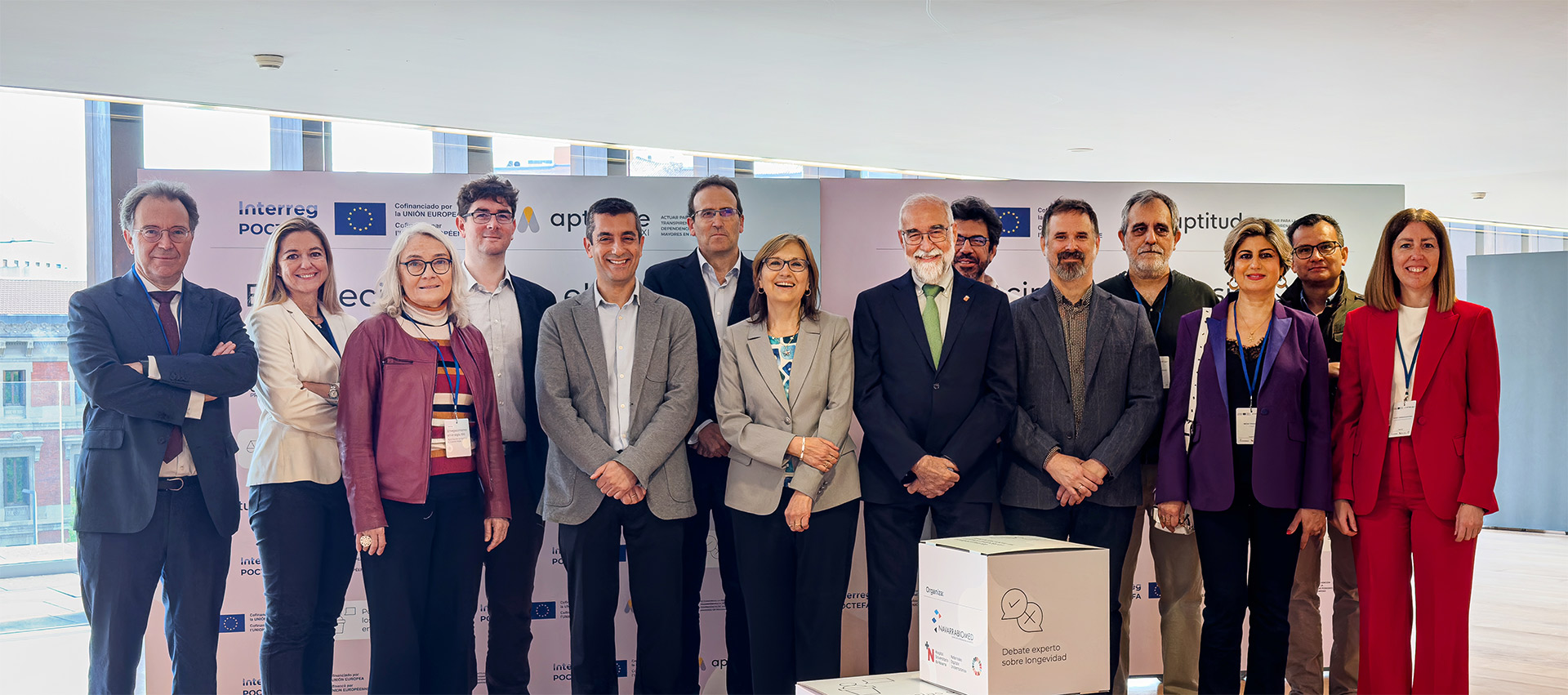
Population ageing and the challenges it poses for today’s societies and healthcare systems were the focus of the scientific conference “Ageing in the 21st Century: Contributions from Science, New Challenges,” held today and organized by Navarrabiomed within the framework of the cross-border project Aptitude Proxi. The event explored the role of research and innovative preventive models in improving the quality of life and autonomy of older adults.


The conference was opened by Fernando Domínguez, Minister of Health of the Government of Navarre, accompanied by Nicolás Martínez, representing the University Hospital of Navarra–Navarrabiomed–IdiSNA, and Marina Pollán, Director of the Carlos III Health Institute.
During his address, the Minister stated that:
“Ageing is one of the major challenges facing our societies and encourages us to move towards a healthcare system that prioritizes prevention, proximity, and research, shifting from a disease-centered approach to one focused on anticipation, care, and prevention, as has been promoted through the Aptitude Proxi cross-border project.”


He also emphasized the importance of advancing toward a more preventive healthcare model, capable of detecting frailty at an early stage, strengthening autonomy, and promoting active and healthy ageing.
“The goal is not only to live longer, but to live better, with quality of life and independence,” he said.


Scientific Content of the Conference


The conference highlighted the importance of combining research, healthcare, and community action to advance a more human-centered, preventive, and accessible model of care capable of addressing the challenges of ageing in the 21st century.


The scientific programme addressed, from a multidisciplinary perspective, the main advances and challenges in the field of ageing, with presentations focused on frailty, functional capacity, prevention, health promotion, and the translation of scientific knowledge into clinical practice.
Throughout the different sessions, researchers and healthcare professionals presented research findings and innovative experiences aimed at improving the early detection of risk situations, optimizing care for older adults, and advancing toward more comprehensive, personalized, and evidence-based intervention models.


The event also served as a platform for dialogue among professionals from the fields of research, hospital care, and primary care, strengthening collaboration and facilitating knowledge transfer.


Aptitude Proxi: Prevention and Active Ageing Through Community-Based Care


One of the conference’s central themes was the analysis of the European project Aptitude Proxi, a cross-border cooperation initiative developed under the Interreg POCTEFA programme. Its objective is to prevent frailty and promote active and healthy ageing through a community-based care model.


The project is based on the premise that prevention is most effective when delivered close to people, within their own environment and with the active involvement of the community. To achieve this, it brings together the expertise of geriatrics, primary care, and research teams, combining two complementary lines of action:


•    Community-based geriatric assessments, designed to identify frailty and risk situations at an early stage.
•    Community activities promoting active ageing, aimed at strengthening physical, cognitive, and social capacities.


European Cooperation


Aptitude Proxi is funded 65% by the European Regional Development Fund (ERDF) and involves leading institutions in healthcare and research, including:


•    Toulouse University Hospital (CHU de Toulouse), as lead partner.
•    Navarrabiomed Biomedical Research Centre and the University Hospital of Navarra (HUN/NOU).
•    Fundació Salut i Envelliment of the Autonomous University of Barcelona.
•    Andorran Health Care Service (SAAS).


The project builds on the achievements of the previous APTITUDE initiative (2019–2022), further consolidating a cross-border collaboration network dedicated to healthy ageing and frailty prevention.


Categoría
Galería de imágenes
Documentación
Vídeo

FECYT Grants Navarrabiomed National Accreditation as a Scientific Culture and Innovation Unit

Acreditación_Unidad_de_Cultura_Científica
Author
Navarrabiomed

This certification recognizes the centre’s activities and projects in scientific outreach and the promotion of STEM vocations.


The team of Navarrabiomed’s Communication and Design Unit has been officially recognized as a Scientific Culture and Innovation Unit (UCC+I) by the Spanish Foundation for Science and Technology (FECYT), an organization under Spain’s Ministry of Science, Innovation and Universities. This accreditation represents significant institutional recognition of the work Navarrabiomed has been carrying out in the fields of scientific outreach, research communication, and the promotion of scientific culture within society.


The UCC+I network brings together organizations that play a strategic role in communicating science to the public, promoting access to knowledge, public engagement, and the development of scientific vocations.


Promoting Scientific Culture from Navarra


With this accreditation, Navarrabiomed reaffirms its commitment to the rigorous and accessible dissemination of research activities, as well as to the development of initiatives aimed at fostering public interest in science.


Navarrabiomed’s UCC+I has a 14-year track record in science communication and outreach in the field of biomedical research, as well as in the development of public health campaigns and informational materials for patients and families within the Navarre Health Service (SNS-O). Its most notable projects include an interactive travelling science exhibition featuring augmented reality, science forum theatre with a gender perspective, and participatory sessions designed to promote inclusive and citizen-oriented science, among other initiatives.


Recognition of Excellence in Scientific Communication


Through this accreditation, FECYT recognizes organizations’ ability to develop communication strategies based on quality, social impact, and scientific rigour, with the aim of promoting public interest in science and fostering a stronger scientific culture in society. This recognition positions Navarrabiomed as a leading institution in science communication within the biomedical and healthcare environment, strengthening its role in transferring knowledge generated through research to society.


Membership in the UCC+I network will enable the Navarrabiomed team to exchange experiences and best practices with other organizations and to participate in collaborative projects at a national level.

Categoría
Documentación
Vídeo

Translational Medical Oncology Unit Identifies a Key Biomarker to Predict Resistance to Immunotherapy in Lung Cancer Patients with High PD-L1 Levels

Translational Medical Oncology Unit Identifies a Key Biomarker to Predict Resistance to Immunotherapy in Lung Cancer Patients with High PD-L1 Levels
Author
Navarrabiomed

The study describes the underlying molecular alterations and offers more effective therapeutic options.


Professionals from Navarrabiomed’s Translational Medical Oncology Unit Identify a New Biomarker Capable of Predicting Resistance to Immunotherapy in Lung Cancer Patients with High PD-L1 Levels. This discovery provides a better understanding of the underlying molecular alterations that drive resistance and opens the door to new therapeutic strategies to overcome it.

The findings, recently published in the Translational Oncology Journal, are part of a broader research project led by Hugo Arasanz, Co-Principal Investigator of the Translational Medical Oncology Unit at Navarrabiomed and medical oncologist at the University Hospital of Navarra. The study also forms part of the doctoral research of Natalia Castro, a predoctoral researcher in the unit and currently a medical oncologist at the University of Navarra Clinic. In addition, the team from Navarrabiomed’s Oncoimmunology Unit played an active role in the study.

Research details

Lung cancer is the leading cause of cancer-related mortality worldwide, and treatment options vary according to tumoral PD-L1 expression. In patients with metastatic disease, which is the most common stage at diagnosis, immunotherapy is the standard treatment when PD-L1 expression is high. Conversely, when PD-L1 expression is low, immunotherapy must be combined with chemotherapy.

However, approximately half of patients with high PD-L1 expression do not respond to immunotherapy, and until now the underlying mechanisms responsible for this resistance remained largely unknown.

The Navarrabiomed team has identified a specific population of immune cells circulating in the bloodstream, known as low-density neutrophils (LDNs), as being responsible for this resistance. Elevated levels of these cells act as a biomarker predicting a poorer response to immunotherapy. Importantly, the study demonstrates that these same patients can benefit from a combination of chemotherapy and immunotherapy, making it possible to overcome this initial resistance.

This finding has significant clinical implications, as it could enable treatment to be tailored from the outset according to each patient’s profile, potentially improving clinical outcomes. Specifically, patients with high PD-L1 expression who also present elevated levels of low-density neutrophils could be treated with chemoimmunotherapy, thereby reversing their initial resistance to treatment.

Furthermore, the technique used to detect low-density neutrophils is already available in hospitals, which would facilitate its implementation in routine clinical practice.
 

Funding and dissemination

This research was made possible thanks to funding and support from the Spanish Association Against Cancer (AECC) through the SEOM Grant for Translational Research Projects in Immuno-Oncology 2023 and the AECC Junior Clinical Fellowship 2019, as well as from the Government of Navarra through the Government of Navarra Intensification Grant 2024.

In addition to the aforementioned publication, the results have already been presented at five international and three national oncology conferences of recognized relevance.

The professionals of the Translational Medical Oncology Unit are currently seeking additional funding to validate these findings through a prospective randomized clinical trial. In parallel, they also plan to assess the results within ongoing international clinical trials.

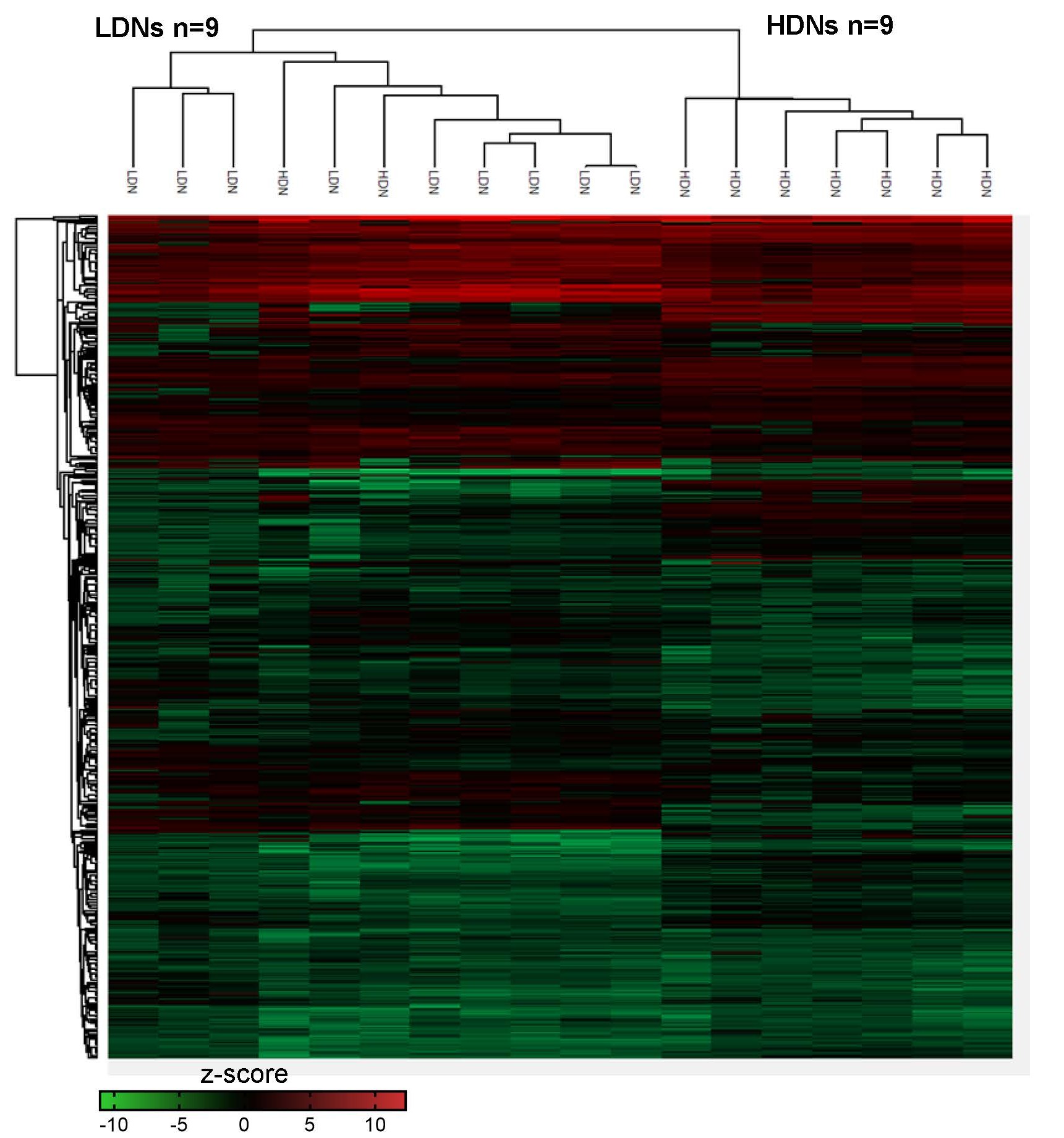
Figure 1: Heat map representing the complete proteome identified in low-density neutrophils (LDNs) (n = 9) compared with high-density neutrophils (HDNs) (n = 9), showing overexpressed proteins (red) and underexpressed proteins (green), ranging from a z-score of −11.28 (green) to +12.83 (red).

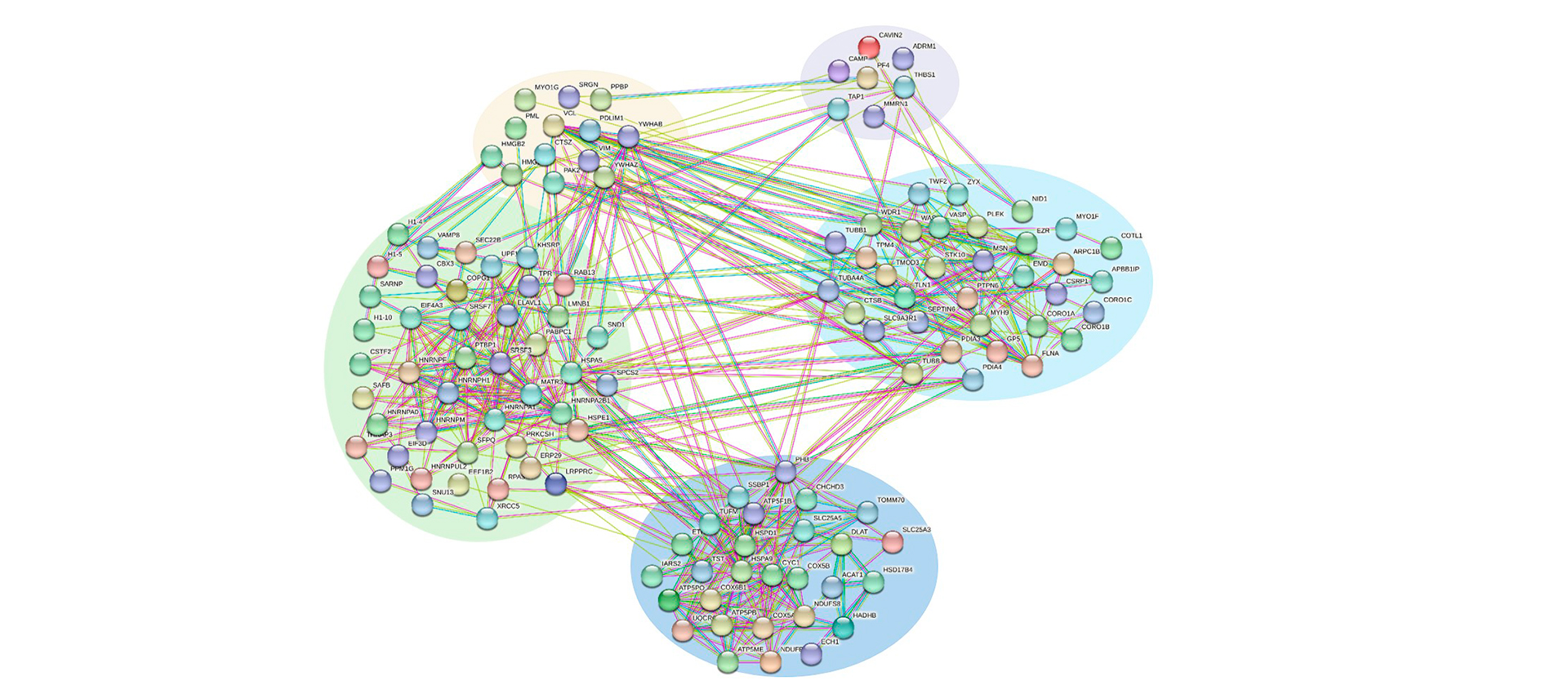
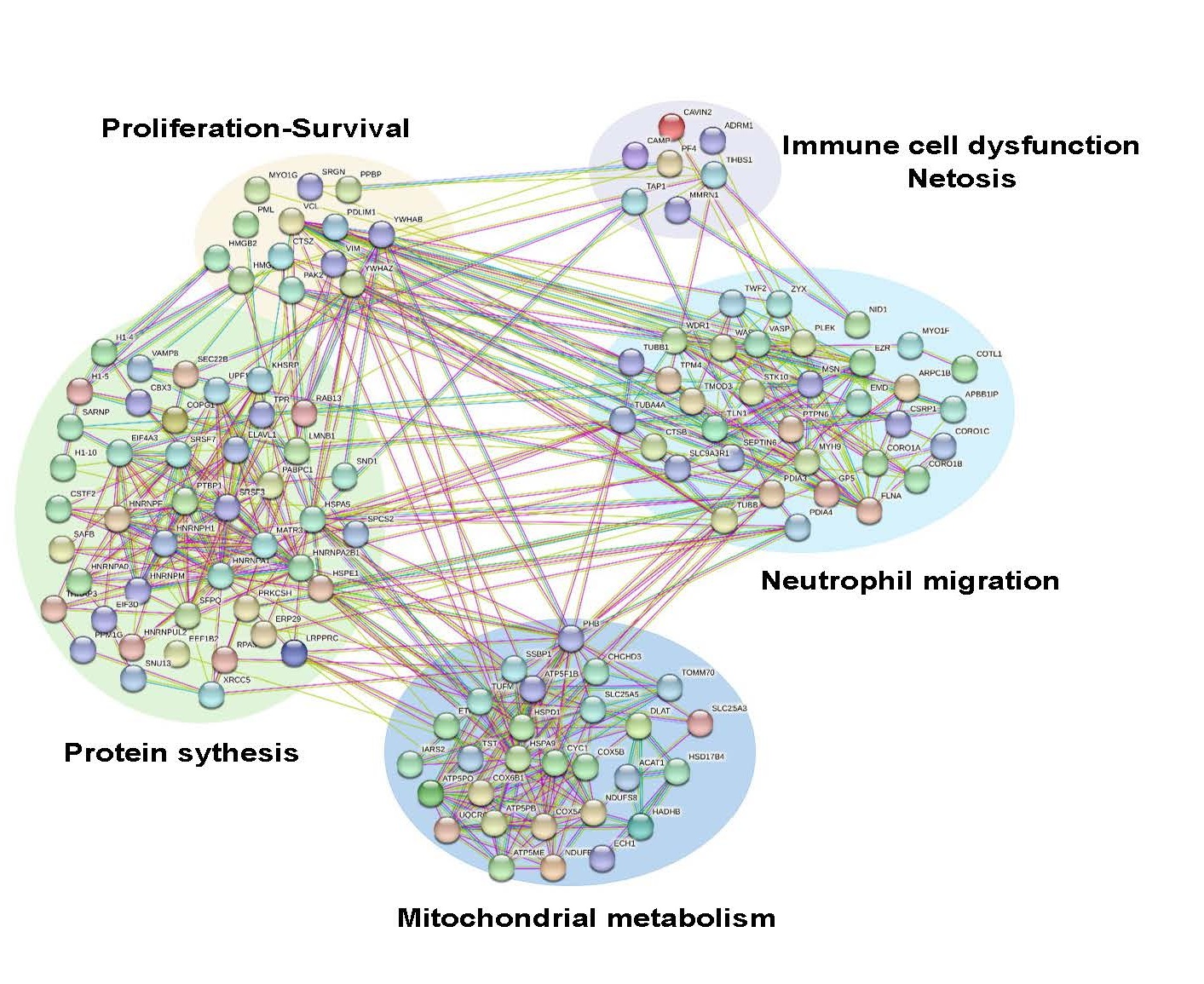
Figure 2: Subgroups of proteins overexpressed in low-density neutrophils (LDNs) compared with high-density neutrophils (HDNs), organized according to functionality and interactions. Functional interactomes representing proteins overexpressed in LDNs compared with HDNs, grouped by biological function.


Categoría
Galería de imágenes
Figure 1
Download Flecha que indica descarga
Figure 2
Download Flecha que indica descarga
Documentación
Vídeo

SENSORFIT-4HEART validates personalized exercise prescription as a treatment for heart failure

Consorcio SENSORFIT-4HEART
Author
Navarrabiomed

•    The strategic project, led by Navarrabiomed, confirms the effectiveness of a physical exercise programme and a remote monitoring platform in improving functional capacity and quality of life in patients with heart failure with preserved ejection fraction.


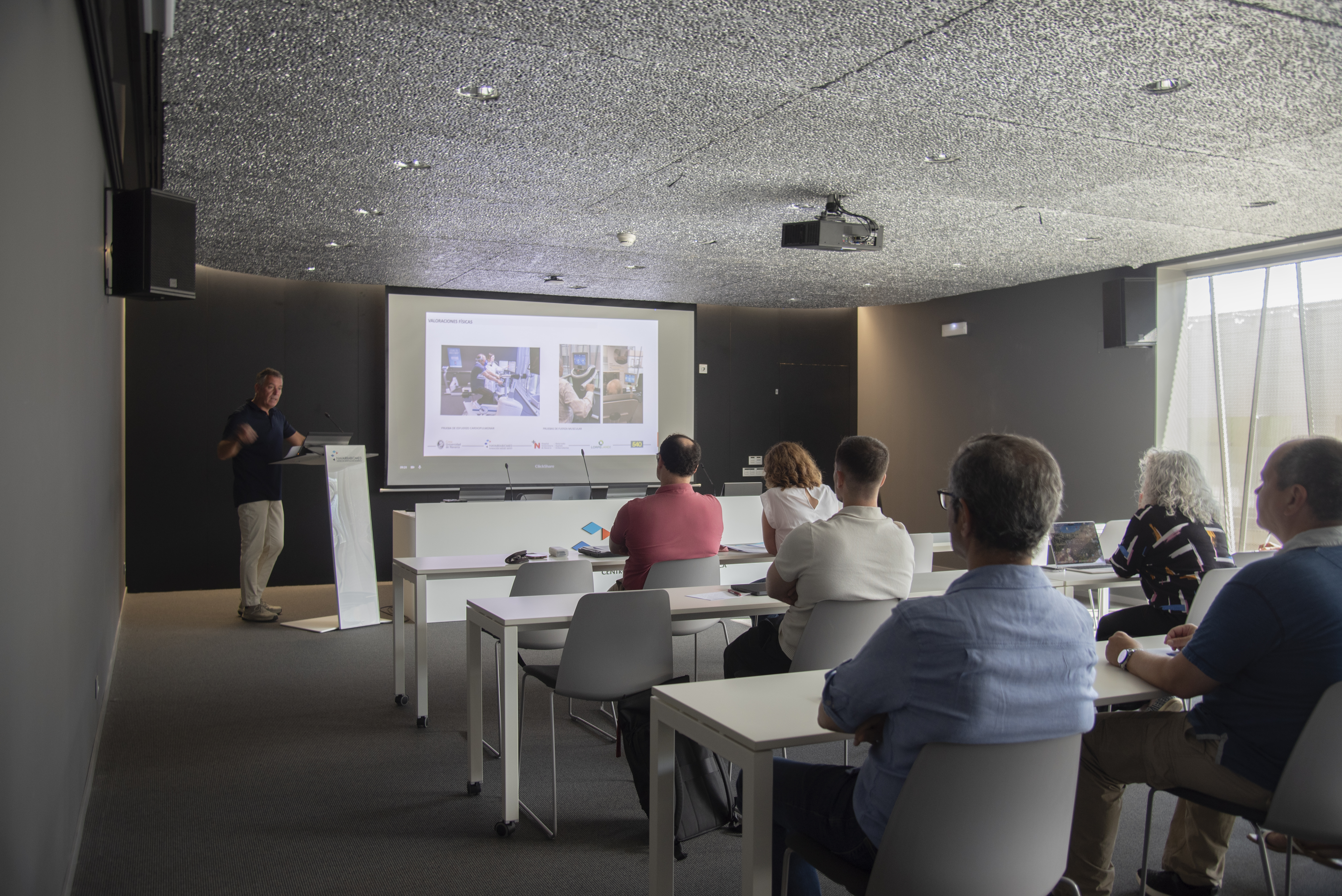
Individualized physical exercise prescription, supervised and supported by technology, is emerging as a leading therapeutic tool against heart failure. This is the main conclusion of the strategic project SENSORFIT-4HEART, which presented its results at a final meeting attended by representatives of the Department of Industry and Ecological and Digital Business Transition of the Government of Navarra and the consortium partners. Coordinated by Navarrabiomed, the initiative has developed a novel model that integrates clinical evidence, biomedical knowledge, and technology to address this condition.


Specifically, the project has designed and validated a multiparametric platform for the prescription and remote monitoring of physical exercise in patients with heart failure with preserved ejection fraction (HFpEF). This complex syndrome, whose incidence continues to increase and which carries a poor prognosis, already accounts for nearly 50% of all heart failure cases. It significantly limits patients’ functional capacity and still has relatively few effective clinical treatment options.


Physical exercise as a clinical intervention


SENSORFIT-4HEART is based on a key premise: when appropriately prescribed, supervised, and personalized, physical exercise can become a highly impactful therapeutic tool for patients with heart failure.
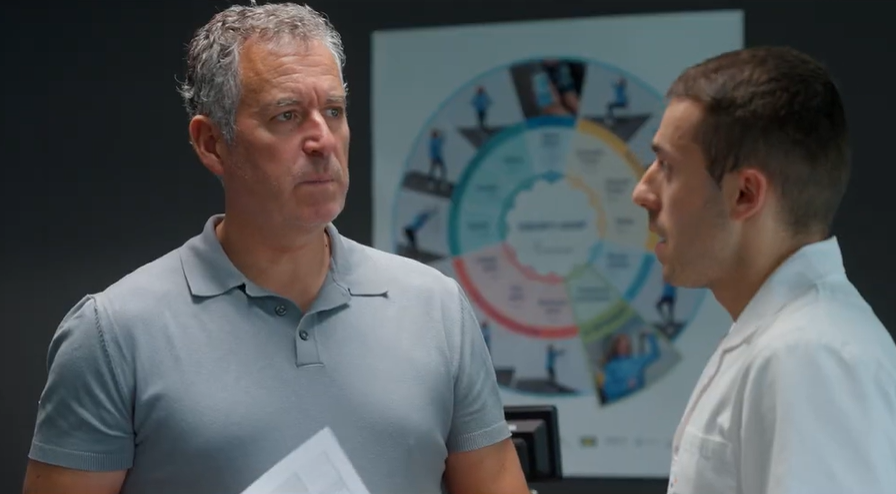
“We wanted to address a very clear need: helping heart failure patients exercise safely, effectively, and in a personalized way, with the goal of improving their functional capacity and quality of life,” explains Mikel Izquierdo, Principal Investigator of the project, Head of the Exercise, Health, Metabolism and Functional Capacity Unit at Navarrabiomed, and Professor in the Department of Health Sciences at the Public University of Navarra.


To achieve this objective, the project was structured around three pillars: the clinical validation of exercise, the study of its biological effects, and the development of technological tools to facilitate its integration into routine clinical practice. On the clinical side, a trial involving 150 patients from Navarra University Hospital was conducted. Participants completed a 12-week combined programme consisting of aerobic and strength-training exercises.


Clinical results and scientific advances


The project results confirm the potential of exercise as a clinical intervention. Patients participating in the programme showed significant improvements in muscle strength (20-30%), as well as enhanced functional capacity and exercise tolerance. The programme also achieved a high level of adherence, demonstrating its feasibility in real-world conditions.
At the same time, the project advanced understanding of the biological mechanisms associated with exercise. Researchers identified changes in proteins related to inflammation and metabolism, as well as differences in responses between men and women, incorporating a gender perspective throughout the study.
Coordinated by Navarrabiomed-Miguel Servet Foundation, the consortium included participation from Navarra University Hospital, CIMA University of Navarra, the technology centre NAITEC, the companies Lorpeland and 540, as well as ADItech, forming a multidisciplinary partnership that combines clinical and biomedical research with technological development. The project was co-funded by the European Regional Development Fund (ERDF) through Navarra’s ERDF 2021-2027 Programme, and by the Government of Navarra under the 2023-2026 Strategic R&D Projects Call.


Technology for remote monitoring


One of the distinguishing features of SENSORFIT-4HEART has been the development of technological solutions that enable exercise prescription and monitoring beyond the hospital setting.
The consortium developed a smart shirt with an integrated electrocardiogram (ECG) sensor, together with a mobile application and a digital platform capable of monitoring patients’ physiological status in real time and recording their progress throughout the training programme.
These tools pave the way for a more accessible and scalable healthcare model, allowing patients to carry out exercise programmes from home under remote clinical supervision.


A new model for managing heart failure


The project has demonstrated that combining personalized exercise prescription, digital monitoring, and biomedical knowledge can improve health outcomes for patients with heart failure.
“SENSORFIT-4HEART opens the door to a new clinical management model for heart failure, one that combines data-driven personalized exercise prescription, biomedical knowledge, and technology to improve people’s lives,” concludes Mikel Izquierdo.
Its results can directly benefit both patients and healthcare professionals, who now have access to stronger evidence and new tools for prescribing exercise safely and effectively. The project also strengthens Navarra’s health and technology ecosystem and lays the foundations for future implementation in cardiac rehabilitation programmes.
In the medium term, solutions of this kind could help reduce hospital admissions, improve quality of life, and optimize healthcare system resources.
With SENSORFIT-4HEART, Navarra reinforces its commitment to a personalized medicine model in which physical exercise, supported by technology and grounded in scientific evidence, is established as a key therapeutic intervention.

Categoría
Galería de imágenes
Consorcio del proyecto SENSORFIT-4HEART
Download Flecha que indica descarga
Mikel Izquierdo, investigador principal del proyecto, responsable de la Unidad de Ejercicio Físico, Salud, Metabolismo y Capacidad Funcional de Navarrabiomed y catedrático de la UPNA
Download Flecha que indica descarga
Reunión de cierre del proyecto celebrada con representantes del Departamento de Industria y de Transición Ecológica y Digital Empresarial del Gobierno de Navarra
Download Flecha que indica descarga
Documentación
Vídeo
 SENSORFIT-4HEART avanzar hacia un tratamiento personalizado de pacientes con ICFEP
SENSORFIT-4HEART para avanzar hacia un tratamiento personalizado de pacientes con ICFEP
Mikel
Izquierdo Redín
Head of the Unit