
‘Our objective is the molecular characterization of poor-prognosis tumors without actionable targets‘
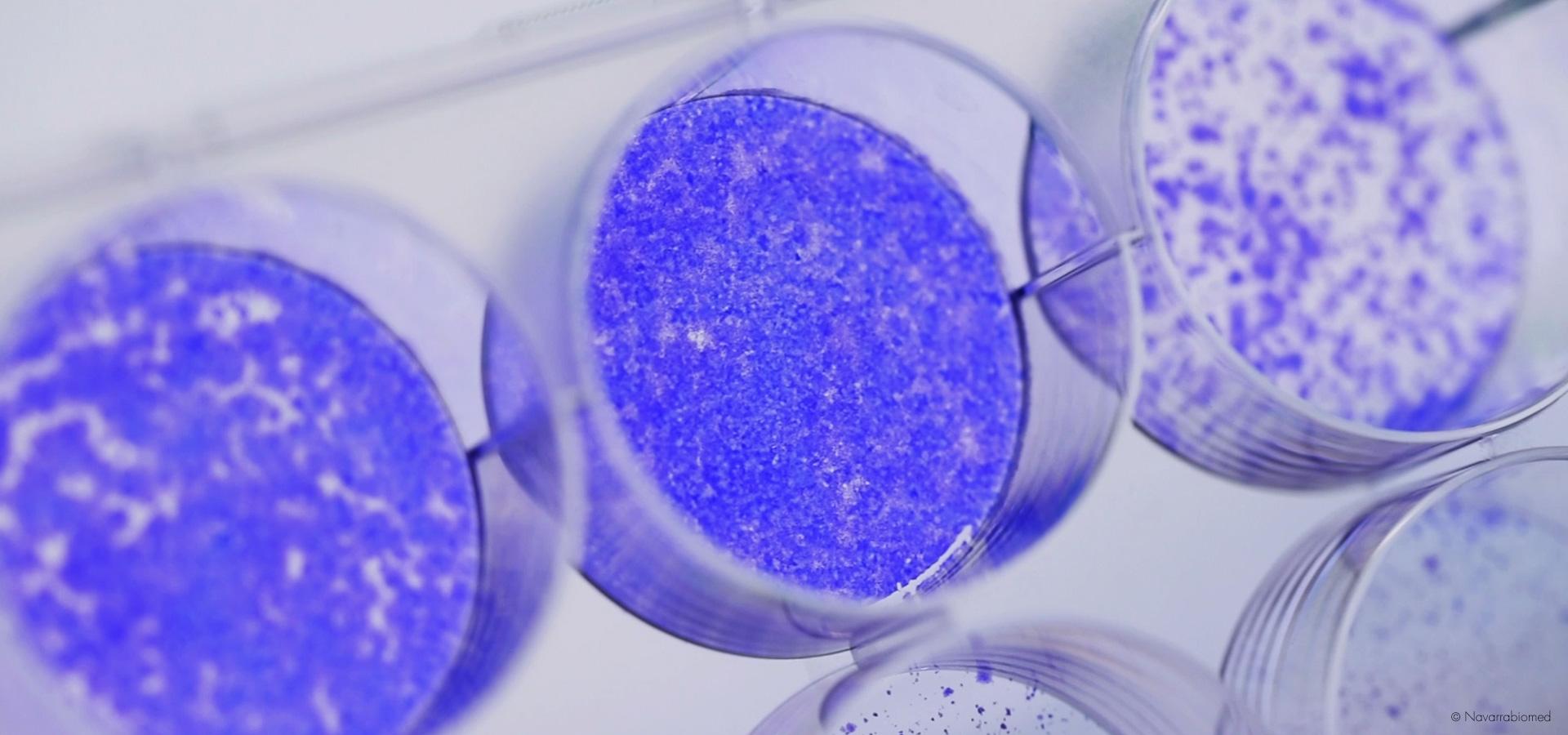
I comleted my PhD at the Biomedical Research Centre of the Navarra Health Service, under the supervision of Dr Garcia-Foncillas (Department of Oncology, CUN) and Dr Lera (Department of Surgery, Hospital of Navarra). My PhD research was on the mutator phenotype and prognosis in colorectal cancer patients. I received training in the prestigious PEBC-IDIBELL, headed by Dr Manel Esteller, where I learned basic techniques for epigenetic studies and collaborated in a study of the involvement of epigenetic alterations of the WRN gene (PNAS, 2006) and MBD family proteins in cancer (Oncogene, 2008). My current duties cover the areas of research and healthcare, respectively. In the research area, I lead Molecular Pathology Research Group in Navarrabiomed, dedicated to identifying novel epigenetic alterations with diagnostic, prognostic or predictive value in cancer, especially breast, colorectal and gynaecological cancers. We study gene hypermethylation, deregulation of miRNA expression, and histone acetylation by molecular techniques (global methylation and miRNA expression, pyrosequencing, etc.) for the study of nucleic acids (DNA and RNA) and protein, and in vitro techniques for functional studies (proliferation, invasion, etc.). The Group has received competitive funding from regional (Health and Industry Departments, Government of Navarra), national (MINECO) and European (RefBio,
RefBioII, Onconet-Interreg Sudoe) sources, among other funding agencies. We have made significant discoveries of epigenetic alterations of prognostic value in brain tumours, and breast and gynaecological cancers. I am the President of the Scientific Committee of the Navarrabiomed Tumour Biobank since 2013. In the area of diagnosis and healthcare, I have been the Head of the Molecular Pathology Laboratory in the Department of Pathology since 2009. We analyse the validated biomarkers for the diagnosis and prediction of response to cancer treatments of patients with solid tumours by different methodologies including NGS. The results obtained in our laboratory are used for immediate clinical decision-making.