
Visitas

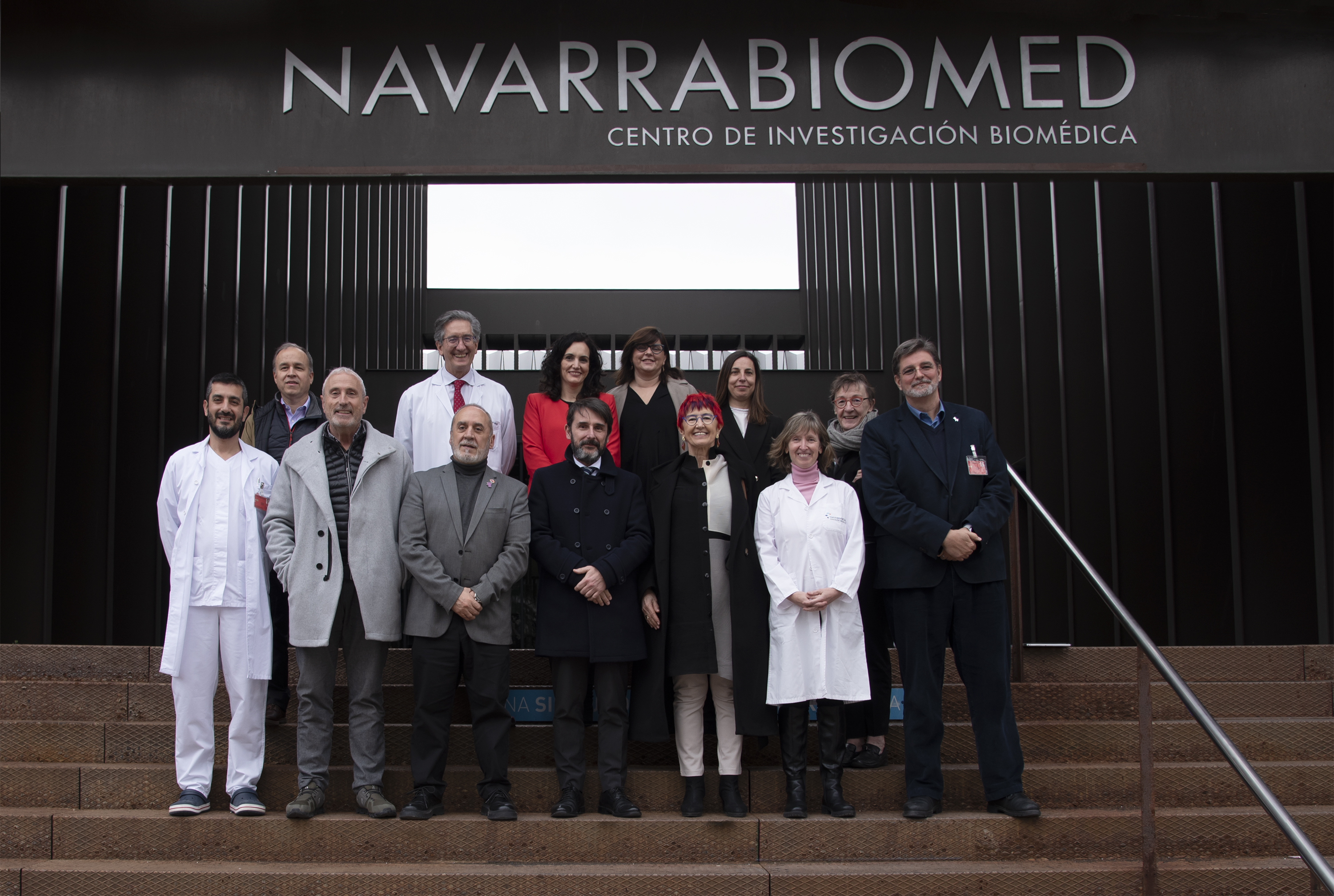
Representantes de ANADI visitan Navarrabiomed para firmar un convenio marco que impulse la investigación pública en diabetes
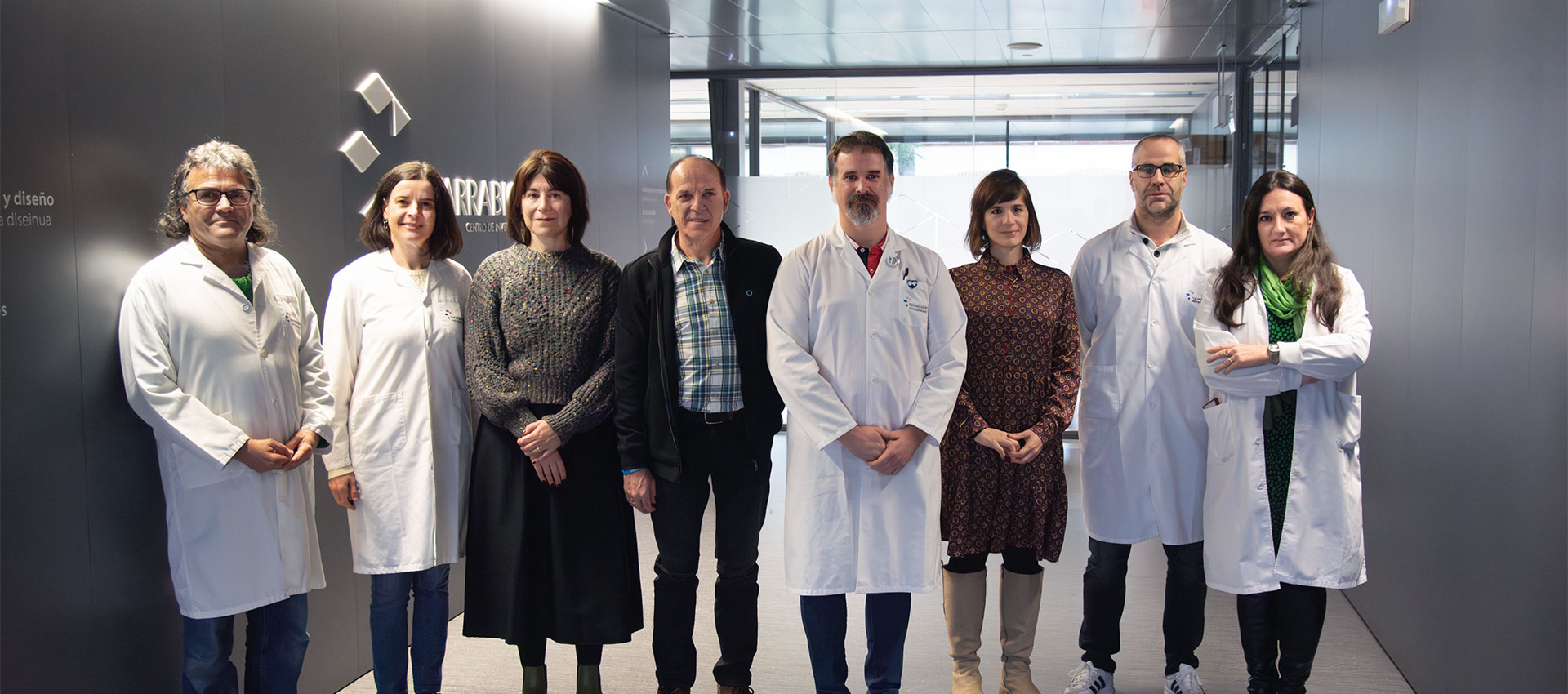
Foto grupo
Author
Navarrabiomed

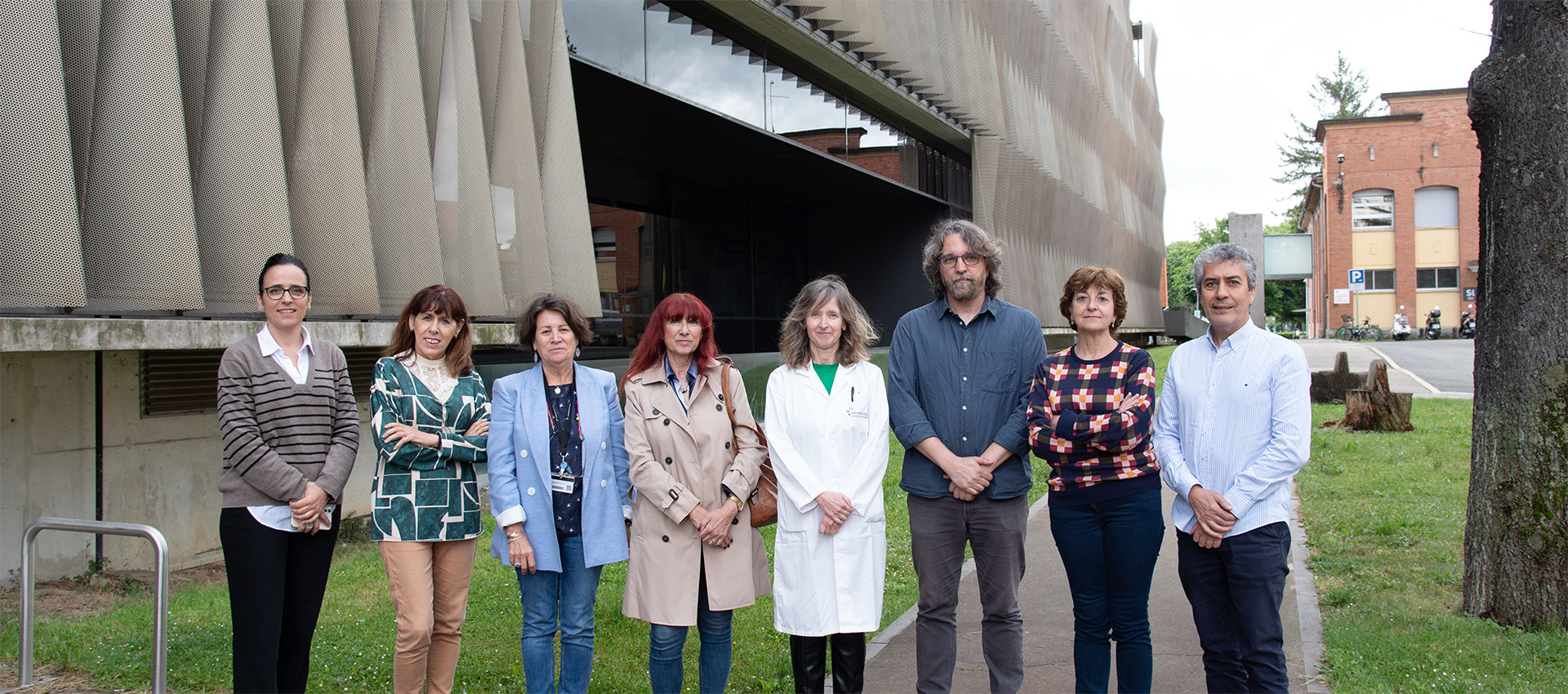
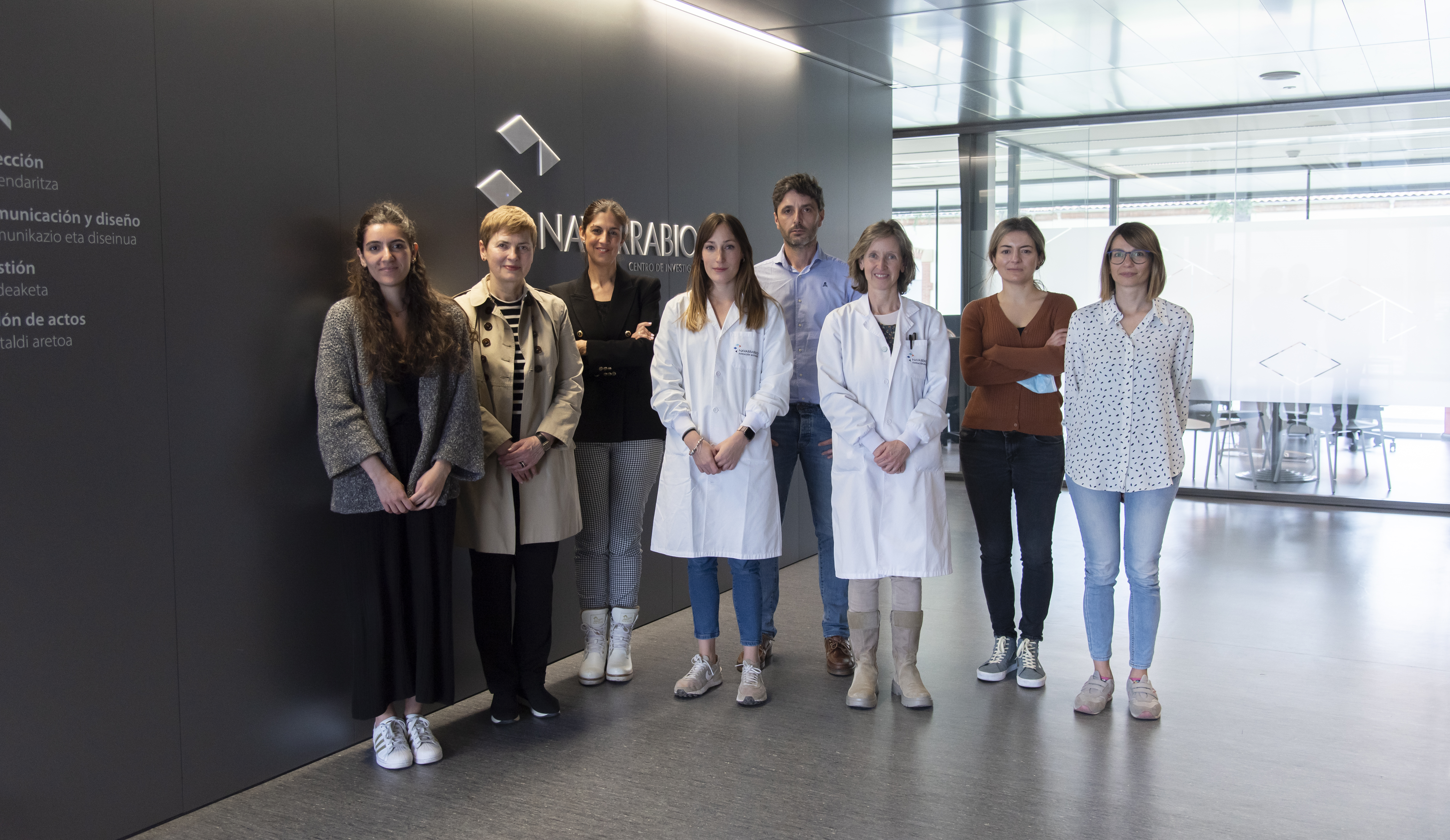
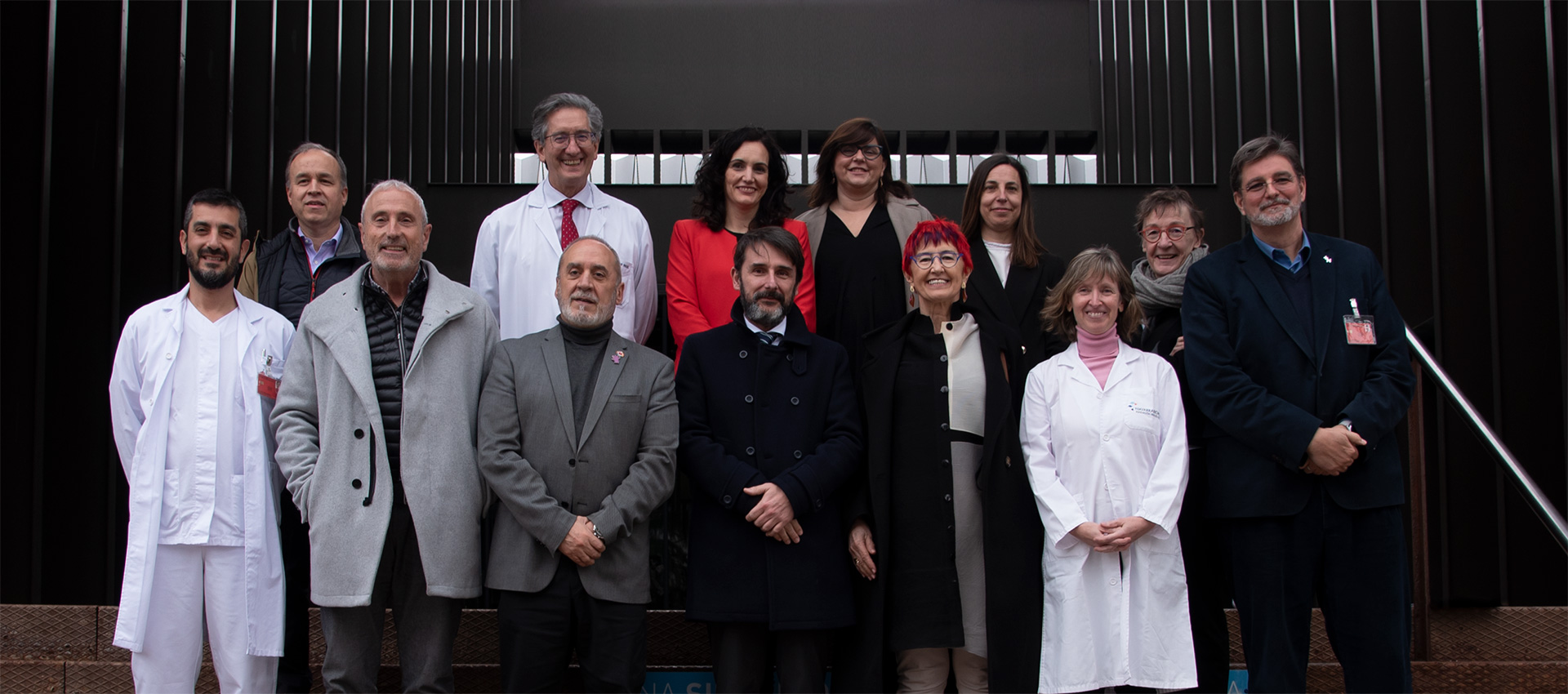
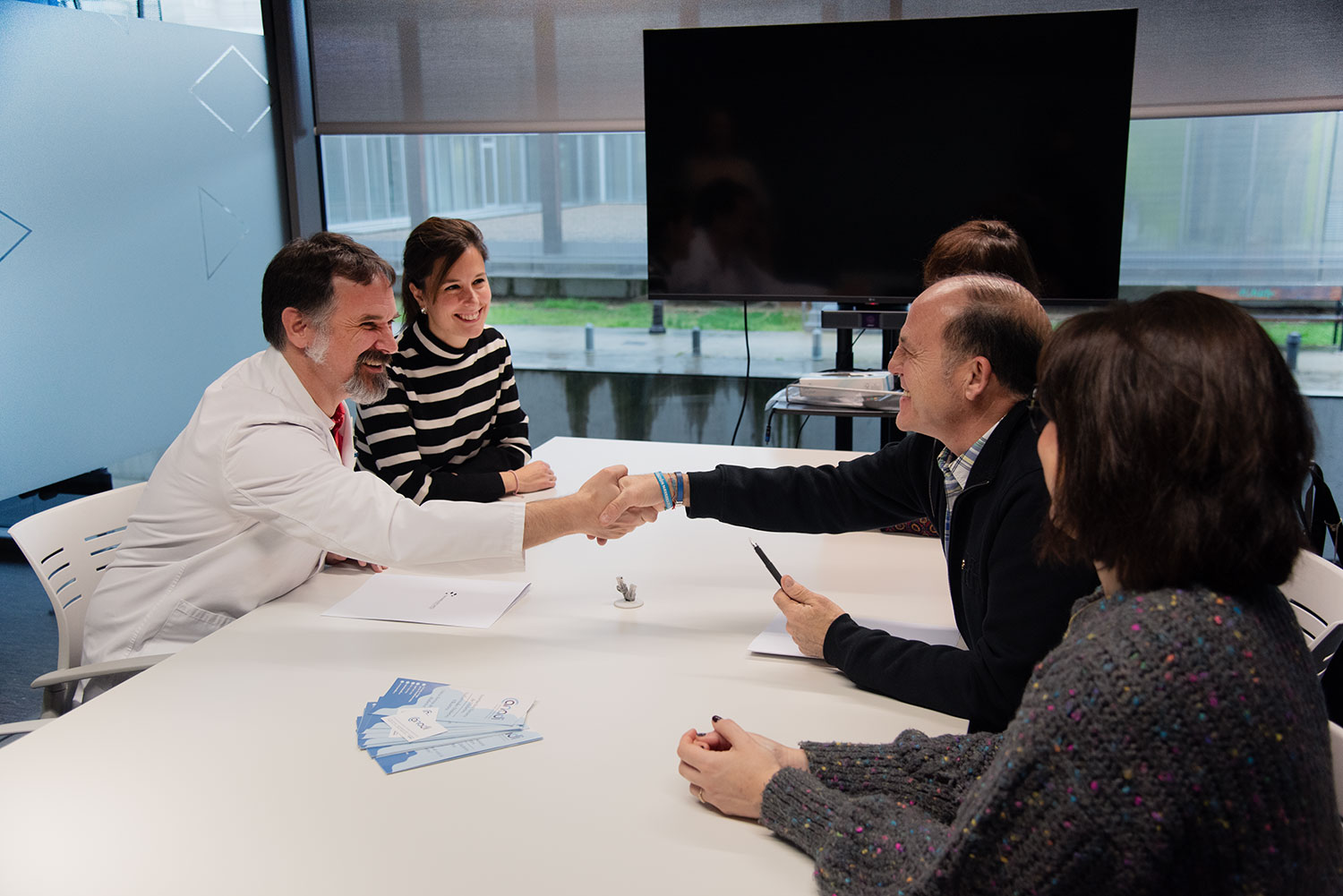
Representantes de la Asociación Navarra de Diabetes (ANADI) han realizado recientemente una visita al centro de investigación biomédica Navarrabiomed, en el marco de la firma de un convenio marco entre ambas instituciones. 

El acuerdo refuerza la cooperación existente entre Navarrabiomed – Fundación Miguel Servet y ANADI desde hace tres años con el objetivo prioritario de apoyar las actividades divulgativas y fomentar la investigación pública en diabetes. Ambas entidades han puesto de manifiesto la confluencia de sus fines: avanzar en el conocimiento científico de la enfermedad, mejorar su prevención, diagnóstico y tratamiento, y contribuir a una mejor calidad de vida de las personas con diabetes y sus familias.

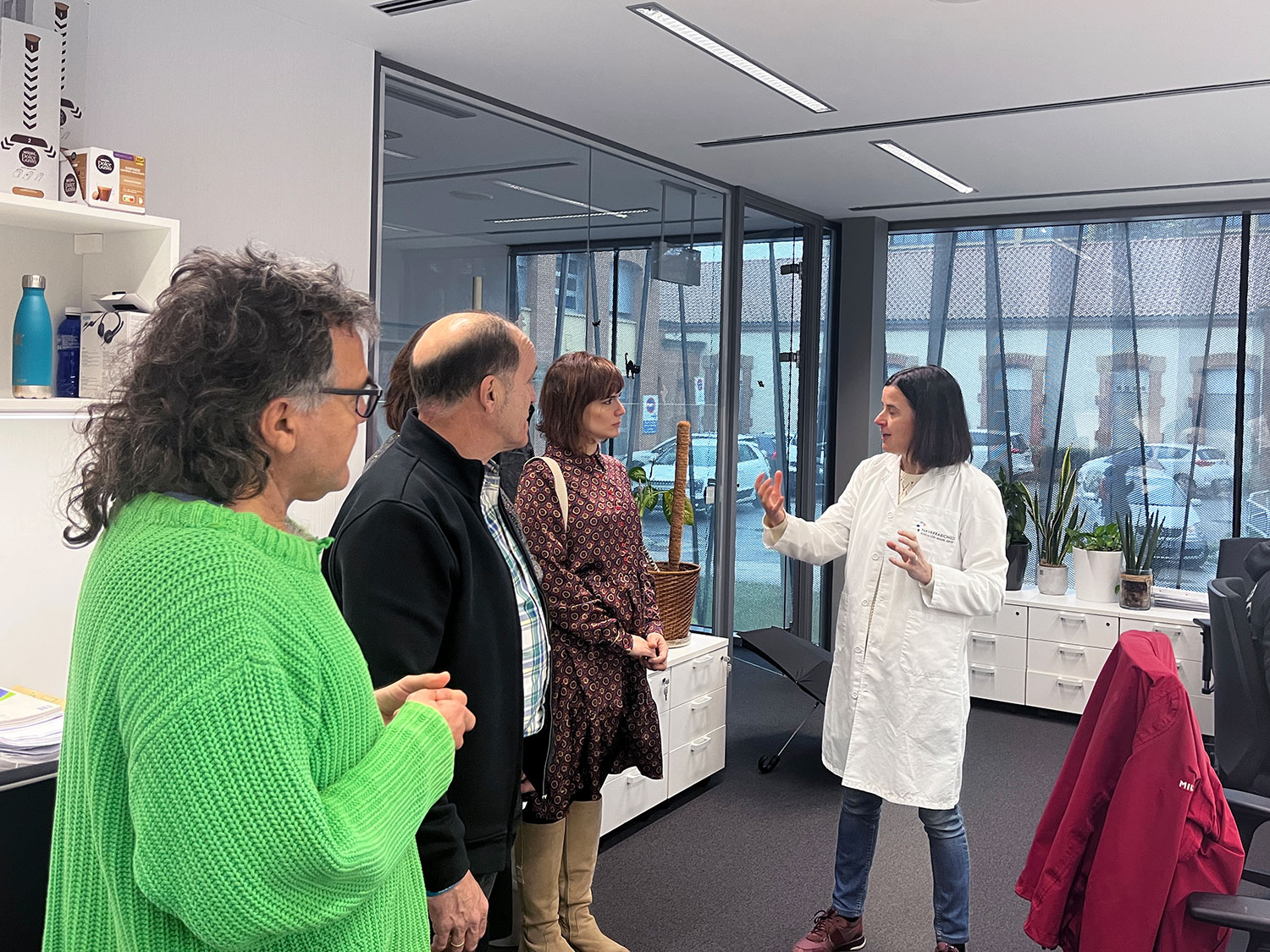
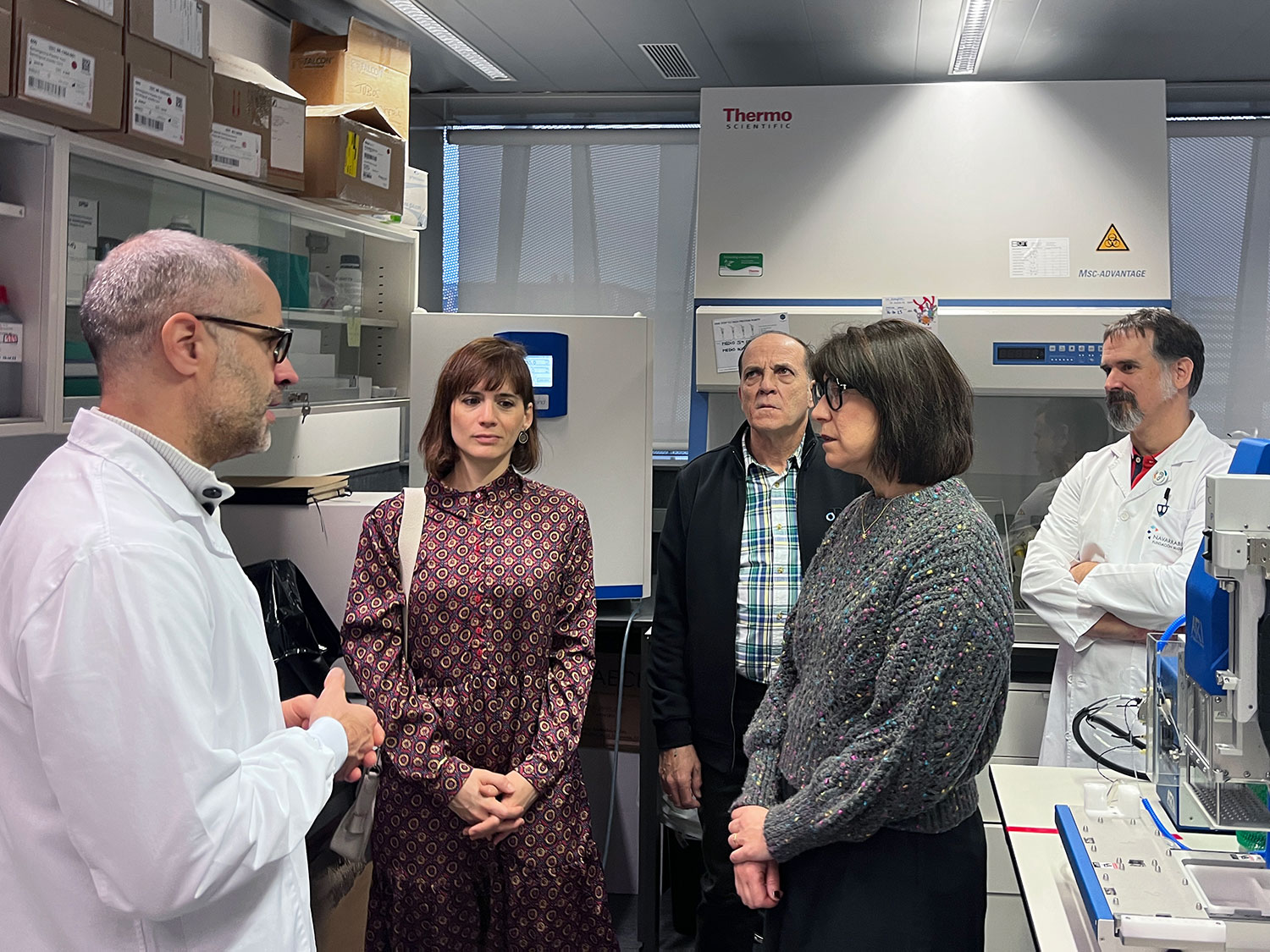
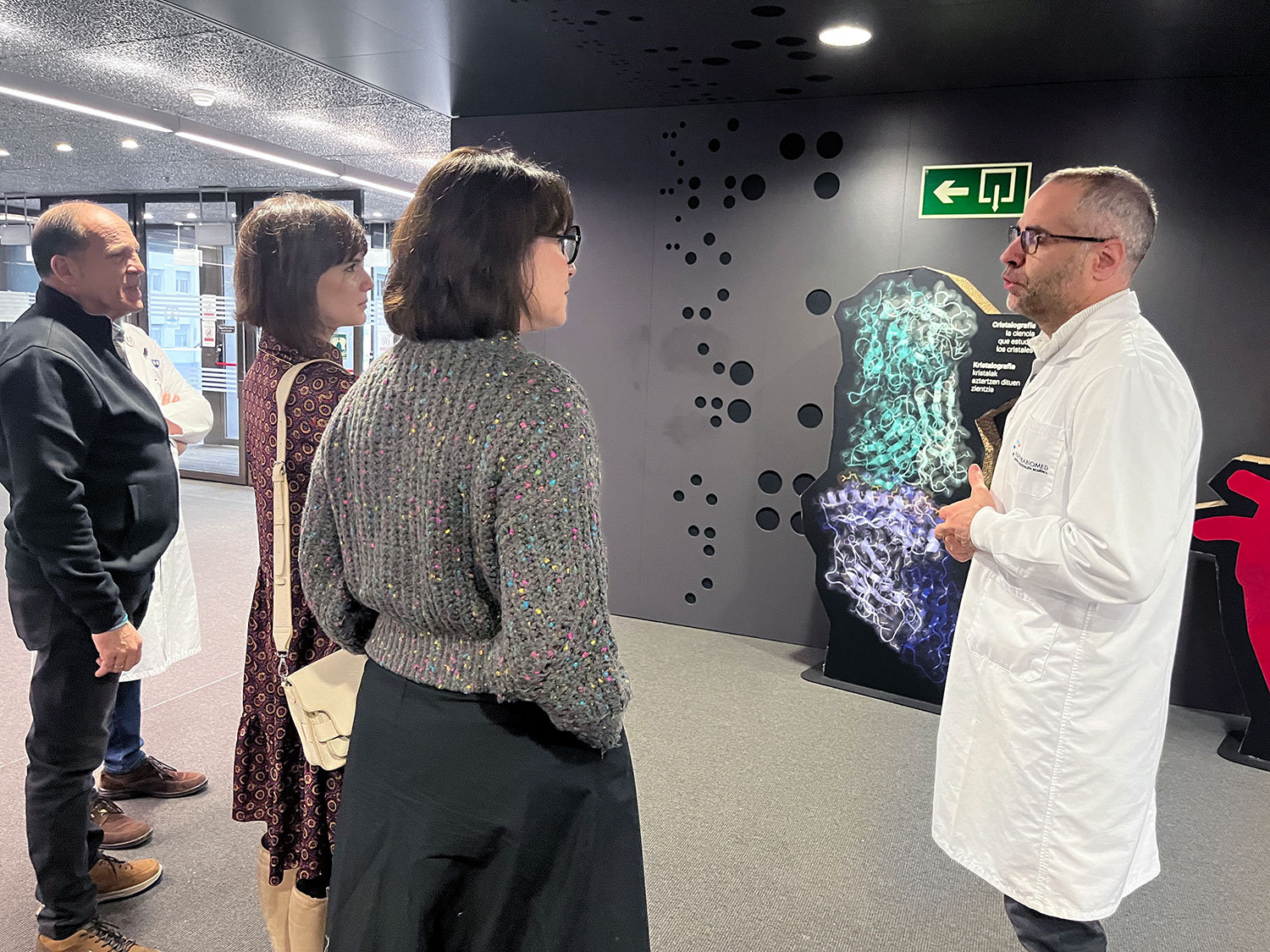
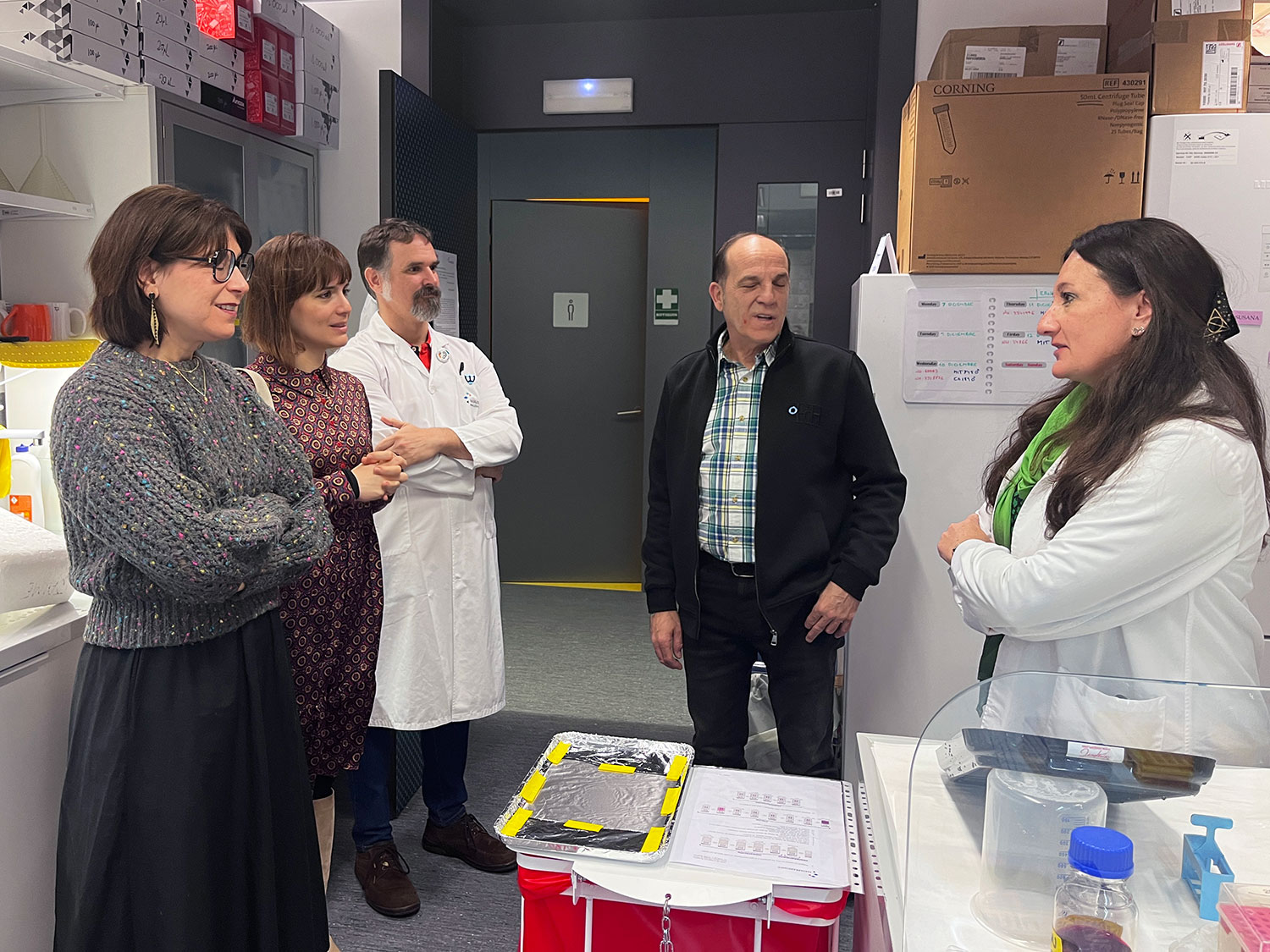
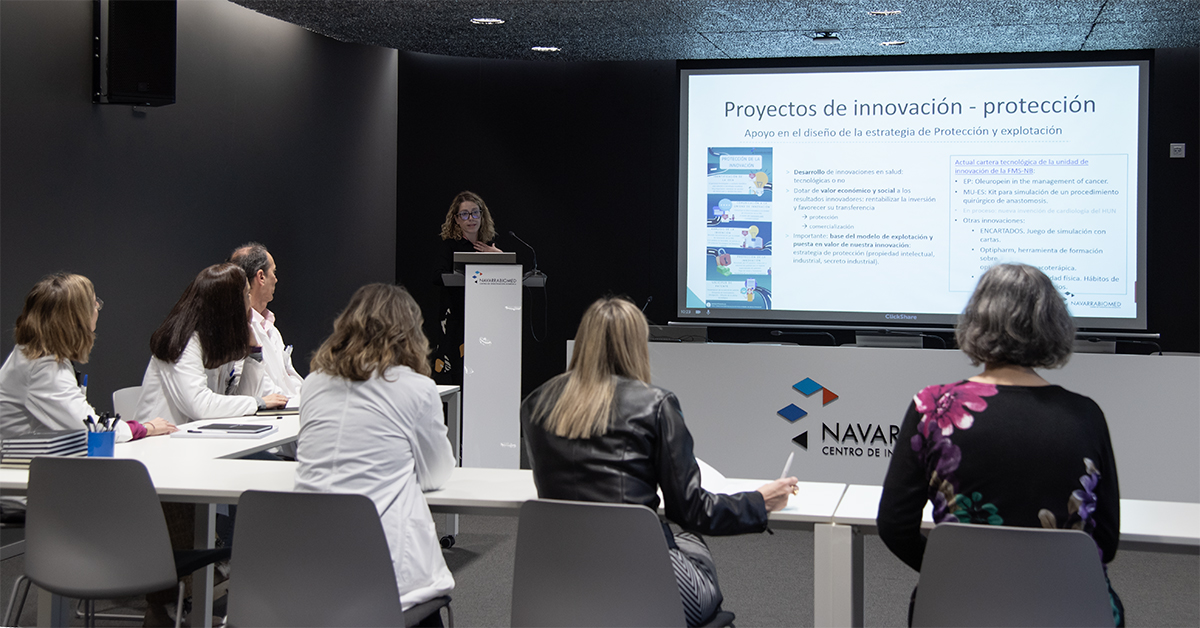
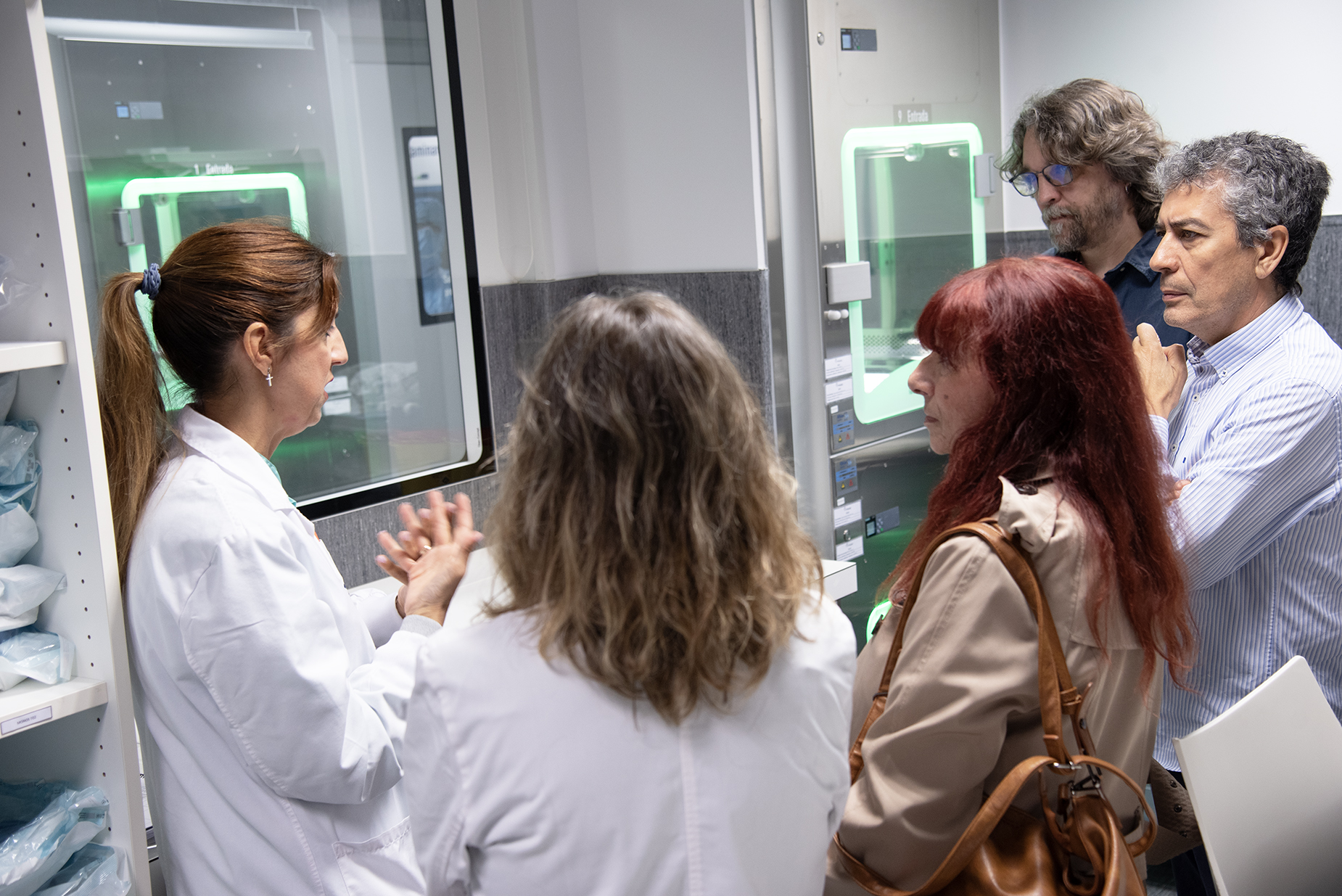
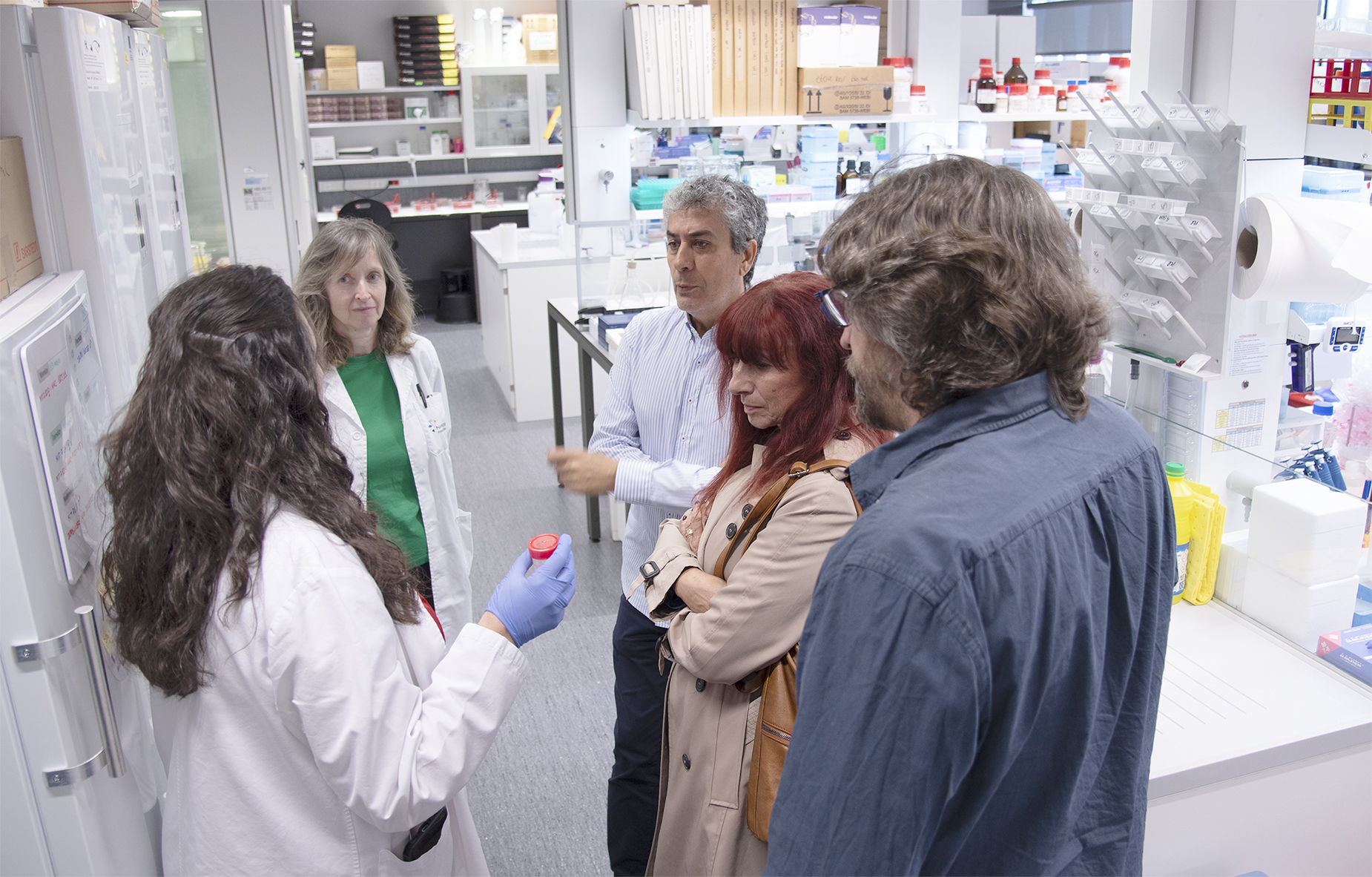
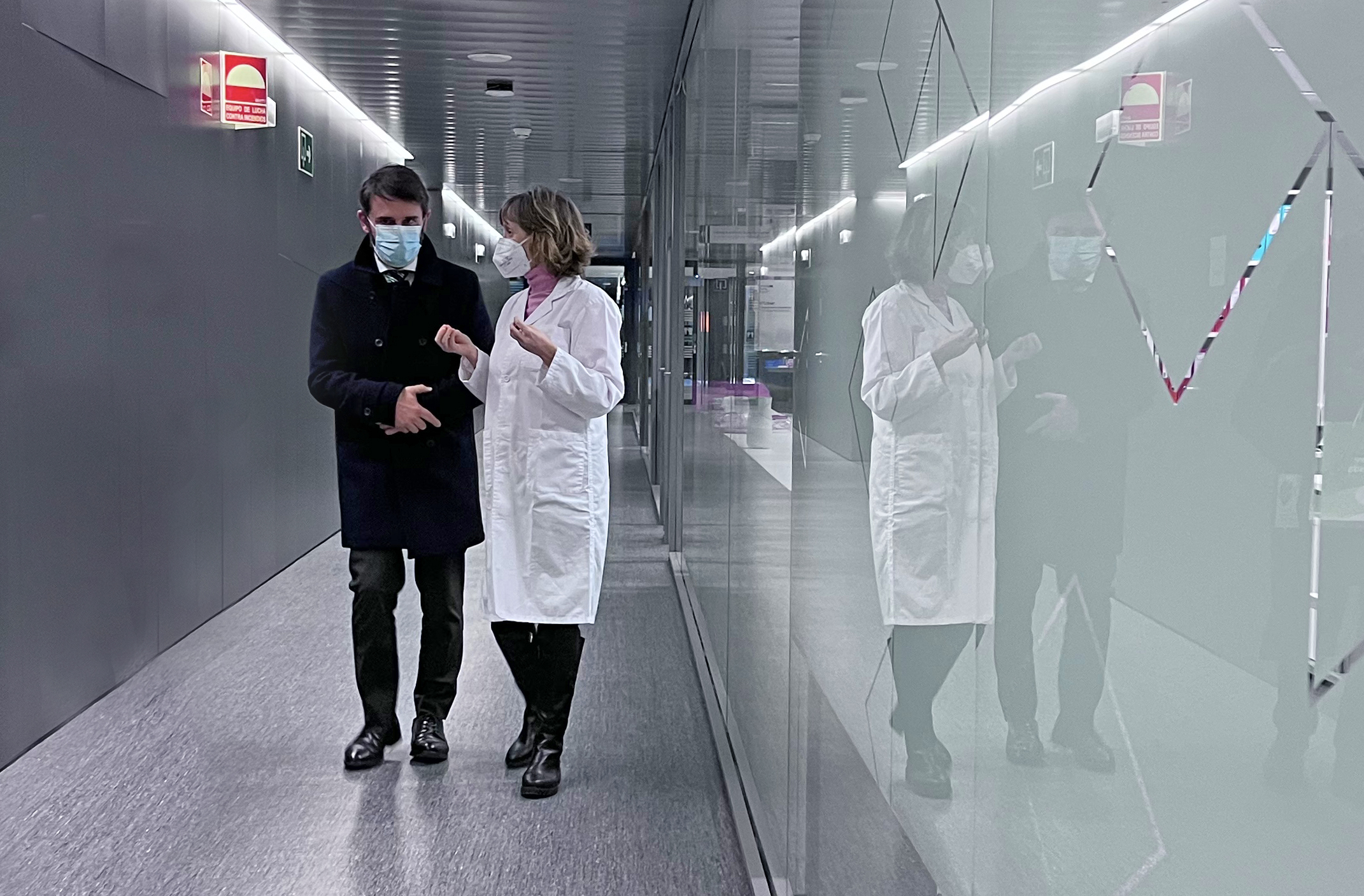
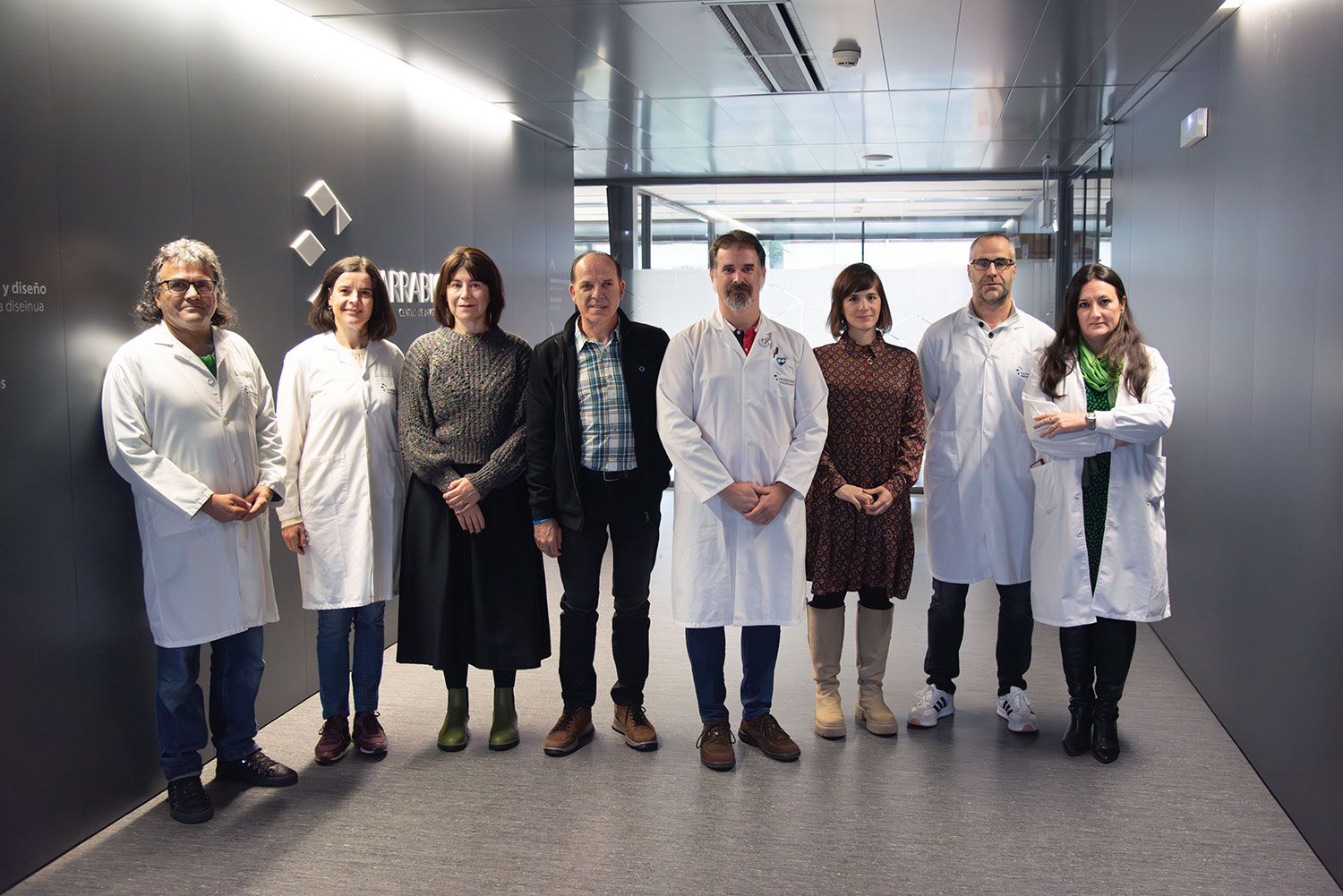
Tras la firma, la delegación de ANADI, formada por su presidente Juan José Remón Virto, la gerente Cristina Azagra Rey y la enfermera Isabel San Martín Erice, ha visitado las instalaciones de Navarrabiomed de la mano de profesionales que dirigen trabajos de investigación en diabetes. Entre ellos, el Servicio Científico-Técnico de Metodología y Evaluación de Servicios Sanitarios, liderado por Berta Ibáñez y Julián Librero, que ha identificado modelos más fiables para predecir el riesgo de infarto o ictus en pacientes con diabetes tipo 2; la Unidad de Cristalografía de Proteínas e Inmunología Estructural, dirigida por Jacinto López Sagaseta, que descifró mecanismos de autoinmunidad implicados en el desarrollo de la diabetes de tipo 1; y la Unidad de Investigación de Cardiología Traslacional, encabezada por Natalia López Andrés, que desarrolla un proyecto con perspectiva de género en pacientes con diabetes tipo 2.

Asimismo, se ha mencionado el trabajo que lleva a cabo la Unidad de Actividad Física Infanto-Juvenil de Navarrabiomed, liderada por Antonio García-Hermoso, y que ha colaborado activamente con ANADI en los últimos años dentro del proyecto Diactive 1.

La visita ha servido para reforzar la colaboración entre el ámbito asociativo y la investigación biomédica, consolidando un marco de trabajo conjunto en beneficio de todas las personas que tienen diabetes en Navarra.
Categoría
Galería de imágenes
Firma del convenio marco entre Navarrabiomed-FMS y ANADI
Download Flecha que indica descarga
Representantes de ANADI con el director de Navarrabiomed y el personal investigador.
Download Flecha que indica descarga
Berta Ibáñez y Julián Librero del Servicio Científico-Técnico de Metodología y Evaluación de Servicios Sanitarios explican su trabajo en la diabetes.
Download Flecha que indica descarga
En el laboratorio de Cristalografía de Proteínas e Inmunología Estructural, con el IP, Jacinto López Sagaseta
Download Flecha que indica descarga
Jacinto López Sagaseta explica el proyecto sobre los mecanismos de autoinmunidad implicados en el desarrollo de la diabetes de tipo 1.
Download Flecha que indica descarga
Natalia López Andrés, IP de la Unidad de Cardiología Traslacional, presenta la investigación de la unidad en pacientes con diabetes de tipo 2.
Download Flecha que indica descarga
Documentación

Representantes de SARAY visitan Navarrabiomed para conocer el avance de los proyectos de investigación en cáncer de mama que financian

Visita SARAY
Author
Navarrabiomed

•    La Carrera Solidaria de Cáncer de Mama, junto con las numerosas acciones solidarias de la asociación, han permitido entregar este año 50.500 euros para fomentar la investigación biomédica desarrollada entre el centro de investigación y el Hospital Universitario de Navarra.
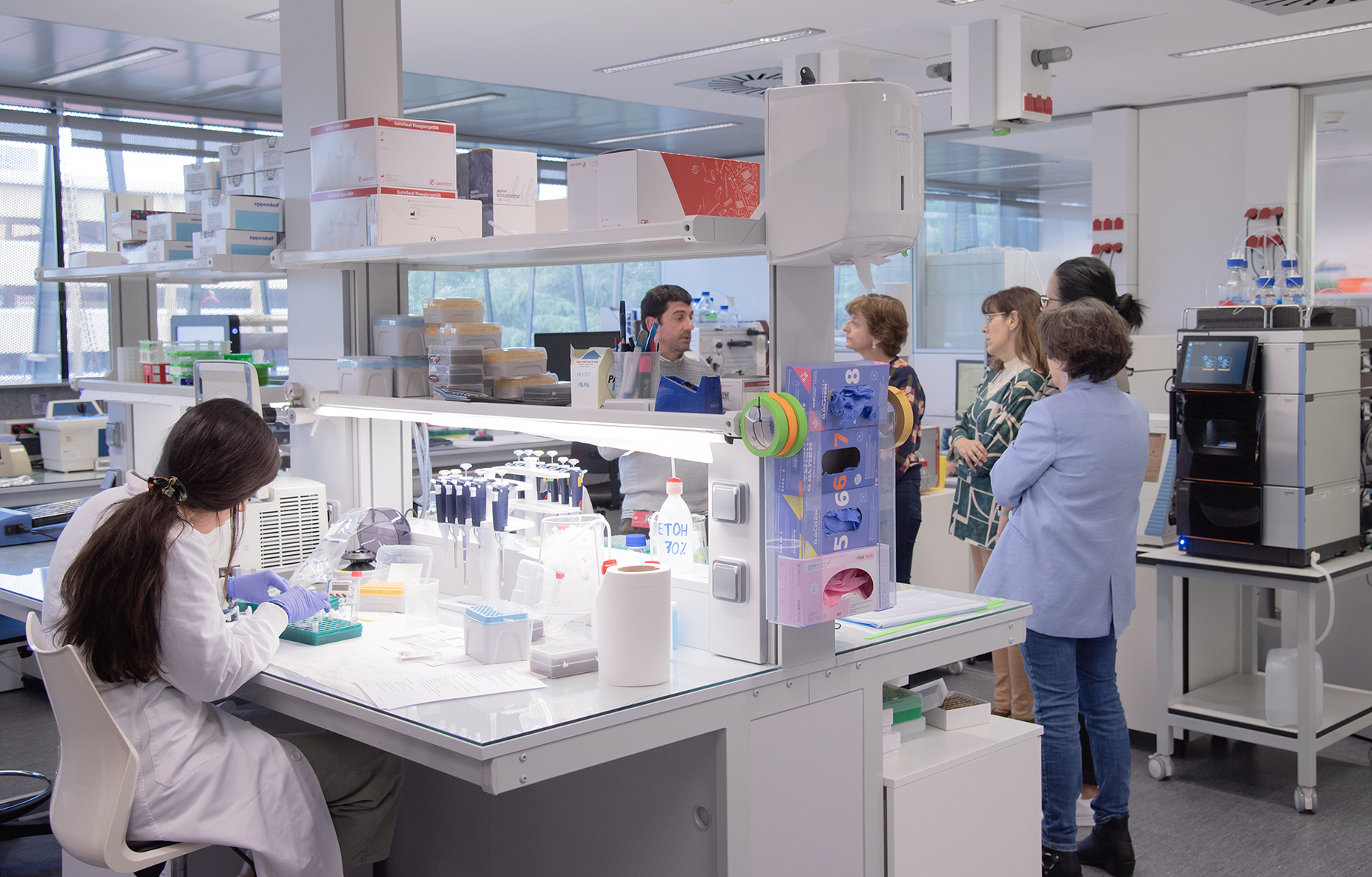


Una representación de la Asociación Navarra de Cáncer de Mama, SARAY, formada por Mª José Oraa, Carolina Huarte, y Elisabeth Alvarez, ha visitado los laboratorios del centro de investigación biomédica Navarrabiomed para conocer el desarrollo de los estudios que financia con 50.500 euros, recaudados a través de XIII Carrera Solidaria contra el Cáncer de Mama y otras actividades y eventos solidarios adicionales. Las investigaciones están orientadas a cáncer de mama metastásico y se desarrollan en colaboración con varios servicios del Hospital Universitario de Navarra (HUN).

El cáncer de mama es el más común entre las mujeres, con más de 2 millones de casos diagnosticados al año en todo el mundo y más de 30.000 nuevos casos en España, de los cuales casi un 6% presentan metástasis en el momento del diagnóstico. Además, se estima que aproximadamente un 30% de las pacientes diagnosticadas en un estadio temprano experimentarán una recurrencia del tumor con metástasis, una característica especialmente relevante en tumores de tipo HER2 y triple negativo. Por todo ello, la aparición de metástasis en pacientes con cáncer de mama constituye uno de los grandes retos en la práctica clínica y urge su investigación desde enfoques multidisciplinares. 
 

Investigaciones en curso 

La asociación SARAY apoya desde el año 2015 estudios en cáncer de mama con el fin de fomentar la investigación oncológica en el ámbito público. Los fondos entregados en 2025 permitirán completar el desarrollo de dos proyectos de dos unidades de investigación diferentes. 

El primero de ellos, está desarrollado por la Unidad de Patología Molecular del Cáncer de Navarrabiomed y el Servicio de Anatomía Patológica del HUN, y lo lidera el Dr. David Guerrero. El objetivo del estudio se centra en la búsqueda de mecanismos moleculares de resistencia a tratamientos hormonales (ej. ESR1, PIK3CA, etc.) en pacientes con cáncer de mama.

En concreto, la investigación pretende localizar alteraciones en ADN tumoral circulante en sangre procedente de pacientes con cáncer de mama hormono-dependientes con sospecha clínica de progresión, con el fin de investigar si el perfil molecular del tumor primario, analizado mediante tecnología de secuenciación NGS con el panel asistencial, coincide con el obtenido en plasma. De esta forma, el equipo investigador detectará posibles alteraciones de los genes incluidos en el panel que expliquen por qué unas pacientes desarrollan resistencia a la hormonoterapia. También permitirá obtener información en aquellas pacientes que progresan al tratamiento dirigido frente a PIK3CA. Este estudio se desarrollará en estrecha colaboración con el Servicio de Oncología Médica del HUN.

El segundo proyecto financiado lo lidera el Dr. Imanol Arozarena, responsable de la Unidad de Señalización en cáncer de Navarrabiomed y se centra en la búsqueda de nuevas dianas terapéuticas para mejorar la inmunoterapia en cáncer de mama metastásico.

La Unidad cuenta con una amplia trayectoria estudiando tumores cerebrales, en concreto glioblastomas y cáncer de piel tipo melanoma, y trabajan de forma coordinada con el equipo médico del comité de Neuro-Oncología del HUN. De este modo, los avances alcanzados los aplican desde hace tres años también a cáncer de mama metastásico. En concreto, investigan cómo el metabolismo tumoral controla el crecimiento, diseminación y respuesta a terapias oncológicas. 

Asimismo, gracias al apoyo de SARAY, buscarán alternativas terapéuticas mediante reposicionamiento de fármacos, es decir, analizarán el potencial de fármacos utilizados en otras patologías para mejorar las respuestas de los tratamientos habituales aplicados en cáncer de mama.  


Más información: Las personas interesadas en colaborar con la investigación de Navarrabiomed pueden realizar sus aportaciones desde la sección colabora.

Categoría
Galería de imágenes
Imanol Arozarena informa sobre su proyecto.
Download Flecha que indica descarga
David Guerrero trasladó las novedades de su estudio.
Download Flecha que indica descarga
Equipo investigador junto a las representantes de SARAY.
Download Flecha que indica descarga
Documentación
Vídeo

Enrique Navarro (IPE-CSIC) y Olatz Arrizabalaga (IIS Biogipuzkoa), ponentes invitados en las jornadas científicas de Navarrabiomed 2025

Ponentes invitados
Author
Navarrabiomed


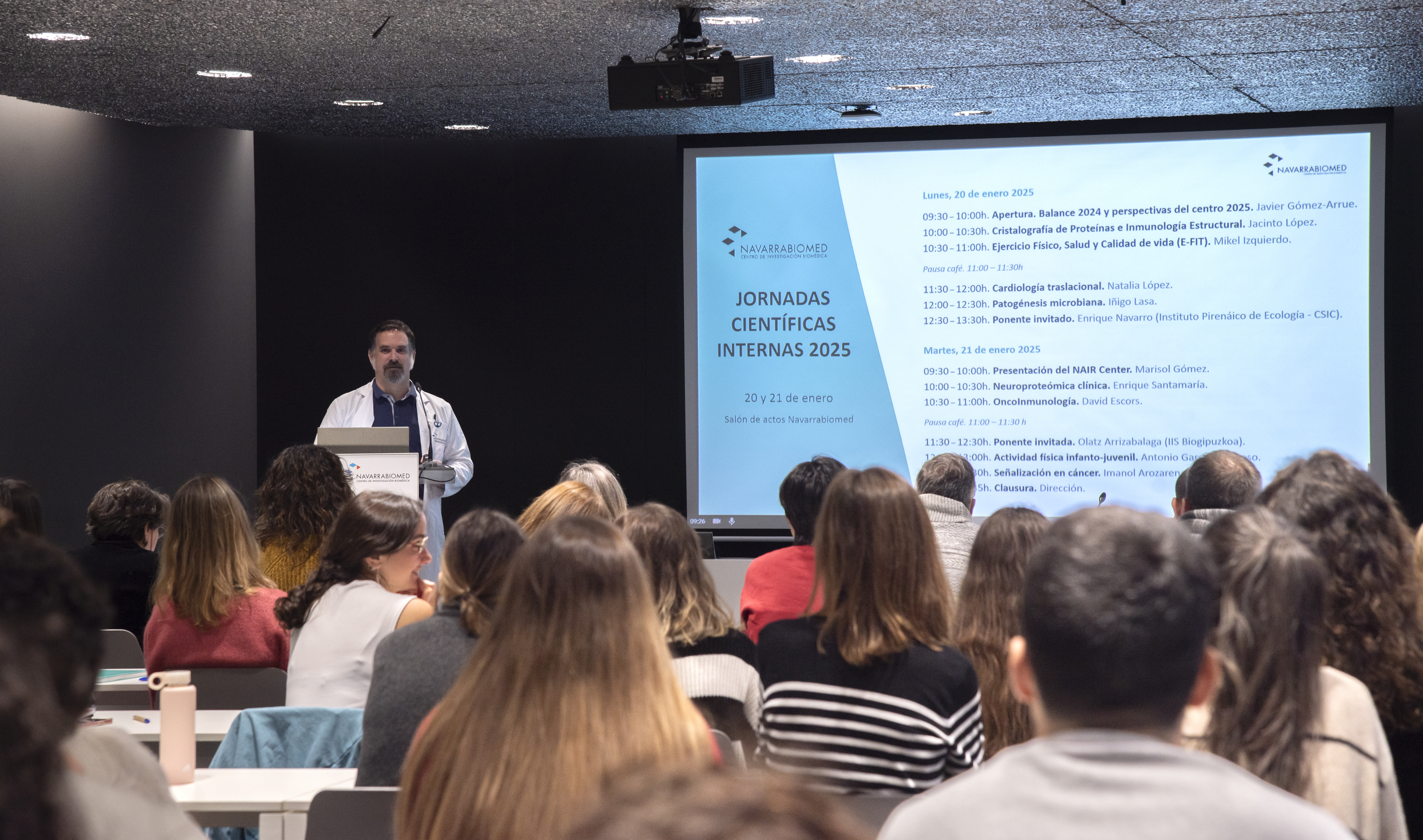
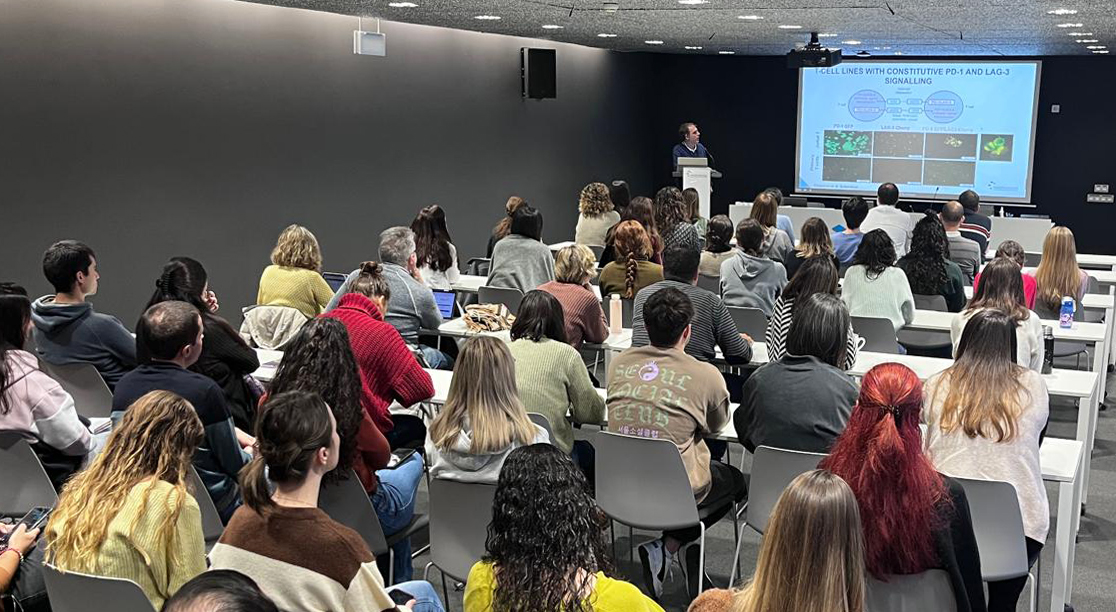
Navarrabiomed ha comenzado el año con las tradicionales jornadas científicas internas, punto de encuentro para todo el equipo donde conocer las novedades de las unidades y servicios científico-técnicos, las nuevas colaboraciones y proyectos destacados. 

Nuestro director Javier Gómez-Arrue fue el encargado de abrir el evento para dar a conocer los retos y objetivos estratégicos acordados en el Patronato de la Fundación Miguel Servet para 2025. A continuación, ofrecieron la actualidad de su unidad de investigación: Jacinto López, Mikel Izquierdo, Natalia López-Andrés, Iñigo Lasa, Enrique Santamaría, David Escors, Antonio García-Hermoso e Imanol Arozarena
 

Ponentes invitados 

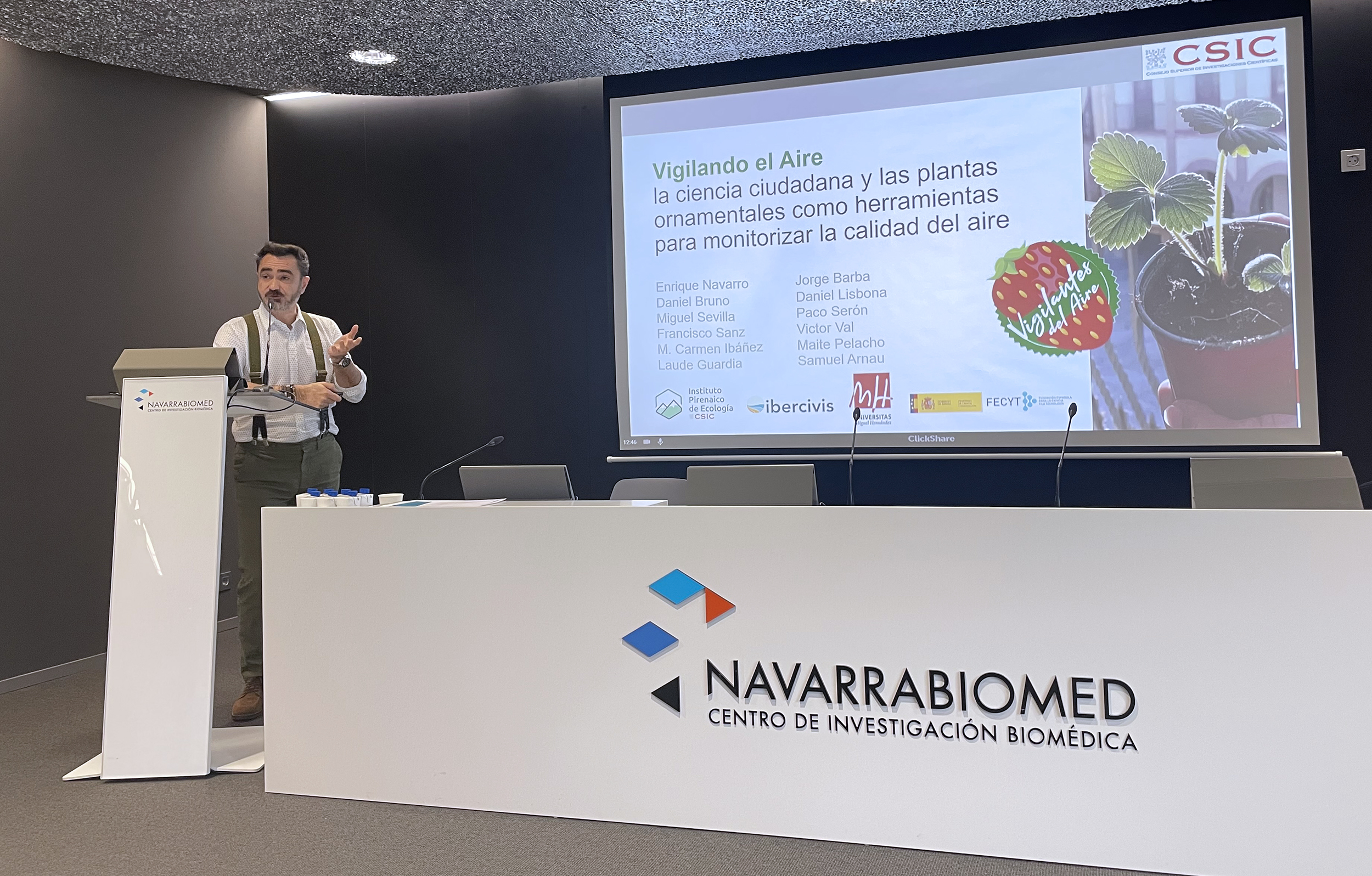
Este año la programación de las jornadas se completaba con dos ponencias externas. El lunes, 20 de enero, intervino el Enrique Navarro, Vicedirector del Instituto Pirenaico de Ecología - Consejo Superior de Investigaciones Científicas (IPE-CSIC), que impartió la sesión: "Vigilando el Aire: la ciencia ciudadana y las plantas ornamentales como herramientas para monitorizar la calidad del aire". Durante su intervención dio a conocer el potencial de la participación ciudadana en el proceso científico y en la obtención de datos y muestras a gran escala, aquella que solo puede abordarse gracias a la participación de miles de voluntarios científicos ciudadanos. El Instituto Pirenaico de Ecología tiene una gran experiencia en este tipo de proyectos, donde la participación de muchas personas y entidades, nos permite llegar más allá de lo que podríamos hacerlo con los medios que contamos.

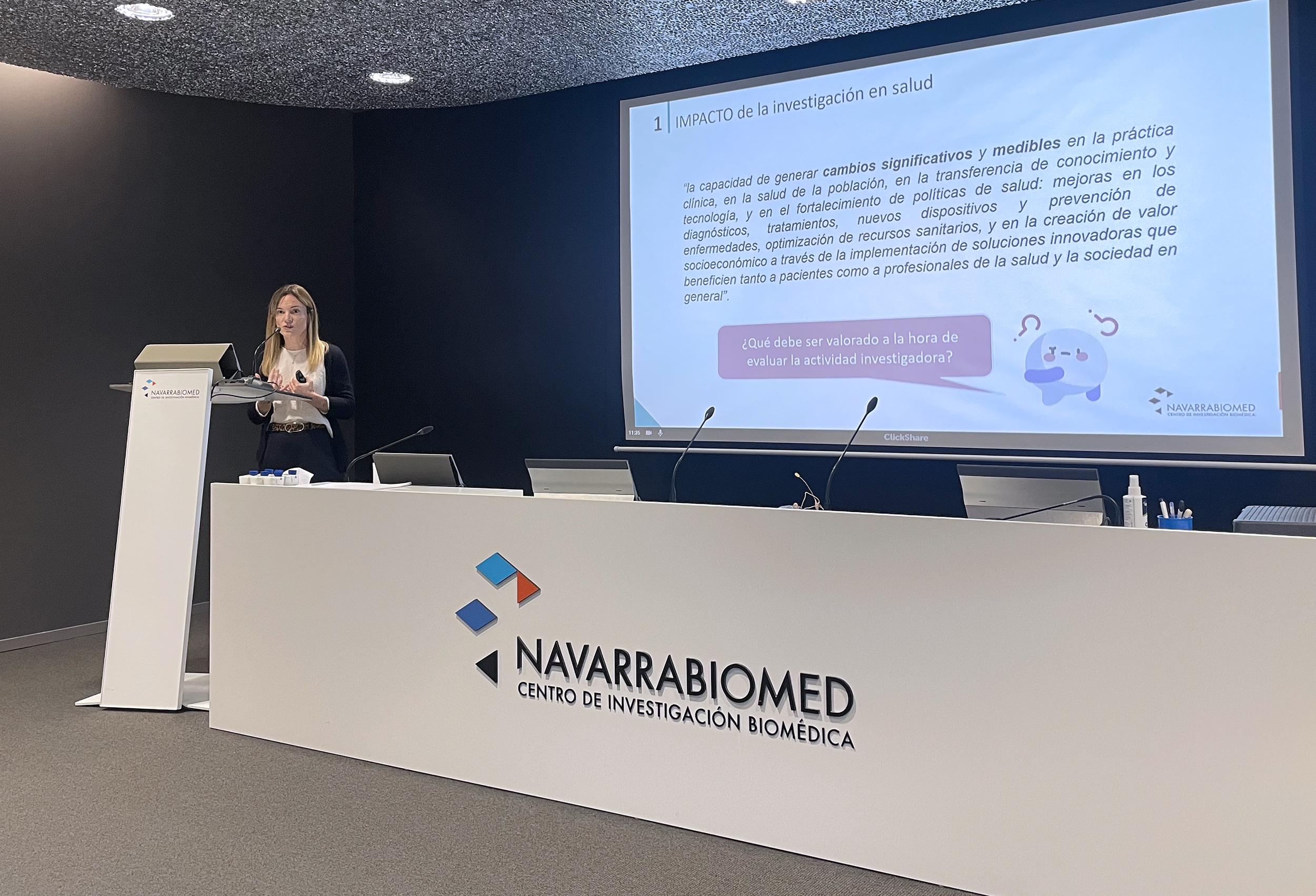
El martes, 21 de enero, Olatz Arrizabalaga, Responsable de Estrategia Científica e Impacto del Instituto de Investigación Sanitaria Biogipuzkoa, ofreció la ponencia “Reforma de la evaluación científica: el valor de los centros e institutos de investigación”. La conferencia se centró en la urgencia de actualizar los criterios de evaluación conforme a las nuevas directrices de DORA – CoARA y procedimentar internamente sistemas que respondan a la realidad de la investigación en salud. Para ilustrar su exposición, compartió una metodología propia de IIS Biogipuzkoa que permite establecer un diagnóstico interno en el que detectar fortalezas y áreas de mejora de cada grupo de investigación. 

Además, de las sesiones con ambos científicos invitados, el público asistente pudo conocer la actividad de NAIR Center de la mano de Marisol Gómez, IP de la Unidad de Algebra y matemáticas de Navarrabiomed, y actual directora científica de NAIR Center. Tal y como expuso trabajan en cuatro áreas principales de investigación, cada una con el potencial de generar un impacto positivo en la sociedad y la industria. Estas áreas incluyen el análisis inteligente de datos, el aprendizaje automático, la IA disruptiva y su impacto en la sociedad, y la IA explicativa.

Categoría
Galería de imágenes
Javier Gómez-Arrue realizó la apertura de las jornadas 2025.
Download Flecha que indica descarga
Olatz Arrizabalaga durante su intervención.
Download Flecha que indica descarga
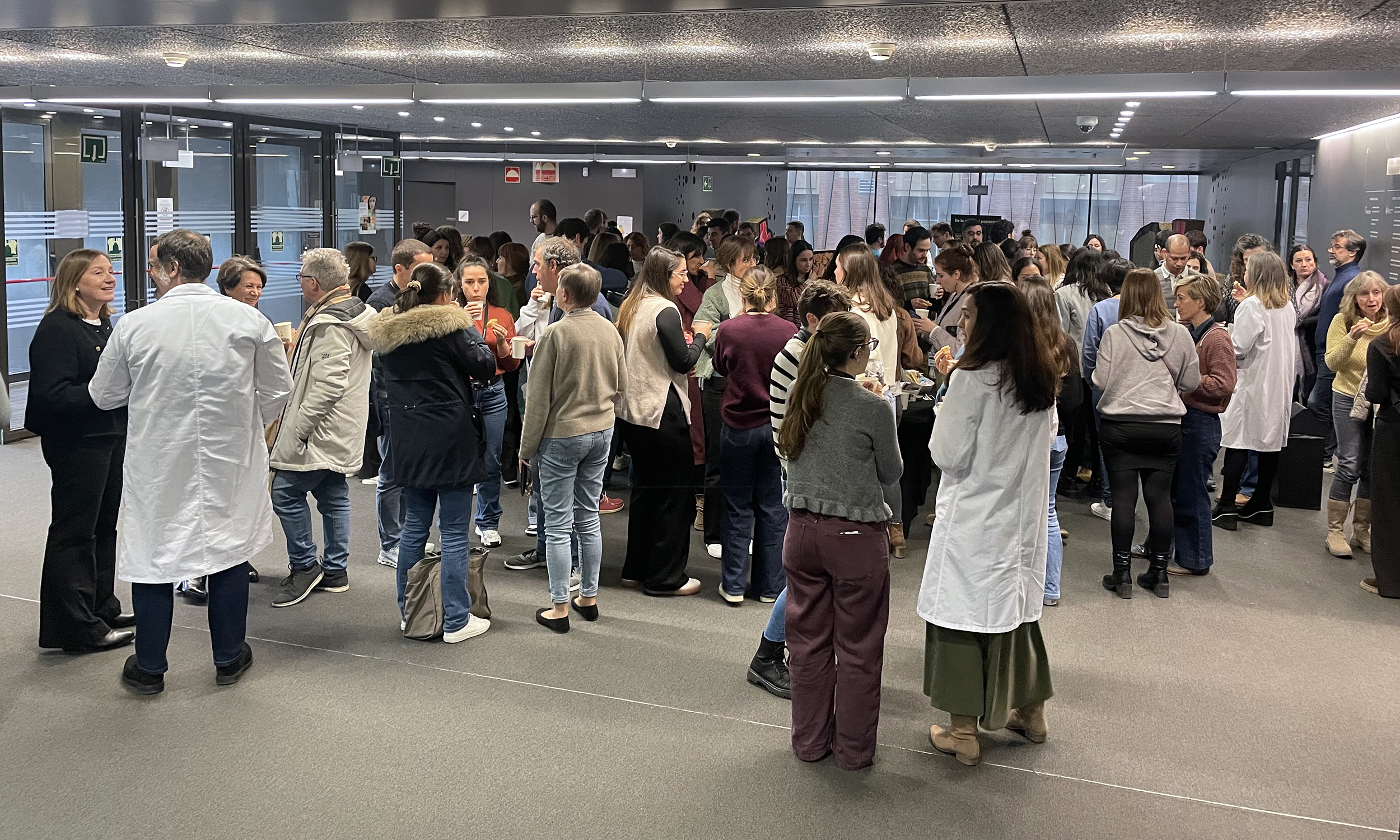
Espacio de encuentro entre sesiones.
Download Flecha que indica descarga
Presentación de ciencia ciudadana de Enrique Navarro.
Download Flecha que indica descarga
David Escors informa de la actividad de la Unidad de Oncoinmunología.
Download Flecha que indica descarga
Natalia López, IP de Cardiología Traslacional.
Download Flecha que indica descarga
Documentación
Vídeo

Regional minister Fanlo highlights Navarra’s capacity and leadership in personalized medicine, after visiting the new Navarrabiomed facilities

Sala Blanca
Author
Gobierno de Navarra
  • During the meeting, she learned about some of the most innovative infrastructures at this mixed biomedical research centre, such as the White Room for advanced therapies and the experimental operating room.

The Regional Minister for Universities, Innovation and Digital Transformation, Patricia Fanlo, visited Navarrabiomed, a joint biomedical research centre of the Government of Navarra and the Universidad Pública de Navarra (UPNA), this morning as part of her round of meetings with the entities that make up the R&D&I System in Navarra (SINAI). Maite Mendioroz, director of Navarrabiomed, was responsible for welcoming her and showing her the facilities, highlighting the new equipment, the projects in personalized medicine and innovation, as well as the synergies with the UPNA and the Hospital Universitario de Navarra (HUN) that reinforce the position of Navarra as a community at the forefront of biomedicine in the public health field.

Personalised medicine and innovation

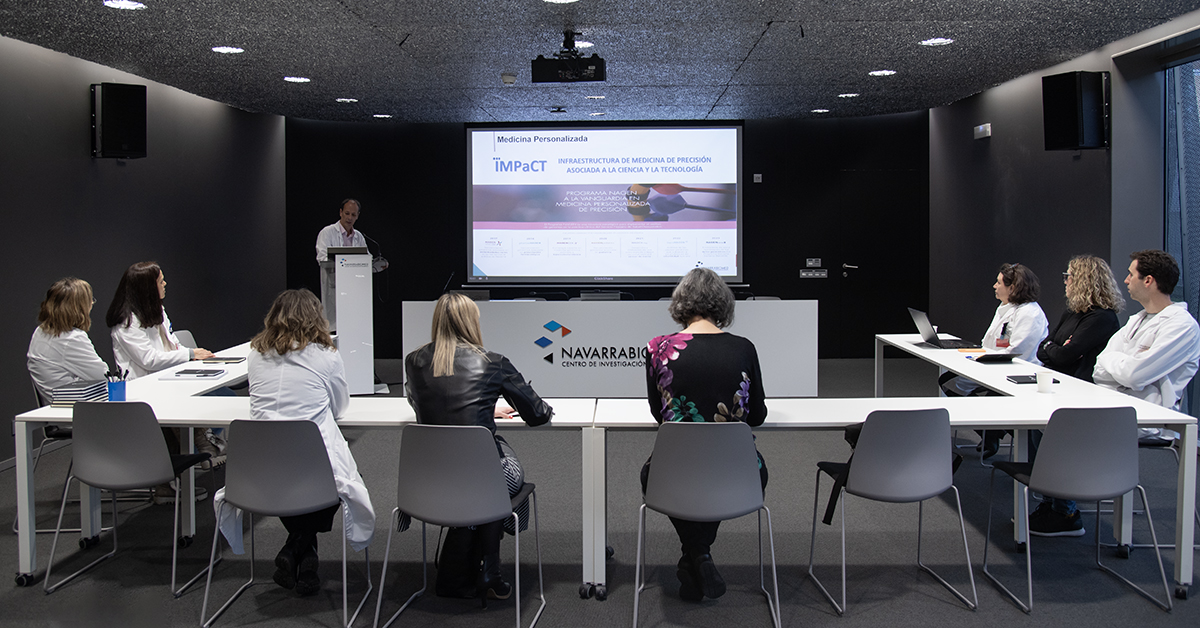
During the day, the minister chaired a meeting with research staff from the Genomic Medicine Unit in which she was able to learn about the progress of the NAGEN Program projects that the centre has been carrying out since 2016 and the Precision Medicine Infrastructure associated with Science and Technology (IMPaCT), which is coordinated at the national level by the Instituto de Salud Carlos III (ISCIII) and in Navarra is coordinated by Navarrabiomed.

The minister, who was accompanied by the director general of Universities, Ana Burusco, highlighted the work of Navarrabiomed as a pioneering entity in the field of personalized medicine and innovation in Health: “Navarrabiomed has been a pioneer and continues to be a key agent in positioning Navarra as a reference region at a national and European level, thanks to its various initiatives. The Government of Navarra fully intends to facilitate the translation of these projects into healthcare practice, with the aim of providing all the knowledge that has been generated and implementing the methodology and circuits developed to the fullest,” noted Fanlo.

In line with this commitment, the Department of Universities, Innovation and Digital Transformation has awarded 540,000 euros to Navarrabiomed in its latest calls for tenders to carry out three collaborative projects, and nearly 90,000 euros from the MRR Investigo program to support the incorporation of talent at this centre. “This investment reflects the firm support of the Government of Navarra for Navarrabiomed, a benchmark in public research, with the aim of placing people at the centre of health care,” said the minister.

At this meeting, she was also able to learn about the progress of the Innovation Unit as regards Public Innovation Procurement. The centre is currently managing two processes that will allow innovative technological developments: one aimed at promoting public research in the field of treatments such as the implementation of immunotherapies, and the other aimed at facilitating access to emergency ultrasound from the Servicio Navarro de Salud-Osasunbidea.


Visit of the new installations

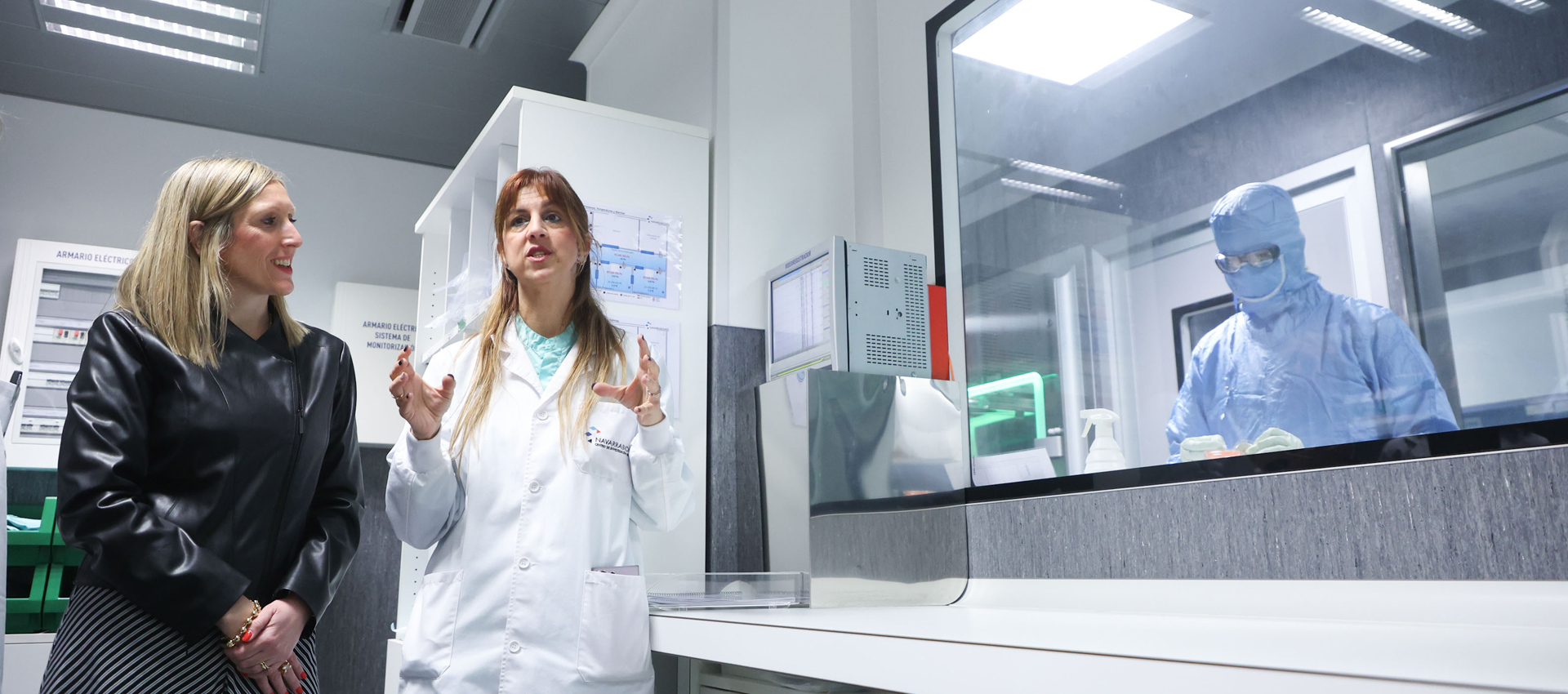
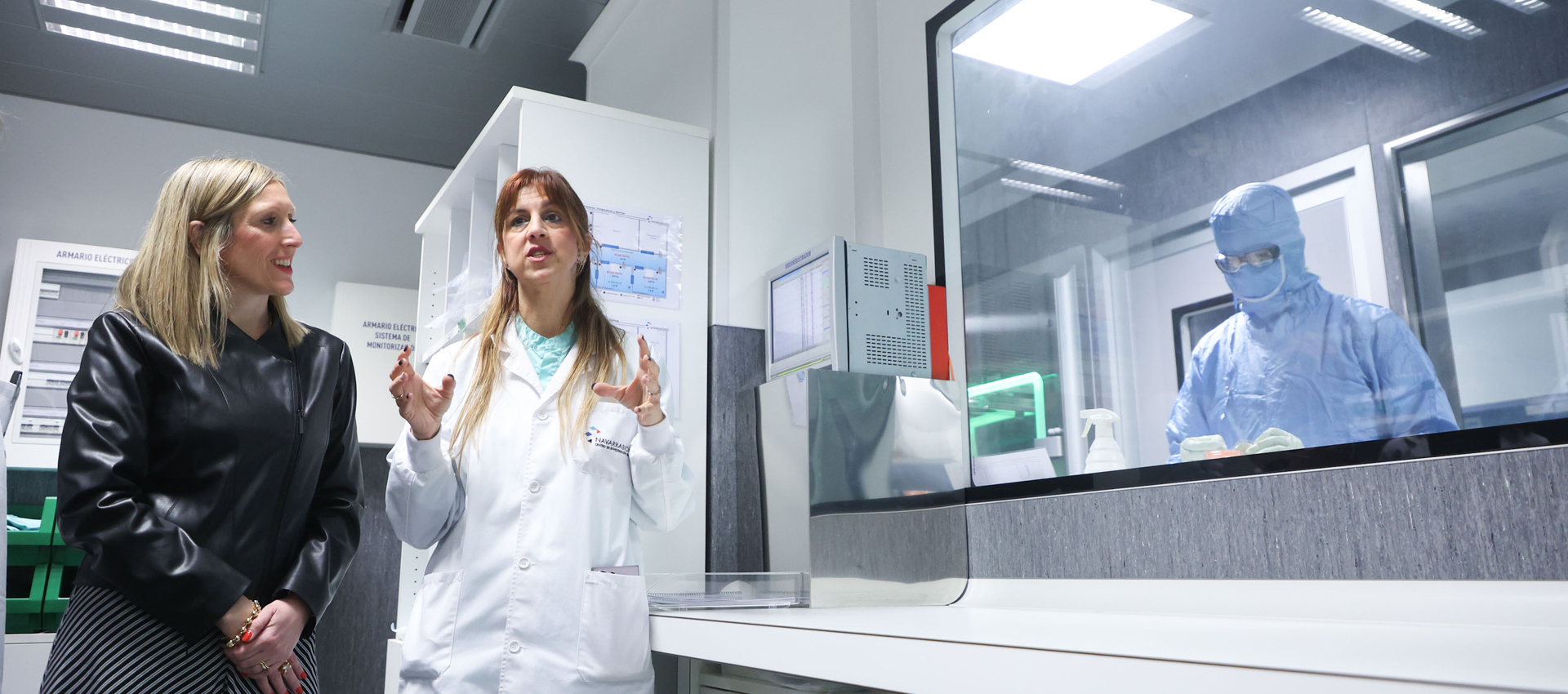
The minister was also able to visit the laboratory area and, specifically, the new facilities at the centre dedicated to the White Room for Advanced Therapies (CellMa), a highly specialized facility intended for the manufacture of sterile medicines for human use based on cells, genes or tissues. This service, following the guidelines of the European regulatory framework, is in the last stage of the implementation of the Pharmaceutical Quality System for Good Manufacturing Practices (NCF/GMP) and is expected to be accredited by the Spanish Medicines Agency in 2024. CellMa will allow the development of innovative therapies in the SNS-O, such as cell therapy, gene therapy or tissue engineering, in the context of the practice of Personalised and Precision Medicine.

Currently, Navarrabiomed is undergoing the last phase of the renovation works of the Scientific/Technical Proteomics Department, the only laboratory of its kind in the Autonomous Community. The cutting-edge equipment purchased over the last two years will facilitate the performance of larger clinical studies involving a larger number of patient samples, and will generate more in-depth molecular information.

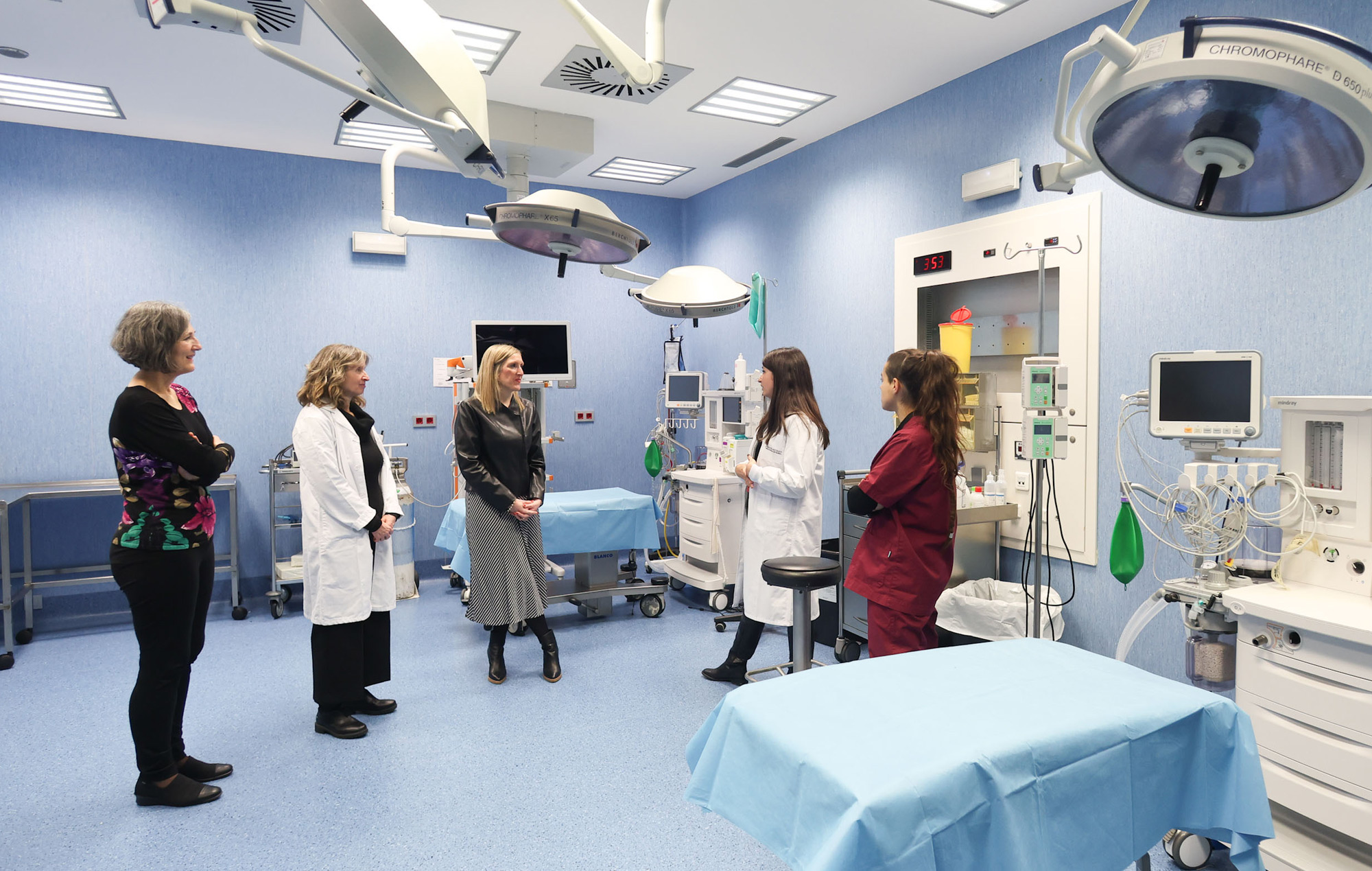
Finally, Fanlo visited the facilities of the Biomodels and Experimental Operating Room service. This area is a point of reference for the specialised training of surgical medical professionals of the SNS-O. Within the framework of the Teaching Plan of the Department of Health, this service hosts numerous courses and conferences aimed at both medical residents and medical professionals who want to try innovative techniques in their hospital services.

Press release published in www.navarra.es 

Categoría
Galería de imágenes
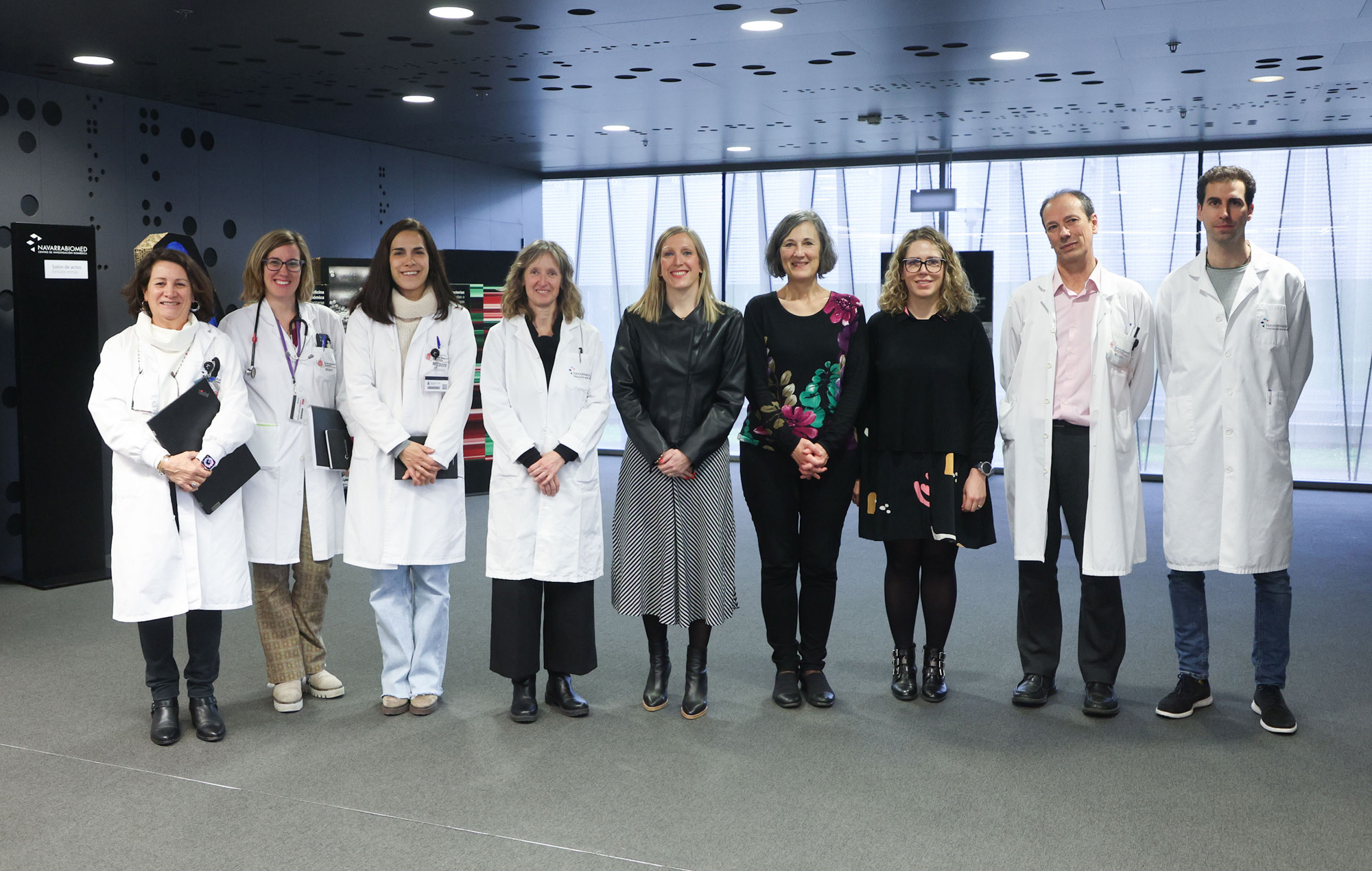
La consejera Fanlo y Ana Burusco junto a profesionales de Medicina Genómica, Innovación y Dirección de Navarrabiomed.
Download Flecha que indica descarga
Visita a las instalaciones de la sala blanca.
Download Flecha que indica descarga
Visita a las instalaciones del Quirófano experimental.
Download Flecha que indica descarga
El responsable de Medicina Genómica, Angel Alonso, da a conocer el programa NAGEN
Download Flecha que indica descarga
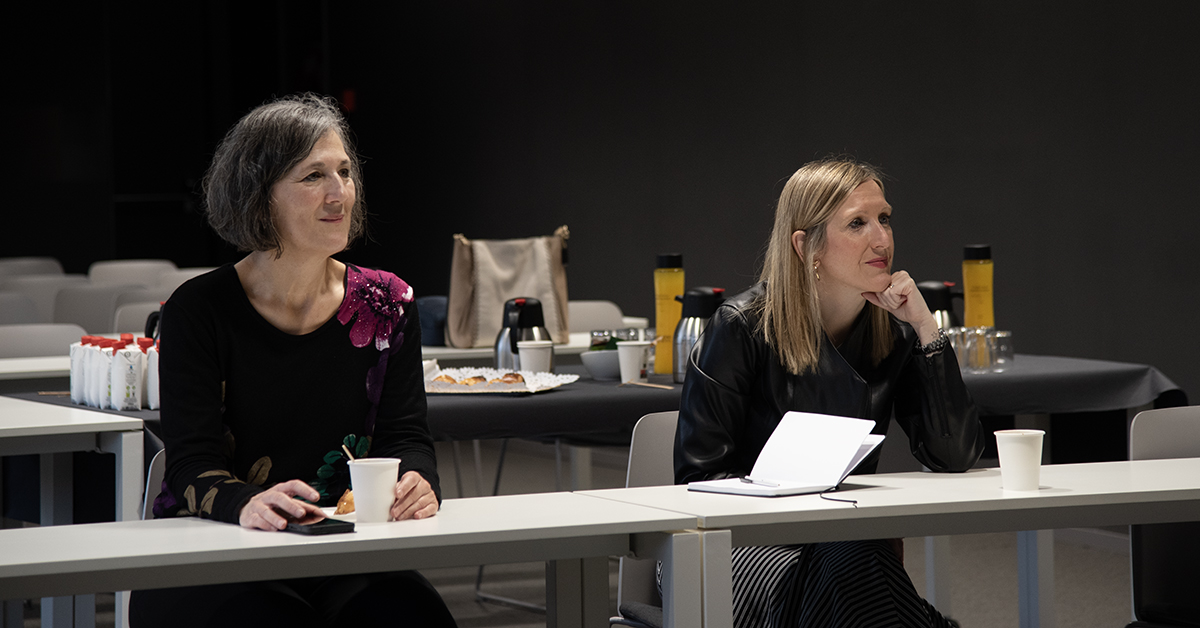
Patricia Patricia Fanlo y Ana Burusco atienden las explicaciones del equipo de Navarrabiomed.
Download Flecha que indica descarga
Beatriz Pérez informa sobre las iniciativas de innovación del centro.
Download Flecha que indica descarga
Documentación
Vídeo

Parliament of Navarra visits the installations of Navarrabiomed

Comisión de Salud del Parlamento de Navarra
Author
Parlamento de Navarra

•    The strategic areas at the centre, the existing space limitations and coexistence with the activity of IdiSNA, among other aspects, have been made examined.


Representatives of the Health Commission of the Parliament of Navarra visited the headquarters of the Navarrabiomed biomedical research centre, located in the grounds of the Hospital Universitario de Navarra, today. The entity, managed by the Fundación Miguel Servet, is a joint centre with the Universidad Pública de Navarra, promoted by the Government of Navarra, and is responsible for promoting and facilitating outstanding biomedical research in the public health system.

The regional members of parliament who attended were Leticia San Martín (UPN), Maite Esporrín (PSN), Domingo González (EH Bildu), Isabel Aramburu (Geroa Bai), Daniel López (Contigo-Zurekin) and Maite Nosti (Vox).
The director Maite Mendioroz was in charge of welcoming them and showing the evolution and balance of the centre's activity from its beginnings in 2012 to the present day. The managing director María Bezunartea also participated in this initial meeting.

The Health Commission was able to learn about the centre’s activity in such diverse areas of biomedicine as oncology, cardiology, neurosciences, digestive, geriatrics and active ageing and infectious diseases, amongst others. The explanations were completed with visits to the laboratories located on the second floor of the building, where the parliamentary representatives were able to talk with research staff.  

Likewise, the Commission was able to learn about the challenges faced by Navarrabiomed-Fundación Miguel Servet, including the current space limitations and coexistence with the Health Research Institute of Navarra (IdiSNA). In this sense, Maite Mendioroz referred to the future new Regional Health Law as an opportunity to consolidate outstanding public biomedical research, which his essential to improve the public health system and the health of citizens.


Strategic areas 

Among the centre's strategic issues, personalized medicine, innovation and research with a gender dimension were highlighted. Specifically, the progress of the NAGEN Program projects, a strategic initiative to implement genome analysis in the clinical practice of the Servicio Navarro de Salud-Osasunbidea, and the Precision Medicine Infrastructure associated with Science and Technology (IMPaCT), which is coordinated at the national level by the Instituto de Salud Carlos III and in Navarra by Navarrabiomed, was presented.

In terms of biohealth innovation, the centre is developing two Public Innovation Procurement processes that will allow innovative technological developments in the SNS-O: one of these is aimed at promoting public research in the field of treatments, such as the implementation of immunotherapies, and the other is aimed at facilitating access to emergency ultrasound.

Finally, Navarrabiomed-FMS has launched a transversal area of research focused on the differential effect of gender and sex on the diseases commonly studied at our centre. The objective is to better understand the biological and clinical effects that gender and sex exert in different areas of biomedicine and to study the health conditions and diseases that are invisible to the female gender. For the development of this area, Navarrabiomed has the support and advice of ADItech, the coordinator of the Navarra R&D&I System.


Visit to the laboratories 

The Commission visited the centre’s facilities and laboratories, where its members were able to greet the researchers and have the opportunity to learn about their activity first-hand. During the visit, the director stressed the importance of the new equipment for the Advanced Therapies Clean Room (CellMa). This is a highly specialized facility intended for the manufacture of sterile medicines for human use based on cells, genes or tissues. This service, which is expected to be accredited by the Spanish Medicines Agency in 2024, will allow the development of innovative therapies in the SNS-O.
 

Categoría
Galería de imágenes
La directora Maite Mendioroz ha ofrecido un balance de la actividad del centro.
Download Flecha que indica descarga
Encuentro con la Dirección en el salón de actos de Navarrabiomed.
Download Flecha que indica descarga
Visita al nuevo servicio de Sala Blanca.
Download Flecha que indica descarga
Visita al laboratorio de Cardiología Traslacional.
Download Flecha que indica descarga
Instalaciones del servicio de Proteómica.
Download Flecha que indica descarga
Representantes de la Comisión de Salud del Parlamento de Navarra que han acudido a la visita.
Download Flecha que indica descarga
Documentación
Vídeo

A delegation from Aragon visits Navarrabiomed to learn about the facilities of the CellMa White Room

Instituto de Investigación Sanitaria de Aragón visita Navarrabiomed
Author
Navarrabiomed

Representatives of the Technical Research Support Unit of the Institute of Health Research of Aragon visited on Wednesday, March 22nd Navarrabiomed to get to know the facilities of the Advanced Therapies Clean Room CellMa intended for the manufacture of sterile medicinal products for human use. The head of this technical scientific service of Navarrabiomed, Dr. Natalia Ramirez and the Director of the centre, Dr. Maite Mendioroz, welcomed them and explained the details of this highly specialised facility, which is currently in the final phase of certification.
On behalf of the IIS of Aragon, this meeting was attended by Eduardo Pastor Miedes, Elisa Del Barrio Cortés and Carmen Oñate Salafranca. The group was also accompanied by Montserrat Abad Lavilla, an architect and María Teresa Pintanel, an engineer who collaborates with the Advanced Therapies Unit of the institution.
 
Adaptation of spaces and available technology

During the visit, the representatives of the IIS of Aragon were able to get to know the relevant infrastructure of the facility itself, as well as that required for the location of general and high-end equipment. They also asked about technical aspects of the implementation of the CellMa Clean Room as well as issues related to the organisation and organisational chart of personnel and the process of implementing the pharmaceutical quality system of “Good Manufacturing Practices-GMP”. To explain all these details, Edurne Echeverría, responsible for the Management Office of Navarrabiomed and the technical staff of the CELLMA Clean Room, was present.

The Navarrabiomed Clean Room is currently undergoing the certification process and it is expected that it will be certified by the Spanish Medicines Agency (AEMPS) in the second half of 2023.

This visit involves an exchange of good practices between autonomous communities and promotes institutional collaboration in the field of biomedical management and research.

Categoría
Galería de imágenes
Representantes de IIS Aragón y Navarrabiomed
Download Flecha que indica descarga
Documentación
Vídeo

The director of the Carlos III Health Institute visits Navarrabiomed to learn about the research potential of the Navarra health system

El director del Instituto de Salud Carlos III visita Navarrabiomed
Author
Gobierno de Navarra
  • The Minister Induráin and the Minister Cigudosa have accompanied Cristóbal Belda on his visit to Navarrabiomed-Miguel Servet Foundation and the companies 3P Biopharmaceuticals and Cinfa

The director of the Carlos III Health Institute (ISCIII), Cristóbal Belda, today visited the Regional Community, to learn about the research potential of the health system of Navarra, as well as the innovation that is being developed in the region. Belda, who was accompanied by the Minister of Health, Santos Induráin, and by the Minister of University, Innovation and Digital Transformation, Juan Cruz Cigudosa, visited the companies 3P Biopharmaceuticals and Cinfa, and learned about the biomedical research centre Navarrabiomed-Miguel Servet Foundation, where he held a meeting with the delegated committee of the Institute of Health Research of Navarra (IdiSNA) and Maite Mendioroz, director of the research centre.

Here, the Minister Induráin wanted to share with the director of the ISCIII three key ideas of the firm commitment of the Department of Health and the Regional Executive division for health research: a clear commitment to the entire health ecosystem of research with the leadership of the public sector; the translation of this commitment being an increase in the budget allocation for Navarrabiomed-Miguel Servet Foundation, which on its tenth anniversary renewed its management and is a key piece of the Health Research Institute of Navarra (IdiSNA). Also, Induráin wanted to highlight the interdepartmental collaboration, especially between Health, Economic and Business Development and University, Innovation and Digital Transformation (with its own projects and European collaboration in genomic medicine, personalised medicine, the NAGEN programme, etc.); as well as with the social and business fabric of Navarra.
In this regard, as Cigudosa has stressed, the Regional Community “is an optimal territory for innovation in health as evidenced by the Comprehensive Strategy of Personalised Precision Medicine, which in addition to being aimed at improving healthcare to patients, defines the lines of action so that this sector entails other social-economic benefits for the region such as job creation”.
 
New infrastructures of Navarrabiomed
 
During her visit, Belda held a meeting in which the director of Navarrabiomed - Miguel Servet Foundation, Maite Mendioroz, highlighted the new infrastructures available in the centre. Specifically, an important reform of the facilities has recently been undertaken to locate an Advanced Therapies Clean Room (CellMa), aimed at the manufacture of sterile medicines for human use (currently in the process of certification) and, also, the equipment of the Scientific and technical service of Proteomics.

Also, in addition to the director of Navarrabiomed, members of the IdiSNA Delegated Committee took part in the event, who showed Belda the research potential of the health system of the Regional Community. Specifically, the following were present: the managing director of the University Hospital of Navarra (HUN), Alfredo Martínez; the director and deputy scientific director of IdiSNA, Nicolás Martínez; the members of the IdiSNA Delegated Committee Francisco Javier Arregui (vice chancellor for Research of the Public University of Navarra); Paloma Grau (vice chancellor for Research and Sustainability of the University of Navarra) and Jesús San Miguel (medical director of the University of Navarra Clinic); as well as the director of the Planning, Evaluation and Knowledge Management service of the Department of Health, Idoia Gaminde.
 

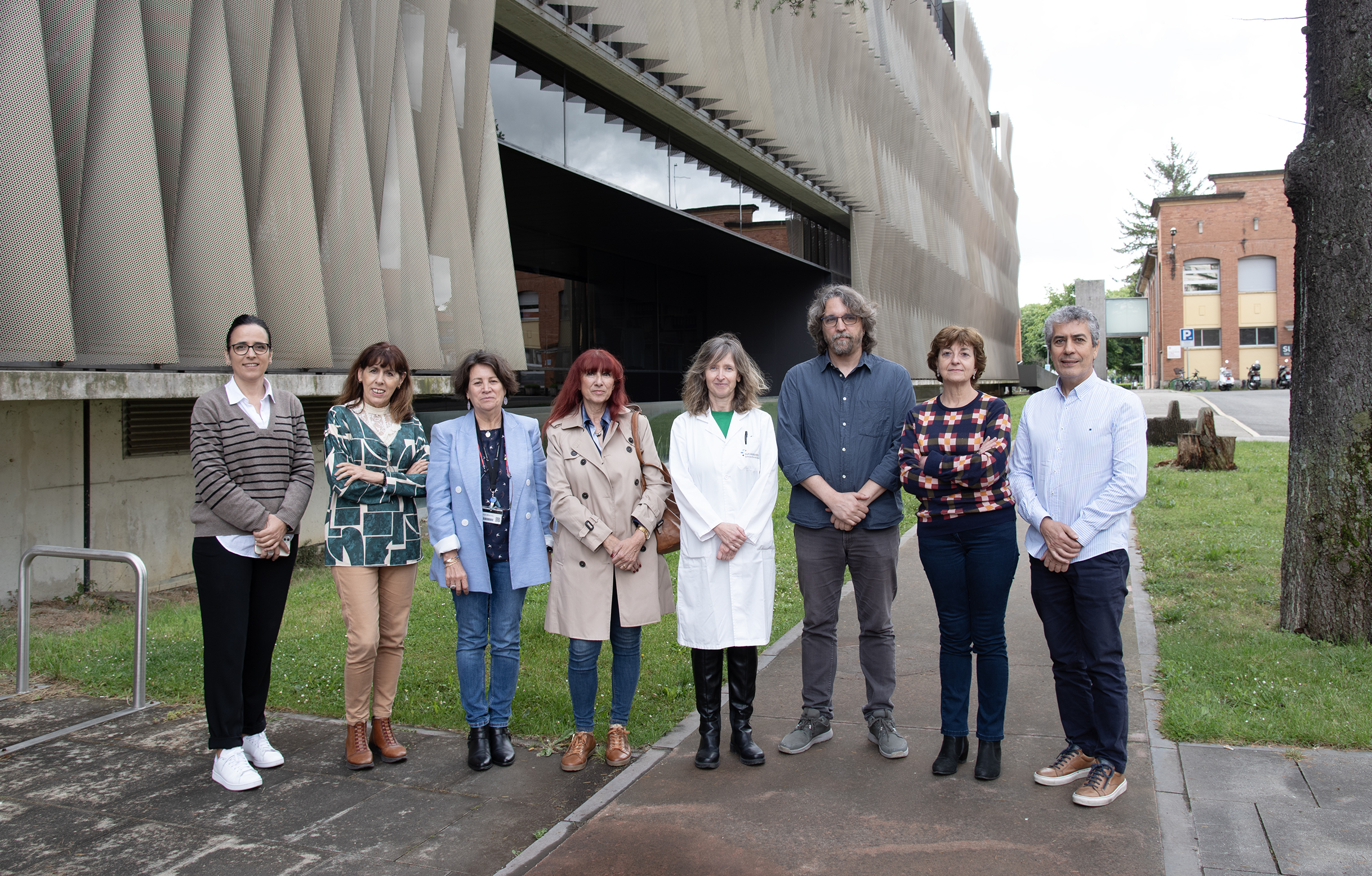
Picture caption: Left to right: Francisco Javier Arregui, Jesús San Miguel, Paloma Grau, Natalia Cal, Agurtzane Martínez and Idoia Gaminde. Bottom row, left to right: Nicolás Martínez-Velilla, Carlos Artundo, Juan Cruz Cigudosa, Cristóbal Belda, Santos Induráin, Maite Mendioroz and Alfredo Martínez.

Categoría
Galería de imágenes
Cristóbal Belda together with representatives of the Government of Navarra, Navarrabiomed, HUN, UPNA, CUN, UN and IdiSNA.
Download Flecha que indica descarga
Cristóbal Belda and Maite Mendioroz
Download Flecha que indica descarga
Cristóbal Belda and Maite Mendioroz
Download Flecha que indica descarga
Documentación

Prof. Dr Annemieke Rozemuller, guest speaker at the “Conference on Neurodegenerative Diseases 2025”

Prof. Dra Annemieke Rozemuller
Author
Navarrabiomed

Neuropathologist and neurodegeneration expert at Amsterdam University Medical Center, Prof. Dr Annemieke Rozemuller visited Pamplona on Tuesday, 29 April to participate in the “Conference on Neurodegenerative Diseases 2025”. The session, organised by the Pathological Anatomy Department of the University Hospital of Navarra and the Navarrabiomed – Miguel Servet Foundation Biobank, was part of the hospital's continuing education activities. 

Dr María Victoria Zelaya, pathologist at the HUN, led the scientific conference, which was attended in person by clinical professionals and neuroscientists from the hospital and Navarrabiomed, as well as the Ibero-American group of neuropathologists who participated online. Throughout the morning, they reviewed atypical clinical and pathological cases presented by specialists from the HUN Neurology Department with Annemieke Rozemuller. With their extensive experience and knowledge in the diagnosis and treatment of these diseases they were able to discuss and analyse cases in detail, sharing the latest procedures and techniques to improve understanding and diagnostic capabilities. 

Specifically, the guest scientist offered her perspective on the latest advances in the classification, diagnosis and understanding of frontotemporal dementias (FTD), improving diagnostic accuracy by identifying and differentiating the different subtypes of FTD at the neuropathological level, and understanding the neuropathology of FTD in depth, including the accumulation of TAU and TDP43 proteins and their correlation with clinical manifestations.

Time was also set aside to visit the facilities of the Scientific and Technical Department of Navarrabiomed Biobank with its director, Roberto Hernán, who was especially keen to show them the details of the centre's brain collection.
 

Categoría
Galería de imágenes
Elena Erro, Annemieke Rozemuller, Mª Victoria Zelaya y Cristina Caballero.
Download Flecha que indica descarga
Intervención de Annemieke Rozemuller durante la jornada.
Download Flecha que indica descarga
Mª Victoria Zelaya dinamizó los casos seleccionados.
Download Flecha que indica descarga
Documentación
Vídeo

Navarrabiomed welcomes participants in the HOPE European exchange programme at the HUN

Visita a Navarrabiomed
Author
Navarrabiomed


  • The initiative offers participants placements at hospitals with the aim of sharing experiences and best practices.


During the month of May, the University Hospital of Navarra welcomed two professionals as part of the exchange programme of the  European Hospital and Healthcare Federation (HOPE). As part of this initiative, a visit to Navarrabiomed was organised to learn about the biomedical research centre's activities and most outstanding projects. 

The director of Navarrabiomed - Miguel Servet Foundation Javier Gómez-Arrue and the head of I+D+I, Paula Aldaz, were responsible for welcoming the two visiting professionals: Andrea Cortés, subdirector of quality, quality improvement and innovation at King´s College Hospital (London, United Kingdom) and Agata Lisiewicz-Kaleta, director of operations at the University Hospital of Wroclaw (Wrocloaw, Poland). The event was also attended by HUN professionals: Cristina Llonch, 4th-year resident in Preventive Medicine and Public Health, and Marisa Saldaña, Clinical Management and Continuing Care Support Department. 


The placement at the University Hospital of Navarra lasted ten days, during which they visited various departments and facilities: Radiation Oncology Department, Pharmacy Department, General Emergency Department, Administrative Management Department (procurement, logistics, healthcare product alerts and infrastructure), Maternity and Paediatrics Department, Surgical Department and Geolocation Project, Inpatient Units, Information Systems and Medical Records. Visits were also made to the Ermitagaña Primary Care Centre, the Navarra Blood and Tissue Bank and Navarrabiomed. 

Travelling HUN professionals 

This year two HUN professionals are also taking part in the exchange: Merche Gabari, Specialist in Preventive Medicine at the HUN’s Clinical Management and Continuing Care Support Department at the Epicura group, with hospitals in Hornu, Baudour and Ath (Belgium), and Estíbaliz Martínez, Head of the Food Section at the HUN, has completed a placement at the Centre Hospitalier L’Aigle in Normandy (France). 
Both the professionals hosted and those travelling will take part in the final meeting "Agora HOPE 2025", which will take place on 13 and 15 June in Vienna, where all participants will share their experiences, evaluate the programme and draw conclusions.
 
Further information about HOPE

The European Hospital and Healthcare Federation (HOPE) is a non-profit association representing more than 14,000 hospitals in Europe. Spain has been a member since 1986.

This year the HOPE programme is in its 42nd edition, this time under the slogan: “All together for quality”. During the month-long programme, each participating professional gains in-depth knowledge of the host country's healthcare system through a comprehensive schedule of visits and interviews with key professionals. 

Its objectives include promoting the improvement of the health of citizens in European Union countries, harmonising standards and promoting the effectiveness, efficiency and humanisation of hospitals, services and healthcare systems in EU countries. Among its activities, it runs an annual exchange programme aimed at healthcare professionals working in the health sector with responsibility for healthcare management in hospitals, health centres or in central and regional government.

Categoría
Galería de imágenes
Reunión en Navarrabiomed con las participantes desplazadas al HUN
Download Flecha que indica descarga
Visita a las instalaciones de Oncología Radioterápica del HUN
Download Flecha que indica descarga
Reunión en Gerencia del HUN
Download Flecha que indica descarga
Documentación
Vídeo

A Taiwanese delegation meets with Navarrabiomed at the 2nd Navarra-Taiwan Cooperation Forum “Smart health, Global health”

Visita de la delegación taiwanesa a Navarrabiomed
Author
Navarrabiomed
  • The event addressed the challenges and opportunities for artificial intelligence in the health sector. 

Navarra welcomed a Taiwanese institutional delegation in the health field on a two-day visit, coordinated by the Department of Industry, Ecological Transition, and Digitisation of the Government of Navarra, by way of the Navarra International Plan, and within the framework of the “Smart health, Global health” forum. This meeting consisted of one work-day session at the College of Physicians of Navarra and another at Polo Iris, as well as visits to Navarrabiomed, the University Hospital of Navarra, and the University Clinic of Navarra.
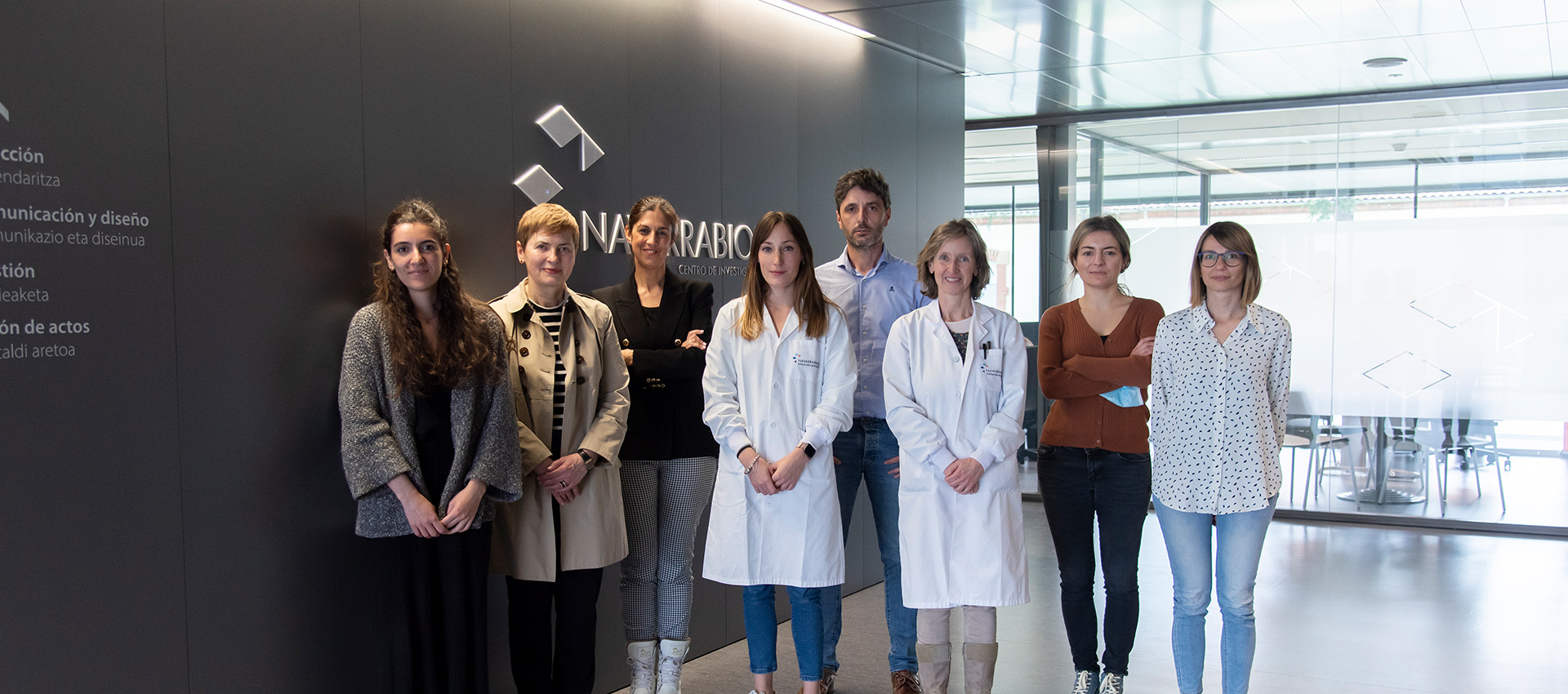
From the Taiwanese delegation, members of the Life Sciences Department of the NSTC (National Science and Technology Council) and the Taiwan Smart Healthcare Alliance (TSHA) attended. For Navarra, various representatives from the public and private healthcare sectors participated, coordinated by Navarra Health Cluster. 

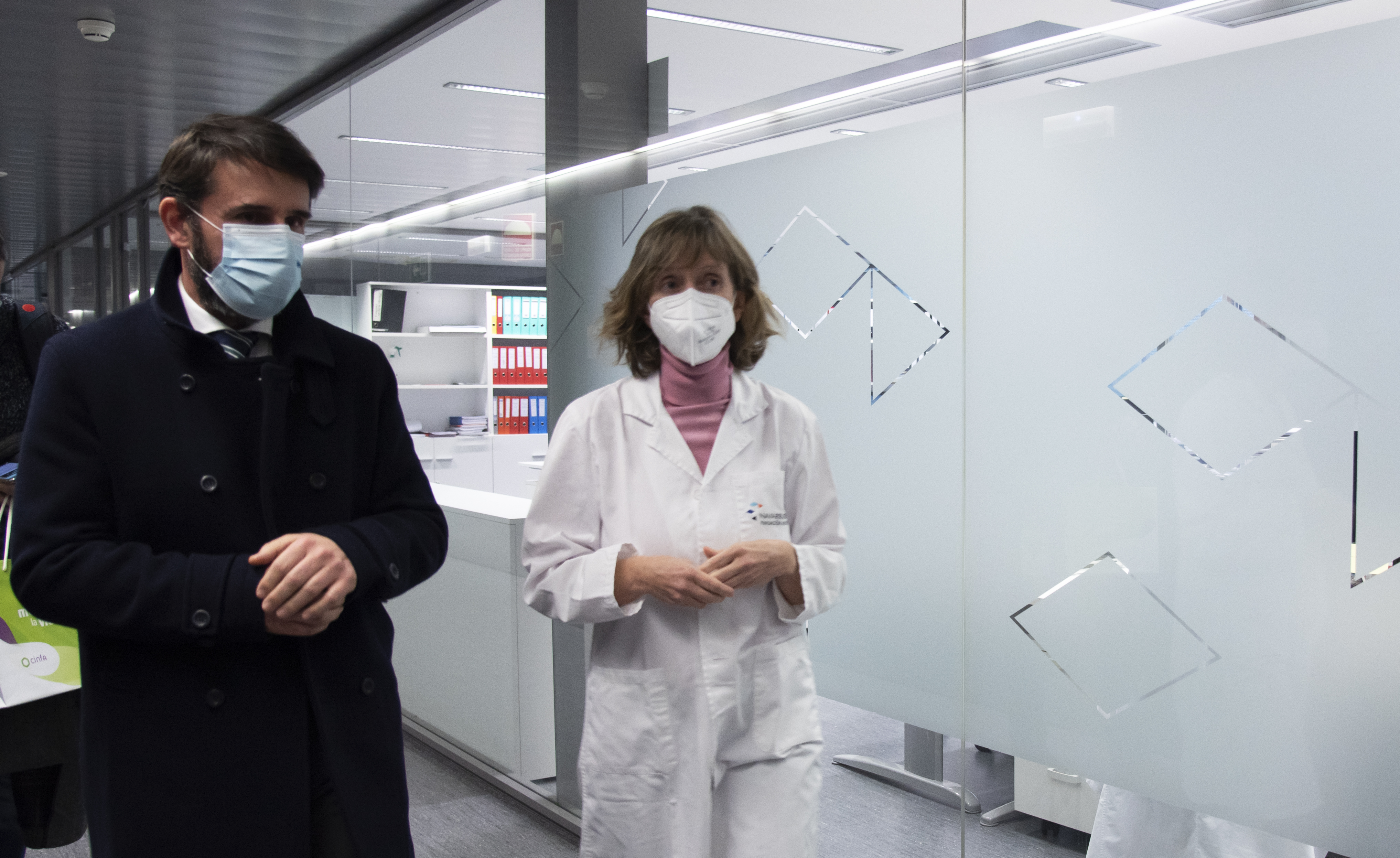
Javier Gómez-Arrue, director of Navarrabiomed, presented the biomedical research centre's most outstanding scientific activity at the forum and also gave a presentation on the European data space. They were also given a tour of the facilities and laboratories by Paula Aldaz, head of R&D&I at Navarrabiomed. 

The event allowed professionals from both regions to explore together the challenges and opportunities presented by artificial intelligence applied to clinical research and health, and to consolidate international cooperation in the health field, one of the five key areas of the Navarra International Plan.


Categoría
Galería de imágenes
De izda a dcha: Iñigo Arruti, el consejero Irujo, Dr. Shih-An Chen, Dr. Tai-Hong Young, Miren Ausín y Laura Corcuera.
Download Flecha que indica descarga
Javier Gómez-Arrue presentó Navarrabiomed en el foro.
Download Flecha que indica descarga
Delegación taiwanesa junto a representantes del Gobierno de Navarra, Navarrabiomed, HUN y NHC.
Download Flecha que indica descarga
Documentación
Vídeo