
SENSORFIT-4HEART validates personalized exercise prescription as a treatment for heart failure
• The strategic project, led by Navarrabiomed, confirms the effectiveness of a physical exercise programme and a remote monitoring platform in improving functional capacity and quality of life in patients with heart failure with preserved ejection fraction.
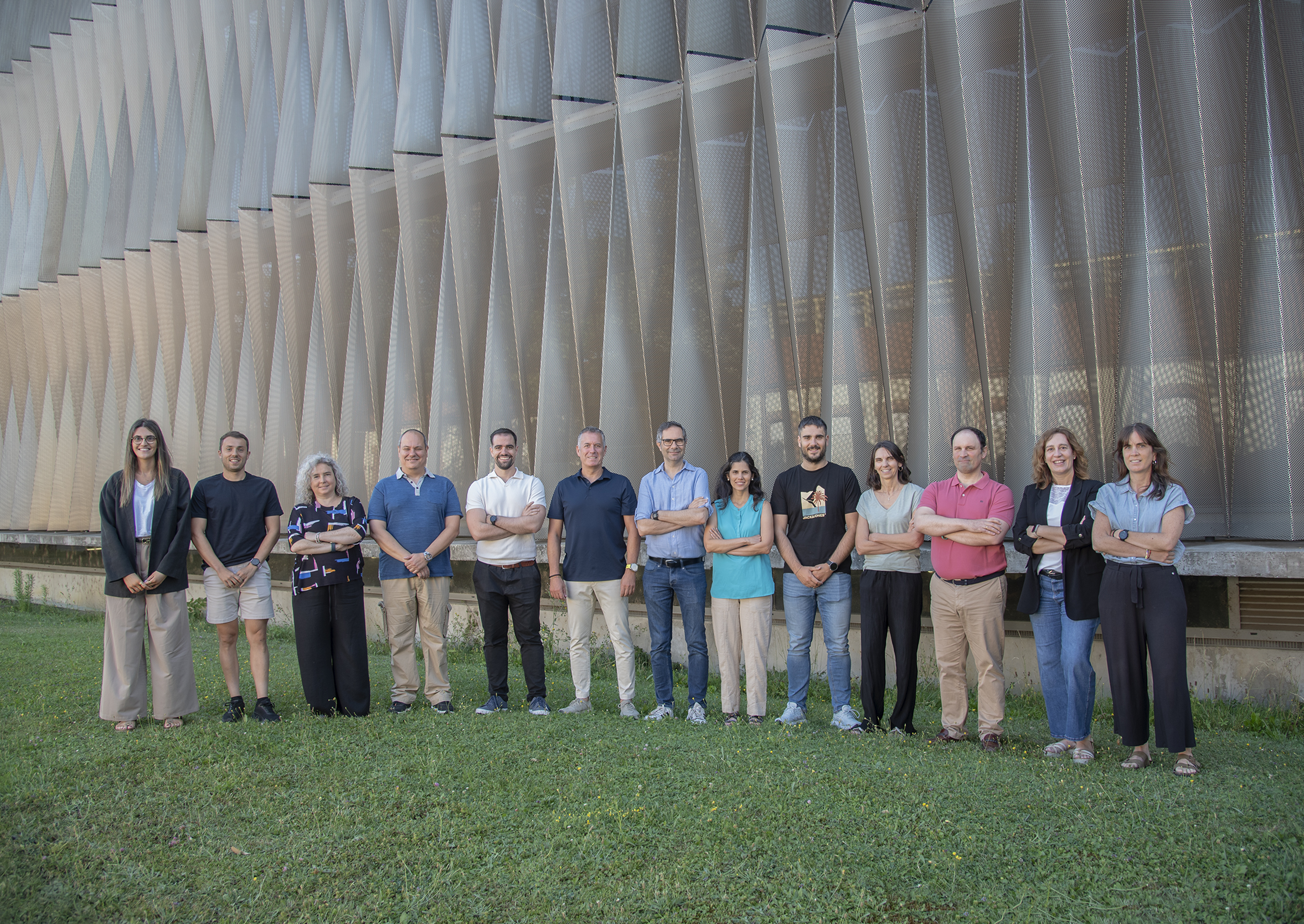
Individualized physical exercise prescription, supervised and supported by technology, is emerging as a leading therapeutic tool against heart failure. This is the main conclusion of the strategic project SENSORFIT-4HEART, which presented its results at a final meeting attended by representatives of the Department of Industry and Ecological and Digital Business Transition of the Government of Navarra and the consortium partners. Coordinated by Navarrabiomed, the initiative has developed a novel model that integrates clinical evidence, biomedical knowledge, and technology to address this condition.
Specifically, the project has designed and validated a multiparametric platform for the prescription and remote monitoring of physical exercise in patients with heart failure with preserved ejection fraction (HFpEF). This complex syndrome, whose incidence continues to increase and which carries a poor prognosis, already accounts for nearly 50% of all heart failure cases. It significantly limits patients’ functional capacity and still has relatively few effective clinical treatment options.
Physical exercise as a clinical intervention
SENSORFIT-4HEART is based on a key premise: when appropriately prescribed, supervised, and personalized, physical exercise can become a highly impactful therapeutic tool for patients with heart failure.
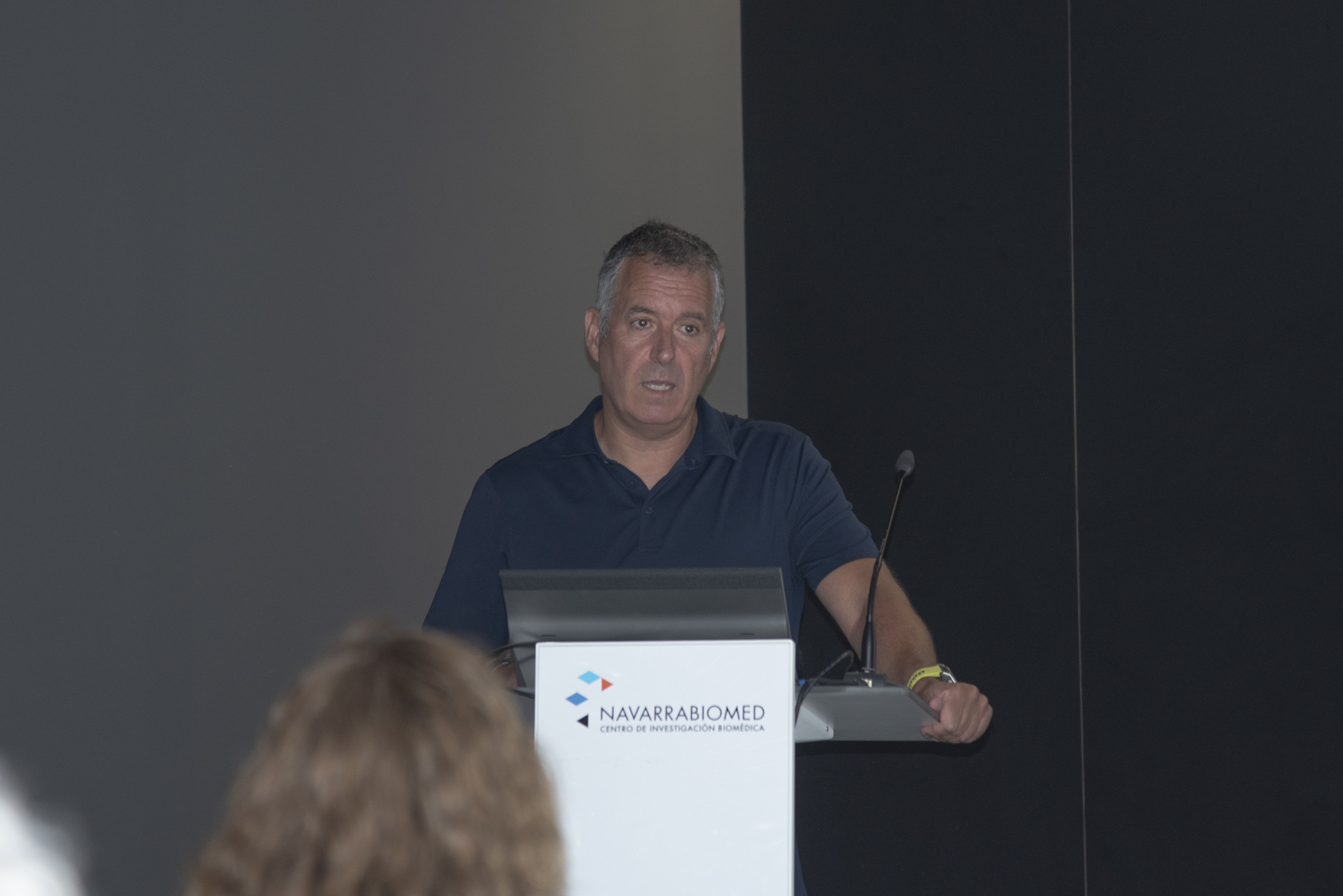
“We wanted to address a very clear need: helping heart failure patients exercise safely, effectively, and in a personalized way, with the goal of improving their functional capacity and quality of life,” explains Mikel Izquierdo, Principal Investigator of the project, Head of the Exercise, Health, Metabolism and Functional Capacity Unit at Navarrabiomed, and Professor in the Department of Health Sciences at the Public University of Navarra.
To achieve this objective, the project was structured around three pillars: the clinical validation of exercise, the study of its biological effects, and the development of technological tools to facilitate its integration into routine clinical practice. On the clinical side, a trial involving 150 patients from Navarra University Hospital was conducted. Participants completed a 12-week combined programme consisting of aerobic and strength-training exercises.
Clinical results and scientific advances
The project results confirm the potential of exercise as a clinical intervention. Patients participating in the programme showed significant improvements in muscle strength (20-30%), as well as enhanced functional capacity and exercise tolerance. The programme also achieved a high level of adherence, demonstrating its feasibility in real-world conditions.
At the same time, the project advanced understanding of the biological mechanisms associated with exercise. Researchers identified changes in proteins related to inflammation and metabolism, as well as differences in responses between men and women, incorporating a gender perspective throughout the study.
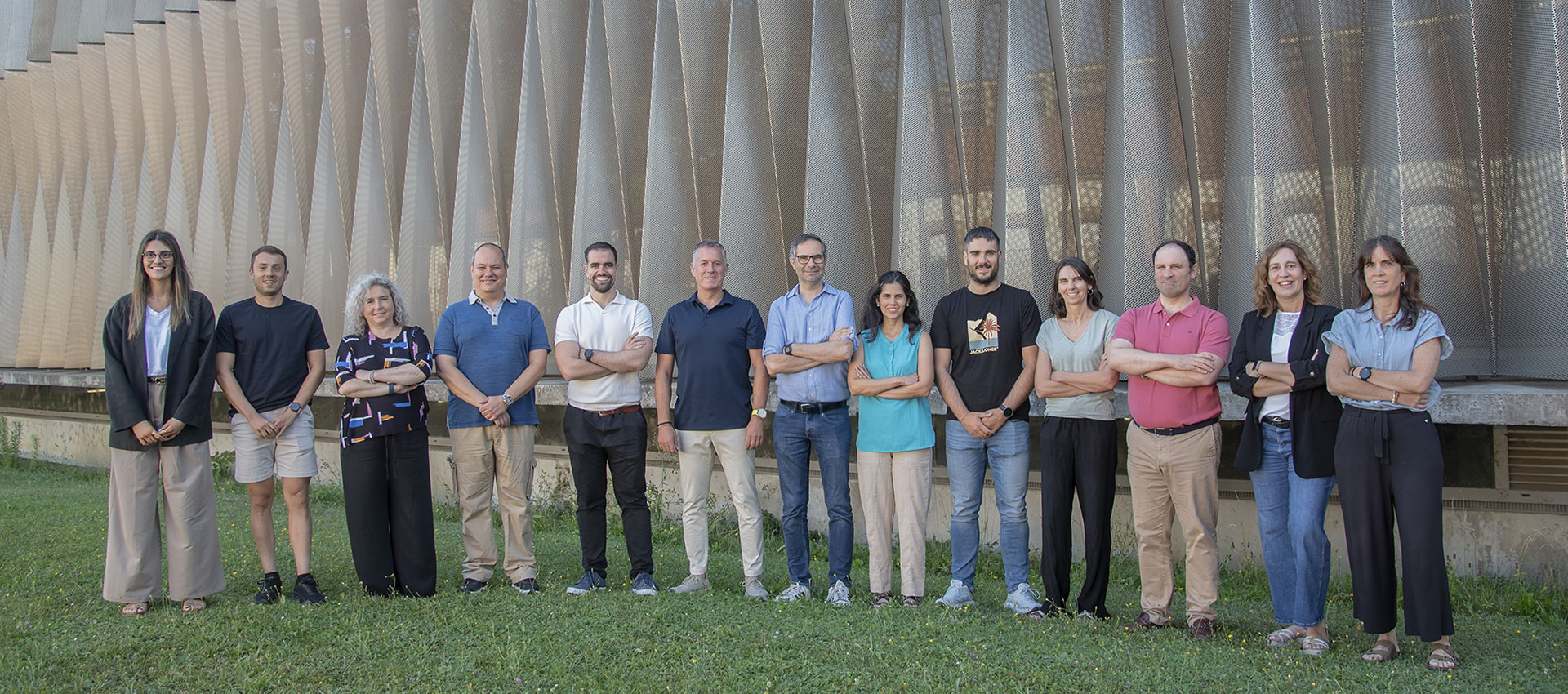
Coordinated by Navarrabiomed-Miguel Servet Foundation, the consortium included participation from Navarra University Hospital, CIMA University of Navarra, the technology centre NAITEC, the companies Lorpeland and 540, as well as ADItech, forming a multidisciplinary partnership that combines clinical and biomedical research with technological development. The project was co-funded by the European Regional Development Fund (ERDF) through Navarra’s ERDF 2021-2027 Programme, and by the Government of Navarra under the 2023-2026 Strategic R&D Projects Call.
Technology for remote monitoring
One of the distinguishing features of SENSORFIT-4HEART has been the development of technological solutions that enable exercise prescription and monitoring beyond the hospital setting.
The consortium developed a smart shirt with an integrated electrocardiogram (ECG) sensor, together with a mobile application and a digital platform capable of monitoring patients’ physiological status in real time and recording their progress throughout the training programme.
These tools pave the way for a more accessible and scalable healthcare model, allowing patients to carry out exercise programmes from home under remote clinical supervision.
A new model for managing heart failure
The project has demonstrated that combining personalized exercise prescription, digital monitoring, and biomedical knowledge can improve health outcomes for patients with heart failure.
“SENSORFIT-4HEART opens the door to a new clinical management model for heart failure, one that combines data-driven personalized exercise prescription, biomedical knowledge, and technology to improve people’s lives,” concludes Mikel Izquierdo.
Its results can directly benefit both patients and healthcare professionals, who now have access to stronger evidence and new tools for prescribing exercise safely and effectively. The project also strengthens Navarra’s health and technology ecosystem and lays the foundations for future implementation in cardiac rehabilitation programmes.
In the medium term, solutions of this kind could help reduce hospital admissions, improve quality of life, and optimize healthcare system resources.
With SENSORFIT-4HEART, Navarra reinforces its commitment to a personalized medicine model in which physical exercise, supported by technology and grounded in scientific evidence, is established as a key therapeutic intervention.