
Study on Bile Duct Cancer Detection Receives Award from the Spanish Association of Gastroenterology
The research on the molecular diagnosis of cholangiocarcinoma through liquid biopsy in bile was conducted by investigators from Navarra University Hospital (HUN), CIMA, and Navarrabiomed through IdiSNA.
The study “Liquid Biopsy in Bile: A New Tool for the Molecular Diagnosis of Cholangiocarcinoma with Biliary Stricture,” presented by Dr. Jesús Urman of the Digestive Diseases Department at Navarra University Hospital (HUN), received the award for Best Basic Science Communication at the 29th National Meeting of the Spanish Association of Gastroenterology, recently held in Madrid.
The research was made possible through the multidisciplinary collaboration of investigators from HUN, CIMA (affiliated with CIBERehd), and Navarrabiomed, within the framework of the Navarra Institute for Health Research (IdiSNA).
The study describes the experience developed at Navarra University Hospital in the molecular diagnosis of bile duct cancer, or cholangiocarcinoma, using bile, a fluid produced in the liver and transported to the duodenum through the bile ducts. Cholangiocarcinoma is a highly lethal malignant tumor, partly due to its limited response to currently available chemotherapy and immunotherapy treatments.
Molecular profiling of tumor tissue is recommended to identify genetic alterations that may serve as therapeutic targets or actionable mutations, enabling the use of targeted therapies and advancing a Precision Medicine approach. Such treatments have the potential to improve outcomes for patients with cholangiocarcinoma.
The study’s findings demonstrate that molecular analysis of bile is more informative than tumor tissue analysis for identifying the mutations present in individual tumors.
Cholangiocarcinoma can cause a narrowing or biliary stricture, leading to the development of jaundice (yellowing of the skin and mucous membranes) due to bile stagnation. As a result, bile becomes enriched with tumor-derived products. In these cases, bile drainage is required through the placement of a biliary stent using a procedure known as endoscopic retrograde cholangiopancreatography (ERCP).
The researchers’ approach involved performing molecular analysis of this retained bile using next-generation sequencing (NGS) technologies. Collecting the stagnant bile through aspiration is a simple, quick procedure that does not pose any additional risk to the patient.
Advantages for Mutation Detection and Targeted Therapy Selection
The study included 25 patients with cholangiocarcinoma and biliary stricture who underwent ERCP at HUN, representing the largest paired bile-tissue sample series reported to date.
Analysis of bile detected mutations in 100% of cases, compared with 84% through tumor tissue analysis. Furthermore, bile analysis identified 91% of all detected mutations, nearly twice the proportion identified through tissue analysis (48%). Most notably, NGS analysis of bile enabled the identification of seven patients (28%) carrying actionable mutations or therapeutic targets, whereas no patients (0%) were identified through tissue analysis alone. This means that bile analysis identified seven patients who could potentially benefit from targeted therapies and who would otherwise not have been recognized if only tissue samples had been analyzed.
The authors propose conducting a future national and international multicenter study to validate these findings, with the ultimate goal of implementing this approach in routine clinical practice.
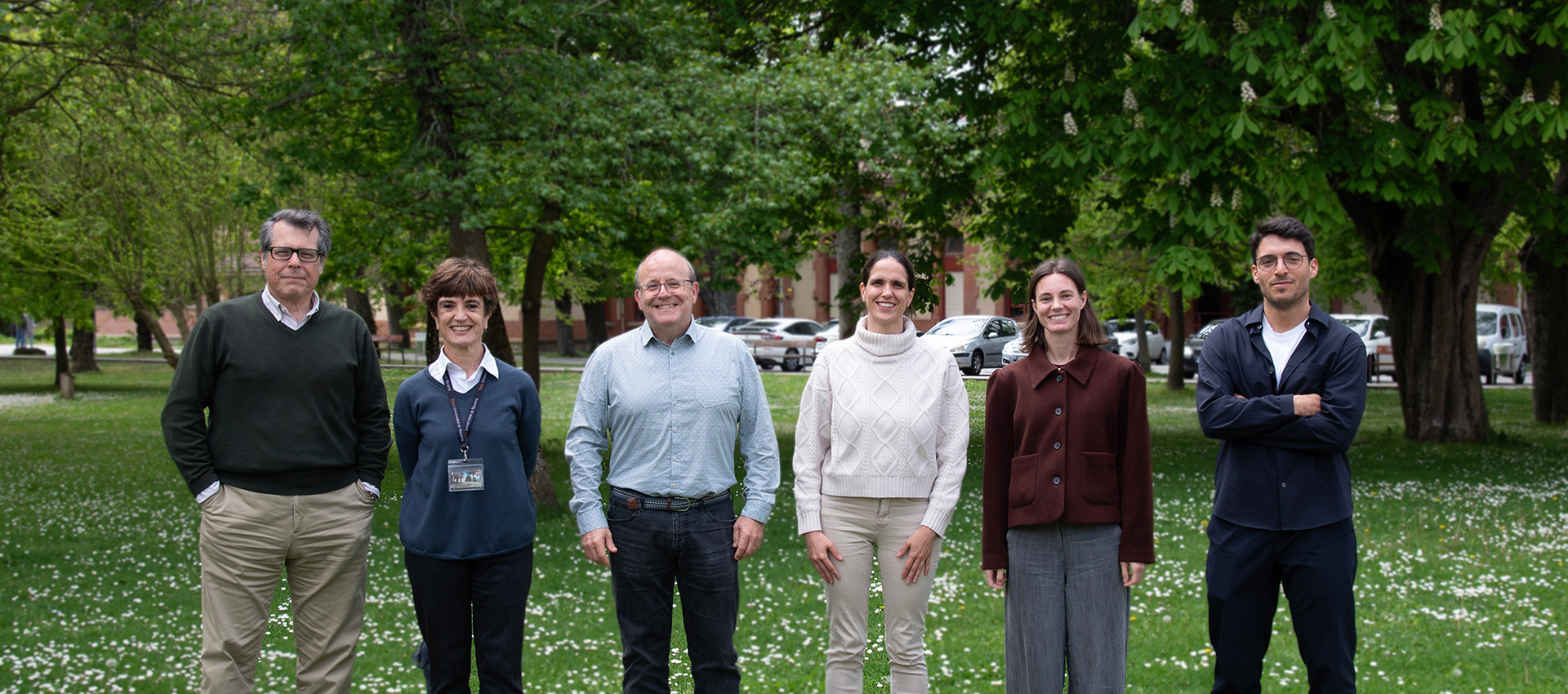
Among the co-authors of the study are Jesús Urman, María Rullán, and Juan José Vila from HUN; Daniel Oyón from Reina Sofía Hospital (HRS); Matías Ávila, Carmen Berasáin, and María Arechederra from CIMA; and Javier Rández-Garbayo, David Guerrero-Setas, and Ana Purroy from Navarrabiomed.