
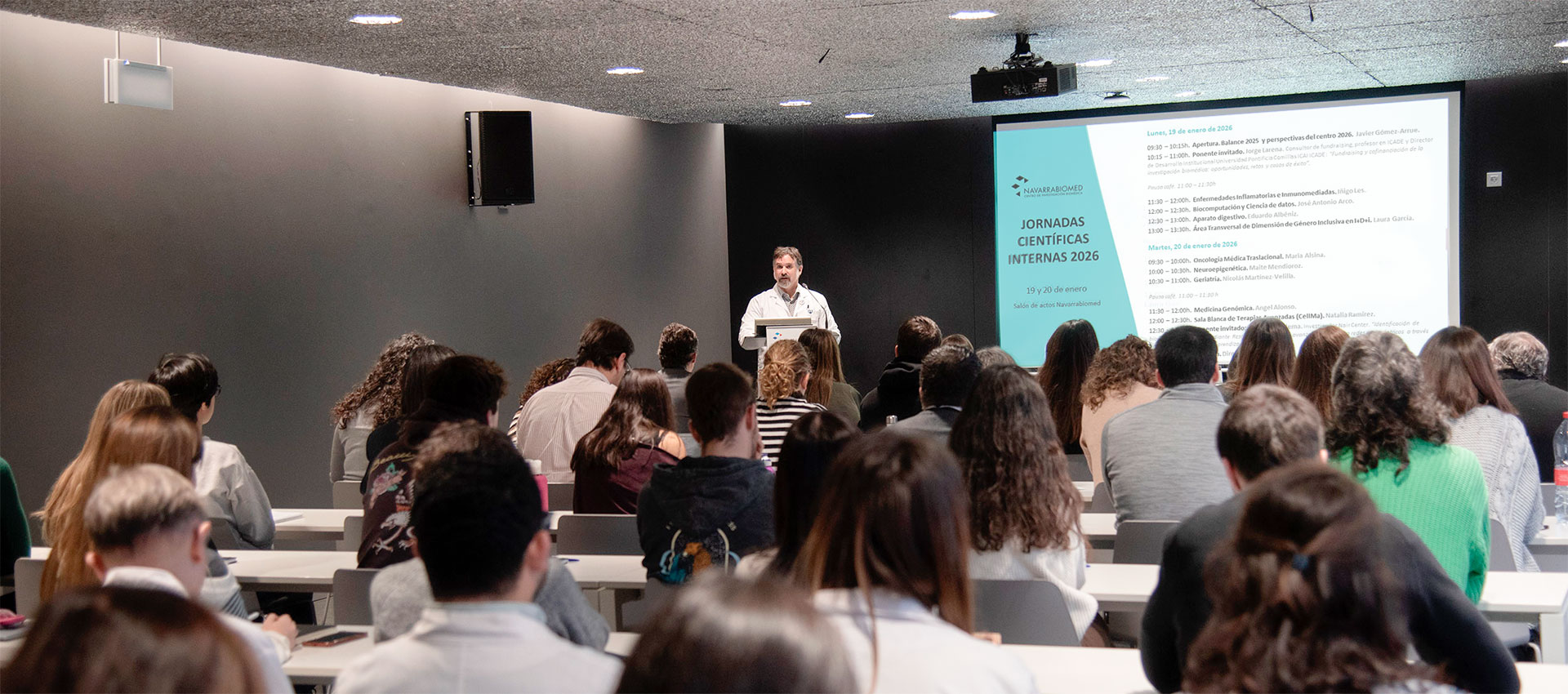
Navarrabiomed Brings Together Its Entire Team at the 2026 Internal Scientific Conference
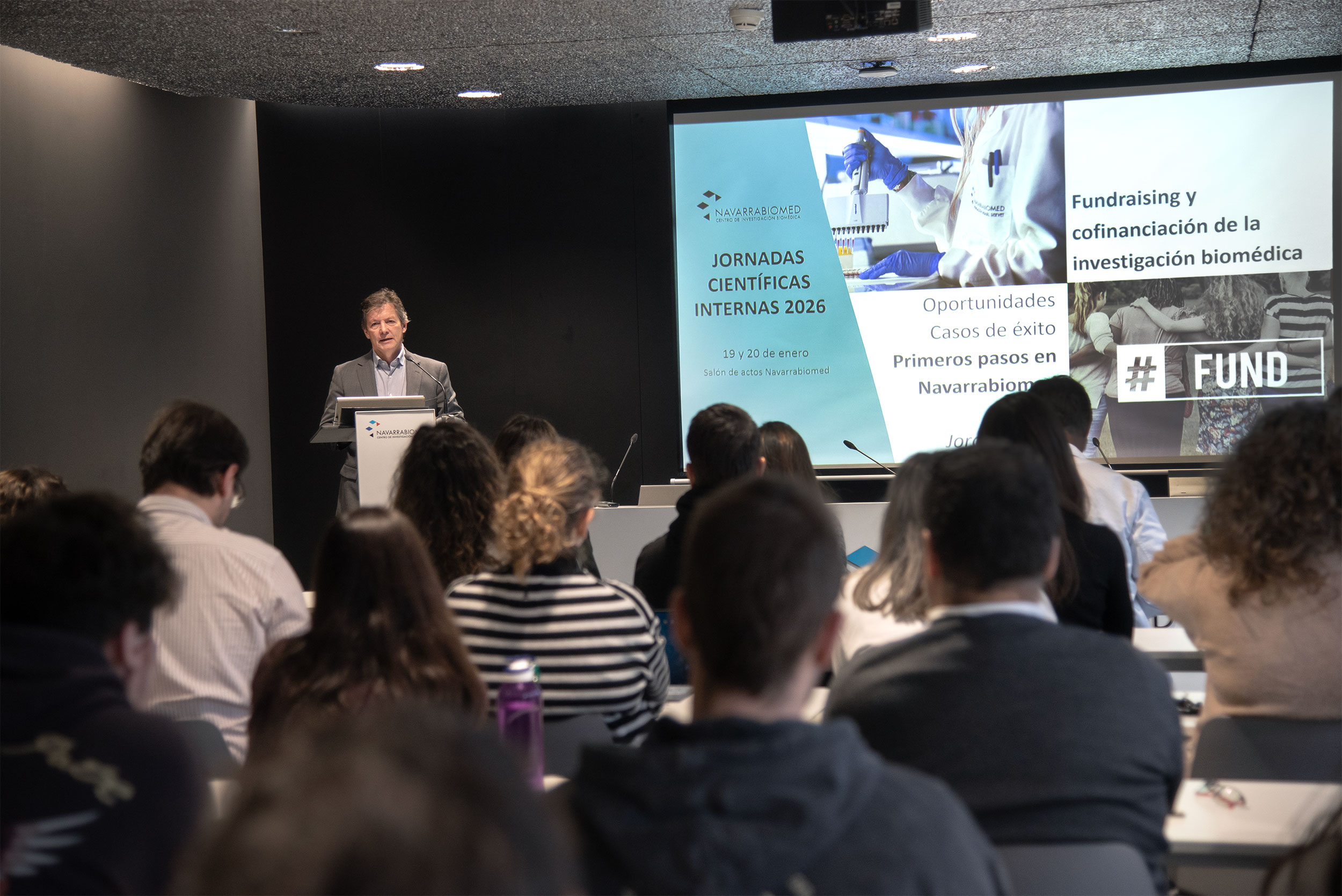
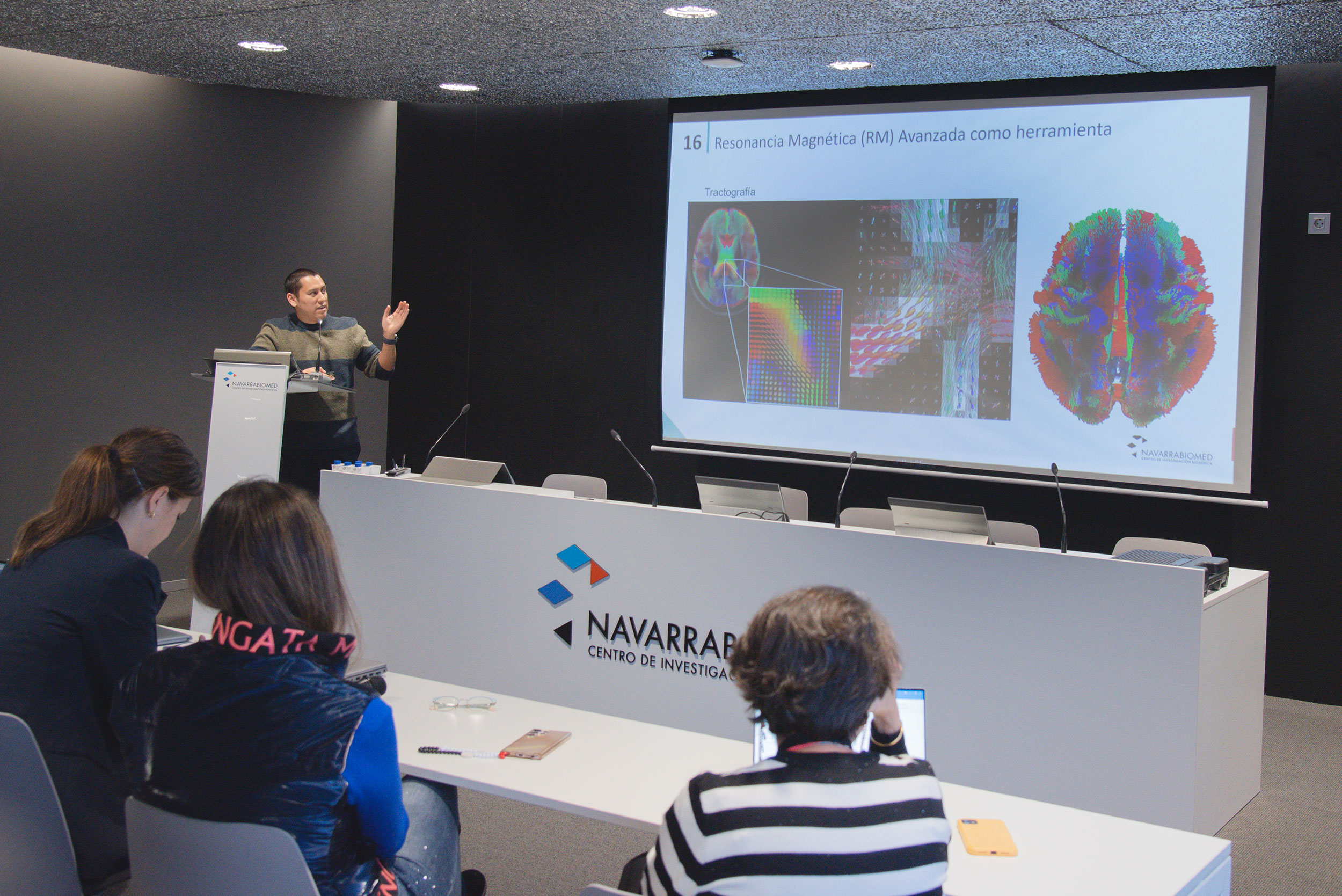
- The event featured two invited external speakers: Jorge Larena and Juan Quizhpilema.
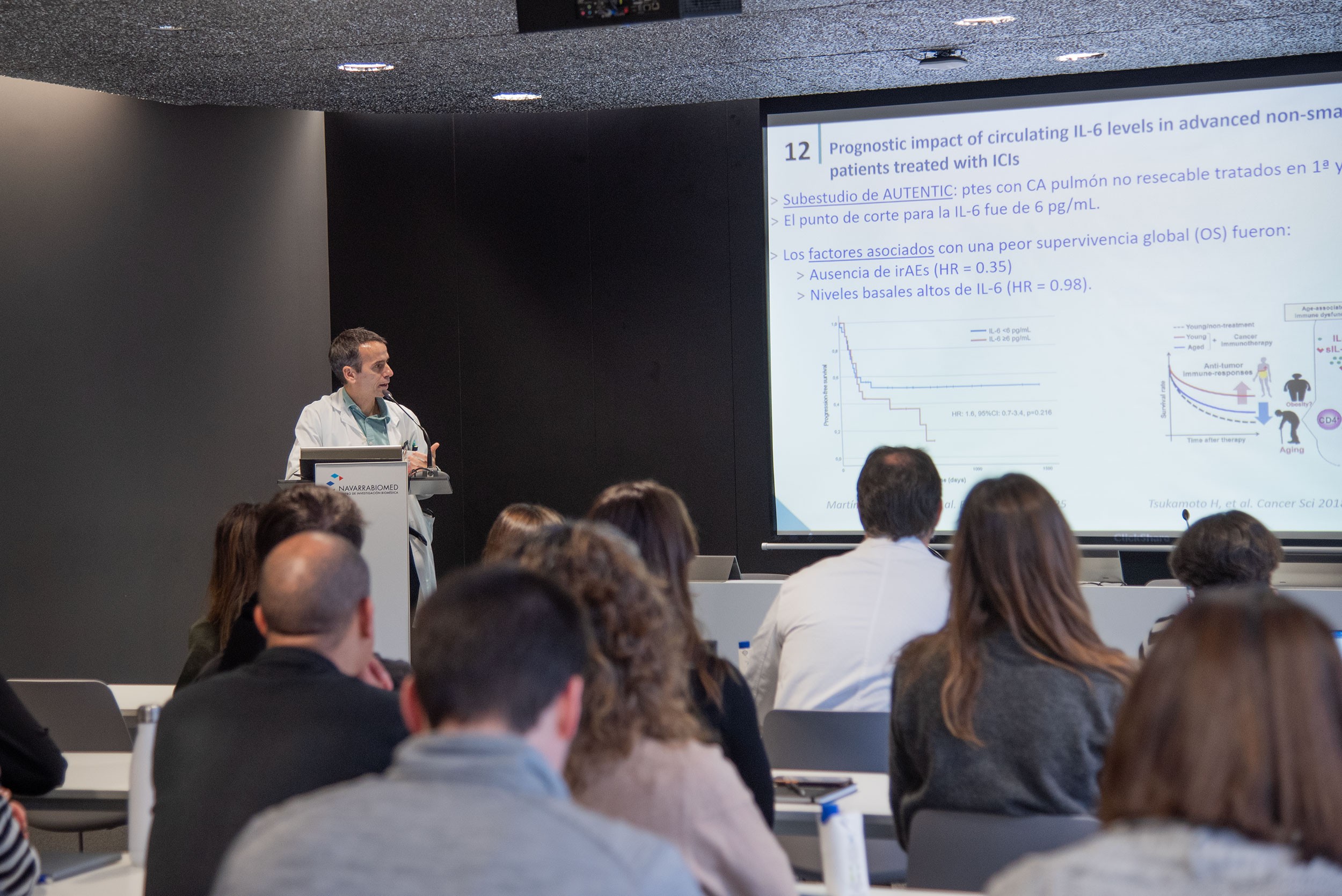
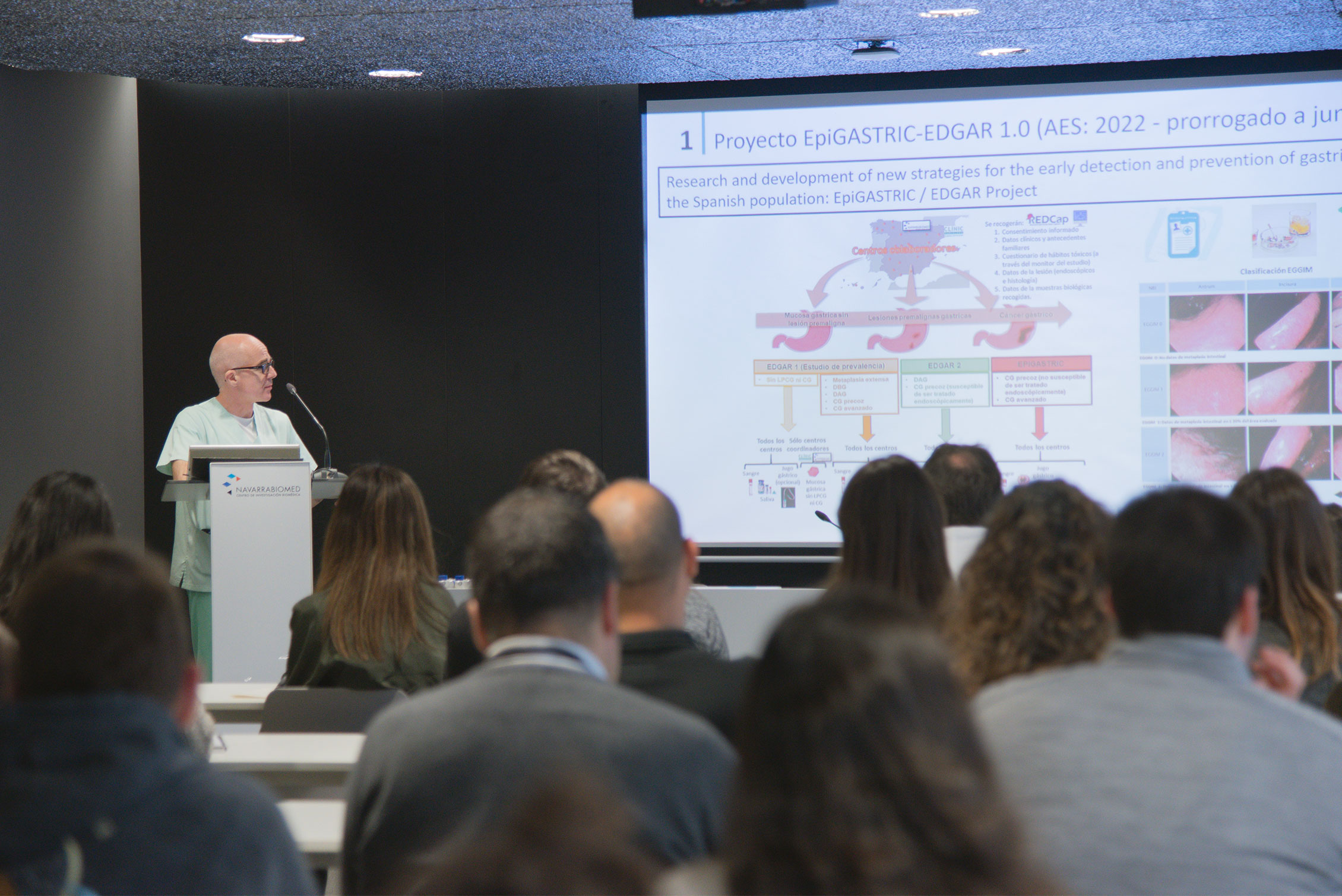
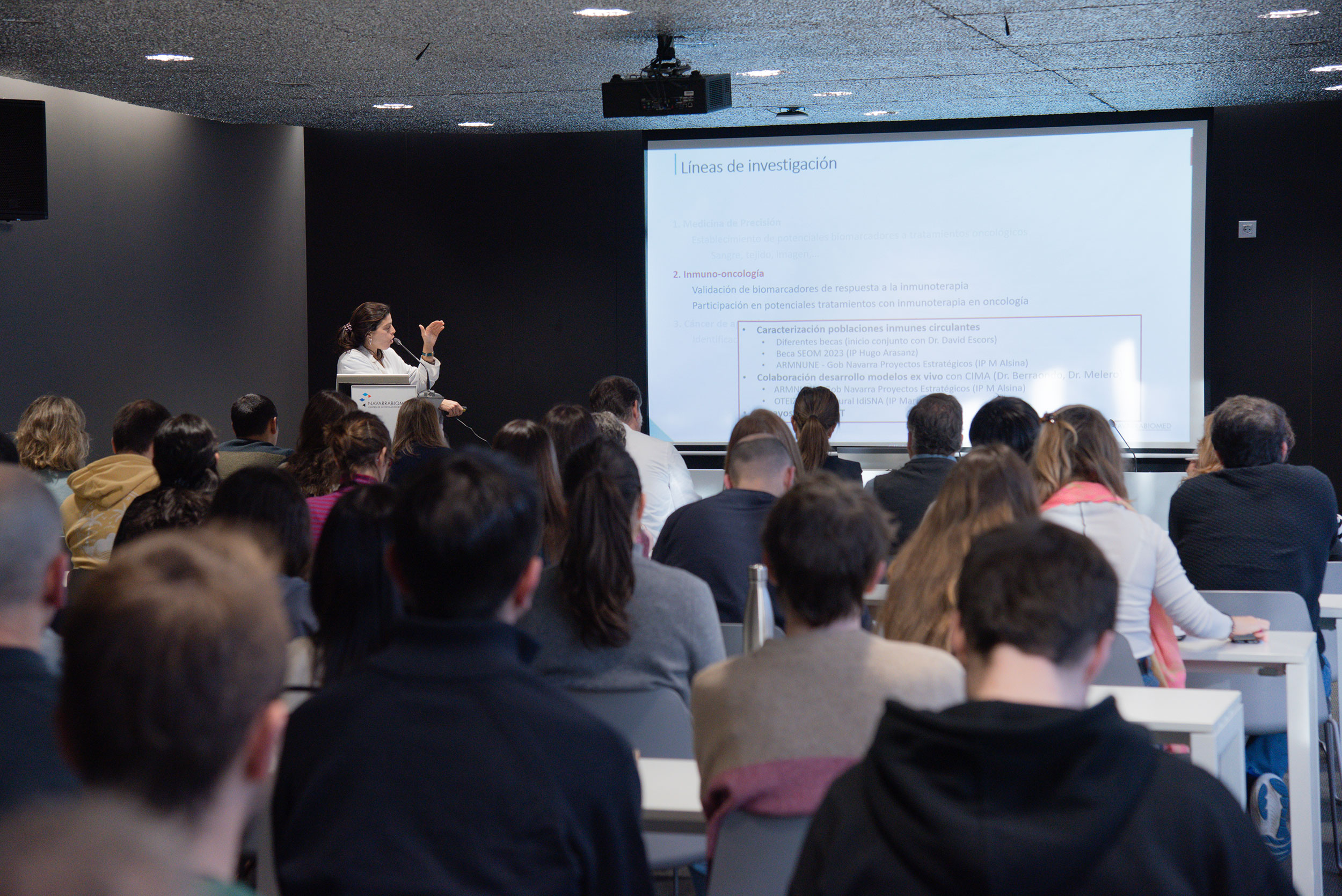
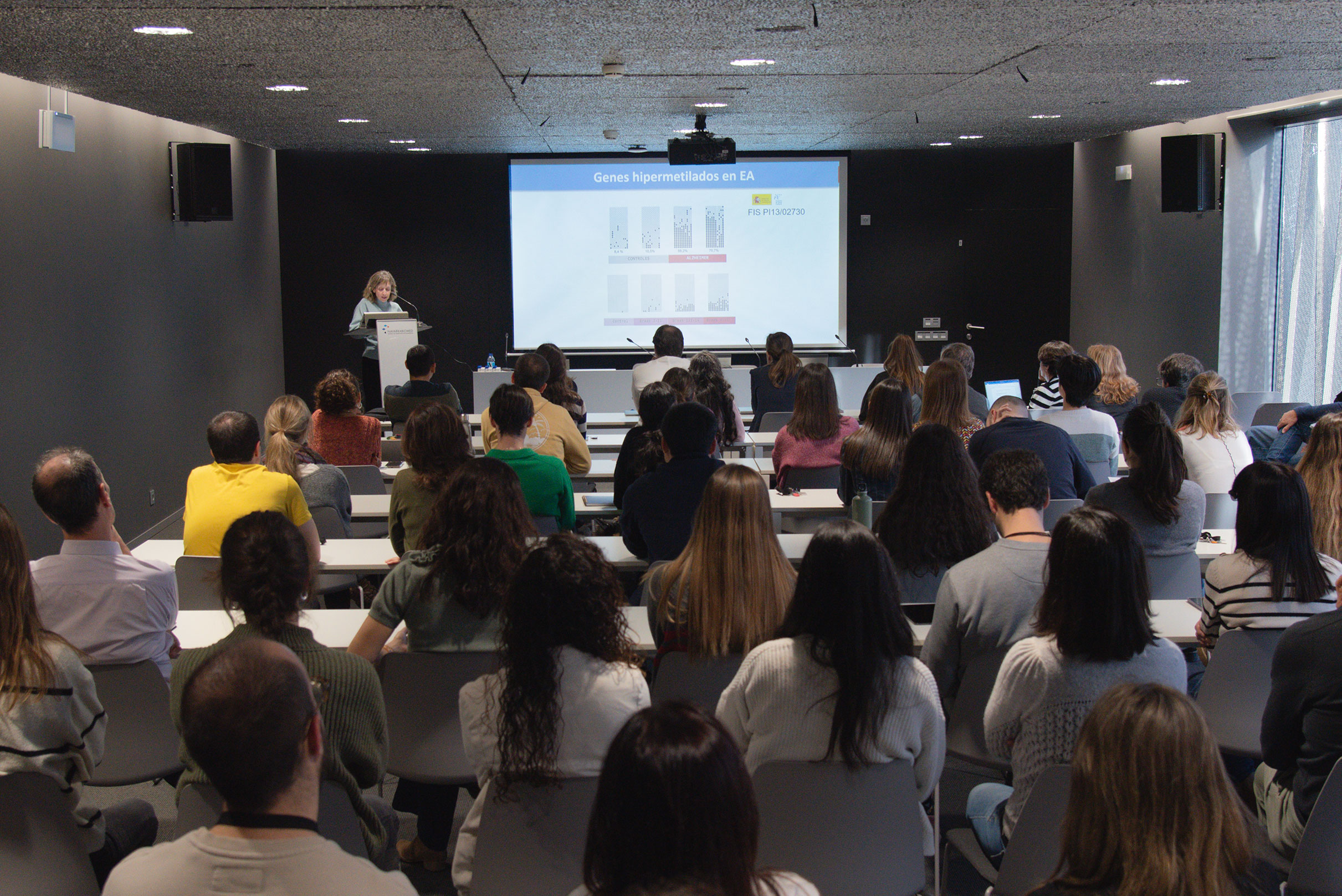
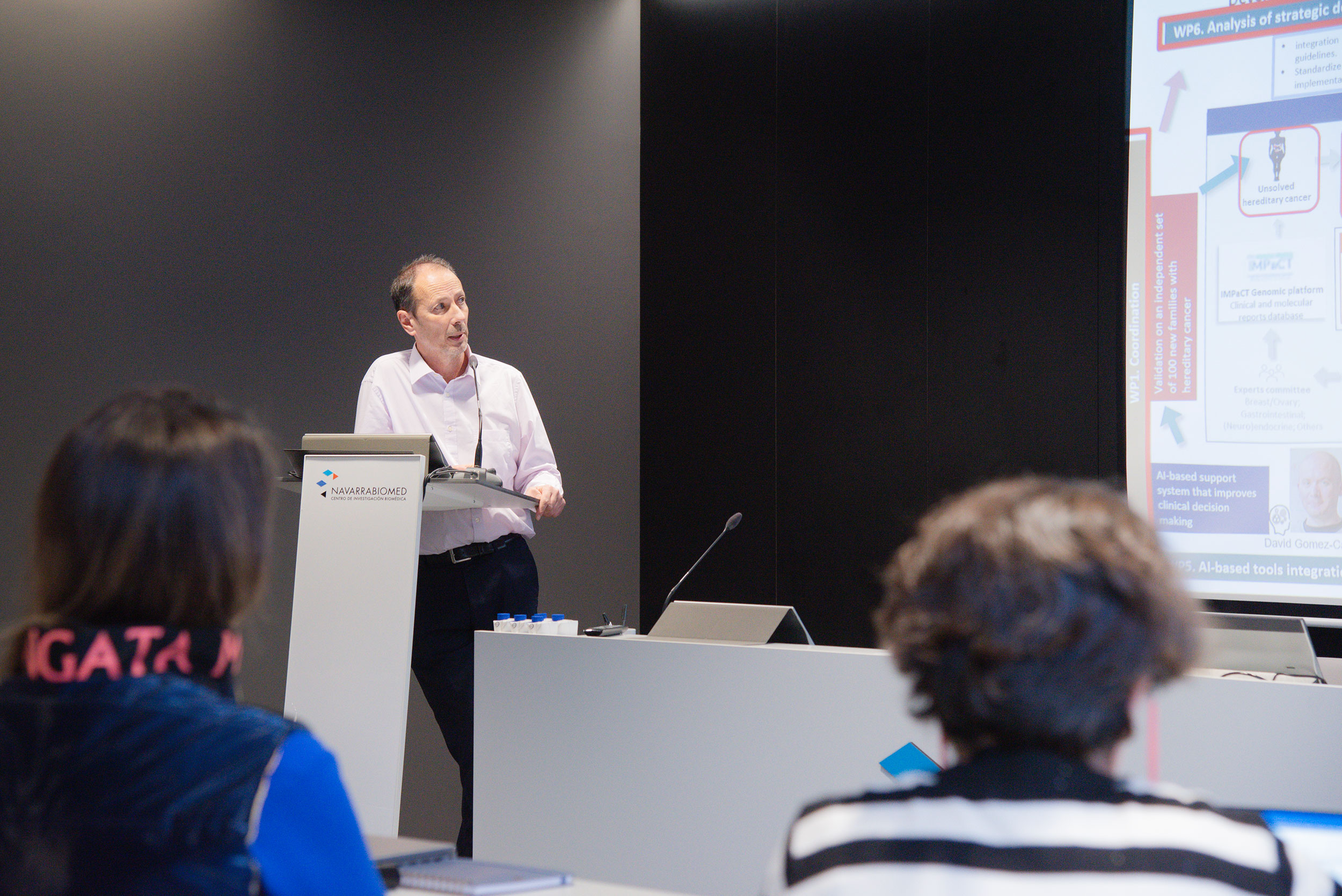
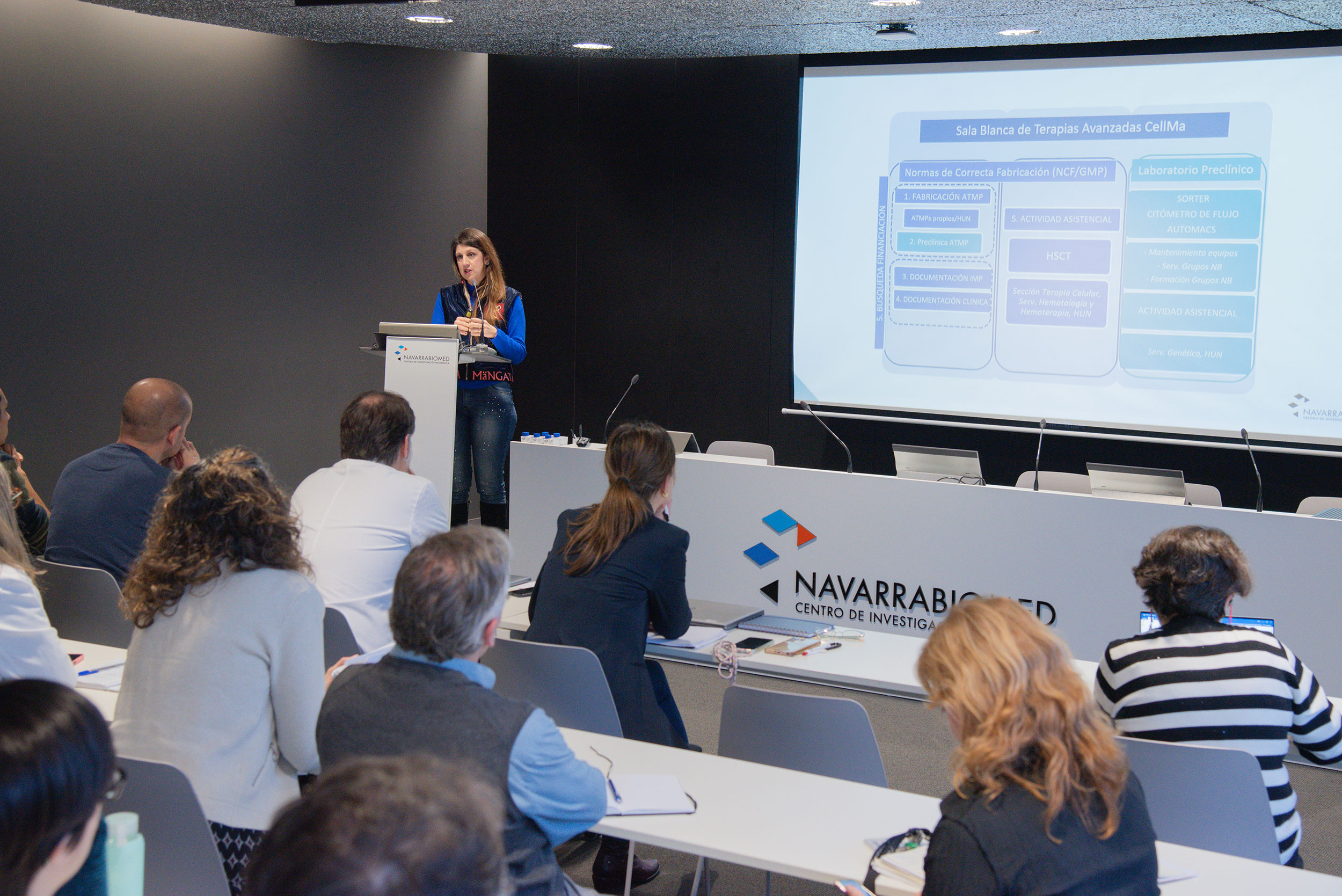
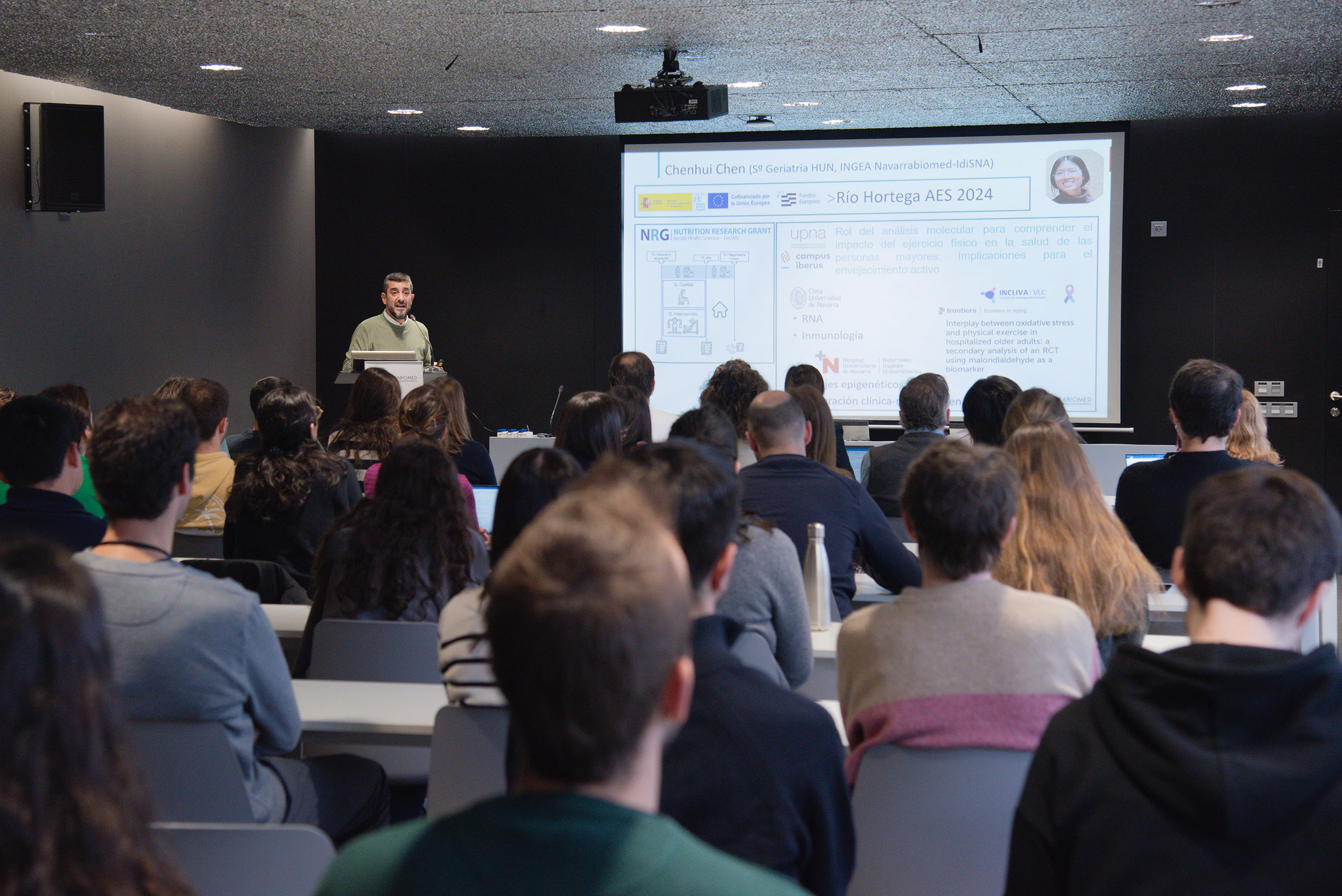
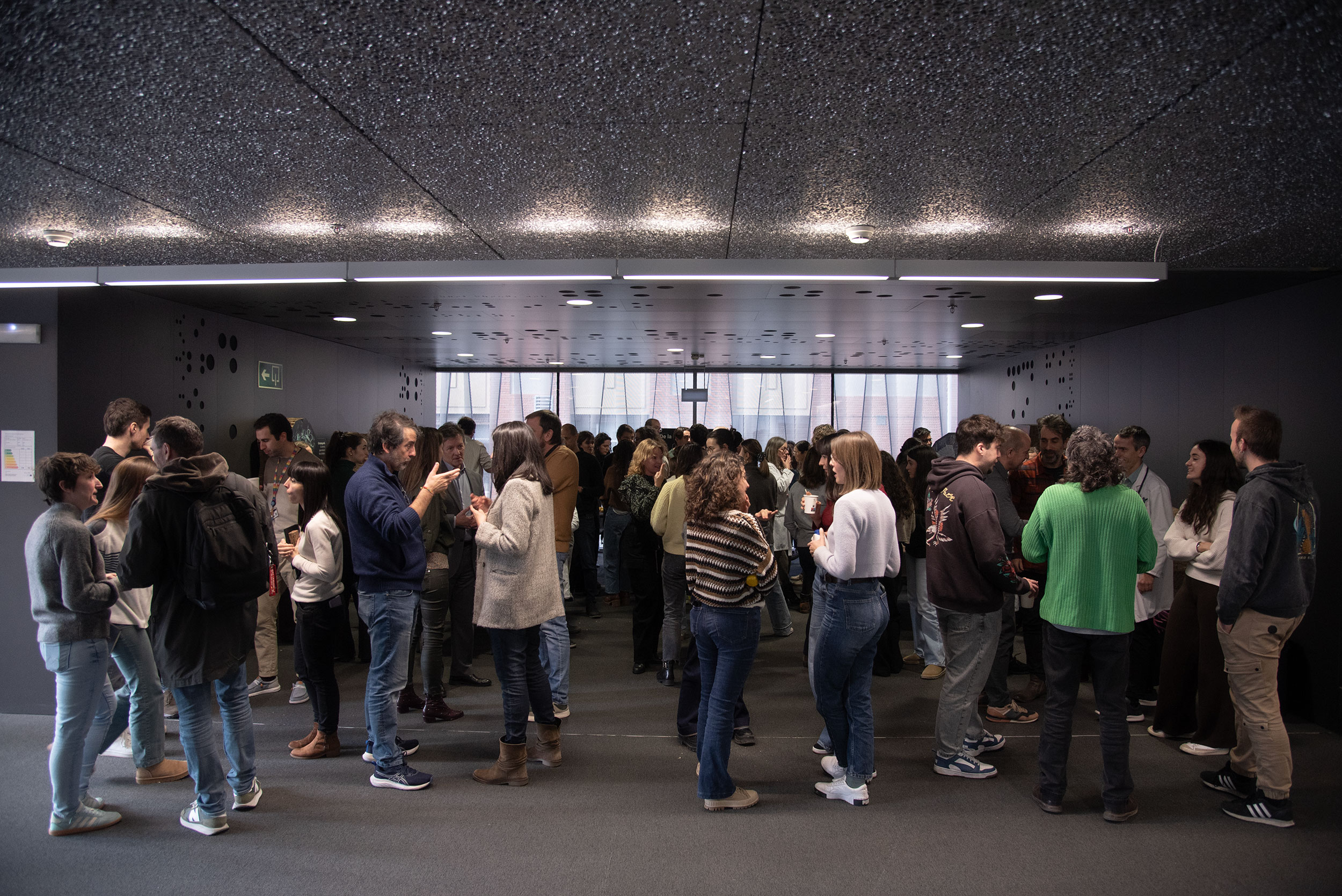
The Navarrabiomed team came together at the 2026 Internal Scientific Conference to learn about the strategic priorities established by the Institute’s management for the coming twelve months, as well as the most notable activities and new projects being developed by its research units and scientific-technical services.
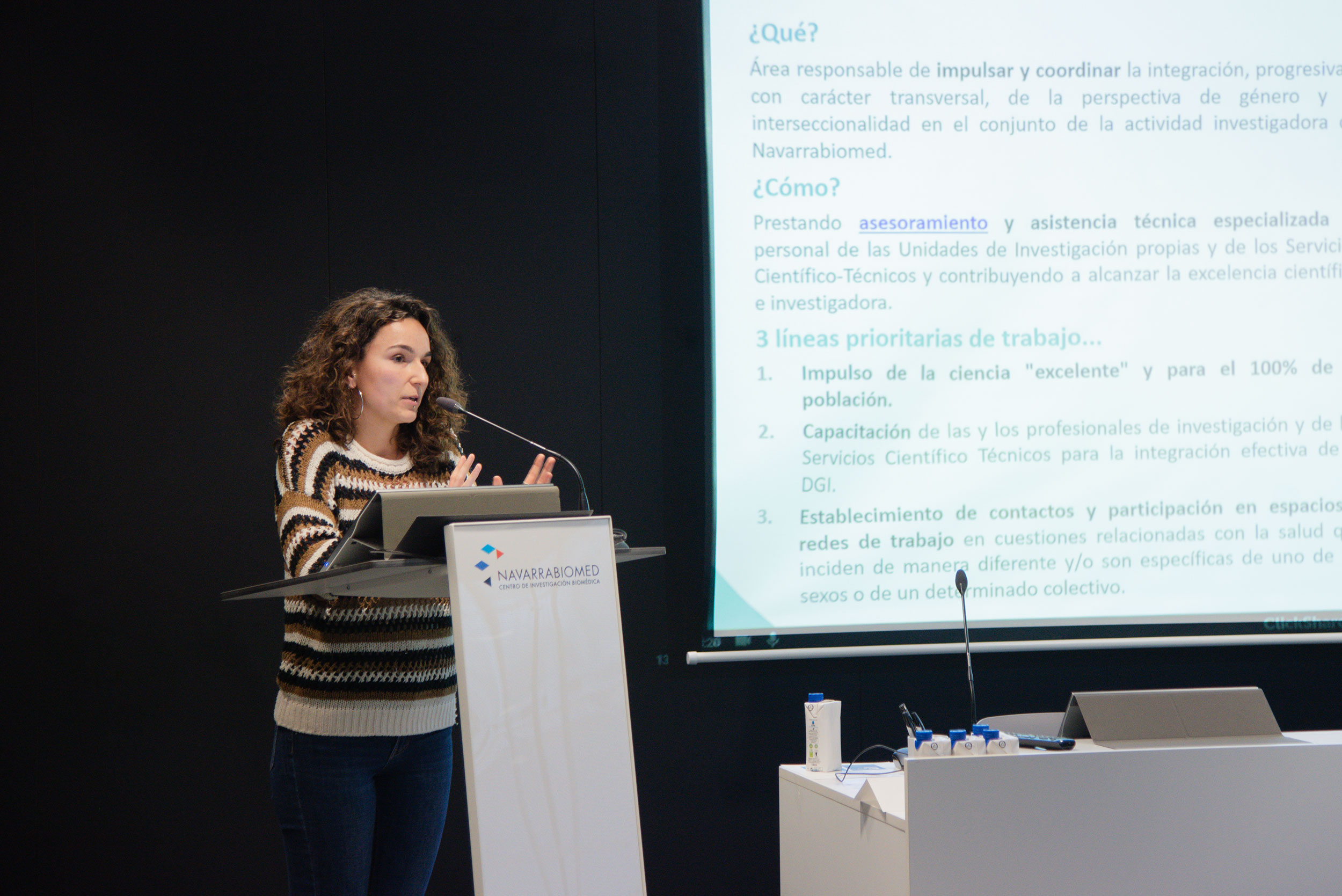
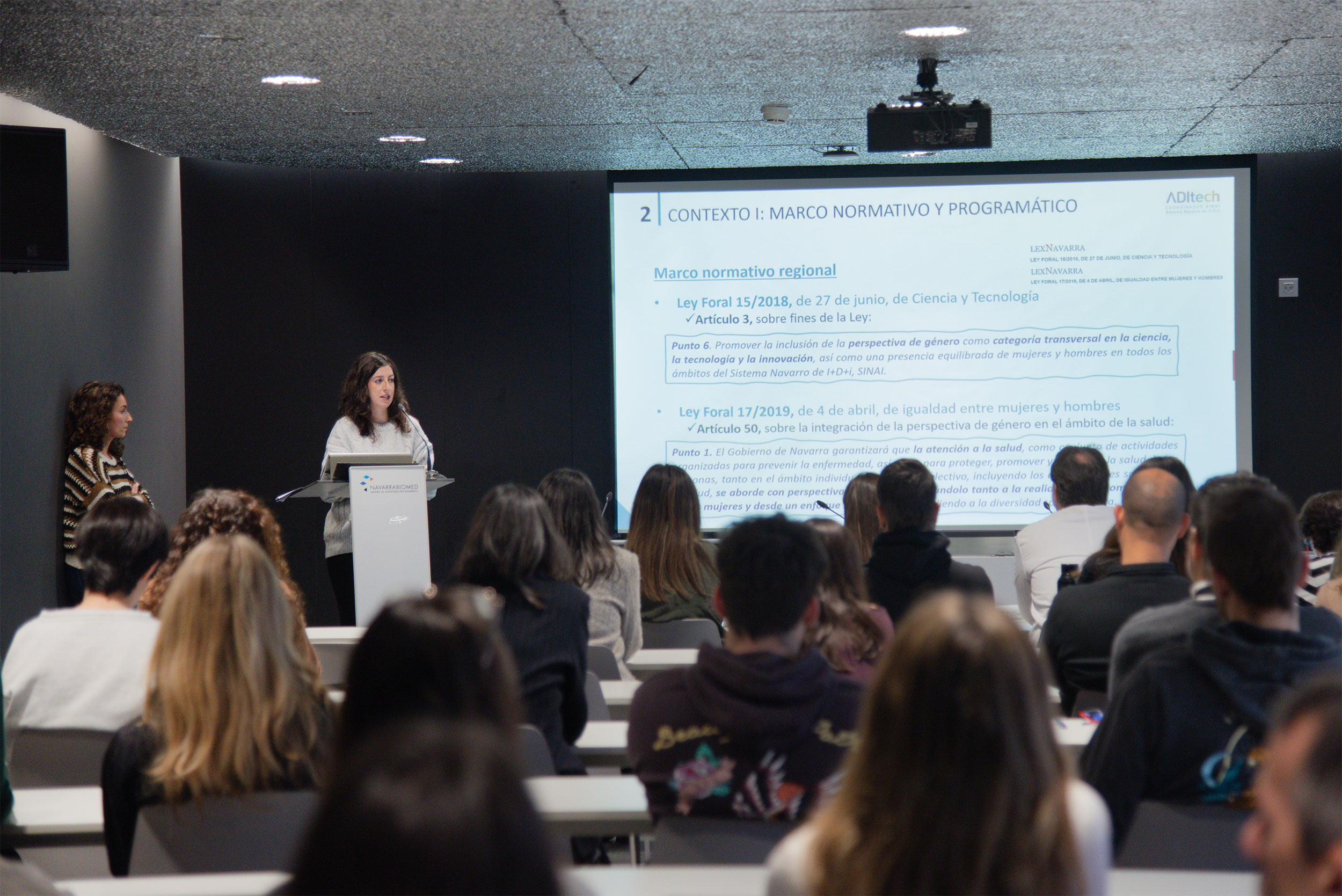
Over the course of the two-day event, presentations were delivered by Principal Investigators Iñigo Les, Eduardo Albéniz, Maria Alsina, Maite Mendioroz, Nicolás Martínez-Velilla, and Ángel Alonso, as well as by the heads of the Scientific and Technical Services (STSs), José Arco and Natalia Ramírez. Time was also dedicated to discussing Navarrabiomed’s strategy for implementing gender-inclusive research practices, in a session led by Laura García, with the participation of Maitane Bermúdez from ADItech, coordinator of the SINAI network.
Guest Speakers
The session held on Monday, January 19, featured invited speaker Jorge Larena, a fundraising consultant for research centers, hospitals, and foundations, Professor at ICADE, and Director of Institutional Development at Comillas Pontifical University ICAI-ICADE. During his presentation, he provided an overview of the opportunities and challenges associated with non-competitive fundraising in the field of biomedical research, highlighting successful national and international case studies.
The invited speaker for the second day was Juan Quizhpilema, researcher and technician at NAIR Center. In his presentation, he shared the results of a study focused on the identification of neuroimaging biomarkers in Amyotrophic Lateral Sclerosis (ALS) through a multimodal advanced magnetic resonance imaging approach.
The findings presented demonstrated the superiority of Diffusion Kurtosis Imaging (DKI) and parallel transport tractography over conventional methods for quantifying microstructural degeneration. To address the limitations associated with small sample sizes, the study proposes a Federated Learning architecture. This model uses validated biomarkers as feature selectors to train artificial intelligence algorithms across multicenter networks, enabling robust global clinical validation of findings while preserving patient data privacy.