
INNOLFACT 2.0 consolidates the olfactory-immune-brain axis to transform the diagnosis and treatment of neurodegenerative diseases
- Navarrabiomed has led this initiative, which promotes brain immunomodulation strategies to preserve and improve cognitive and motor functions
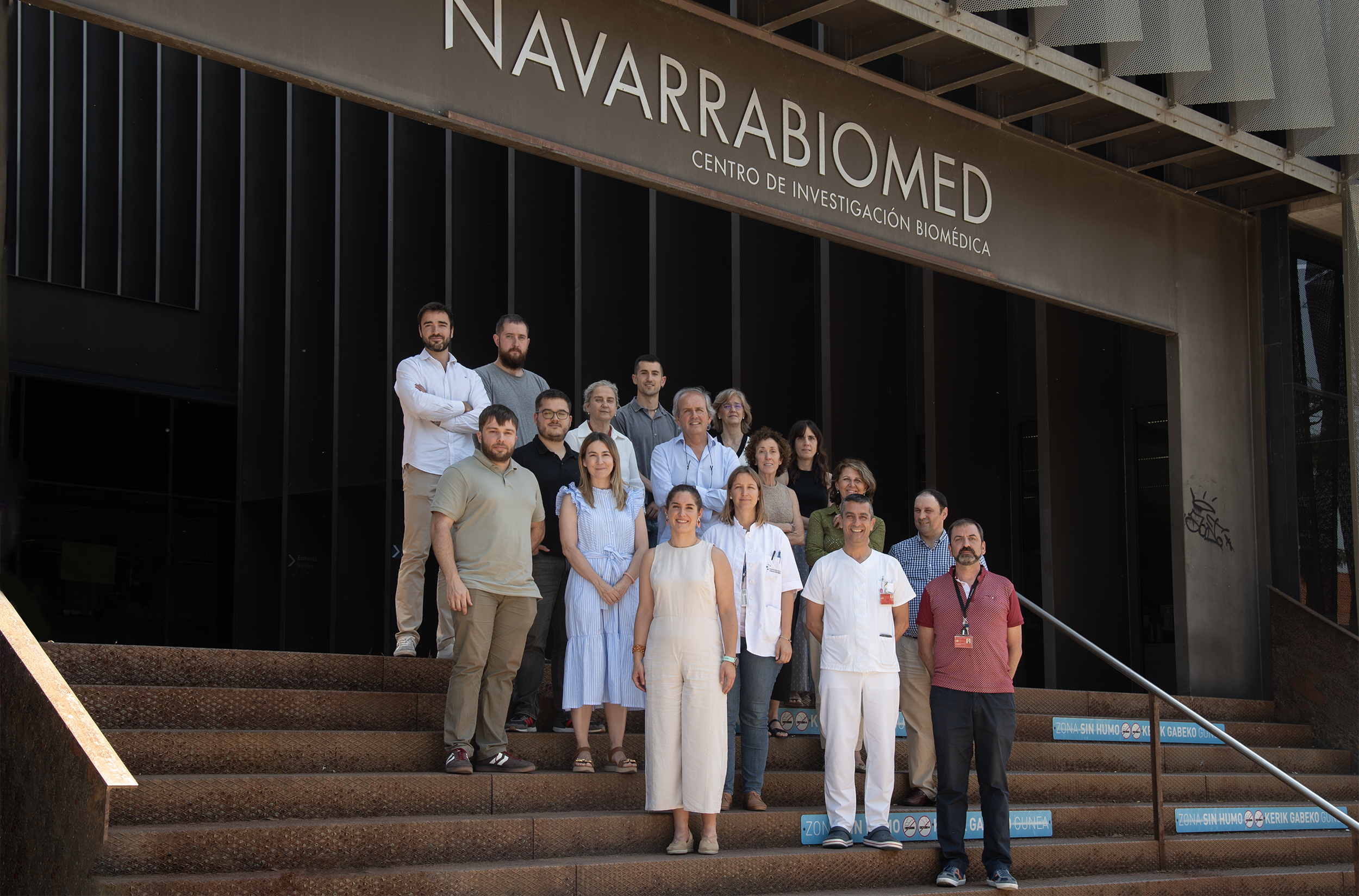
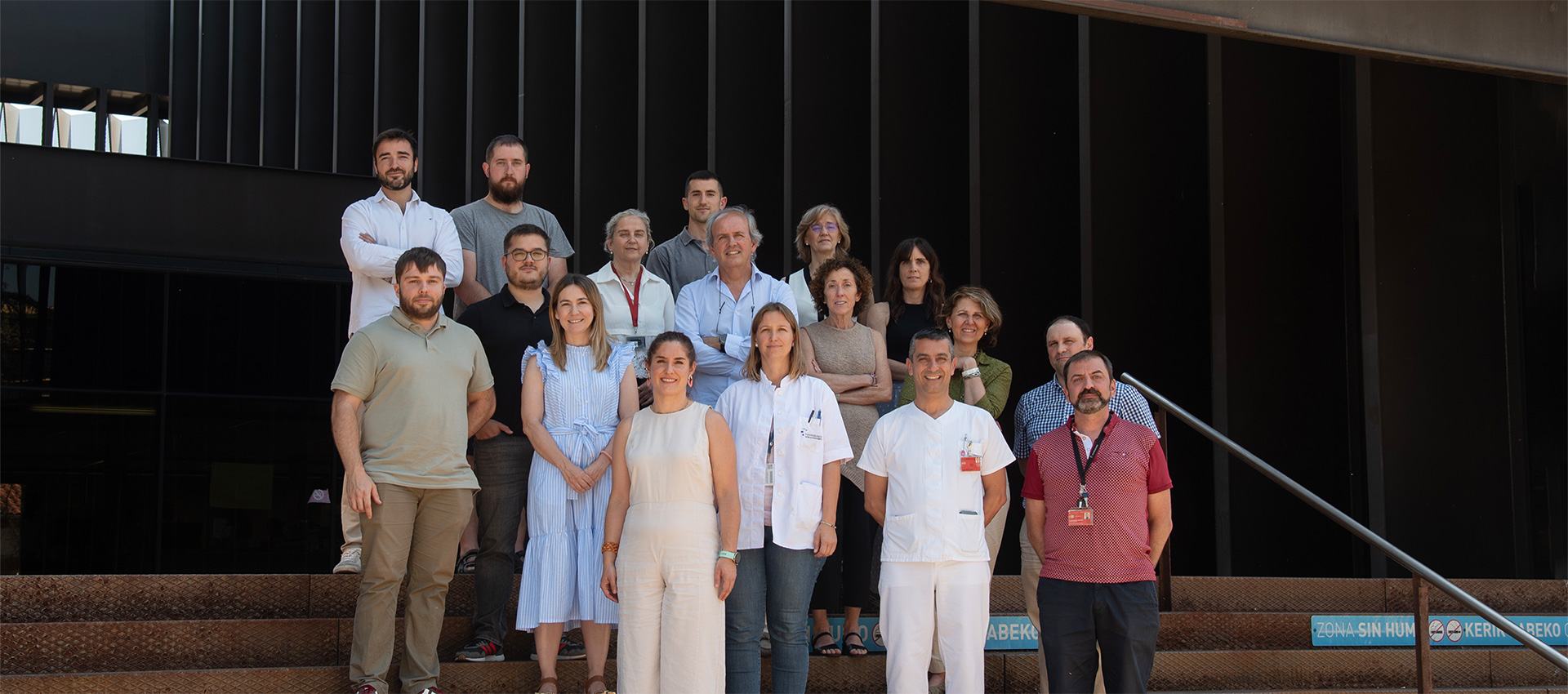
The INNOLFACT 2.0 project, led by Navarrabiomed and carried out by the Navarra University Hospital (HUN), CIMA, the University of Navarra, ADItech Foundation, and the companies Eversens and NNBI 2020, has concluded with highly significant results in the field of precision medicine applied to neurodegenerative diseases. The Department of Industry and of Ecological and Digital Business Transition awarded €1.6 million in funding through the 2023-2026 Strategic Projects Call for the second phase of INNOLFACT, enabling the consolidation of an innovative approach that connects the olfactory system, the immune system, and cognition.
INNOLFACT 2.0, led by Enrique Santamaría, Principal Investigator of the Clinical Neuroproteomics Unit at Navarrabiomed, and Ana María García-Osta, Co-Principal Investigator of the project and researcher in the Neurological Disease Gene Therapy Program at CIMA University of Navarra, has consolidated a translational research model focused on the olfactory-immune-brain axis, with direct applications in neurodegenerative diseases such as Alzheimer’s disease and Parkinson’s disease. Developed by a multidisciplinary consortium, INNOLFACT 2.0 has promoted the implementation of Olfactory Precision Medicine, an innovative approach that positions the olfactory system as a key tool both for the early diagnosis of neurodegenerative diseases and for the development of new therapeutic strategies.
The INNOLFACT 2.0 project is co-funded by the European Regional Development Fund (ERDF) through Navarra’s ERDF 2021-2027 Programme, and by the Government of Navarra under the 2023-2026 Strategic R&D Projects Call, with total funding of €1.6 million. The project has been part of the SIBERIA Challenge, which focuses on finding innovative biotechnology solutions. Since 2019, the Department of Industry and of Ecological and Digital Business Transition has already funded 13 projects in this field.
The project has achieved its scientific and collaborative objectives, demonstrating a clear interaction between the olfactory, immune, and cognitive systems, and establishing a solid framework for future initiatives in the field of neurodegeneration. Through INNOLFACT 2.0, Navarra reaffirms its commitment to research excellence and advances towards a model in which the olfactory pathway becomes a relevant tool for anticipating and understanding the progression of complex diseases.
Olfaction as a biomarker and intervention pathway
The project has highlighted the value of olfaction as an early indicator of neurodegeneration, as well as its close relationship with immune processes involved in the progression of neurodegenerative diseases. In this context, INNOLFACT 2.0 has generated new knowledge on the mechanisms linking olfactory function with the immune response and the central nervous system. The project has advanced the identification of olfactory, immunological, and molecular biomarkers associated with Alzheimer’s and Parkinson’s diseases, while also developing intranasal delivery systems for repurposed drugs that have successfully passed the initial validation stages in animal models.
Furthermore, the project has enabled the integration of clinical, sensory, and omics data to improve patient stratification and early diagnosis, incorporating artificial intelligence and machine learning tools to support disease prediction and classification in clinical settings.
Therapeutic innovation: from diagnosis to intervention
One of the most distinctive aspects of the project has been its exploration of the olfactory system not only as a diagnostic tool but also as a potential therapeutic route. In this regard, INNOLFACT 2.0 has laid the groundwork for the development of intranasal therapies targeting the central nervous system, taking advantage of the direct connection between the olfactory pathway and the brain.
In addition, the project has promoted the study of brain immunomodulation strategies aimed at preserving or improving cognitive and motor functions, as well as the application of olfactory training as a potential sensory intervention tool with clinical impact.
A high-level multidisciplinary consortium
INNOLFACT 2.0 has consolidated a collaborative ecosystem that integrates biomedical research, clinical practice, and technological development. This ecosystem is structured around a consortium bringing together the capabilities of Navarrabiomed, the Navarra University Hospital, the University of Navarra Clinic, CIMA, and the University of Navarra, with expertise in proteomics, geriatrics, neurology, otorhinolaryngology, neurobiology, immunology, bioinformatics, engineering, and data analysis.
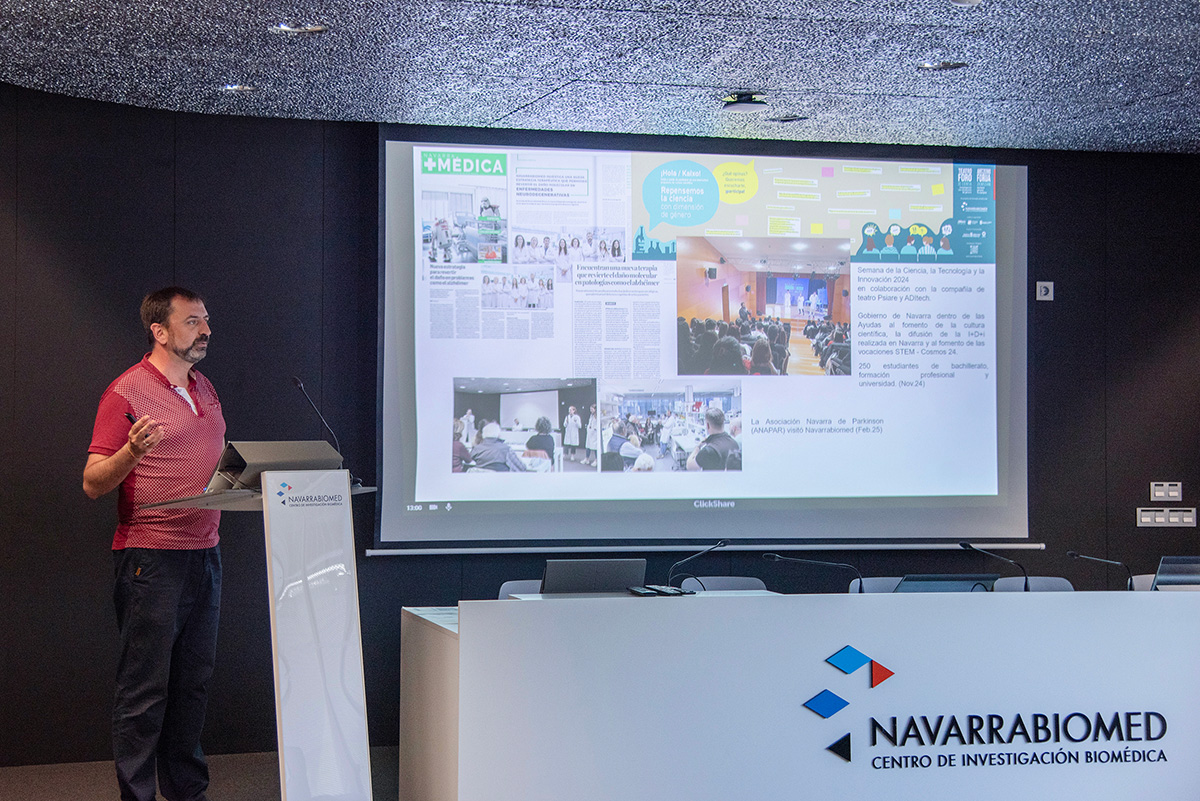
The project also includes a strong knowledge-transfer component through the participation of the Navarre-based companies NNBi, focused on predictive algorithm development and healthcare digitalization, and Eversens, which specializes in the development of non-invasive medical devices for monitoring biomarkers in exhaled breath. Furthermore, with the methodological support of ADItech, coordinator of the Navarra R&D&I System (SINAI), a gender perspective has been integrated throughout all stages of the project, following evidence of sex-related differences in neurodegenerative diseases.
In line with the vision set out by the project, INNOLFACT 2.0 lays the foundations for further integrating olfaction into the clinical management of neurodegenerative diseases and aging, with the goal of improving early detection and exploring new therapeutic approaches focused on maintaining the proper functioning of the olfactory-immune-brain axis.