The European T·IA·KI Project Brings Together Professionals, Associations and Families in Pamplona to Promote New Ways of Supporting Caregivers
- The event, opened by the Director General of Health of the Government of Navarra, provided an opportunity to discuss the challenges of caregiving and to present the actions that will be implemented in Navarra.
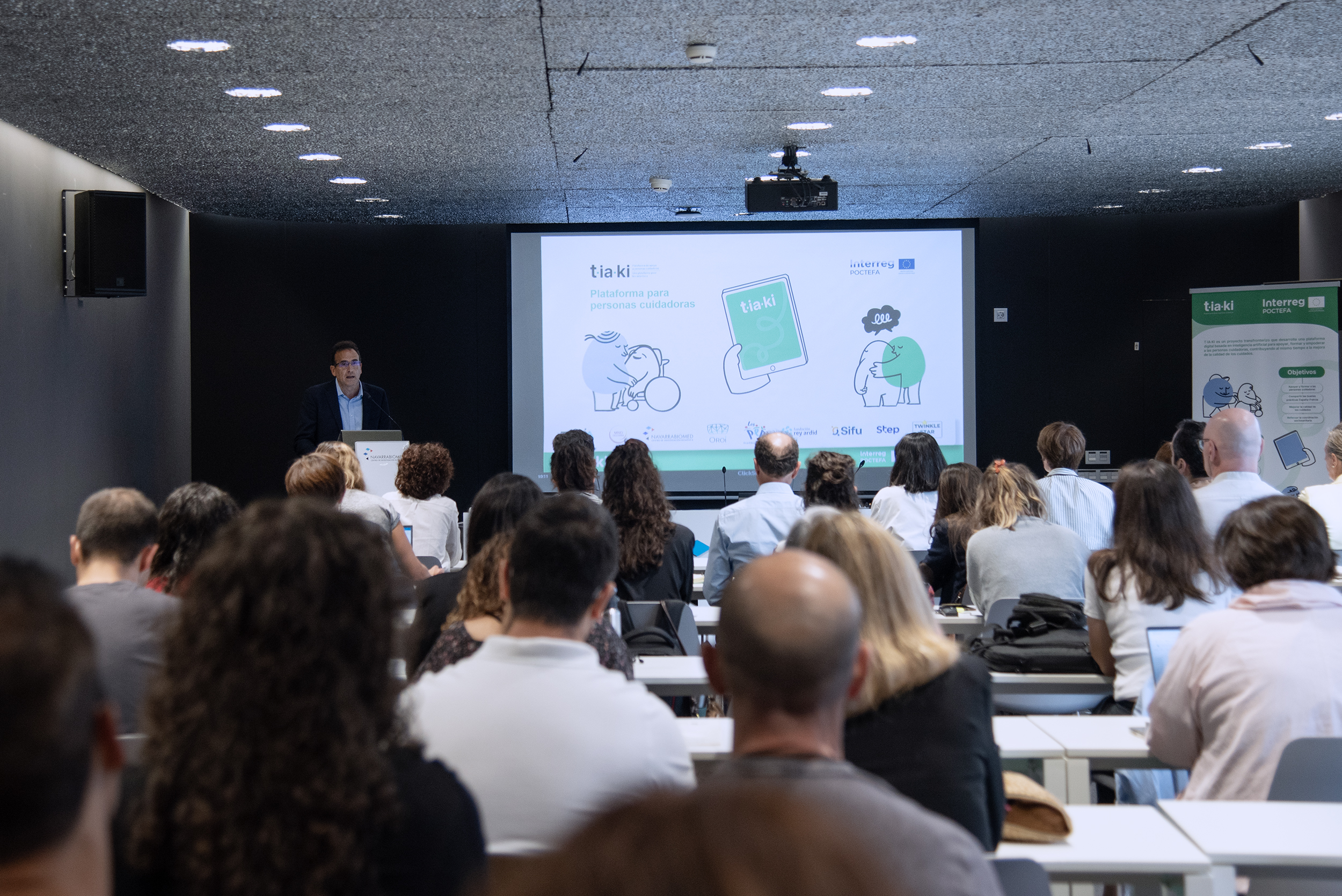
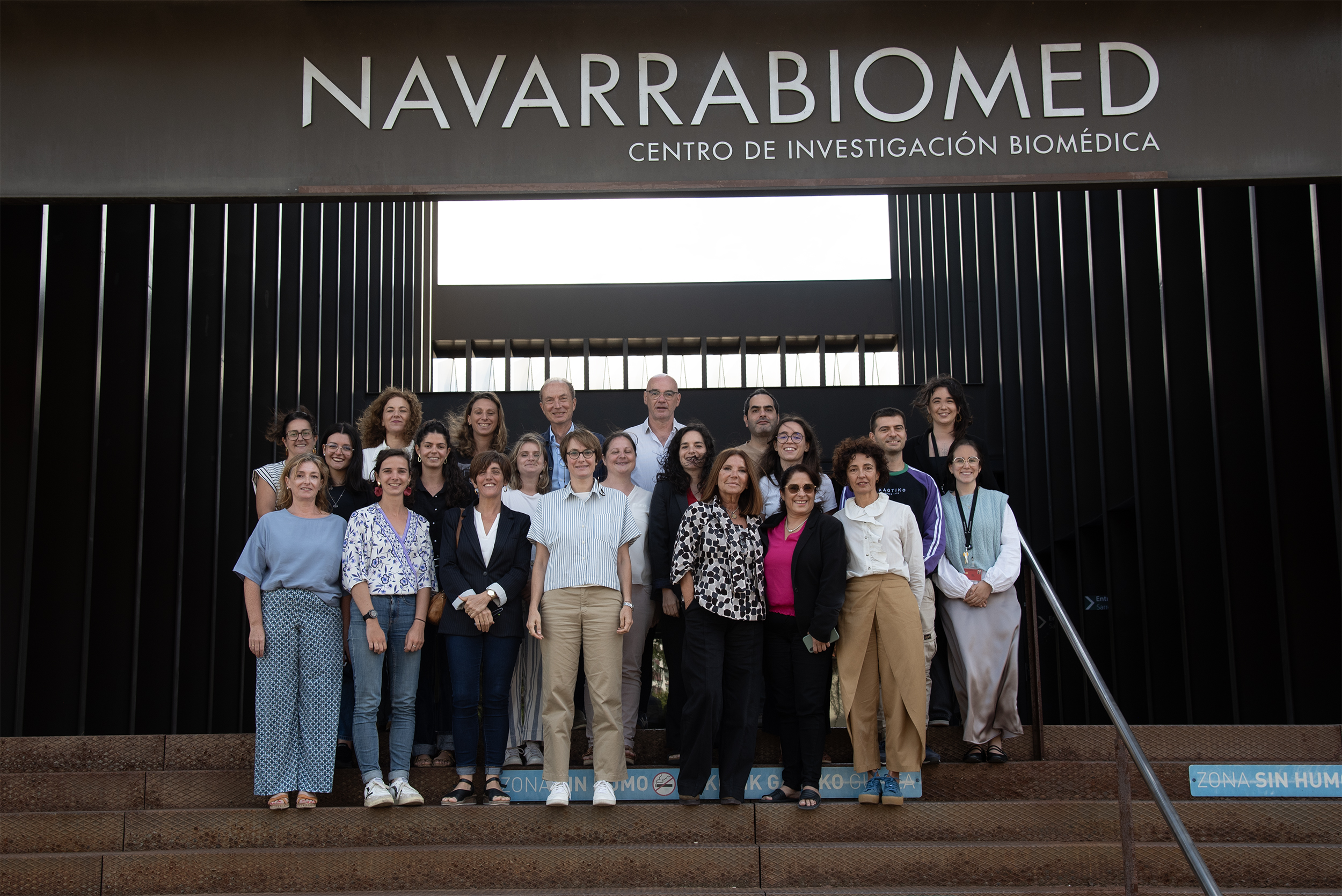
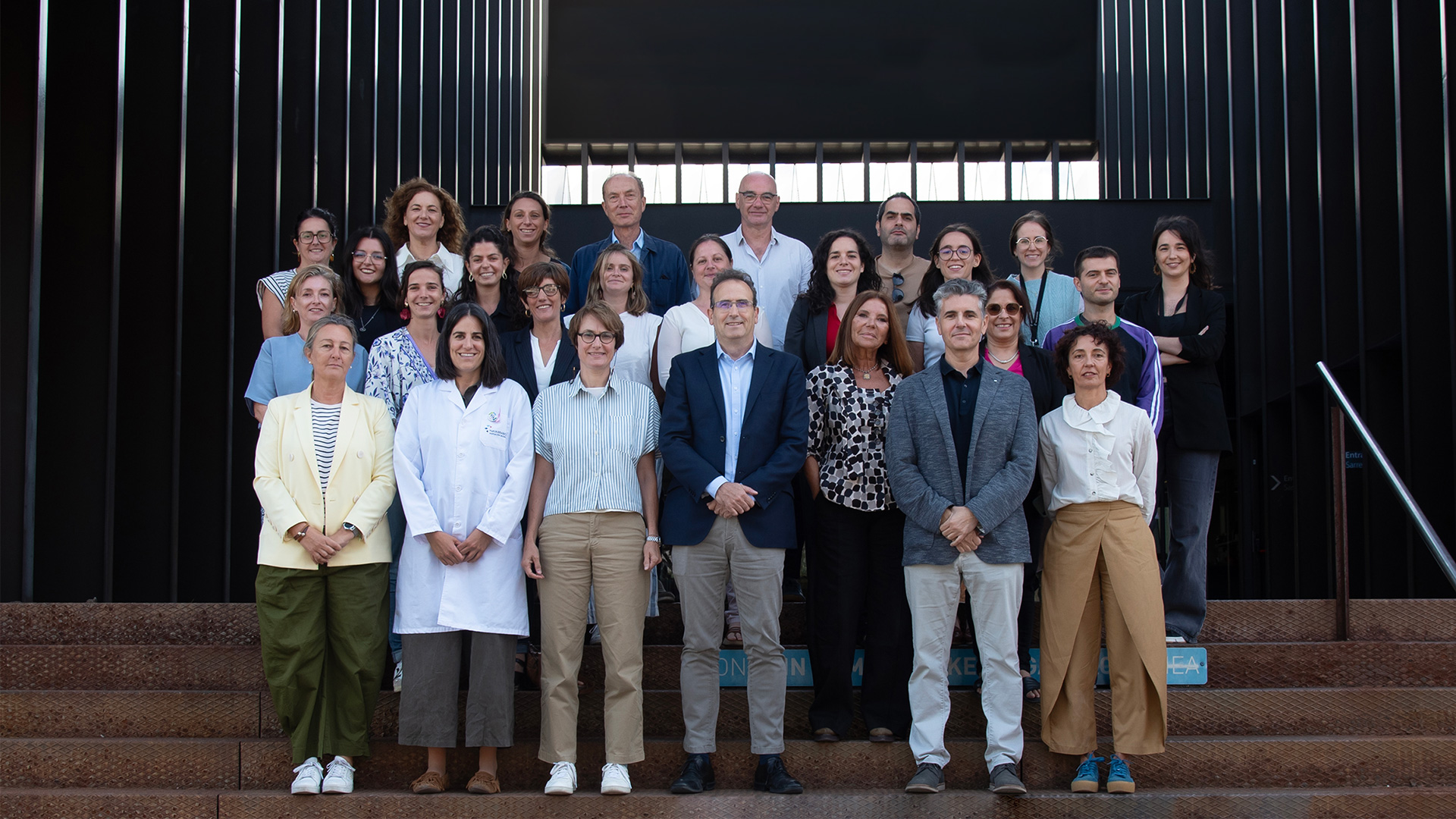
Pamplona / Iruña hosted a presentation event this Thursday for the European project T·IA·KI, organised by Navarrabiomed as part of a consortium meeting of this cross-border initiative, whose aim is to promote innovative solutions to support caregivers.
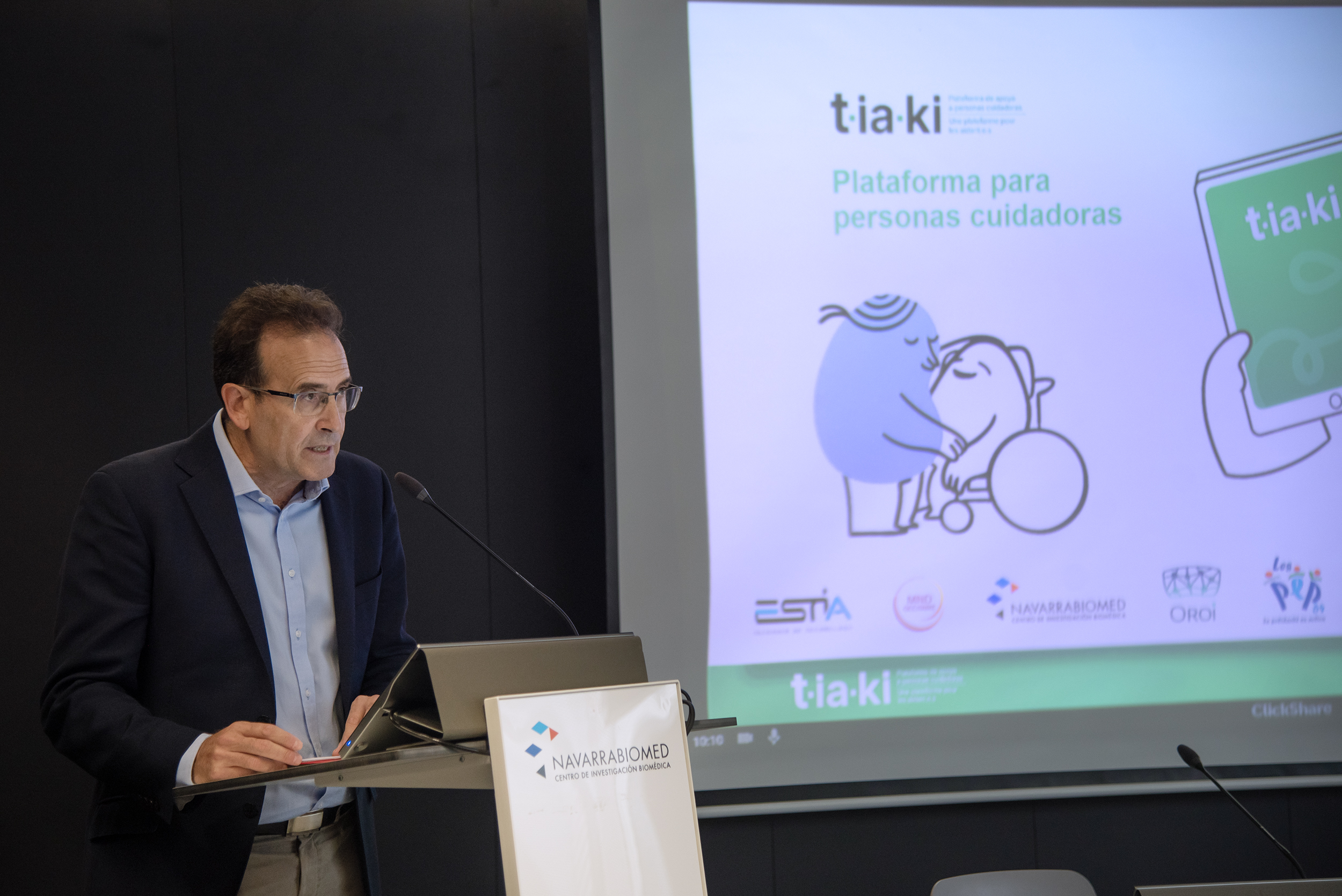
The event brought together partner organisations, healthcare and social care professionals, associations, and families. Antonio López, Director General of Health of the Government of Navarra, who emphasised that “major social challenges know no borders and require strong cooperation between institutions, professionals, organisations, and citizens to build useful and sustainable solutions”, opened it. He also highlighted the importance of recognising and supporting those who provide care, stressing “caregiving itself also needs support.”
T·IA·KI in Navarra
The event provided an opportunity to present the activities that will be carried out in Navarra as part of the T·IA·KI project. Alicia Alonso, researcher in the Physical Exercise, Health, Metabolism and Functional Capacity Unit at Navarrabiomed and Vice-Dean of the Degree in Physical Activity and Sport Sciences at the Public University of Navarra (UPNA), will coordinate the work. The project will be developed in collaboration with the Navarra University Hospital (HUN/NUO), associations, and families.
Navarra’s contribution will focus on the design, validation, and implementation of physical activity programmes for children with disabilities, as well as on the development of resources and tools to support their daily lives. The objective is to assist caregivers in a role that requires time, knowledge, and ongoing support, while at the same time improving the wellbeing and quality of life of the children who depend on this care.
The event also served as a platform for dialogue between the health and social care sector, the research community, associations, and families. Their contributions will help shape and adapt the planned actions to the real needs of the people who will ultimately benefit from the project.
One of the central moments of the day was the keynote lecture delivered by Dr Sergio Aguilera, paediatric neurologist at the Navarra University Hospital (HUN) and Associate Clinical Professor at the Public University of Navarra. His presentation focused on the everyday challenges faced by families of children with disabilities. Dr Aguilera emphasised that, beyond healthcare services, the family environment remains the cornerstone of care and highlighted the need to promote innovative initiatives that support and accompany families in their daily caregiving responsibilities.
A European Project to Transform Support for Caregivers
T·IA·KI is a cross-border cooperation initiative that establishes a strategic network between Spain and France with the aim of improving support for caregivers. Through the development of resources, digital tools, and collaborative spaces for professionals, researchers, associations, and families, the consortium brings together organisations specialising in research, healthcare, technological innovation, disability, and social care on both sides of the border.
The project will combine the identification of real needs, the creation of practical and educational resources, and the development of a collaborative network involving organisations, professionals, researchers, and families. One of its major milestones will be the creation of a digital platform offering support materials and resources designed to facilitate caregiving tasks and strengthen connections with professionals and services.
The project will run from 2026 to 2028 and is co-funded at 65% by the European Union through the Interreg VI-A Spain-France-Andorra Programme (POCTEFA 2021–2027), whose objective is to strengthen the economic and social integration of border regions through cross-border cooperation.